Thailand Pediatric Dentistry for Childrens Healthy Teeth and Gums
Thailand Pediatric Dentistry for Childrens Healthy Teeth and Gums
Caring for children’s teeth in Thailand is more than just polishing pearly whites—it’s about building lifelong habits in a culture that loves sweet treats, iced drinks, and family meals out. Thailand pediatric dentistry has grown rapidly, with friendly clinics from Bangkok and Chiang Mai to Phuket and Khon Kaen offering kid-focused care, modern technology, and a warm, gentle approach that keeps little ones calm and parents confident.
Why baby teeth matter in Thailand’s climate and lifestyle
Baby teeth hold space for adult teeth, help with speech and chewing, and guide facial growth. In a hot country where chilled drinks, cha yen (Thai milk tea), bubble tea, and kanom (snacks) are part of daily life, children face a higher sugar exposure than many parents realise. Add in bottled or filtered water—often with lower fluoride than tap water—and you can see why prevention is the best strategy. A pediatric dentist helps you manage these local factors so your child’s smile stays strong.
When to start and how often to go
The ideal first dental visit is by your child’s first birthday or when the first tooth appears. After that, book a check-up every six months, or more often if your dentist recommends it. Morning appointments often work best for young kids—fewer queues, less traffic, and children are fresher and more cooperative. Before school starts or during term breaks is a popular time, so do book early.
What happens at a pediatric dental visit in Thailand
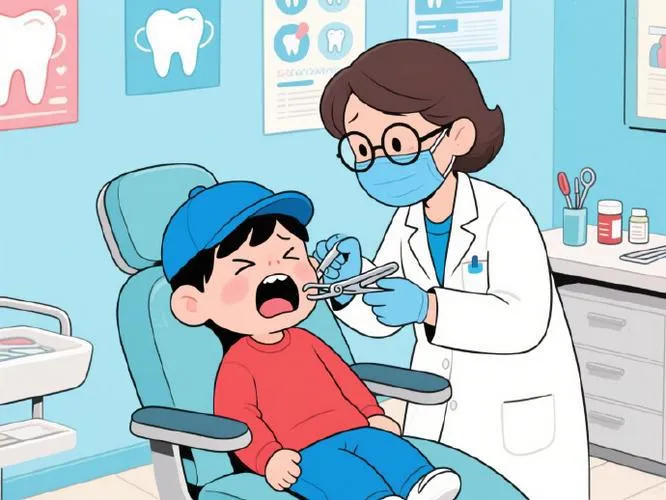
Most pediatric dental clinics here are designed to be sanuk (fun) for kids, with play corners, cartoons on the ceiling, and gentle “tell–show–do” techniques. A typical visit includes:
- A thorough but gentle exam to spot early cavities, gum issues, or bite problems
- Cleaning to remove plaque and tartar
- Fluoride varnish to strengthen enamel (especially important if your family uses bottled water)
- Advice on diet, brushing, and habits tailored to Thai foods and routines
X-rays are used only when needed and with very low doses. For anxious children, some larger Bangkok, Chiang Mai, or Phuket practices offer nitrous oxide (laughing gas) or sedation under strict safety protocols. Hospital-based care is available for complex needs.
At-home care that fits Thai family habits
- Brush twice a day with fluoridated toothpaste: a rice-grain smear for under 3s; a pea-sized amount from 3–6 years; then a small ribbon for older kids. Fluoride levels of 1000–1450 ppm are ideal.
- Help or supervise brushing until at least age 7–8 to ensure every surface is covered.
- Start flossing once two teeth touch. Floss sticks can be easier for small hands.
- Limit grazing on sweets and starchy snacks like biscuits, sticky rice desserts, and dried fruit. Offer treats after meals rather than as frequent nibbling.
- Choose water more often than sweet drinks. If your child has milk or sweet soy milk, avoid bedtime bottles, and rinse with water after.
- When taking liquid medicine, ask your pharmacist for sugar-free options. If a syrup is sweet, rinse or brush after dosing.
Smart prevention available in Thai clinics
- Fissure sealants: A quick, painless coating placed on the chewing surfaces of permanent molars to block food and bacteria. Great for kids who love crunchy snacks or have deep grooves.
- Fluoride varnish: Applied 2–4 tim
es a year based on risk; a mainstay where drinking water fluoride is variable.
- Silver diamine fluoride (SDF): A non-drill option that can halt early cavities, useful for very young or anxious children. It darkens the decayed spot but keeps the tooth stable until it can be restored.
Habits and growth: what Thai parents should watch
- Bottle to cup by age one, and no sleeping with a bottle of milk, formula, or juice—this is a big cause of early childhood caries.
- Thumb sucking and long-term pacifier use can affect the bite. Aim to stop by age 3; your dentist can offer gentle habit-breaking tips.
- Mouth breathing from allergies or adenoids may narrow the upper jaw. If you notice open-mouth sleeping or snoring, discuss it with your dentist or pediatrician.
- Tongue-tie can affect feeding or speech; assessment and simple treatment are available in many clinics.
Early orthodontic checks and a note on “fashion braces”
A first orthodontic assessment around age 7 helps catch crowding or jaw issues early. Interceptive treatments like expanders or small appliances may reduce the need for complex braces later. Standard braces are popular for teens, but avoid “fashion braces”—they are illegal and unsafe in Thailand. Always choose a licensed clinic with proper sterilisation and radiographic safety.
Dental emergencies: what to do in Thailand
- Knocked-out permanent tooth: Pick it up by the crown (not the root), gently rinse if dirty, and place it back in the socket or into cold milk. Get to a dentist within 30 minutes. Do not reinsert a baby tooth.
- Toothache or swelling: Don’t place aspirin on gums. Call your clinic, use paracetamol/ibuprofen as directed, and seek same-day care if there’s fever or facial swelling.
- Chipped tooth from sports: Save any fragments, and consider a custom mouthguard for future play. Many Thai clinics can make them quickly before tournaments.
Choosing the right pediatric dentist in Thailand
You’ll find options in government hospitals, community clinics, and private practices. Consider:
- Pediatric specialist credentials (board-certified pediatric dentist)
- Child-friendly atmosphere and behaviour guidance methods
- Availability of fluoride varnish, sealants, SDF, and nitrous oxide if needed
- Language support (Thai/English/Chinese/Russian in tourist hubs)
- Convenient location and parking, especially in areas like Sukhumvit, Sathorn, Nimman, or Patong
- Communication channels you already use—many clinics confirm via LINE or Facebook
Costs vary: public facilities are budget-friendly, while private and international clinics charge more for shorter waiting times and extra comfort. Many insurance plans cover check-ups, fluoride, and sealants for kids—check your benefits before you go.
The takeaway for children’s healthy teeth and gums
Thailand pediatric dentistry blends gentle care with practical prevention tailored to local diets and habits. Start early, keep regular 6-month visits, and make home care simple and consistent. With smart choices—fluoride toothpaste, sealants, sensible snacks, and a trusted kid-friendly dentist—your child can enjoy all the sanuk of Thai childhood and still grow up with a confident, cavity-free smile. Book that first visit, plan around school holidays or Songkran if you like, and let the good habits begin.