Thailand Pediatric Dentistry Care for Young Children Visiting Thailand

Thailand Pediatric Dentistry Care for Young Children Visiting Thailand
If you’re visiting Thailand with young children, it’s comforting to know that pediatric dentistry here is friendly, modern, and easy to access. Families come to Thailand for holiday and healthcare because clinics are well-equipped, dentists are well-trained, and many teams speak English. Whether you need a quick check-up, a fluoride varnish before island-hopping, or help with a sudden toothache, you’ll find child-friendly care in Bangkok, Chiang Mai, Phuket, and most resort towns.
What makes pediatric dentistry in Thailand stand out is the warm, gentle approach. Clinics are set up with playful décor, a little play corner, and air-con waiting rooms to help kids feel relaxed. Pediatric dentists (often called “kids’ dentists”) are specially trained in child behavior and will take time to explain each step. Don’t be surprised if the staff gives a friendly wai greeting and offers stickers or a small prize at the end. Many clinics use a queue number system, but it’s best to book an appointment to avoid waiting.
What to expect at a kids’ dental visit
- Booking: Most clinics accept appointments by phone, website, Facebook, or LINE. In Bangkok, look for clinics near BTS or MRT stations for easy travel; you’ll often see addresses listed by “soi” number (small side street).
- Check-in: Bring your passport and any dental records or x-rays (a photo on your phone or email is fine). You’ll complete a brief form in English.
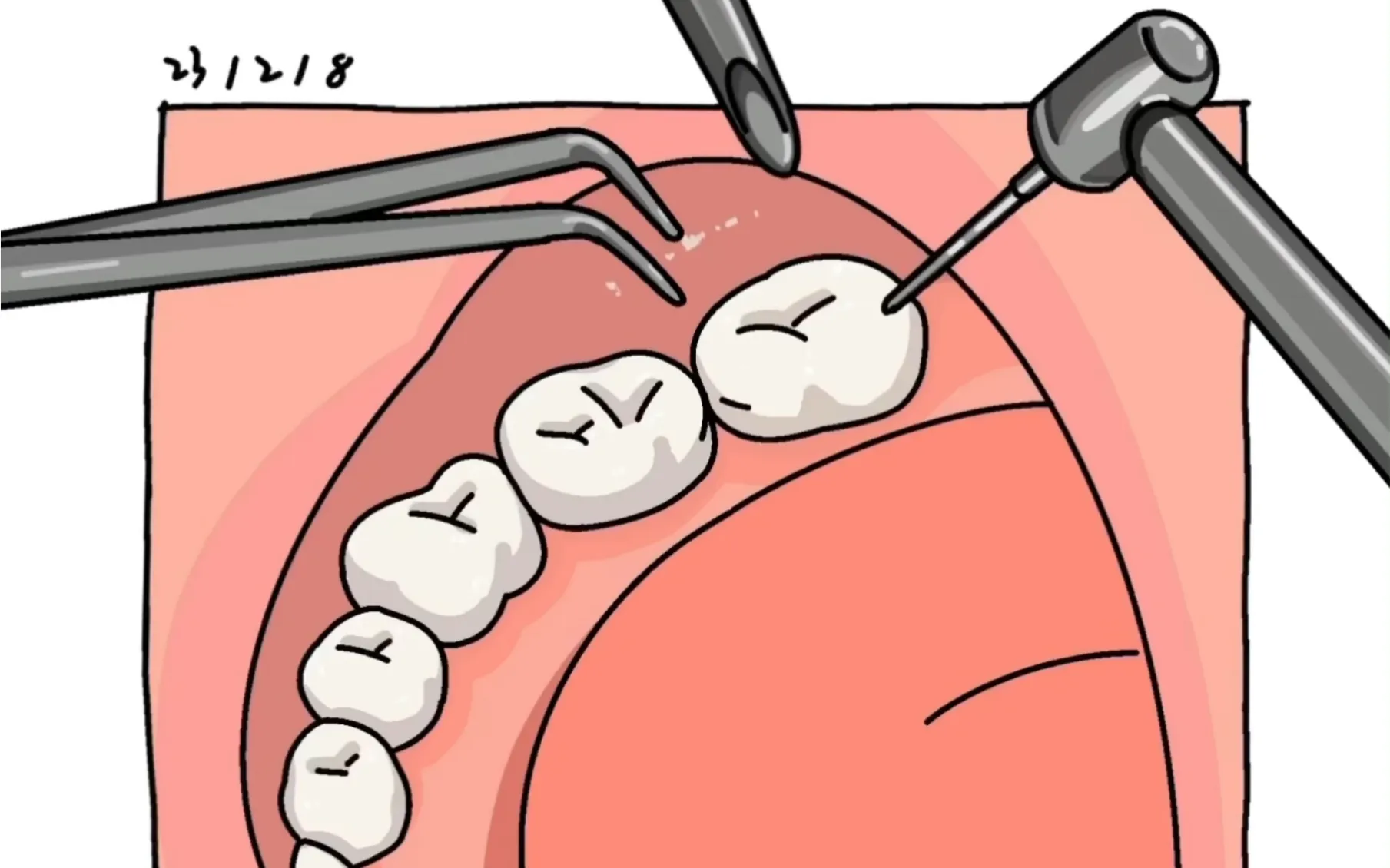
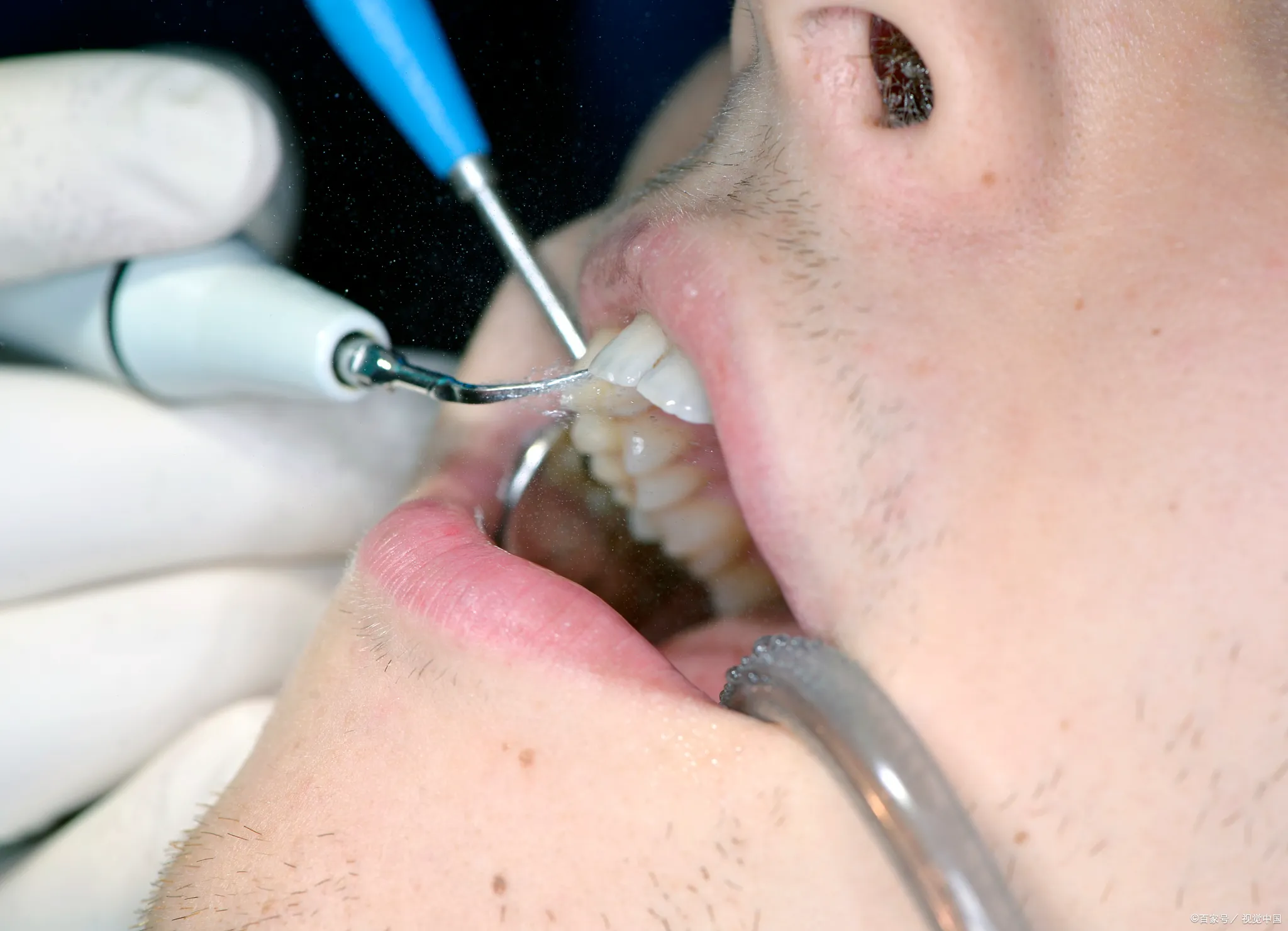
- Examination: The dentist will do a visual check, gentle cleaning if needed, and may recommend low-radiation x-rays only when necessary. Preventive treatments like fluoride varnish and fissure sealants are common to protect young teeth, especially before a busy travel itinerary.
- Comfort options: Many clinics use tell–show–do techniques, topical numbing gel, and very thin local anesthetic needles. For anxious kids or extensive work, nitrous oxide (laughing gas) is available in bigger clinics, and hospital-based pediatric dentistry can provide treatment under general anesthesia when appropriate. Safety and consent are taken seriously.
Finding a pediatric dentist in Thailand
- Search terms that work well: “pediatric dentist Bangkok,” “kids dental clinic Sukhumvit,” “children’s dentist Phuket,” “paediatric dentist Chiang Mai.”
- Location tips: In Bangkok, areas along Sukhumvit, Sathorn, and around Silom have many clinics close to BTS/MRT. In Phuket and Pattaya, look near main beach roads for family-friendly clinics.
- Credentials: Look for dentists registered with the Thai Dental Council and, if available, pediatric specialty credentials. Major hospital networks like Bumrungrad, Samitivej, and Bangkok Hospital have pediatric dental departments with English-speaking staff.
- Reviews and communication: Check recent reviews, ask about language support, and confirm if they can handle emergencies or same-day treatment.
- Opening hours: Many clinics are open late on weekdays and on weekends, but public holidays (New Year, Songkran in April) may affect hours. It’s always good to call ahead.
Costs and payment
Dental care in Thailand is generally more affordable than in many Western countries, but prices vary by city, clinic, and treatment. You can request a written treatment plan and quote before starting. Most places accept cash and major credit cards. Travel insurance sometimes covers emergency dental for pain relief; you’ll usually pay first and claim later, so keep all receipts and reports.
Travel-friendly oral health tips for kids in
Thailand
- Keep the routine: Brush twice a day with a fluoride toothpaste. For toddlers, use a smear; for older kids, a pea-sized amount. Supervise brushing, especially with new brands bought locally.
- Pack a small kit: Child-sized toothbrush, toothpaste your child likes, floss picks, and a collapsible cup for hotel sinks.
- Mind the sweets: Thailand has amazing desserts (mango sticky rice, roti, Thai milk tea). Enjoy, but try to keep sweet treats to mealtimes and avoid grazing on sugary snacks throughout the day.
- Rinse or chew xylitol gum: After sweet or sticky foods, have your child rinse with water or chew sugar-free gum to reduce acid.
- Hydration and water: Most families use bottled water for drinking. Brushing with hotel tap water is common, but if your child has a sensitive tummy, use bottled water for brushing too.
- Sports and swimming: If your child is doing Muay Thai classes, cycling, or snorkelling, consider a mouthguard for contact activities and remind them not to chew hard ice or open packets with teeth.
Common treatments for young children
- Fluoride varnish to strengthen enamel and reduce sensitivity.
- Sealants on permanent molars to protect deep grooves when they erupt around ages 6–7.
- Silver diamine fluoride for stopping early decay without drilling in cooperative kids.
- Minimally invasive fillings and stainless steel crowns for baby molars when needed.
- Space maintainers if a baby tooth is lost early, to guide proper eruption of permanent teeth.
If a dental emergency happens on holiday
- Toothache: If there’s pain, swelling, or fever, call a clinic for a same-day slot. Over-the-counter pain relief can help for a short time, but dental treatment is important.
- Chipped or broken tooth: Save any pieces, rinse the mouth with clean water, and see a dentist soon. Avoid hot/cold foods if sensitive.
- Knocked-out tooth: If it’s a baby tooth, do not reinsert—go to a dentist promptly. If it’s a permanent tooth, gently rinse (don’t scrub), place it back in the socket if you can, or put it in milk or saline, and head to a dentist immediately—ideally within 30 minutes.
- Facial swelling: This can be serious. Seek urgent care at a hospital with dental services.
Making the visit smooth for your child
- Choose morning appointments when kids are fresh and not close to nap time.
- Bring a comfort item, storybook, or headphones for cartoons on a phone.
- Practice “open wide” at the hotel and explain the visit in simple, positive language.
- Let the dentist lead the conversation; Thai pediatric teams are very patient and experienced.
A quick note on communication and access
English is widely spoken in private clinics, and receptionists are used to assisting expat and tourist families. Many clinics reply promptly on LINE or Facebook Messenger and can share maps with clear directions (landmarks, BTS/MRT exits, soi numbers). If you’re staying near a major station like Asok, Phrom Phong, or Sala Daeng, you’ll find multiple options within a short walk or a quick tuk-tuk or taxi ride.
The bottom line
Thailand pediatric dentistry is child-centered, safe, and convenient, with a strong focus on prevention and gentle care. With a little planning—booking ahead, packing your child’s dental basics, and choosing a clinic close to your hotel—you can handle routine care or unexpected issues smoothly. That way, your young traveler can spend more time enjoying beaches, night markets, and elephant sanctuaries, and less time worrying about teeth.