Thailand Pediatric Dentistry Clinics Providing Safe Care for Toddlers
Thailand Pediatric Dentistry Clinics Providing Safe Care for Toddlers
If your little one is starting to show tiny teeth, it’s a good time to look for a child-friendly dentist. Across Thailand—whether in Bangkok near the BTS, Chiang Mai old town, or Phuket—the pediatric dentistry scene is well developed, with clinics that are service-minded, gentle with children, and serious about safety. Here’s a clear guide to what makes Thailand pediatric dentistry clinics a safe choice for toddlers, and how to choose a clinic that fits your family.
What “safe care” looks like in Thailand
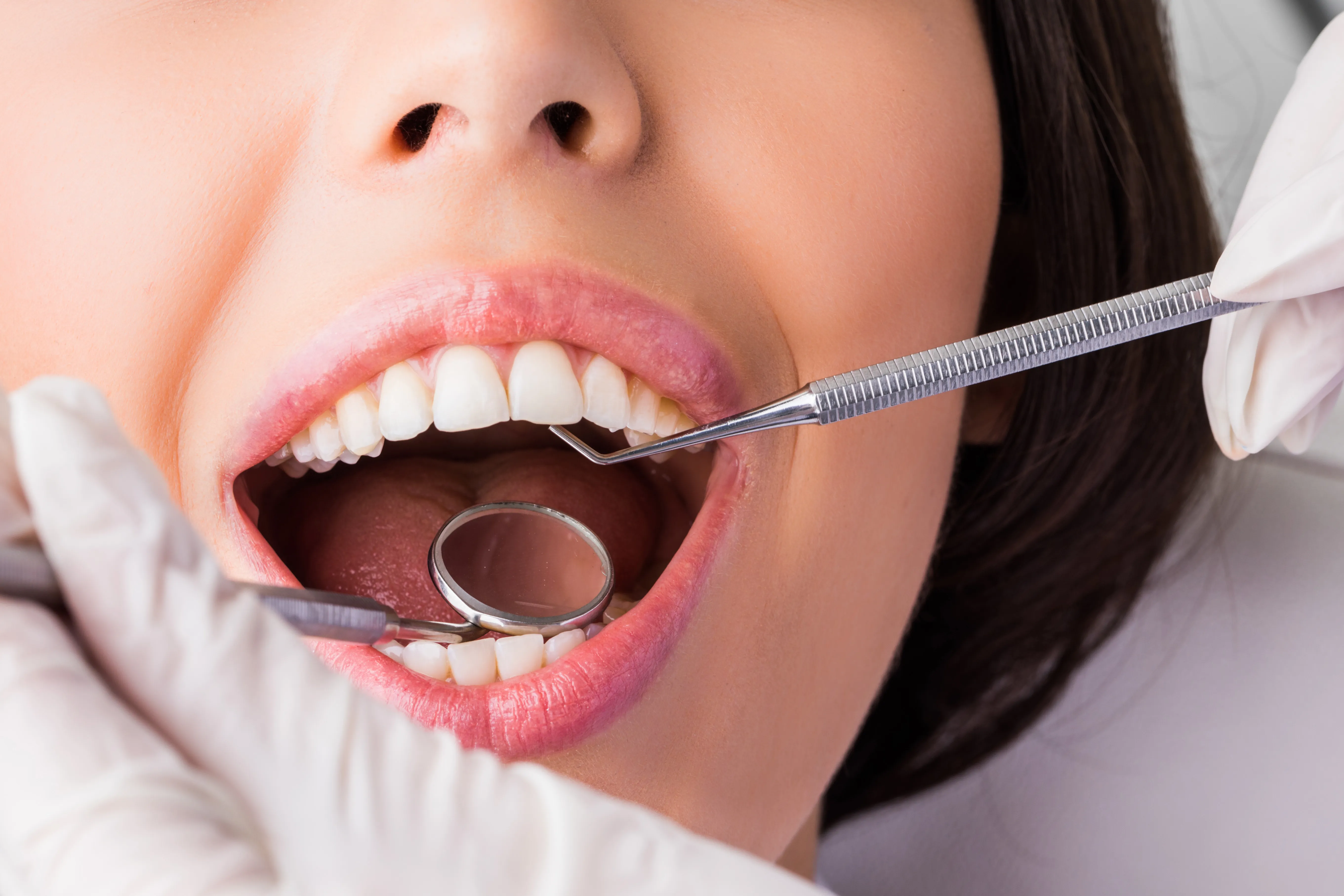
Pediatric dentists in Thailand are trained to treat babies, toddlers, and young children with a focus on prevention and minimal intervention. Safety isn’t just about clean tools; it covers infection control, pain management, behaviour guidance, and using child-appropriate materials. In reputable clinics you can expect:
- Strong infection control: Sterilisation with autoclaves, single-use items when suitable, proper instrument packing, and surface disinfection after every patient. You’ll often see dental nurses wearing gloves, masks, and face shields. Many clinics still do temperature checks and hand gel at the entrance.
- Child-friendly X-rays: Digital X-rays with low radiation, protective lead aprons, and thyroid collars. For toddlers, images are taken only when clinically needed, with plenty of reassurance and a quick process.
- Gentle behaviour guidance: Tell–show–do, positive reinforcement, desensitising tools, and a play area or kiddie corner to reduce anxiety. Some clinics offer cartoons on the ceiling, sticker rewards, and “happy air” (nitrous oxide) where appropriate.
- Toddler-appropriate treatments: Fluoride varnish to prevent decay, small fillings with tooth-coloured materials, fissure sealants for molars, stainless steel crowns for badly decayed baby molars, and silver diamine fluoride (SDF) for non-invasive caries management when a toddler can’t sit for drilling.
- Pain control and sedation: Local anaesthetic gels and injections when needed, nitrous oxide sedation for mild cases, and general anaesthesia in hospital settings for extensive work. Decisions are made case by case, with clear consent from parents.
Choosing the right clinic: private vs hospital setting
- Private pediatric clinics: Often offer shorter queues, flexible booking (many accept Line app or Facebook Messenger), and a cosy environment. Fees are usually mid- to high-range depending on location (Bangkok central areas may be higher). Ideal for routine checks, cleaning, and small treatments.
- Hospital dental centres (government and private hospitals): Provide full backup for sedation and general anaesthesia, with paediatricians on standby if required. Appointments may have longer wait times, but it’s a good choice for complex cases, special needs children, or if your toddler needs treatment under GA. Some government hospitals are more budget-friendly but have earlier start times and queue numbers.
Practical signs of a safe, child-oriented clinic
- You see sealed instrument pouches opened in front of you.
- Staff explain each step in simple language, both in English and Thai. Many clinics are expat-friendly and will call you “Khun” plus your name.
- There’s a rubber dam or isolation system available for fillings (helps keep little mouths dry and materials safe).
- The dentist talks about prevention first: diet advice, fluoride, spacing, and brushing technique for toddlers.
- Clear consent forms and fee quotes are provided before treatment starts. Prices are shown in baht with itemised s
ervices.
- Emergency protocol and referral network are in place for more advanced care.
Costs and payment basics
- Check-up and consultation: around 400–1,000 baht, depending on clinic and city.
- Fluoride varnish: 500–1,500 baht.
- Small filling (baby tooth): 1,000–2,500 baht.
- Stainless steel crown: 3,000–6,000 baht.
- Nitrous oxide sedation (per visit): 2,000–4,000 baht extra.
- General anaesthesia in hospital: package prices vary widely; ask for a full estimate including facility fees and anaesthetist.
Many clinics accept cash, card, and QR PromptPay. Some private insurance plans cover pediatric dental care—call ahead to check if direct billing is possible. For Thai nationals, certain benefits may apply at government hospitals under your health card.
Booking and queue tips (Thai style)
- Make an appointment to avoid a long queue, especially on Saturday mornings. Walk-in is possible in some places, but expect to take a queue number and wait.
- Arrive 10–15 minutes early for first-time registration.
- Use Line for quick communication—many clinics send location pins, preparation tips, or reminders there.
- Ask about “baby clinic” hours—some practices set aside quieter times for toddlers.
What to expect at your toddler’s first visit
- A friendly meet-and-greet: The dentist will say hello to your child first, let them touch the mirror or see the “counting teeth” routine.
- Quick exam on the dental chair or parent’s lap (knee-to-knee technique is common for 1–2 year olds).
- Gentle clean and fluoride varnish application if appropriate.
- Photos or X-rays only if there’s a clear need.
- Prevention plan: brushing technique, when to start flossing, bottle and snack habits, and recall schedule (usually every 6 months; sometimes 3–4 months for high-risk kids).
Preparing your toddler for a smooth visit
- Keep the explanation simple: “Dentist will count your teeth and make them shiny.”
- Avoid using scary words like “injection,” “pain,” or “drill.”
- Bring a comfort item (soft toy) and a short snack beforehand—just brush or wipe teeth after.
- Book during your child’s best time of day, not nap time.
- Model calm behaviour. If your toddler becomes very upset, it’s okay to reschedule and try desensitisation.
Questions to ask the clinic
- Is the dentist a board-certified pediatric dentist?
- What is your policy on fluoride, SDF, and sealants for toddlers?
- Do you offer nitrous oxide? When do you recommend general anaesthesia?
- How do you sterilise instruments and manage infection control?
- Will my child need a rubber dam for fillings?
- What are the estimated costs and how many visits are needed?
- Do you have experience with special needs or anxious children?
Regional notes
- Bangkok: Many pediatric clinics near BTS/MRT for easy access; fees slightly higher in Sukhumvit and Sathorn areas. Parking can be limited—ask ahead.
- Chiang Mai: Family-oriented clinics with relaxed pace; good choices around Nimman and along the Superhighway.
- Phuket and tourist areas: More expat-focused clinics; confirm opening hours during peak season and holidays.
Final thought
Safe toddler dental care in Thailand is very achievable when you choose a clinic that combines strong sterilisation protocols, child-friendly methods, and transparent communication. Start early—ideally when the first tooth appears or by 12 months—so your child gets used to the environment. With the right dentist, visits feel more like “teeth counting” than treatment, and those tiny smiles stay bright from the start.