Thailand Pediatric Dentistry Clinics With Experienced Kids Oral Health Teams
Thailand Pediatric Dentistry Clinics With Experienced Kids Oral Health Teams
Finding a children’s dentist who can make your little one feel calm, safe, and even a bit sanuk (fun) is a big deal for families in Thailand. Across Bangkok, Chiang Mai, Phuket, and beyond, pediatric dentistry clinics are staffed by experienced kids oral health teams who understand Thai culture and international expectations. With child-focused training, modern equipment, and a sabai-sabai approach that helps reduce anxiety, these clinics are ready to care for toddlers, school kids, and teens with gentle, evidence-based dentistry.
What makes a Thai pediatric dentistry clinic stand out is the team. A qualified pediatric dentist (often called a pedodontist) has additional years of specialist training in children’s oral health, behaviour guidance, dental growth and development, and minimally invasive treatments. Many trained at leading Thai universities like Chulalongkorn or Mahidol, and maintain active licenses under the Dental Council of Thailand. You’ll also find dental assistants and hygienists who know how to communicate at a child’s level, from “tell-show-do” introductions to using simple Thai and English explanations that keep things clear for kids and parents alike. In busy cities, clinics often have multilingual front desk staff to support expat families as well.
Beyond credentials, the environment matters. Child-friendly clinics in Thailand typically feature bright, playful spaces, cartoons on the ceiling TV, reward stickers, and smaller instruments sized for little mouths. These details might look cute, but they serve a clinical purpose: creating positive associations, lowering anxiety, and encouraging regular visits. Many clinics close to BTS and MRT stations in Bangkok offer easy access for after-school bookings, and weekend hours are common.
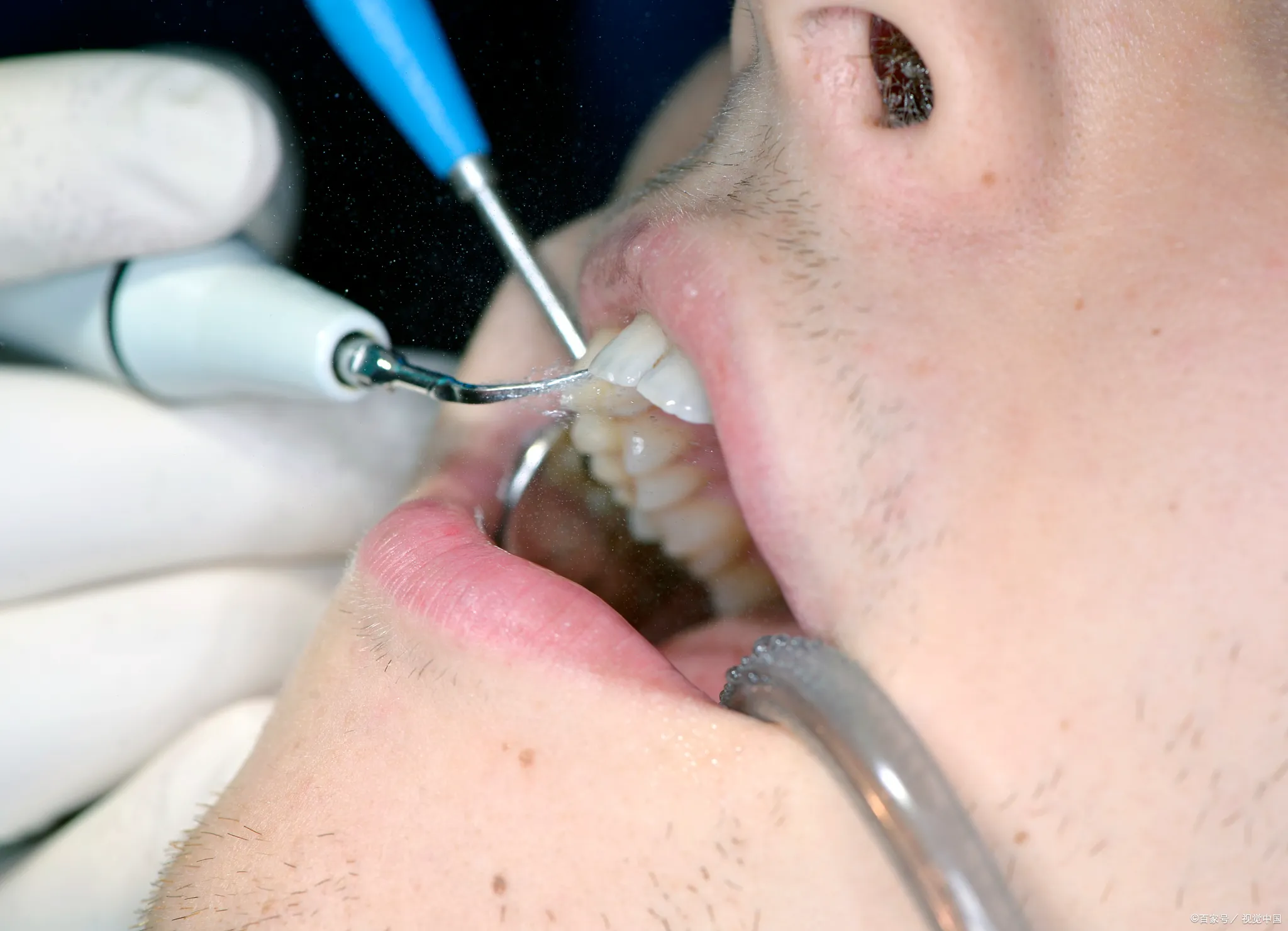
A well-rounded kids oral health team focuses strongly on prevention. Expect regular check-ups, gentle scale and clean, dietary guidance adapted to Thai favourites (think sticky rice, mango, milk tea, and school snacks), and preventive treatments like fluoride varnish and fissure sealants to protect deep grooves in molars. When early childhood caries do appear, experienced clinicians use minimally invasive options whenever possible—such as silver diamine fluoride (SDF) for arresting decay, atraumatic restorative treatment (ART), and small composite fillings that preserve healthy tooth structure. For deeper issues, paediatric pulp therapies (pulpotomy) and stainless steel crowns are standard tools to save primary teeth and maintain space for permanent teeth. If spacing becomes a concern, space maintainers and interceptive orthodontics help guide proper growth.
Behaviour guidance is a signature skill of seasoned pediatric teams in Thailand. Clinics combine calm communication with a variety of tools:
- Tell-show-do, modelling, and positive reinforcement so children know what will happen before it happens.
- Desensitisation visits for very young or anxious patients, keeping the vibe sabai and unhurried.
- Nitrous oxide (laughing gas) for mild to moderate anxiety, delivered by trained providers who monitor your child closely.
- Deeper sedation or general anaesthesia for complex cases, often within hospital-based settings that follow strict safety protocols.
Safety sits at the heart of good care. Look for a clinic that adheres to international infection contro
l standards, uses digital X-rays with low radiation, and documents consent for procedures. Experienced teams will explain options and costs clearly, and they’ll never rush you into a decision. While fees vary by city and clinic, most will provide a written treatment plan so you can compare apples to apples.
If you are choosing a pediatric dentistry clinic in Thailand, consider this quick checklist:
- Specialist credentials: Is the dentist a board-certified pediatric dentist with a valid Dental Council of Thailand license?
- Experience: How often does the clinic treat children of your child’s age? Ask about special needs experience if relevant.
- Behaviour management: Do they offer nitrous oxide and have clear sedation protocols if needed?
- Preventive philosophy: Do they prioritise fluoride, sealants, and minimally invasive dentistry?
- Convenience: Location near BTS/MRT or parking, weekend and after-school slots, and realistic appointment lengths for kids.
- Communication: Clear Thai/English explanations, treatment plans, and follow-up instructions you can understand.
- Reviews and word-of-mouth: Feedback from other parents, schools, and paediatricians.
- Emergency readiness: Same-day slots for toothache or trauma, and guidance for after-hours situations.
For expat families, Thailand’s children’s dentists are well-versed in global standards and can coordinate with international insurance or provide itemised receipts for claims. For local families, clinics often align their preventive advice with Ministry of Public Health guidelines used in schools, which helps maintain consistency between home and classroom habits.
Wondering what the first visit looks like? A friendly wai at reception, a quick health history, and then a gentle introduction to the dental chair. Many clinics start with a ride in the chair, a mirror “counting” of teeth, and a simple clean if your child is comfortable. Radiographs are taken only if necessary. You’ll go home with tailored tips on brushing technique (modified for Thai diets), timing of snacks, and whether fluoride or sealants are recommended.
A few Thailand-specific tips to keep your child’s smile strong between visits:
- Limit sweetened drinks like milk tea, pink milk, and boxed juices to mealtimes, and offer plain water for school and play.
- Encourage twice-daily brushing with a pea-sized fluoride toothpaste; supervise until at least age 7–8.
- For sticky treats like Thai desserts or dried fruits, rinse with water and brush as soon as practical.
- Use a mouthguard for muay thai, basketball, and football. If a permanent tooth is knocked out, place it back in the socket if possible or keep it in cold milk and go to a kids dental clinic ASAP.
- Keep check-ups every six months, or more frequently if your dentist suggests it.
Across Thailand, pediatric dentistry clinics with experienced kids oral health teams are raising the bar for gentle, high-quality care. Whether you’re booking a first tooth visit in Bangkok, a sealant session in Chiang Mai, or an orthodontic assessment in Phuket, you can expect a balanced approach: prevention first, minimally invasive treatments, thoughtful behaviour guidance, and transparent communication. With the right clinic partner, keeping your child’s teeth healthy becomes a smooth, sabai process—one small step at a time, and always with a smile.