Thailand Pediatric Dentistry Care for Baby Teeth and Permanent Teeth
Thailand Pediatric Dentistry Care for Baby Teeth and Permanent Teeth
Caring for children’s teeth in Thailand is about building healthy habits early and keeping them going as your child grows. From baby teeth to permanent teeth, a little planning and regular check-ups make a big difference. Whether you are in Bangkok, Chiang Mai, Phuket, or upcountry, good pediatric dental care is accessible, practical, and very effective when you follow a simple routine at home and work with a trusted dentist.
Why Baby Teeth Matter More Than You Think
Baby teeth are not “practice teeth.” They help your child chew, speak clearly, and guide the proper position of permanent teeth. Early decay can lead to pain, infections, and difficulty eating or concentrating at school. In Thailand, sweet drinks, condensed milk in bottles, and frequent snacking on kanom (snacks) are common causes of early childhood caries. The goal is not to remove all treats, but to manage frequency and clean teeth well every day.
From Birth to First Tooth: Start Early
- Before the first tooth: Wipe your baby’s gums twice a day with a clean, damp cloth.
- First tooth appears (usually around 6 months): Use a small, soft toothbrush and a smear (rice-grain size) of fluoride toothpaste twice daily.
- From age 3 to 6: Increase to a pea-sized amount of fluoride toothpaste, brushing morning and night. Help or supervise until at least age 7–8, as kids often miss the back teeth.
Night feeding habits matter. Avoid putting your child to bed with a bottle of milk, sweet drinks, or juice. If your little one needs comfort, offer plain water after milk and brush before sleep. Try not to dip pacifiers in honey or syrup. These small changes are powerful in preventing cavities.
Smart Eating for Thai Families
Thai cuisine offers plenty of tooth-friendly options—plain rice, fresh vegetables, grilled meats, and tropical fruits. The key is how often sugary or sticky foods are eaten. Limit grazing on sweets like roti, sticky rice desserts, and candy. Keep sweet drinks (milk tea, Thai iced tea, juice boxes) to mealtimes and encourage plain water between meals. After a sugary snack, rinse with water and brush as soon as practical, especially before bedtime.
Your Child’s First Dental Visit
Schedule the first dental visit by your child’s first birthday or within six months of the first tooth. Pediatric dentists in Thailand are friendly and trained to make visits fun and stress-free. Regular check-ups every six months help catch issues early and reduce the chance of painful emergencies.
What to expect:
- Gentle exam to check teeth, gums, bite, and oral habits.
- Cleaning, fluoride varnish application to strengthen enamel.
- Guidance on brushing technique, diet, and thumb-sucking or pacifier use.
- For nervous kiddos, some clinics in Bangkok and major cities offer nitrous oxide (laughing gas) or other child-safe behavior management options.
Fluoride and Sealants: Strong Protection
Fluoride toothpaste and professional fluoride varnish are proven to reduce decay. Ask your dentist about the right fluoride level and how often your child should receive varnish, especially if they are at higher risk of cavities.
When permanent molars come in (usually around age 6 and again around 12), consider dental sealants. These are thin protective coatings placed on the chewing surfaces to block bacteria and food from settling
into deep grooves. Sealants are quick, painless, and ideal for kids who love crunchy or sticky snacks.
The Big Change: From Baby Teeth to Permanent Teeth
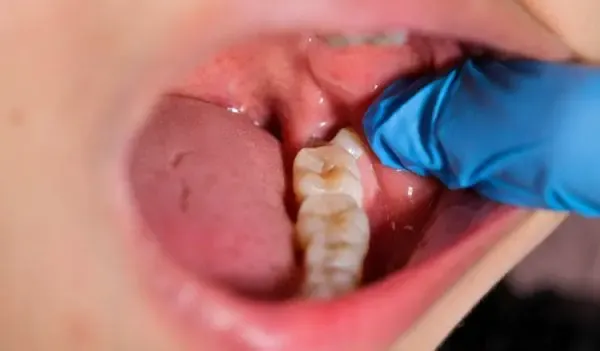
Around age 6, the first permanent molars erupt at the back of the mouth—often without any baby tooth falling out, so many parents miss them. These teeth are essential for chewing and keeping the bite stable, yet they are very prone to cavities. Focus brushing on the back surfaces and around the gumline. Flossing becomes important as teeth contact each other; start with floss holders to make it easier.
By age 7, an orthodontic assessment helps identify spacing, crowding, or jaw growth issues early. Early guidance can prevent more complicated treatment later.
Habits and Sports Safety
- Thumb sucking and prolonged pacifier use beyond age 3–4 may affect jaw growth. Your dentist can suggest gentle habit-breaking strategies.
- For active kids playing football, basketball, or Muay Thai, a custom or well-fitted mouthguard protects against chipped or knocked-out teeth.
Teen Years, Braces, and Aligners
Braces are common in Thailand, but be careful to visit licensed dentists only. Avoid non-clinic “fake braces,” which can cause severe infections, tooth decay, and gum disease. If your teen has braces or aligners:
- Brush after every meal and floss daily.
- Use interdental brushes to clean around brackets.
- Limit sticky sweets and carbonated drinks.
- Attend regular checks for adjustments and professional cleaning.
Dental Emergencies: What to Do
- Toothache: Rinse with warm salt water and see a dentist soon.
- Broken tooth: Save the piece if possible, rinse gently, and visit immediately.
- Knocked-out permanent tooth: Hold by the crown, not the root. Rinse gently (don’t scrub). Reposition in the socket if you can, or store in cold milk and go to a dentist urgently. Do not reinsert a knocked-out baby tooth.
Choosing a Pediatric Dentist in Thailand
Look for a clinic with:
- A pediatric dentist (often listed as “Pedodontist” or “Pediatric Dentistry”).
- Clear sterilization protocols and modern equipment.
- Child-friendly environment with patient, calm staff.
- Transparent fees and treatment plans in English and Thai if needed.
- Convenient location and hours—many clinics in malls or near BTS/MRT offer evening and Saturday slots, handy for busy families.
Cost and Coverage Tips
Fees vary between government hospitals, university clinics, and private clinics. If you have employer or international insurance, check your dental benefits and claim process beforehand. Many clinics offer package pricing for check-ups, cleaning, fluoride varnish, and sealants—ask the receptionist for details when you book.
Simple Routine, Big Results
- Brush twice a day with fluoride toothpaste; assist young children.
- Floss daily once teeth touch.
- Keep sweets and sweet drinks to mealtimes; water in between.
- Dental check-up every six months; ask about fluoride varnish and sealants.
- Protect permanent molars from day one; consider an orthodontic review by age 7.
- Use a mouthguard for contact sports.
In Thailand, pediatric dentistry is friendly, practical, and focused on prevention. With consistent home care, mindful snacking, and regular visits to a trusted dentist, your child’s smile can stay healthy from baby teeth all the way to permanent teeth.