Thailand Pediatric Dentistry Care for Childrens Healthy Smile Journey

Thailand Pediatric Dentistry Care for Childrens Healthy Smile Journey
Raising kids in Thailand comes with plenty of smiles—school shows, weekend markets, family trips to the beach. Keeping those smiles healthy starts with the right pediatric dentistry care. Whether you’re a Bangkok parent juggling BTS commutes or an expat family settling in Chiang Mai or Phuket, understanding how children’s dental care works in Thailand will help you plan confidently and keep cavities away.
Why pediatric dentistry matters in Thailand
Thailand’s warm climate and snack-friendly culture mean kids often sip and snack throughout the day. Sweet drinks like cha yen (Thai iced tea), bubble tea, and flavored milk, plus sticky favorites like roti or mango sticky rice, can increase the risk of tooth decay. A pediatric dentist—someone trained to care for children’s teeth from infancy through the teen years—does more than fix cavities. They coach your child (and you) on habits, diet, and routines, and they catch issues early so treatment is simpler and more affordable.
When to start and how often to go
- First visit: by age one or within six months of the first tooth. It’s mostly a gentle check and parent guidance.
- Routine check-ups: every six months. Your child’s dentist will adjust the schedule if your little one has a higher risk of decay.
- Growth and habits: the dentist will monitor bite, spacing, thumb-sucking, mouth breathing, and discuss how pacifier use or bottle feeding at night affects teeth.
What a typical kids’ check-up looks like in Thailand
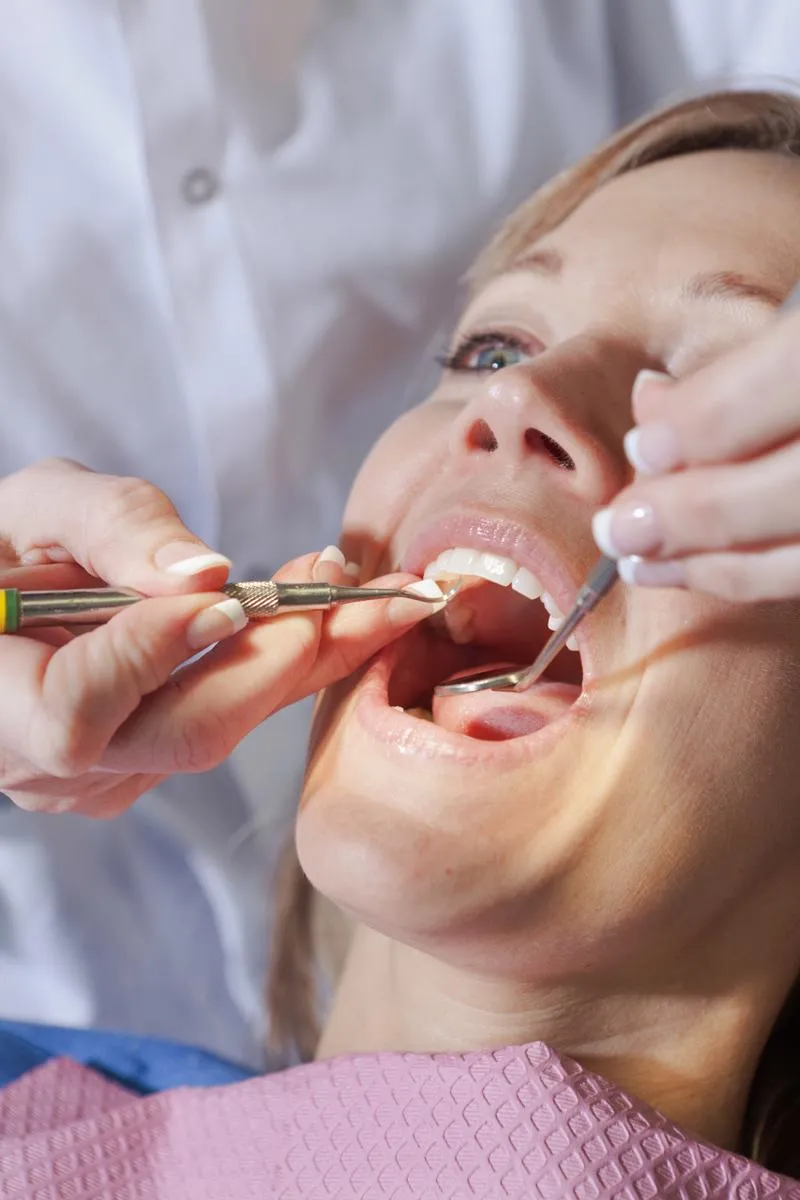
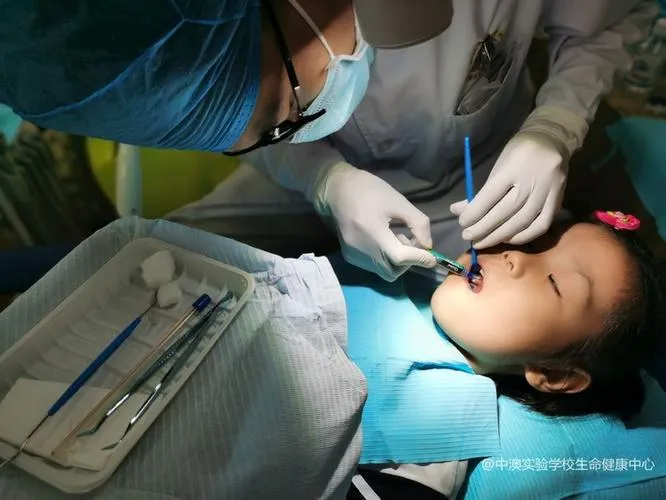
Most pediatric clinics in Thailand create a child-friendly vibe—think bright colours, play corners, stickers, and cartoons on the ceiling. A standard visit often includes:
- A relaxed “tell-show-do” introduction so kids know what’s happening.
- Gentle cleaning to remove plaque.
- Cavity check and gum health screening.
- Fluoride varnish to strengthen enamel.
- Low-dose X-rays only when necessary to see hidden issues.
- A short chat with parents on brushing, snacks, and any concerns at school or home.
Prevention first: sealants and fluoride
- Fluoride varnish: quick and painless, this treatment helps prevent early decay, especially in kids who enjoy sweet drinks or have weaker enamel.
- Dental sealants: a thin protective layer placed on the grooves of molars to stop food and bacteria from getting stuck. Sealants are common in Thailand and are one of the most cost-effective ways to prevent cavities.
- Silver diamine fluoride (SDF): sometimes used to arrest early decay without drilling. It can darken the decayed spot, so your dentist will explain when it’s suitable.
- Space maintainers and stainless-steel crowns: used when needed to protect baby teeth and keep space for adult teeth, preventing future crowding.
Daily habits that make a big difference
- Brushing: twice daily with fluoride toothpaste. For under 3s, use a smear the size of a grain of rice; for ages 3–6, a pea-sized amount. Parents should help with brushing until at least age 7–8.
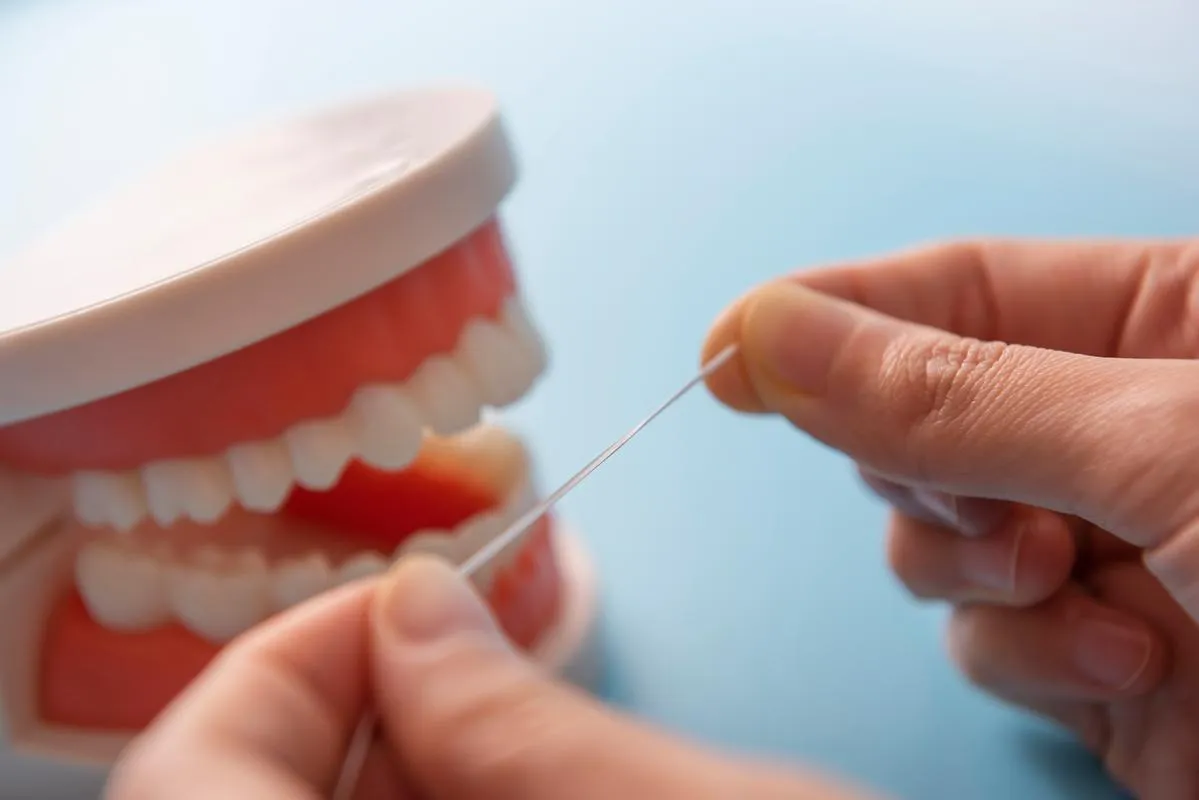
- Flossing: once a day as soon as teeth touch.
- Drink water: encourage plain water after meals and snacks. If your child has sweet drinks, use a straw and finish in one go rather than sipping for hours.
- Smart snacks: fresh fruit is better than sticky sweets; keep dried fruits and gummies for occasional treats because they cling to teeth.
- Night routines: avoid bottles of milk or juice at bedtime. If your child needs comfort, offer wa
ter after milk and brush before sleep.
Helping kids stay calm at the dentist
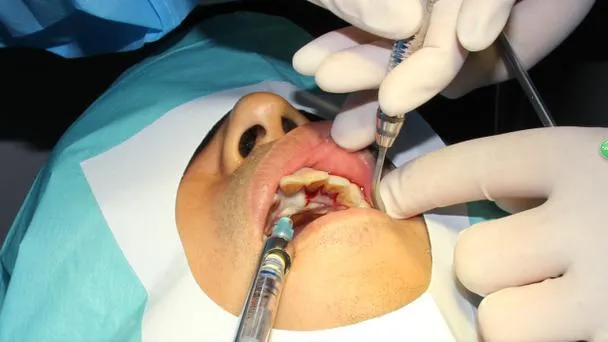
A good pediatric dentist in Thailand understands local family dynamics and school schedules. Many clinics welcome parents in the room, use child-friendly words, and keep visits short. If your child is very anxious or requires complex care, options like nitrous oxide (laughing gas) or sedation are available in larger clinics and hospitals with proper monitoring. Always discuss benefits and risks, and ask about the clinic’s credentials for sedation dentistry.
Choosing a pediatric dentist in Thailand
- Training and certification: look for a board-certified pediatric dentist registered with the Thai Dental Council. Many have international training or hospital affiliations.
- Location and access: choose a clinic convenient to your daily route—near BTS/MRT in Bangkok or with easy parking in suburban areas. Less stress getting there means happier kids.
- Language and communication: clinics in major cities often have Thai- and English-speaking staff, helpful for mixed-language households or expat families.
- Child-friendly environment: ask if they have behaviour management techniques, ceiling TVs, and a play area that suits your child’s age.
- Infection control and safety: check for clear hygiene protocols and modern equipment.
- Transparent fees and insurance: request a written estimate before treatment. Some corporate insurance plans cover preventive care; government schemes may support school-based sealants and fluoride. For details, confirm with your insurer or local hospital dental department.
Orthodontic checks and teen care
By age 7, a pediatric dentist can evaluate bite and jaw growth. Early orthodontic guidance can reduce the need for complex braces later. For teens, watch for sports-related injuries—many Thai schools encourage sports, so consider a custom mouthguard for football, basketball, or Muay Thai training.
Dental emergencies: what to do
- Toothache: rinse with warm water, gently floss around the tooth, and call your dentist. Use paracetamol for pain—avoid aspirin for children.
- Knocked-out tooth: if it’s a baby tooth, do not try to put it back. If it’s a permanent tooth, gently rinse and place it back in the socket if possible. If not, store it in milk or saline and get to a pediatric dentist immediately. Quick action can save the tooth.
- Contact options: many Thai clinics respond fast via Line, WhatsApp, or a hotline. Save your clinic’s emergency number on your phone.
Making appointments fit your family life
Thailand’s school terms and public holidays can get busy, so plan dental check-ups during school breaks or before Songkran travel. Weekend and evening slots are common in city clinics. Arrive a little early so your child can settle in, play, and feel at home.
Your child’s healthy smile journey starts now
Thailand pediatric dentistry care is all about prevention, comfort, and long-term confidence. With regular check-ups, fluoride and sealants, smart snack habits, and a supportive dentist, your child can enjoy a cavity-light childhood and an easier path to a straight, healthy adult smile. Whether you’re looking for a pediatric dentist in Bangkok, a family-friendly clinic in Chiang Mai, or a seaside option in Phuket, the right partner is nearby. Book that first visit, bring your questions, and let your child’s healthy smile journey begin.