Thailand Pediatric Dentistry Services With Modern Childrens Oral Care
Thailand Pediatric Dentistry Services With Modern Childrens Oral Care
Thailand is famous for its warm hospitality and bright smiles, and that culture carries naturally into pediatric dentistry. Across Bangkok, Chiang Mai, Phuket, and beyond, children’s dental clinics combine a friendly, play-based atmosphere with advanced technology and evidence-based care. Whether you’re a Thai family or an international parent living here, you’ll find pediatric dentists who focus on prevention first, treat gently, and make visits feel surprisingly easy for kids.
What sets pediatric dentistry in Thailand apart
- Specialist training: Many children’s dentists here are board-certified pediatric specialists with additional years of training focused on child behavior, growth, and special health care needs.
- Bilingual care: Clinics commonly offer Thai- and English-speaking teams, making it simple to discuss treatment plans, costs, and home routines.
- Kid-friendly spaces: From cartoon-themed rooms to ceiling TVs and small play corners, clinics are designed to reduce anxiety and make visits “sanuk” (fun).
- Hospital-grade standards: Private hospitals and leading clinics follow strict sterilization protocols, use digital X‑rays with low radiation, and maintain international-quality infection control.
Core services focused on prevention and comfort
- First tooth to first birthday: Thai pediatric dentists encourage the first visit by age one. Early checks help guide feeding and brushing habits, detect early decay, and build a positive routine before problems start.
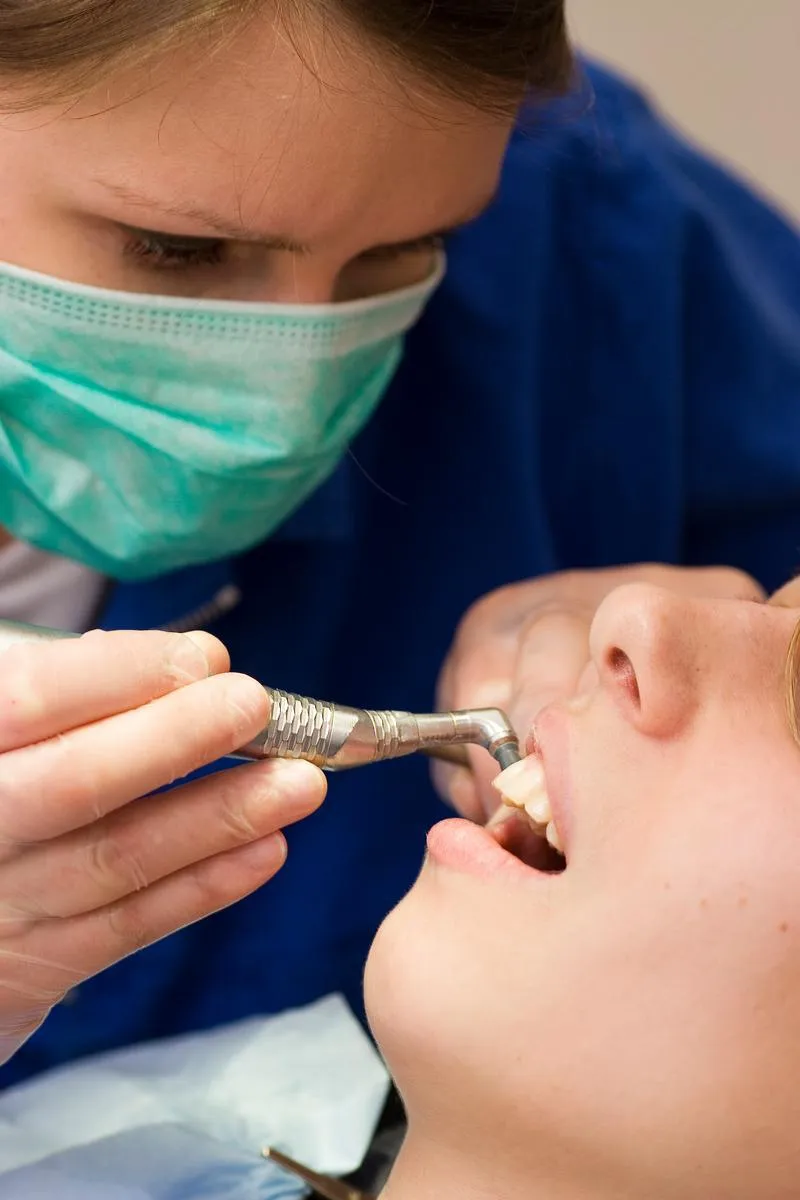
- Routine check-ups and cleanings: Regular visits track jaw growth, tooth eruption, and oral habits like thumb sucking or mouth breathing. Cleanings remove plaque build-up and teach kids proper brushing techniques.
- Fluoride varnish and sealants: These protective measures are widely used to prevent cavities, especially on the chewing surfaces of molars. Dentists tailor fluoride frequency to your child’s risk level and diet.
- Silver diamine fluoride (SDF): For very early decay or when children are not ready for drilling, SDF can arrest cavities non-invasively, buying time until a child is older and more cooperative.
- Minimally invasive dentistry: Techniques like the Hall crown method, air abrasion, and atraumatic restorative treatment (ART) often avoid injections and drills, keeping visits short and stress-free.
Restorative and advanced care when needed
- Tooth-colored fillings and crowns: When repairs are necessary, durable materials and rubber dam isolation help ensure long-lasting results. Stainless steel crowns are common for molars with larger decay and are quick to place.
- Pulp therapy for baby teeth: Treatments like pulpotomy can save a decayed baby tooth, maintaining space for adult teeth and avoiding early extraction.
- Interceptive orthodontics: Pediatric dentists work closely with orthodontists to guide jaw growth, use space maintainers after early tooth loss, and correct crossbites or crowding at the right moment. Teens can progress to braces or clear aligners when appropriate.
- Habit and airway guidance: Management of thumb sucking, tongue ties, and mouth breathing supports proper facial growth and better sleep.
- Special needs dentistry: Many clinics offer extended appointment times, quiet rooms, and hospital-based care for children with sensory sensitivities or medical conditions.
- Sedation and pain control: When anxiety is high or treatment is complex, nitrous oxide (laughing gas) and conscious sedation are available in controlled settings, with pediatric-trained teams and hospital support where required.
Everyday Thai life, realistic advice
- Diet counselling with local context: From
school snacks to weekend treats, Thai children often enjoy sweets like kanom, bubble tea, and sticky treats that cling to teeth. Dentists help parents set “treat times,” rinse with water after sugary drinks, and choose tooth‑friendly snacks.
- Sports mouthguards: With many kids active in football, basketball, and even Muay Thai, custom mouthguards from pediatric clinics protect teeth and reduce concussion risk.
What to do in a dental emergency
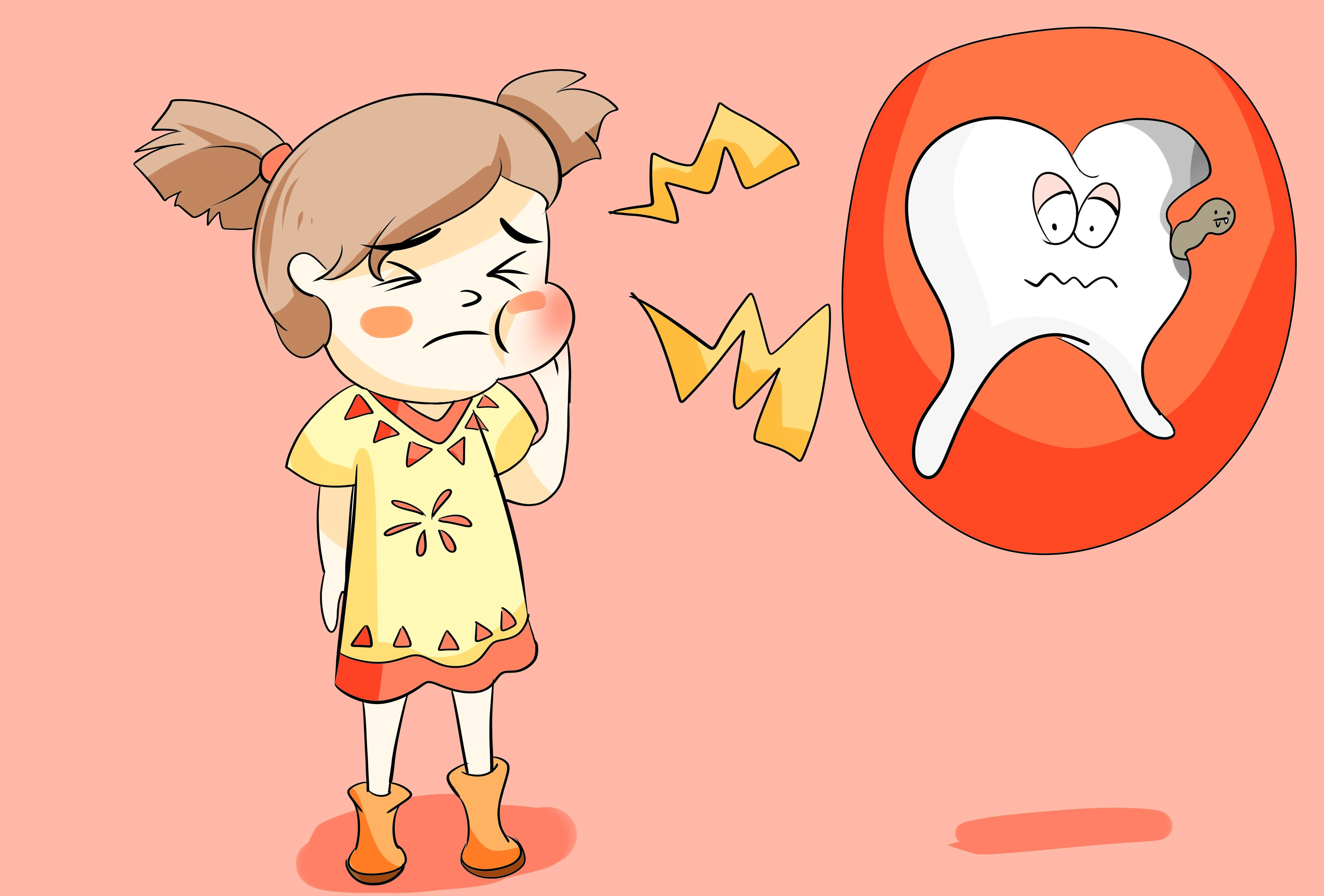
- Toothache: Rinse with warm water, gently brush the area, and avoid very hot or cold foods. Call your clinic for the first available slot.
- Knocked-out permanent tooth: Pick it up by the crown (not the root), rinse gently if dirty, and place it back in the socket if possible. If not, keep it in cold milk or saline and get to a pediatric dentist or hospital urgently. For baby teeth, do not reinsert—see a dentist promptly.
- Cracked or displaced tooth: Apply a cold compress to reduce swelling and seek immediate care. Larger cities like Bangkok, Chiang Mai, and Phuket have emergency-ready dental departments in major hospitals.
Technology that makes a difference
- Digital X‑rays and 3D imaging (as needed) cut radiation exposure and improve diagnosis.
- Intraoral scanners create gag-free digital impressions for orthodontics, crowns, and mouthguards.
- High-quality sterilization and waterline disinfection meet international standards, providing peace of mind for families.
How to choose a pediatric dentist in Thailand
- Check credentials: Look for pediatric specialty training and membership in professional bodies.
- Location and access: Clinics near BTS/MRT in Bangkok or central areas in Chiang Mai and Phuket make routine visits easier with less travel stress.
- Communication: Ensure the team explains options clearly in your preferred language and provides written plans and receipts for insurance claims.
- Behaviour management and sedation policy: Ask how the clinic handles anxious children and whether sedation is hospital-supported when necessary.
- Emergency readiness: Confirm after-hours contacts and referral pathways to nearby hospitals.
- Transparent pricing: Packages for check-ups, fluoride, and sealants are common; reputable clinics give clear quotations before treatment.
Home care routines that actually work
- Start brushing with a smear of fluoride toothpaste as soon as the first tooth appears; use a pea-sized amount from age three and supervise brushing until at least age seven to eight.
- Brush twice daily, especially before bedtime, and floss where teeth touch.
- Limit frequent sipping on sweet drinks like iced tea or milk tea; keep sweet treats with meals, and offer water in between.
- Consider xylitol gum for older kids after meals if recommended by your dentist.
- Schedule check-ups every six months, or more often if your child has higher cavity risk.
Why families choose Thailand for children’s dental care
Thailand offers a reassuring blend of gentle, child-centred care and modern dentistry. Clinics are welcoming, standards are high, and services range from preventive sealants to advanced interceptive orthodontics. For expat families, it’s easy to find English-speaking teams and convenient locations. For local parents, the focus on prevention and minimally invasive approaches helps kids stay comfortable and confident at the dentist.
With the right pediatric dentist—whether you’re in Bangkok, Chiang Mai, or Phuket—your child can enjoy healthier teeth, fewer emergencies, and a truly positive experience at every visit. It’s modern children’s oral care, delivered with the friendly, thoughtful touch that Thailand is known for.