Thailand Pediatric Dentistry Services With Reliable Child Oral Health Support
Thailand Pediatric Dentistry Services With Reliable Child Oral Health Support
Raising children in Thailand comes with plenty of smiles, and looking after those smiles is easier when you have a friendly, reliable kids’ dentist by your side. Thailand’s pediatric dentistry scene blends advanced clinical standards with the warm, gentle approach Thai healthcare is known for. Whether your family lives in Bangkok, Chiang Mai, Phuket, or anywhere in between, you can find pediatric dental services designed to keep children comfortable while building strong oral health habits for life.
What pediatric dentistry covers in Thailand
Pediatric dentists in Thailand care for children from infancy through the teenage years. The focus is prevention-first, with early detection and minimally invasive treatment where possible. Services typically include:
- Routine check-ups and cleanings every six months
- Fluoride varnish for strengthening enamel in high-risk kids
- Dental sealants to protect the grooves of molars
- Tooth-coloured fillings and early cavity management, including silver diamine fluoride when appropriate
- Pulp therapy and stainless steel crowns for badly decayed baby teeth
- Space maintainers and interceptive orthodontics to guide jaw and tooth development
- Guidance for thumb-sucking and habit correction
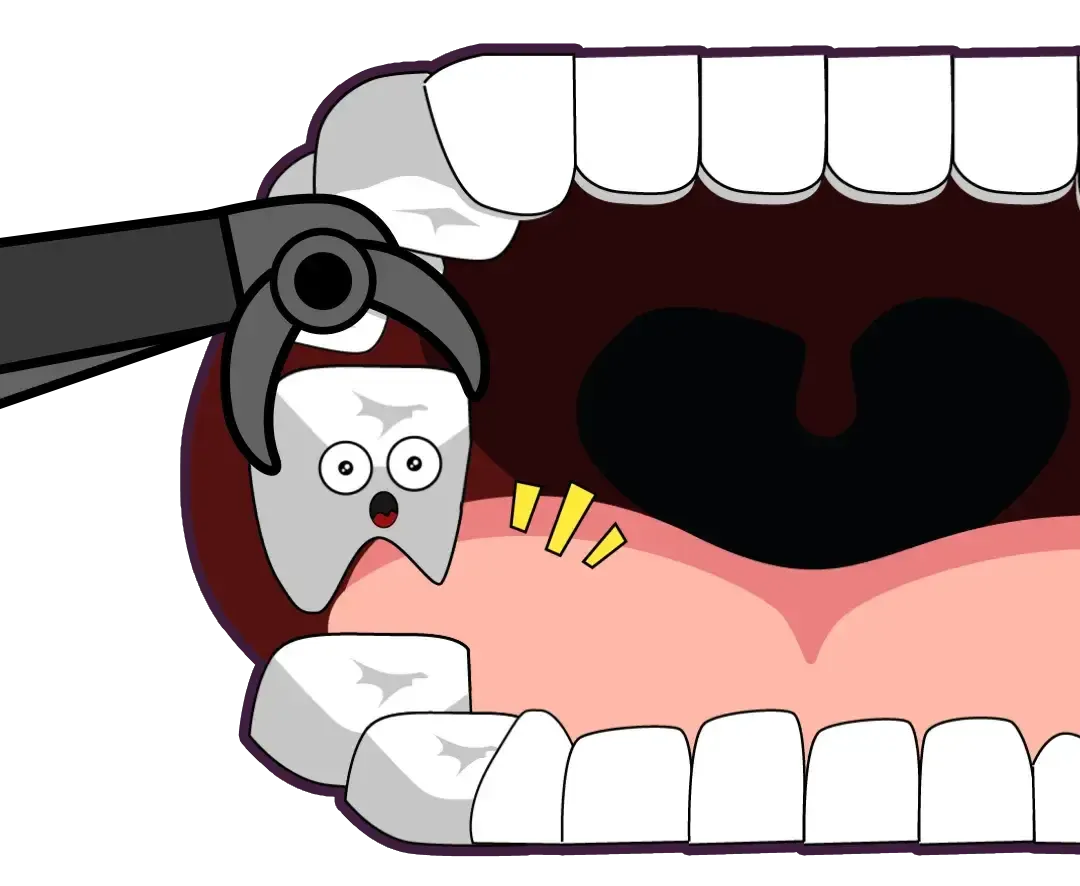
- Emergency care for falls, fractures, and knocked-out teeth
What to expect during your child’s visit
Thai pediatric clinics often feel more like play spaces than medical rooms. You’ll find bright colours, cartoons, and small play corners that help kids relax. Many dentists and staff speak both Thai and English, and they are used to caring for local and expat families. Appointments usually start with a friendly chat, a gentle examination, and simple explanations that children can understand. Clinics in major cities may offer nitrous oxide (laughing gas) or, for complex cases, treatment under general anaesthesia in a hospital setting, following strict safety protocols.
Prevention that fits Thai family life
The simplest way to avoid fillings is to build strong routines early:
- Start dental visits when the first tooth appears or by the first birthday.
- Brush twice daily with fluoride toothpaste (a rice grain-sized smear for under 3; a pea-sized amount from 3–6; then a small strip). Check the label for fluoride content and encourage children to spit, not swallow.
- Limit sugary and sticky snacks. Thai sweets, flavoured milk, sweetened soy drinks, and iced teas can be frequent culprits. Offer water between meals and keep juice as an occasional treat.
- Ask your dentist about sealants on first and second permanent molars soon after they erupt.
- If your child is high risk for cavities, your dentist may recommend fluoride varnish 2–4 times a year.
Common treatments explained simply
If a cavity is caught early, Thai dentists often choose non-drill options like fluoride or resin infiltration. For standard cavities, tooth-coloured composite fillings blend neatly with the tooth. Where decay affects the nerve of a baby molar, a pulpotomy or pulpectomy (baby root canal) can save the tooth until it is ready to fall out naturally. Stainless steel crowns are sturdy and ideal for heavily damaged baby teeth, especially for active kids who love sports. For developing bites, interceptive orthodontics—expanders, habit appliances, and early braces—can reduce the need for complex treatment later.
Emergency care for kids
Active children sometimes take a tumble—during foo
tball practice, cycling, or even Songkran water play. If a permanent tooth is knocked out, pick it up by the crown, rinse gently with clean water, and try to place it back in the socket. If that is not possible, store it in cold milk and head to a dentist immediately—ideally within 60 minutes. Major cities have 24-hour hospital dental departments or emergency lines, so call ahead for guidance. For baby teeth that are knocked out, do not reinsert; still see a dentist promptly to check the surrounding tissues.
Quality, safety, and hygiene standards
Thai dental clinics follow strict infection control protocols, with instrument sterilisation and single-use disposables where indicated. Many private hospitals that host dental theatres hold international accreditations, and digital X-rays help reduce radiation exposure. If your child needs sedation or general anaesthesia, ask about monitoring equipment and the presence of an anaesthetist. You can also verify your dentist’s licence on the Dental Council of Thailand’s website and look for board-certified pediatric specialists.
Costs, insurance, and access
Thailand is known for offering good value in healthcare, and dentistry is no exception. Fees vary by region and clinic type. Public hospitals under the Universal Coverage Scheme provide essential pediatric dental services at subsidised rates for Thai citizens, while private clinics and hospitals offer shorter waiting times and a wider range of options. Many expat families use private insurance; check your policy for dental benefits and pre-authorisation requirements. If you are visiting Thailand and plan a check-up, bring previous X-rays or treatment notes to streamline care.
Language and cultural comfort
Most city clinics cater to both Thai and international families. It’s common for parents to sit chairside during younger children’s appointments. Staff are patient, soft-spoken, and used to turning treatment into something sanuk—fun—through stories, rewards, and small celebrations for brave behavior. Don’t be surprised to see sticker charts, treasure boxes, and tooth fairy certificates that make dental visits feel like a win.
How to choose a reliable kids’ dentist in Thailand
- Training and credentials: Look for a pediatric specialist or a dentist with extensive child-focused experience.
- Communication: Choose a clinic that explains treatment clearly in your preferred language.
- Child-friendly environment: A calm, playful setting reduces anxiety for first-timers.
- Safety: Ask about sterilisation, X-ray protocols, and options for pain control or sedation when needed.
- Convenience: Locations near school or BTS/MRT stations in Bangkok can make regular visits easier.
- Reviews and referrals: Recommendations from other parents and schools are helpful.
Final tips for everyday care at home
Make brushing a family routine, use a timer or song, and switch to an age-appropriate electric toothbrush if it keeps your child more engaged. Encourage water after meals, especially after sweet or sticky snacks. Schedule check-ups twice a year, and don’t wait for pain—early visits are simpler, faster, and more comfortable for children.
With thoughtful prevention, gentle techniques, and world-class clinical standards, Thailand’s pediatric dentistry services provide reliable support for your child’s oral health. Start early, keep it consistent, and let your child’s smile grow with confidence.