Thailand Pediatric Dentistry Care for Childrens Complete Oral Health
Thailand Pediatric Dentistry Care for Childrens Complete Oral Health
Looking after children’s teeth in Thailand is about more than fixing cavities. It’s a friendly partnership between families and paediatric dentists to build habits, prevent problems, and keep little smiles confident from kindy to secondary school. Thailand pediatric dentistry has grown rapidly in recent years, with child-focused clinics in Bangkok, Chiang Mai, Phuket, and many provincial centres offering gentle, evidence-based care in English and Thai. If you are a parent here, understanding how children’s oral health develops will help you choose the right care and make daily routines easier at home.
Why choose a paediatric dentist in Thailand
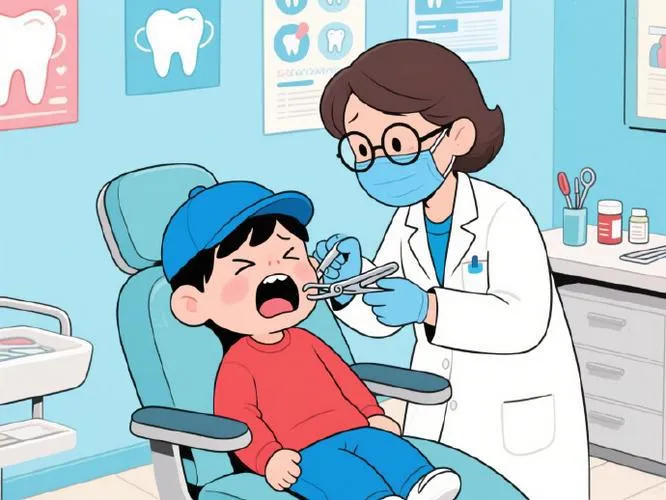
Paediatric dentists (often spelled paediatric in Thailand) have extra training in children’s growth, behaviour, and special needs dentistry. Clinics are designed to be child-friendly, with play corners, cartoons, and smaller instruments so kids feel safe. Many dentists here use the “tell–show–do” approach, explaining and demonstrating each step before doing it. When needed, options like nitrous oxide (“happy gas”) or mild sedation are available in selected hospitals and specialist clinics to help anxious children complete treatment comfortably and safely.
When to start and how often to go
The first dental visit should be by your child’s first birthday or within six months after the first tooth erupts. Early visits are quick and gentle: the dentist checks the gums and milk teeth, shows proper brushing, and gives tips on diet and pacifier or thumb habits. After that, regular check-ups every six months are common, though some children may be advised three- or four-month recalls if they have higher risk of tooth decay. Starting early keeps visits short, helps prevent fear, and saves families time and cost in the long run.
Daily habits that protect young teeth
At home, the basics make the biggest difference. Brush twice a day with a soft, child-sized brush and fluoride toothpaste. For under-threes, use a smear the size of a grain of rice; from three to six years, use a pea-sized amount. Parents should assist or supervise brushing until at least age seven to ensure all tooth surfaces are cleaned.
Diet matters, too. Thai children often enjoy sweet drinks, flavoured milk, bubble tea, sticky desserts, and fried snacks from school canteens and markets. These are fine as treats, but frequent sipping or grazing increases the risk of early childhood caries. Try to keep sweet items with meals, offer plain water (น้ำเปล่า) between meals, and check labels for hidden sugars in drinks and yoghurts. Encourage crunchy fruits and vegetables and dairy for strong enamel. If your child uses a bottle, avoid sending them to sleep with milk or juice. Switching to a cup by one year and limiting night feeds with sugary drinks reduces decay risk.
Proven preventive treatments available in Thai clinics
Paediatric dentists in Thailand commonly provide fluoride varnish to harden enamel and reduce cavities. It’s a quick, safe application that can be done at routine check-ups. Dental sealants are another excellent preventive option: a thin protective coating placed on the chewing surfaces of permanent molars, usually around ages six and 12, to block bacteria from settling into deep grooves. Many public hospitals and school-based programmes collaborate with dental nurses to promote these services, and they are widely available in private clinics as well.
Managing common concerns
Early childhood caries (sometimes called baby bottle tooth decay) is still common in Southeast Asia. White lines or chalky areas on the upper front teeth can be early warning signs. Don’t wait—book a check-up if you notice changes, sensitivity, or bad breath. Paediatric dentists can treat small lesions minimally and coach families on home care.
Othe
r frequent concerns include thumb-sucking, prolonged pacifier use, mouth breathing, and tongue-tie. Most thumb and dummy habits fade by age three to four, but if they persist, your dentist can suggest gentle habit-breaking strategies to protect jaw development. Mouth breathing or heavy snoring may be linked to allergies or enlarged adenoids; your dentist may coordinate with an ENT specialist. Short lingual frenulum (tongue-tie) is assessed case by case; not all require release, and your dentist will guide you based on function and speech.
Growing smiles and orthodontics
As children grow, paediatric dentists watch how jaws and teeth align. If a baby tooth is lost early, a space maintainer might be recommended to keep room for the permanent tooth. Interceptive orthodontics, such as simple expanders or myofunctional appliances, may be used to guide jaw growth and reduce the need for complex braces later. Comprehensive braces usually start in the early teen years, and in Thailand you’ll find options from traditional metal brackets to clear aligners in many specialist centres.
Keeping visits comfortable
Good behaviour management is a hallmark of Thailand pediatric dentistry. Parents are often invited to stay with their child, especially for younger patients. Short appointments, praise, and distraction with videos or music help build positive memory. For children with special healthcare needs, clinics can arrange extra time, desensitisation visits, and coordination with medical teams. Sedation dentistry and hospital-based care are available when extensive treatment is required, with strict safety protocols.
What to do in a dental emergency
Active kids sometimes take a tumble. If a permanent tooth is knocked out, pick it up by the crown (not the root), gently rinse if dirty, and place it back in the socket if possible. If not, keep it moist in milk or in the child’s cheek and see a dentist immediately—time matters. For baby teeth, do not reinsert; still see a dentist to check for hidden injury. For toothache, avoid placing aspirin on the gum; book a quick appointment to find the cause. Many Thai clinics accept walk-ins for urgent care, and larger hospitals provide after-hours services.
Choosing a paediatric dentist in Thailand
Look for a clinic with a warm, child-friendly environment, clear explanations, and infection control you can see. In Thailand, paediatric specialists often list qualifications such as a Master’s or Diploma in Paediatric Dentistry. Check language options if you prefer English; in major cities, many dentists are bilingual. Consider location and accessibility—Bangkok traffic can be heavy, so a clinic near school or home helps keep recall visits consistent.
On costs and coverage, public hospitals and government dental clinics typically provide basic preventive services like check-ups, fluoride application, and fillings at low or no cost for Thai children under national schemes. Private clinics and international hospitals offer flexible appointment times and advanced options; ask for a treatment plan and fee estimate before starting. Some employer or private insurance plans reimburse paediatric dental care—confirm details with your insurer.
Building a lifelong smile
Complete oral health for children is a team effort: daily brushing with fluoride, smart snacking, regular check-ups, and timely preventive care. With Thailand’s strong paediatric dentistry network and a growing focus on child-friendly services, it’s easier than ever to keep little teeth healthy. Start early, keep visits positive, and choose a trusted pediatric dentist in Thailand who partners with your family. The reward is a confident smile that carries your child from the first day of school to adulthood—strong, bright, and ready for every photo and wai.