Thailand Tooth Extraction Treatment for Patients With Dental Anxiety
Thailand Tooth Extraction Treatment for Patients With Dental Anxiety
Thailand Tooth Extraction Treatment for Patients With Dental Anxiety
If the thought of tooth extraction makes your heart beat faster, you are not alone. Dental anxiety is very common, and many patients put off treatment until pain becomes too much. The good news is that in Thailand, tooth extraction can be a calm, sabai-sabai experience with the right dentist and gentle techniques. From Bangkok to Chiang Mai, Phuket to Pattaya, modern clinics are ready to help you feel safe, informed, and comfortable while getting the treatment you need.
Understanding dental anxiety in simple terms
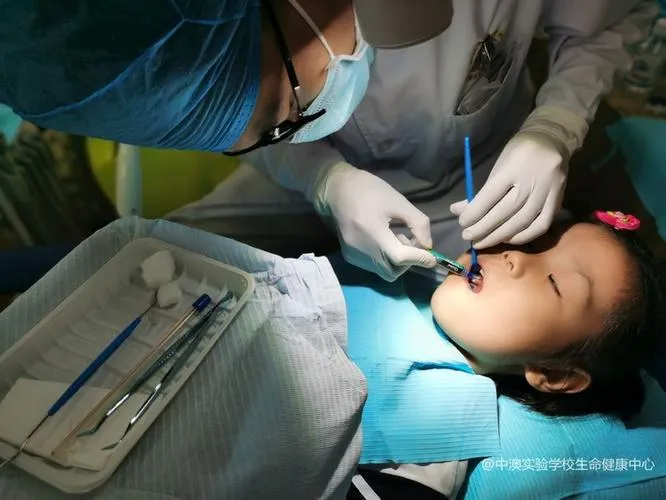
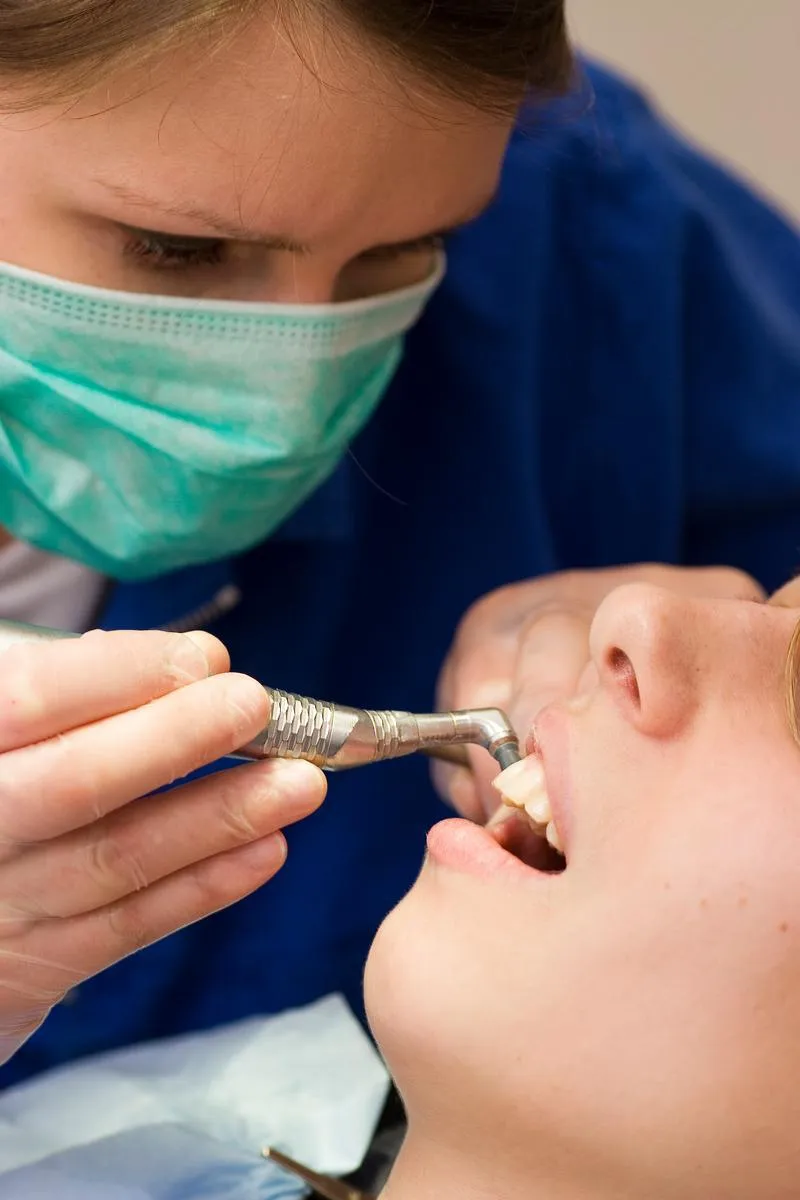
Dental anxiety ranges from mild worry to full-blown dental phobia. Some people fear needles or the sound of instruments, others worry about pain, bleeding, or “something going wrong.” Thai dental teams see anxious patients every day. They are used to slowing down, explaining each step, and offering options that make the visit manageable. You will often be greeted with a warm smile and a wai, and staff will check in often to make sure you feel okay—mai pen rai, no pressure.
Why choose Thailand for tooth extraction
- Gentle approach: Many clinics practice “gentle dentistry,” focusing on empathy, slow pacing, and small steps to build trust.
- Skilled dentists: Thai dentists handle a high volume of extractions, including impacted wisdom teeth, and use up-to-date techniques to reduce trauma.
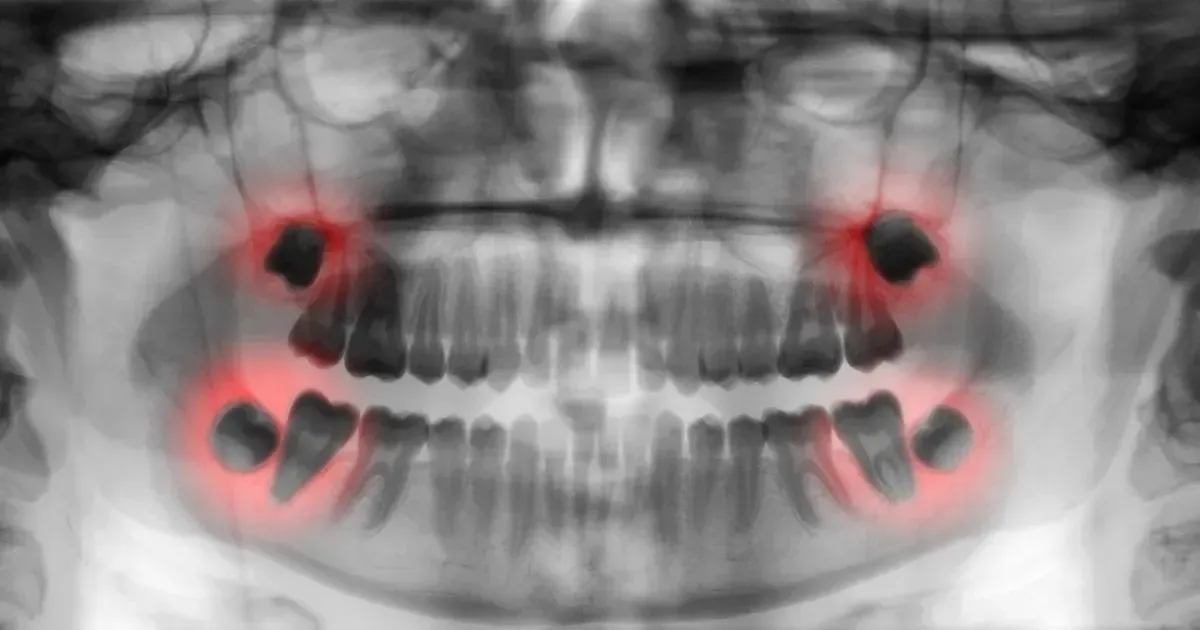
- Modern equipment: Digital X-rays, panoramic imaging, and sometimes 3D CBCT scans help plan the safest, most precise extraction.
- Sedation choices: Options from local anesthesia to IV sedation are widely available, especially in larger cities.
- Affordable care: Even with sedation, costs are typically more budget-friendly than in many Western countries, while maintaining international standards.
- English-friendly service: Many dentists and staff speak English, especially in popular areas like Bangkok, Chiang Mai, and Phuket.
Sedation and pain control options
Talk openly about your anxiety during the consultation. Your dentist can tailor a plan that suits your comfort level.
- Numbing gel and local anesthesia: A topical gel before the injection reduces the pinch, and local anesthetic keeps the tooth and surrounding area numb.
- Nitrous oxide (laughing gas): Helps you feel relaxed and less aware of the procedure, with quick recovery after.
- Oral sedation: A small tablet taken before treatment to take the edge off; you will need someone to accompany you.
- IV sedation: For severe anxiety or complex extractions, an anesthetic professional may provide IV sedation so you remain deeply relaxed.
Step-by-step: what to expect with a gentle extraction
1) Consultation and imaging: The dentist checks your teeth, gums, and bite, and orders X-rays to see the tooth roots and nerves. For wisdom teeth, a panoramic or CBCT scan is common.
2) Clear explanation: You’ll get a simple breakdown of the plan—how long it takes, what you might feel (pressure, not pain), and what to do after. You can agree on a hand signal to pause anytime.
3) Comfort setup: Many clinics provide neck pillows, blankets, soft music, and even stress balls. Noise-cancelling headphones are fine to bring along.
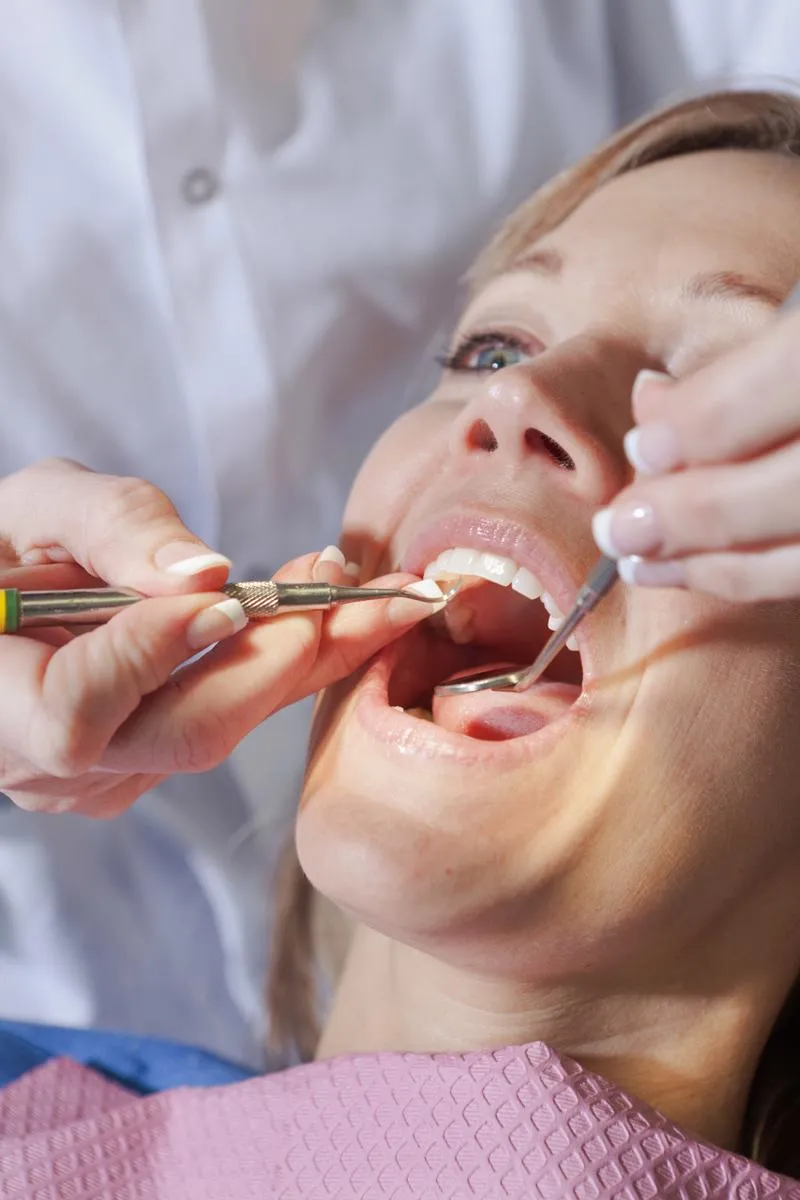
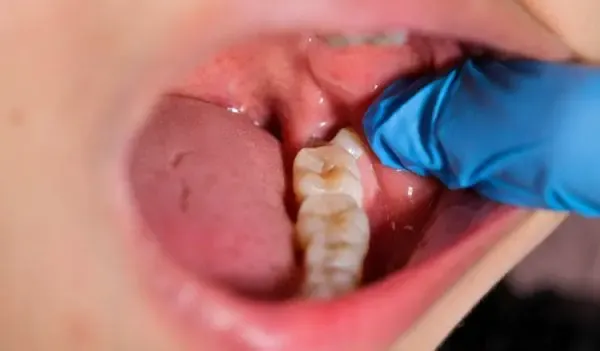
4) Numbing and extraction: Once you are fully numb, the dentist gently loosens the tooth and removes it. For surgical or impacted teeth, a small incision and a few stitches may be needed.
5) Immediate care: You bite on gauze to stop bleeding. The team will guide you on ice packs, medicine, and when to eat and
drink.
Aftercare tips to heal faster and worry less
- Keep the gauze in place for the time advised, then change as needed.
- Apply an ice pack on-and-off for the first 24 hours to reduce swelling.
- Take pain relief and antibiotics exactly as prescribed.
- Skip rinsing for the first 24 hours. From the next day, rinse gently with warm salt water.
- Avoid smoking, alcohol, and sucking through a straw—this helps prevent dry socket.
- Choose soft foods for two to three days. Thai favorites like jok (rice porridge), soft-boiled eggs, banana, tofu, or mild soups are good. For spicy Thai food lovers, try “mai phet” (not spicy) until you’re healed.
- Keep the area clean with gentle brushing around the site.
- Return for stitch removal or follow-up as scheduled.
Planning for travelers and expats
- Timing: If you are flying, allow at least 24–48 hours after a simple extraction (longer for surgical) to rest and monitor swelling.
- Insurance: Check coverage for dental emergencies or planned wisdom tooth removal.
- Documents: Ask for X-rays, a treatment summary, and receipts for your records.
- Activities: If you plan diving or trekking in Phuket or the islands, schedule extraction a few days before intense activities to let the body recover.
Costs and what affects the price
Fees vary by city, clinic reputation, and case complexity (simple vs. surgical). Sedation adds to the cost, especially IV sedation. Wisdom tooth extraction is usually more than a single-rooted tooth. Even so, many patients find Thailand’s prices competitive while still receiving high-standard care. Ask for a written estimate covering consultation, imaging, extraction, sedation (if any), medicines, and follow-up.
How to choose the right clinic
- Qualifications: Look for dentists licensed by the Dental Council of Thailand; oral surgeons handle complex cases.
- Experience: Ask how often they manage anxious patients and wisdom teeth.
- Sedation support: Confirm what sedation options are available and who administers them.
- Sterilization: Enquire about infection control and sterilization protocols.
- Communication: Choose a team that explains clearly and answers questions patiently.
- Reviews: Read recent testimonials and check before-and-after cases when available.
- Convenience: Consider locations near BTS/MRT in Bangkok or central clinics in Chiang Mai/Phuket for easy transport.
Simple ways to manage anxiety on the day
- Bring a supportive friend or family member.
- Use guided breathing: in for 4, hold 4, out for 6—repeat.
- Listen to calming music (Thai spa or luk thung playlists).
- Ask for breaks as needed—your signal means pause, no rush.
- Remind yourself: pressure is normal, pain is not. Speak up if anything feels off.
Common questions
Is tooth extraction painful? With proper anesthesia and, if needed, sedation, most patients feel only pressure. Your dentist will top up the anesthetic if you feel discomfort.
How long to heal? Simple extractions often feel much better in 2–3 days and heal over 1–2 weeks. Surgical cases may need a bit longer.
Can I eat normally? Start with soft foods and plenty of water. Gradually return to your usual Thai favorites as tenderness improves.
In Thailand, the spirit is to keep things relaxed—mai pen rai. With skilled hands, friendly faces, and thoughtful sedation options, tooth extraction does not have to be scary. Choose a gentle dentist, share your concerns openly, and let the team guide you to a safe, comfortable, and confident smile.