Thailand Tooth Extraction Procedures With Comfortable Recovery Experience
Thailand Tooth Extraction Procedures With Comfortable Recovery Experience
Thailand Tooth Extraction Procedures With Comfortable Recovery Experience
Thinking about having a tooth pulled in Thailand? Whether you live in Bangkok or you’re flying in for dental care while enjoying the Land of Smiles, you can expect professional standards, friendly staff, and a “sabai sabai” approach that keeps stress low. Here’s a clear, no-nonsense guide to tooth extraction procedures in Thailand and how to enjoy a comfortable recovery.
Why Thailand for tooth extraction
- Skilled dentists: Most dentists are trained to international standards and registered with the Dental Council of Thailand. Many speak good English, especially in Bangkok, Chiang Mai, Phuket, and Pattaya.
- Modern clinics: From private city clinics to hospital dental centers, you’ll find digital X‑rays, sterilization protocols, and transparent pricing.
- Reasonable costs: Simple extractions generally cost less than in many Western countries, with clear packages for wisdom teeth removal.
Typical costs (approximate, per tooth, 2024)
- Simple extraction (no cutting): THB 800–2,500 at public hospitals; THB 1,500–4,000 at private clinics.
- Surgical/wisdom tooth extraction: THB 3,500–12,000 depending on complexity.
- Sedation (if needed): Nitrous oxide or IV sedation typically adds THB 8,000–20,000 in hospital settings.
Prices vary by city and clinic. Many places accept cash, card, and QR PromptPay.
How the tooth extraction process works in Thailand
1) Booking and arrival
- You can call, Line, or message the clinic on Facebook. Walk-ins are possible, but for wisdom teeth it’s better to book.
- Bring your passport or Thai ID, your medication list, and any previous dental records if you have them.
2) Consultation and X‑ray
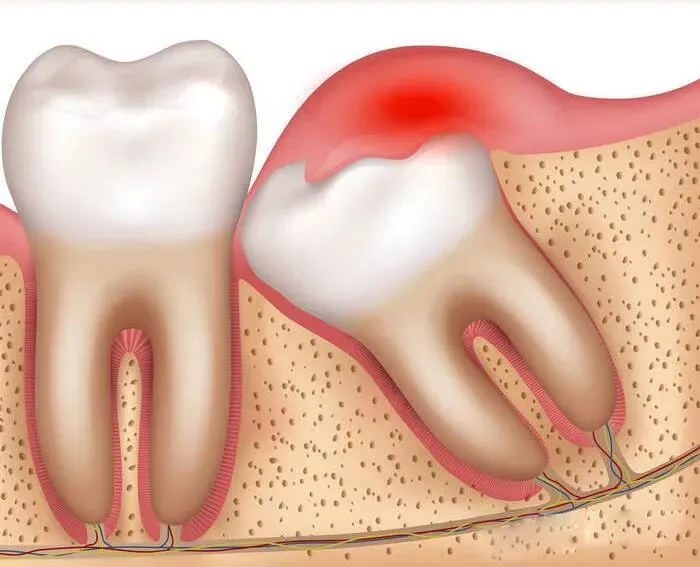
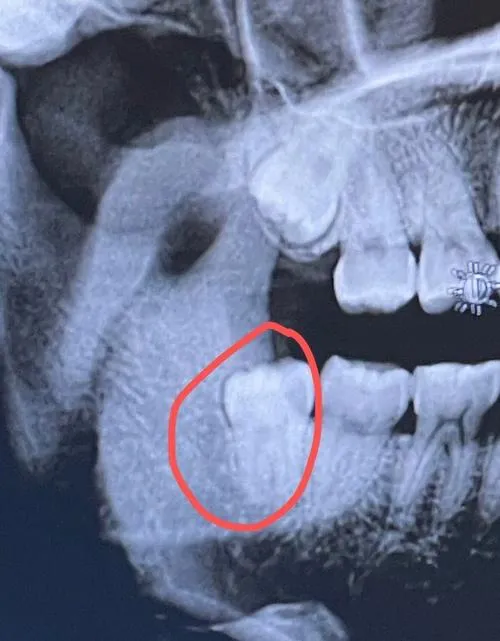
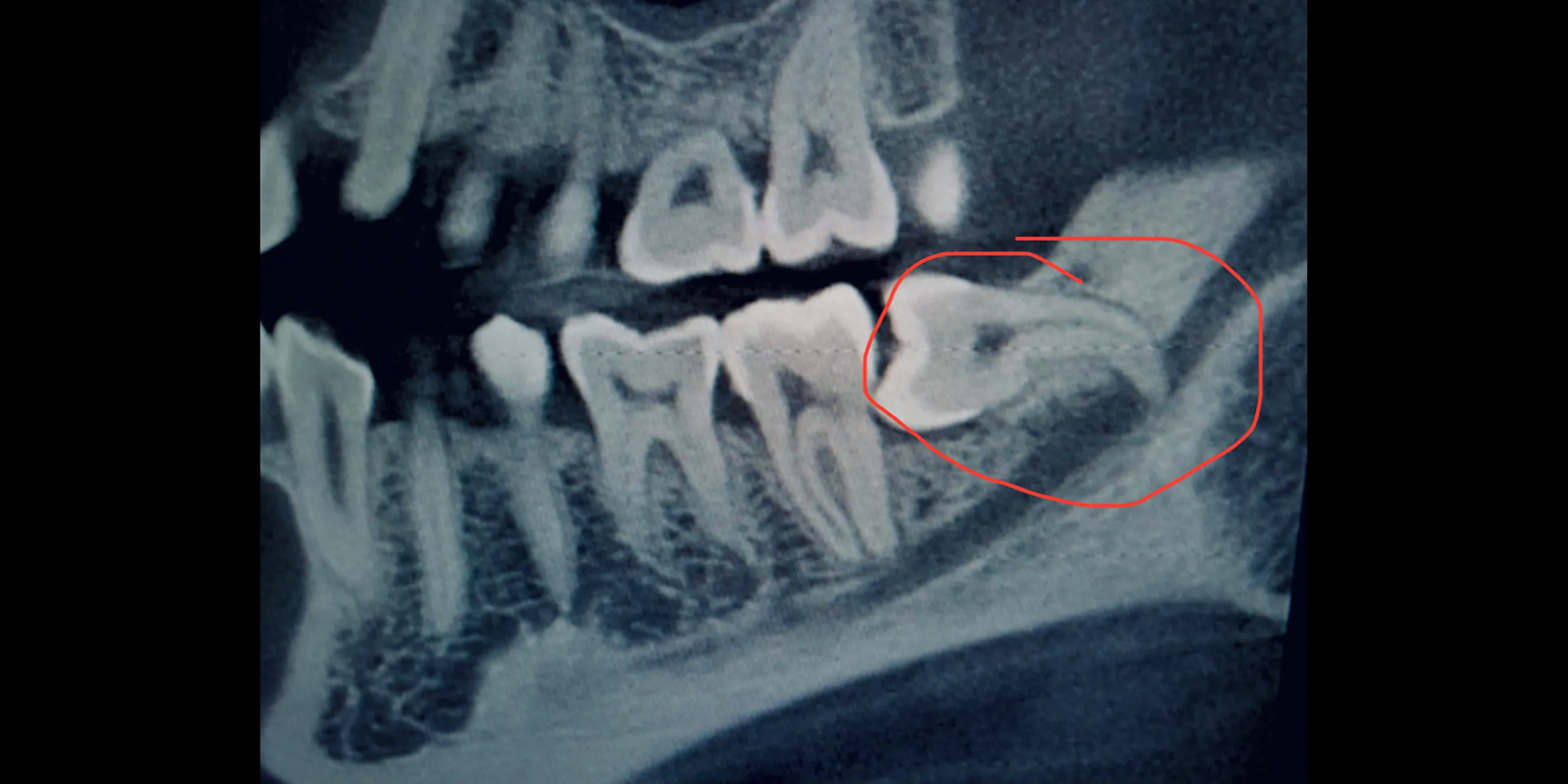
- The dentist will review your symptoms, take a panoramic or periapical X‑ray, and explain the options: simple extraction vs. surgical removal.
- You’ll get a breakdown of costs, what to expect, and how long it will take. Consent forms are standard.
3) Anaesthesia and pain control
- Local anaesthetic (numbing injection) is the default. You’ll feel pressure but no sharp pain.
- For anxious patients, some clinics offer oral sedatives or nitrous oxide; hospitals can provide IV sedation. If sedation is planned, fasting for 6 hours and a chaperone are usually required.
4) The extraction
- Simple extraction: The tooth is loosened and lifted out. This usually takes 10–20 minutes.
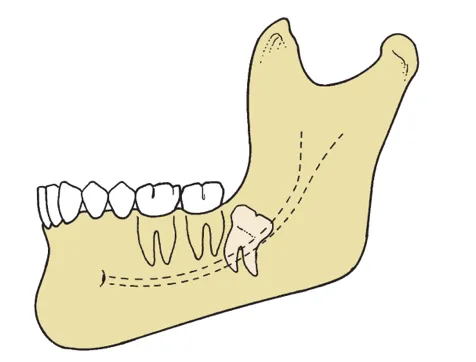
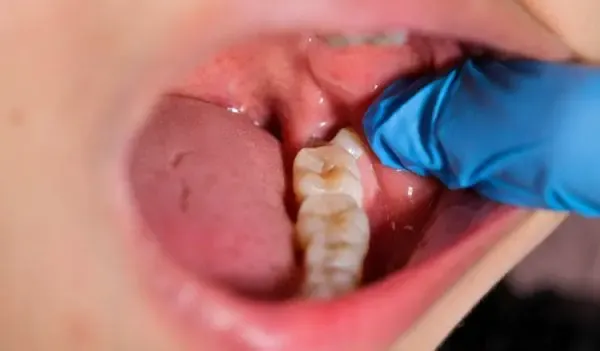
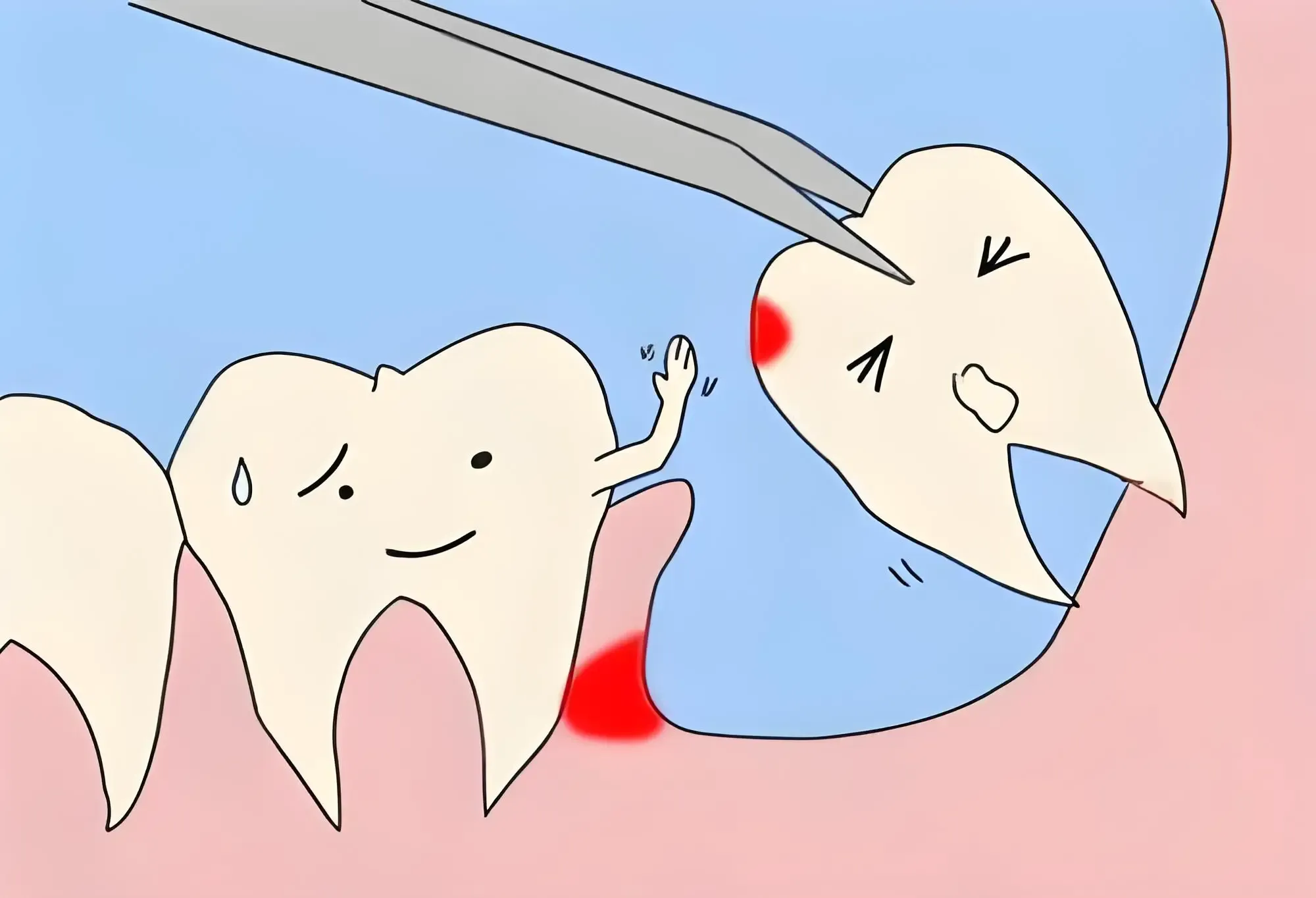
- Surgical/wisdom extraction: A small incision and bone trimming may be needed. Dissolving stitches are commonly placed. Expect 30–60 minutes per tooth for complex cases.
5) Aftercare at the clinic
- You’ll bite on gauze for 30–60 minutes to stop bleeding. The dentist will give written instructions, a follow-up appointment if needed, and a prescription.
- Most clinics dispense meds on-site—very convenient.
Medication and aftercare you can expect
- Pain relief: Ibuprofen or paracetamol is commonly prescribed. If you have stomach issues or allergies, inform the dentist (say “I’m allergic to…” so the team can adjust).
- Antibiotics: Only if there’s infection or a surgical extraction with higher risk. Thailand follows prudent use guidelines.
- Mouth rinse: Chlorhexidine may be given from day 2 onwards. Avoid vigorous rinsing on day 1.
Comfortable recovery tips (sabai sabai at home)
- Control bleeding: Bite on the gauze for the first hour. A small ooze is normal for 24 hours. Keep your head elevated.
- Reduce swelling: Use an ice pack (or a cold compress wrapp
ed in a cloth) 15 minutes on, 15 minutes off for the first 6–8 hours.
- Eat soft, cool foods: Think Thai comfort foods—jok (rice porridge), khao tom (rice soup), yogurt, soft bananas, tofu, scrambled eggs. Avoid hot, spicy, or sticky foods for 48–72 hours.
- No straw, no smoking: Suction and smoke can dislodge the blood clot and cause dry socket. Try to wait at least 72 hours before resuming, longer for surgical removals.
- Gentle cleaning: Don’t brush the socket on day 1. From day 2, rinse lightly with warm salt water after meals. Keep the rest of your teeth clean to speed healing.
- Sleep elevated: Two pillows help keep swelling down and make you feel more “sabai.”
- Take it easy: “Mai pen rai” to your schedule—avoid heavy exercise, Muay Thai training, sauna, or diving for a few days. For wisdom tooth surgery, plan a quieter week.
Typical healing timeline
- First 24 hours: Numbness wears off, mild to moderate soreness. Swelling can begin.
- 48–72 hours: Peak swelling; bruising may appear. Pain usually manageable with meds.
- Days 4–7: Swelling subsides; stitches may dissolve. Soft foods are still best.
- 2 weeks: Most tissues have healed well. Full bone healing takes longer, but you’ll feel almost normal.
When to call the clinic
- Bleeding that soaks gauze continuously beyond 4 hours.
- Severe pain worsening after day 2, foul taste, or bad breath—possible dry socket.
- Fever above 38.5°C, pus, or increasing facial swelling.
- Persistent numbness of the lip, chin, or tongue after 24 hours.
Choosing the right clinic in Thailand
- Check credentials: Look for dentists registered with the Dental Council of Thailand (often displayed at reception).
- Read recent reviews: English-language reviews on Google Maps can be helpful.
- Ask about imaging and sedation options if you’re nervous.
- Location matters: If you’re in Bangkok, clinics near BTS/MRT make travel easy after treatment. In tourist areas, hospital dental centers are good for complex extractions.
For expats and travelers
- Timing with flights: Avoid flying immediately after extraction. For simple tooth removal, wait at least 24–48 hours; for surgical wisdom teeth, 3–5 days is more comfortable.
- Insurance: Travel insurance sometimes covers emergency dental due to pain or trauma—check your policy’s limits.
- Language: Receptionists and dentists in major cities typically speak English. If you hear “sabai dee mai?” it’s a friendly “How are you?” A polite “khob khun ka/krub” (thank you) is always appreciated.
- Payment: Most clinics accept Visa/Mastercard and PromptPay. Get an itemized receipt if you plan to claim insurance.
Small details that make a big difference
- Eat before local anaesthetic so you’re not light-headed, but if you’re scheduled for IV sedation, follow fasting instructions strictly.
- Wear comfortable clothes and bring lip balm; your mouth may feel dry after keeping it open.
- Tell the team about any heart conditions, blood thinners, or herbal supplements like ginkgo/garlic that may affect bleeding.
Final takeaway
Tooth extraction in Thailand is straightforward, efficient, and patient-centered. With clear communication, modern techniques, and a few “sabai sabai” recovery habits—cool compresses, soft Thai comfort foods, and plenty of rest—you can manage pain well and heal smoothly. Choose a reputable clinic, follow the dentist’s instructions, and give yourself a relaxed schedule. Your mouth will thank you, and you’ll be back to smiling in no time.