Thailand Tooth Extraction Care for Overseas Visitors Seeking Quality

Thailand Tooth Extraction Care for Overseas Visitors Seeking Quality
Thailand Tooth Extraction Care for Overseas Visitors Seeking Quality
If you are planning a tooth extraction in Thailand, you are not alone. Many overseas visitors and expats choose Thai dental clinics for quality treatment, friendly service, and fair pricing. With English-speaking dentists, modern equipment, and convenient locations near BTS and MRT stations, getting a tooth removed in Bangkok, Chiang Mai, Phuket, or Pattaya can be smooth and stress-free. This guide covers what to expect, how to prepare, and how to care for your mouth after extraction so you recover well and enjoy your trip.
Why Thailand for tooth extraction
- Quality and safety: Reputable clinics follow strict sterilization protocols, using autoclaves, single-use disposables, and digital X-rays. Many dentists train internationally. Some larger dental hospitals hold ISO or JCI-level standards.
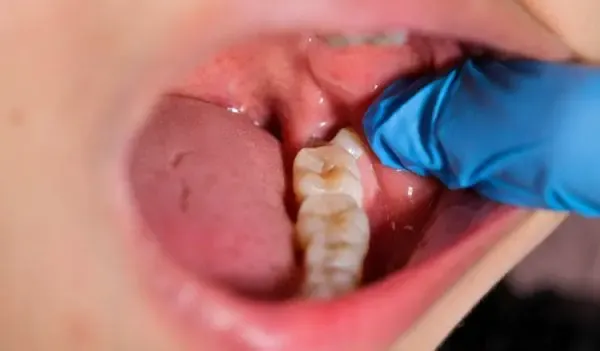
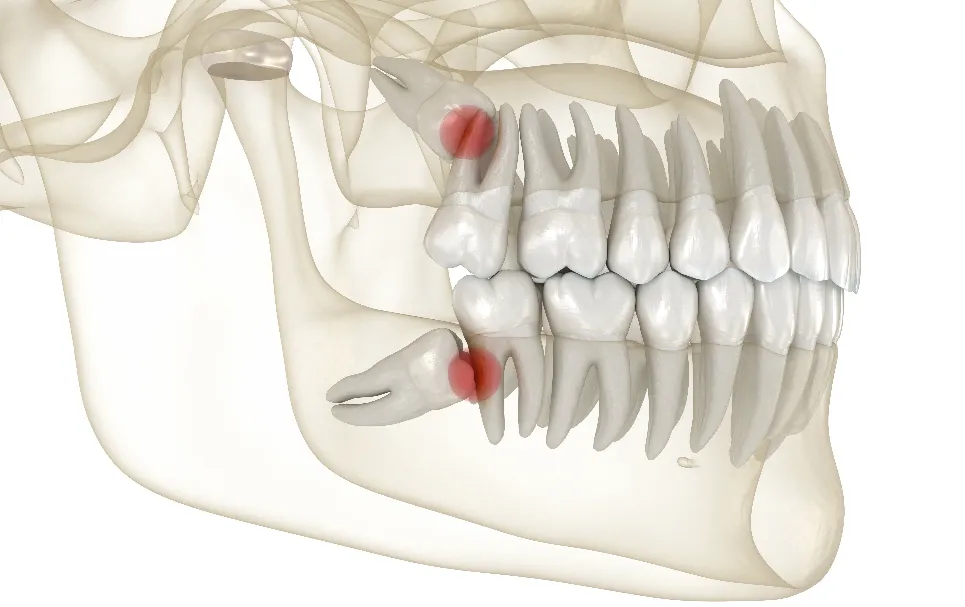
- Clear communication: Most clinics serving foreigners have English-speaking staff, and doctors explain options clearly—simple extraction vs. surgical removal for wisdom teeth—before treatment.
- Fair pricing: As a general guide, simple extractions often start from 1,500–3,000 baht, and surgical or impacted wisdom teeth can be 5,000–12,000 baht depending on complexity. Always request a treatment plan and full quote before you proceed.
- Convenience and service mind: Clinics are often located near BTS or MRT, open daily or late evenings, and staff are known for a service mind—polite, gentle, and ready to help. Walk-in patients are welcome in many places, but appointment is better to avoid waiting.
Before you book
- Check credentials and reviews: Look for a licensed dentist with experience in oral surgery if wisdom teeth are involved. Read recent reviews for comments on pain control, cleanliness, and follow-up care.
- Share your history: Inform the clinic about allergies, medications (especially blood thinners), and medical conditions. Bring any X-rays if you have them; otherwise the clinic can take periapical or panoramic X-rays on site.
- Ask about anesthesia and sedation: Most extractions are done with local anesthesia. Some clinics offer IV sedation for anxious patients—there may be an extra fee and you will need a friend to accompany you.
- Clarify timing: If you fly in for dental care, set aside enough days for swelling to settle and for a follow-up visit if stitches are used. For a simple extraction, plan 2–3 days in the same city. For impacted wisdom teeth, 5–7 days is more comfortable.
On the day of extraction
- Arrive a little early for registration and consent. Bring your passport, insurance details (if any), and a form of payment—most clinics accept cash, credit card, and QR PromptPay.
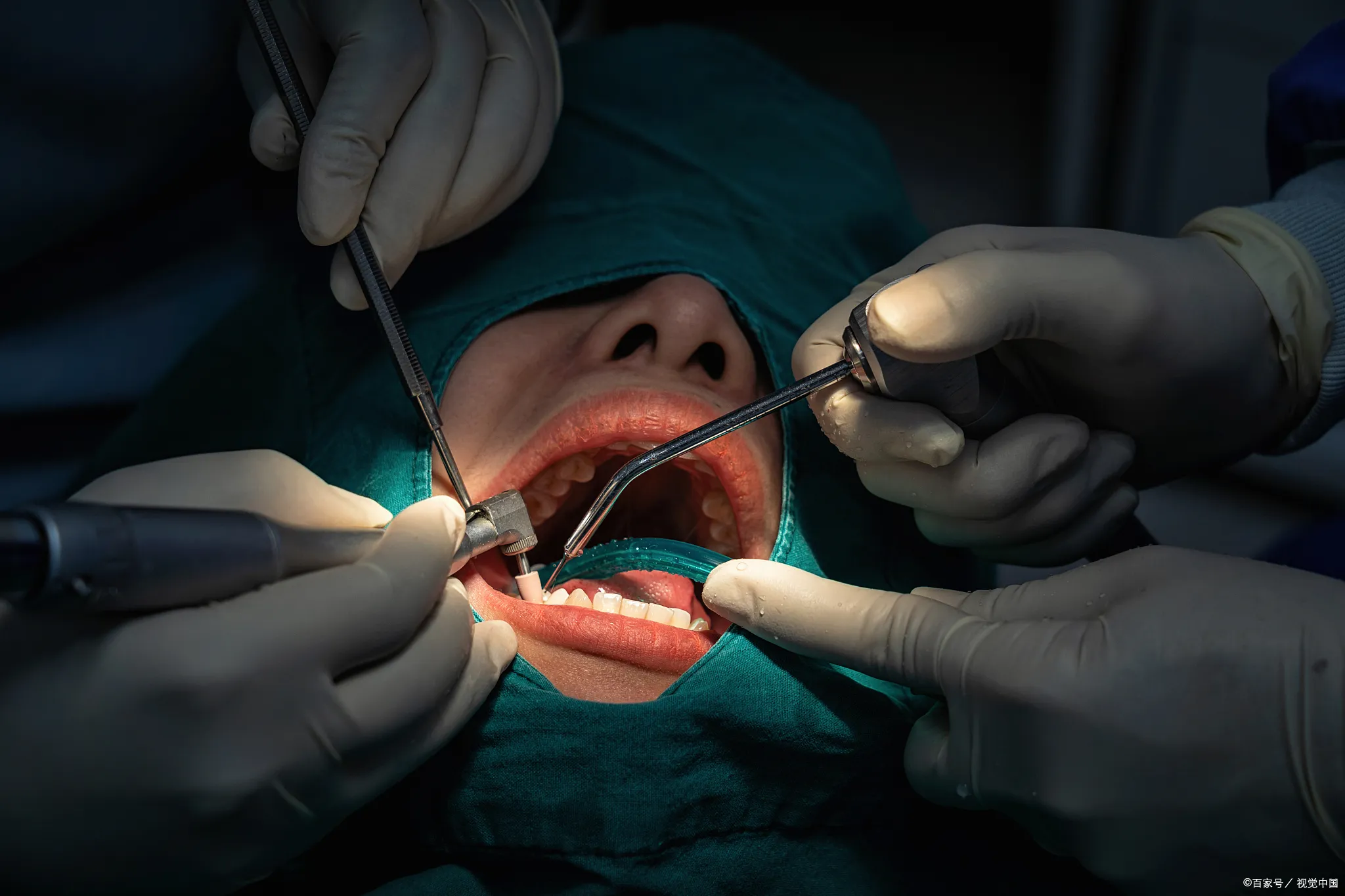
- The dentist will review your X-ray, explain the procedure, and numb the area well. Thai dentists are generally gentle and will check if you feel any pain before proceeding. If you are nervous, just let the doctor know.
- After removal, gauze will be placed for you to bite to help clotting. For surgical cases, stitches may be used—often dissolvable.
Post-extraction care you can follow easily
The first 24 hours are important for good healing and prevention of dry socket. Kindly follow the clinic’s advice and these common-sense tips:
- Pressure and rest: Bite on the gauze for 30–60 minutes as instructed. Change to a fresh gauze if still oozing. Keep your head elevated when resting. Take it easy—no heavy exercise, Muay Thai, or sauna on the day.
- No spitting, no straw, no smoking: Avoid negative pressure in the mouth that can dislodge the blood clot. S
kip straws, vigorous rinsing, and smoking for at least 48–72 hours.
- Ice the area: Apply an ice pack wrapped in a cloth to the cheek for 10 minutes on, 10 minutes off during the first few hours to reduce swelling.
- Pain control: Paracetamol (acetaminophen) or ibuprofen often works well. Avoid aspirin as it may increase bleeding. Only take antibiotics if your dentist prescribed them—finish the course as advised.
- Food and drink: Start with soft, cool foods. Thai-friendly options include jok (rice porridge), khao tom (soft rice soup), tofu, yoghurt, ripe banana, and steamed egg. Avoid sticky rice (khao niao), crunchy snacks, overly spicy soups, and very hot foods for a few days.
- Oral hygiene: Do not rinse for the first 24 hours. After that, gently rinse with warm salt water after meals. Brush as usual but be careful near the extraction site. Keep the area clean—doctor will advise if you have stitches.
Normal vs. not normal
- It is normal to have mild bleeding on day one, swelling for 2–3 days, and some stiffness when opening your mouth.
- Not normal and needs attention: pain that gets stronger on day 3–5 (possible dry socket), persistent heavy bleeding, foul taste or smell, fever, or swelling spreading to the eye or neck. In such cases, contact your clinic immediately. For urgent help in Thailand, dial 1669 for medical emergency services.
Travel planning tips for overseas visitors
- Flight timing: You can usually fly after a simple extraction within 24 hours, but it is more comfortable to wait 48 hours. For surgical wisdom tooth removal, consider waiting 3–5 days before a flight to allow swelling to settle.
- Activities: Avoid diving, contact sports, and alcohol for a few days. Sun, heat, and long massages may increase bleeding and swelling—take it easy.
- Follow-up: If you have stitches or a complex case, keep one follow-up day before you leave Thailand. Many clinics can also follow up via Line or email if you have questions later.
Payments, receipts, and insurance
- Most clinics issue a detailed receipt and tax invoice suitable for insurance claims. If you need a medical report, let the staff know in advance.
- Travel insurance may or may not cover dental extractions, so kindly check your policy. Some expat health plans cover dental emergencies.
- Communication is easy: many clinics use Line for quick messages and appointment changes. You can share a photo if you are unsure about a symptom—no worry, staff are used to helping travelers.
How to choose the right clinic quickly
- Location near BTS/MRT for easy access.
- Clear price list with “starts from” rates and proper consultation.
- Digital X-ray, sterilization explained, and clean treatment rooms.
- English-speaking staff with good service mind.
- Real reviews mentioning gentle injections, low pain, and good aftercare.
A small note on expectations
Every mouth is different. Some extractions are straightforward and done in a few minutes; impacted wisdom teeth may need surgical removal and more downtime. What stands out in Thailand is the focus on patient comfort—numbing done carefully, clear instructions, and a friendly “mai pen rai” attitude that still prioritizes safety and evidence-based care.
With the right planning, tooth extraction in Thailand can be same same but better: quality treatment, reasonable fees, and recovery steps that are simple to follow while you enjoy your stay. Kindly make your appointment ahead, take medicine on time as advised, and give yourself a couple of easy days. Your smile—and your travel schedule—will thank you.