Thailand Tooth Extraction Clinics Offering Trusted Medical Expertise
Thailand Tooth Extraction Clinics Offering Trusted Medical Expertise
Thailand Tooth Extraction Clinics Offering Trusted Medical Expertise
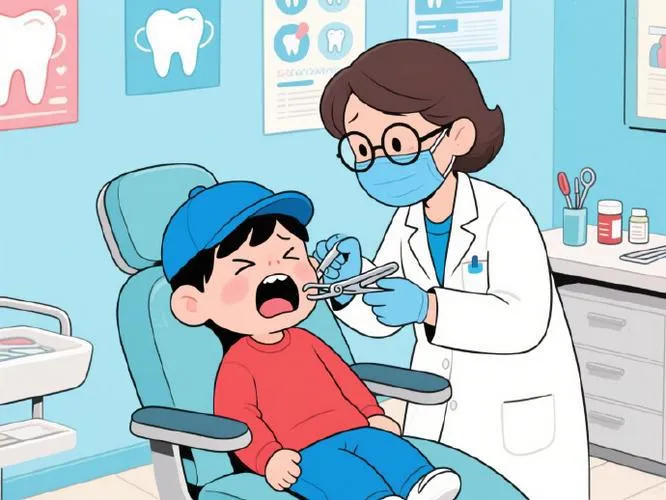
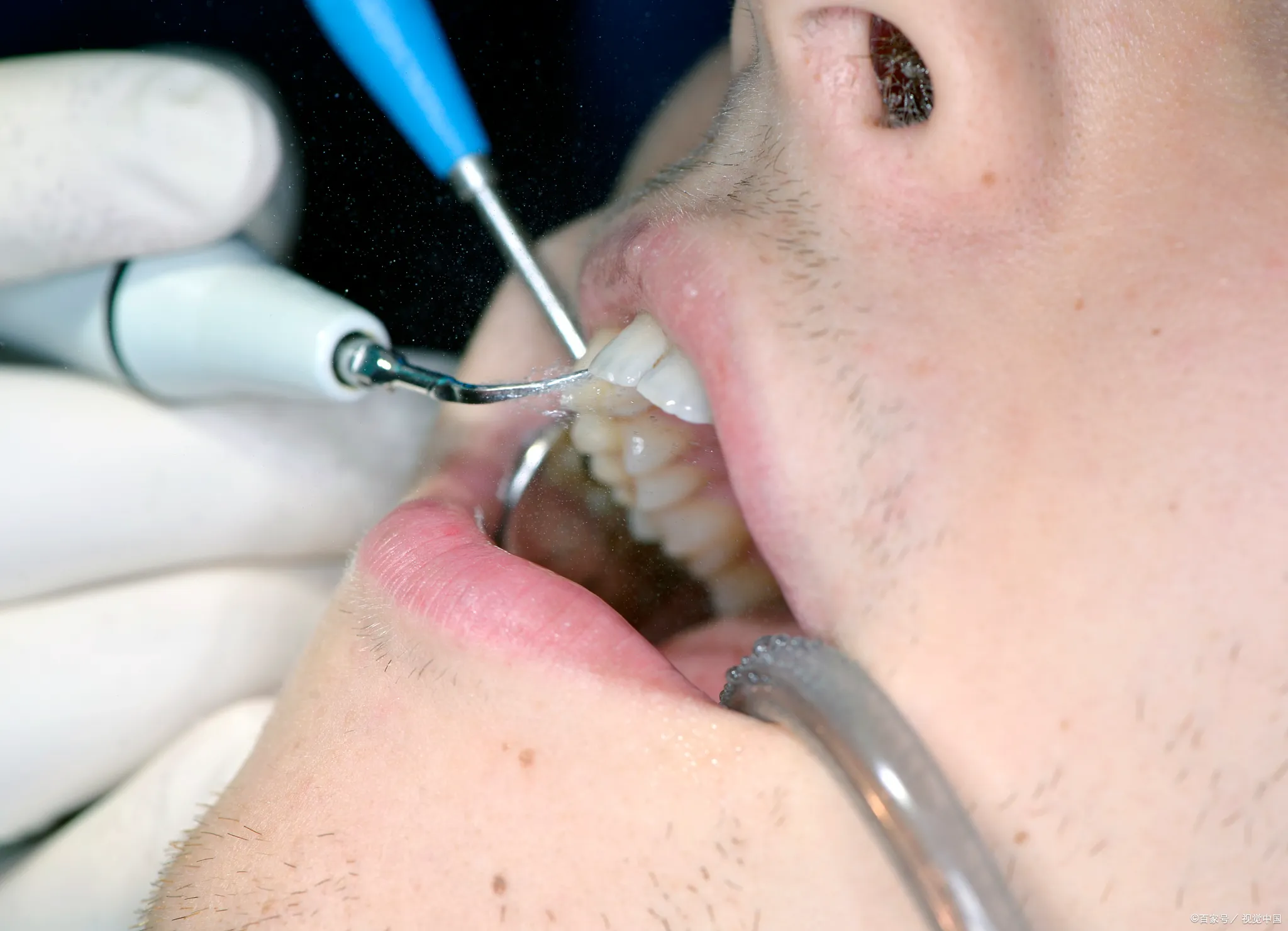
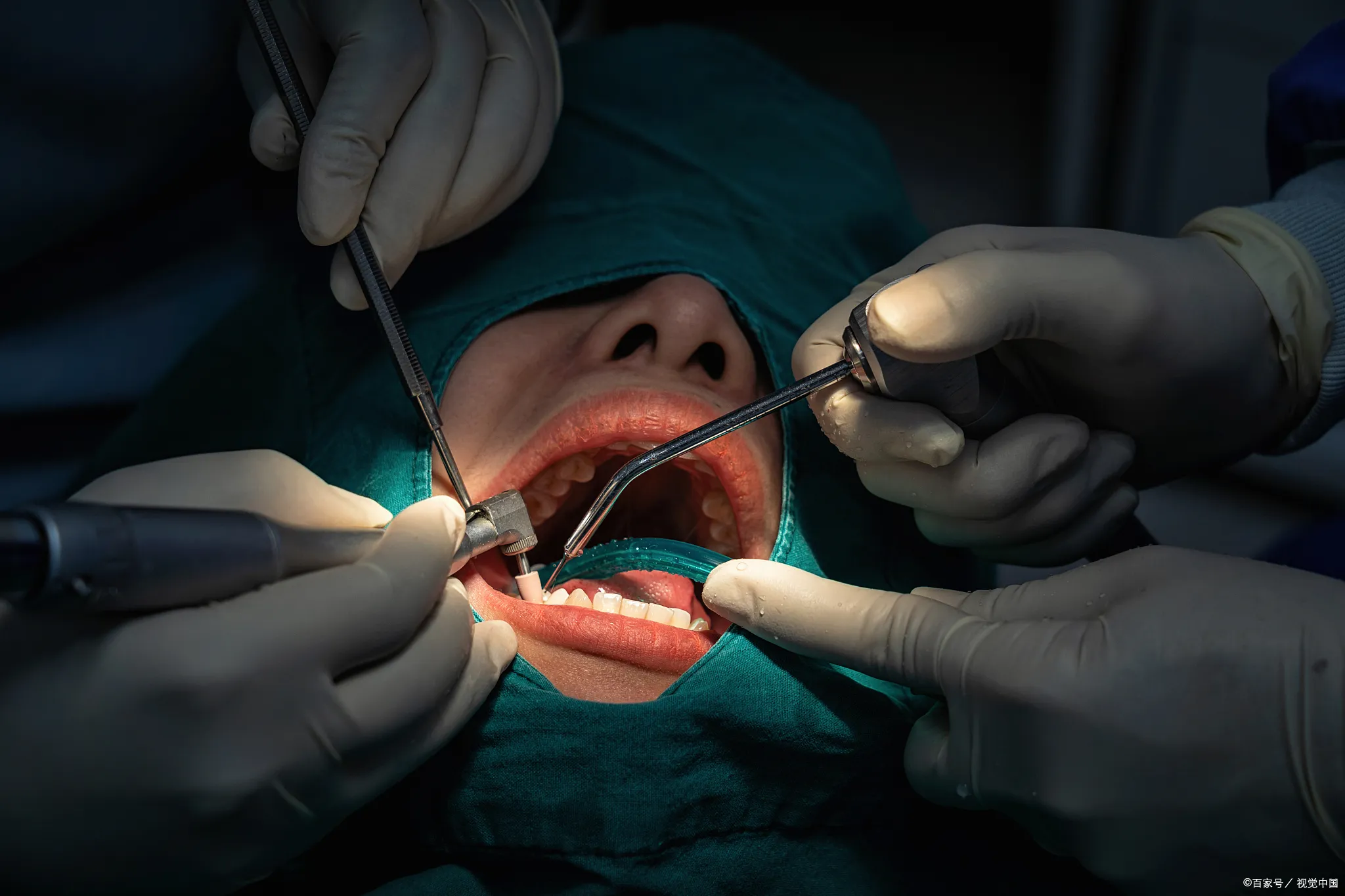
If you are planning a tooth extraction in Thailand, you will find that clinics here combine friendly, sabai sabai service with serious medical standards. Whether you live in Bangkok or you are flying in for treatment, Thailand’s dental scene is known for modern equipment, clear communication, and fair, up-front pricing. From simple extractions to complex wisdom tooth surgery, you can expect trusted medical expertise delivered with genuine Thai care.
Why Thailand is a reliable choice for extractions
- Qualified specialists: Many dentists are trained locally and abroad, and oral and maxillofacial surgeons handle complex cases like impacted wisdom teeth. They hold licenses from the Dental Council of Thailand and often have additional certifications.
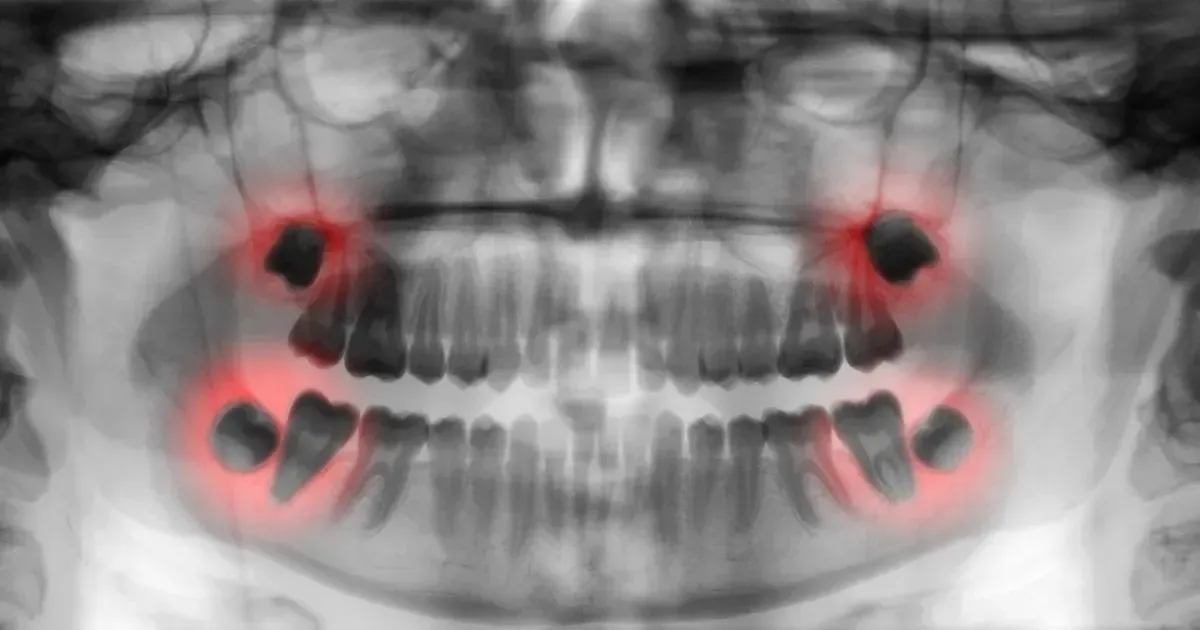
- Modern equipment: Clinics commonly use digital X-rays, panoramic OPG, and CBCT 3D scans to plan safe, precise procedures. Sterilisation protocols follow international standards with autoclaves and strict PPE procedures.
- Clear communication: English-speaking teams are common in major cities, and you can usually chat via Line for quick questions, appointment reminders, or to send X-rays. Some clinics also have Chinese, Arabic, or Russian speakers.
- Convenient access: You will find dental clinics near BTS and MRT stations in Bangkok, and in key areas of Chiang Mai, Phuket, Pattaya, and Khon Kaen. Many open evenings and weekends. Walk-in is often okay, but booking your queue is better.
- Sensible pricing: Compared with many countries, the cost is competitive while still maintaining quality. Price lists are usually posted on websites or displayed at reception, and clinics highlight promotions clearly.
Where to go: clinic or dental hospital?
- Private dental clinics: Great for routine and simple extractions, and many can handle surgical wisdom teeth with on-site oral surgeons. They tend to be quick, efficient, and have a comfortable, air-con environment.
- Dental hospitals or hospital dental centres: Best for complex cases requiring sedation or operating theatre support, especially if you have medical conditions or need an anaesthesiologist. These facilities may offer direct billing with some international insurers.
What to expect during a tooth extraction in Thailand
1) Consultation and examination: The dentist will discuss your symptoms and medical history. You will have X-rays to check roots, nerves, and sinus proximity. For tricky wisdom teeth, a CBCT scan may be recommended.
2) Treatment plan and cost confirmation: You will receive options such as simple extraction versus surgical extraction, including expected healing time and any sedation choices. You will see the final fee estimate before you proceed, often quoted in Thai Baht plus VAT if applicable.
3) Pain control: Local anaesthetic is standard. For patients who are anxious, some clinics offer oral sedation or IV sedation with an anaesthesiologist. Nitrous oxide is available in select practices.
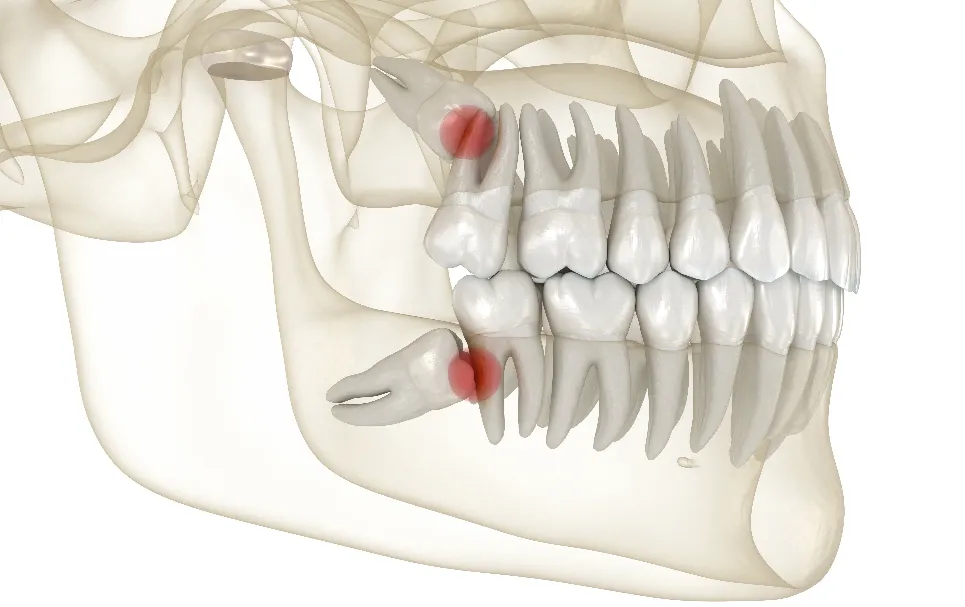
4) The procedure: Simple extractions are usually quick. Surgical extractions for impacted wisdom teeth may involve making a small flap and removing bone around the tooth. Stitches may be dissolvable or require removal in 5–7 days.
5) Medication and aftercare: You will normally receive pain relief, anti-inflammatory medication, and sometimes antibiotics, with clear instructions. Staff will explain what to do at home and arrange a follow-up i
f needed.
Typical costs to guide your budget
- Consultation and X-ray: Simple X-ray 200–800 THB; panoramic OPG 700–1,500 THB; CBCT 3,000–5,500 THB.
- Simple extraction: Often 800–2,500 THB depending on tooth and clinic.
- Surgical extraction (including wisdom teeth): Typically 3,000–8,000 THB for straightforward cases; complex impactions may be higher, especially at hospital centres.
- Sedation fees (if required): Add-on charges vary widely; IV sedation may start around 10,000–20,000 THB with an anaesthesiologist.
Prices can differ by city and clinic type. Always confirm if prices include medication, follow-up, and VAT. Promotions may reduce costs, and you will receive an official receipt for insurance claims.
How to choose a trusted clinic
- Check credentials: Look for dentists registered with the Dental Council of Thailand and, for complex surgery, board-certified oral and maxillofacial surgeons.
- Ask about imaging: Clinics using digital panoramic X-rays or CBCT can plan surgery more safely for impacted teeth.
- Consider sedation options: If you are nervous, ask whether they offer oral or IV sedation and who supervises it.
- Review sterilisation standards: Autoclave use, disposable instruments where appropriate, and clear infection control protocols should be visible.
- Language and service mind: Easy communication matters. Clinics with English-speaking staff and a responsive Line account make everything smoother.
- Location and logistics: Near BTS/MRT is convenient. Check parking, clinic hours, and whether Sunday service is available for follow-up.
Aftercare tips with a Thai touch
- Keep pressure: Bite on the gauze for 30–60 minutes to control bleeding. Minor oozing is normal for a few hours.
- Cold first, then warm: Use an ice pack on and off for the first 24 hours to reduce swelling. Warm saltwater rinses start the next day.
- Food choices: Go for soft options like jok (rice porridge), bananas, smoothies without a straw, yogurt, and soft-boiled eggs. Avoid spicy, very hot, or crunchy foods for a few days, and skip sticky rice on the extraction side.
- No straw, no smoking: Avoid straws and smoking for at least 48–72 hours to reduce the risk of dry socket.
- Clean gently: Brush the rest of your teeth as normal, but be gentle near the wound. If you have stitches, follow your doctor’s advice about cleaning and removal timing.
- Follow-up: If you have pain that gets worse after two days, persistent bleeding, fever, or a bad taste that does not improve, contact the clinic immediately. Most clinics will take care and ask you to come back for a quick check.
Practical notes for expats and visitors
- Booking: Many clinics let you secure your queue via Line or phone. You can scan a QR code at reception for forms and payment links.
- Documents: Bring your passport or Thai ID, plus any medical list if you have conditions like diabetes or are on blood thinners.
- Payment: Cash and major cards are widely accepted. Some clinics accept bank transfer or QR PromptPay. Ask about VAT and e-receipts.
- Insurance: Private hospitals may offer direct billing. Independent clinics usually provide receipts so you can claim later.
A tooth extraction does not have to be stressful. In Thailand, you will find skilled doctors, attentive nurses, and a service culture focused on comfort and safety. With proper planning, clear questions, and good aftercare, your visit can be smooth, efficient, and surprisingly easy—mai pen rai.