Thailand Tooth Extraction Treatment for Impacted Tooth Removal
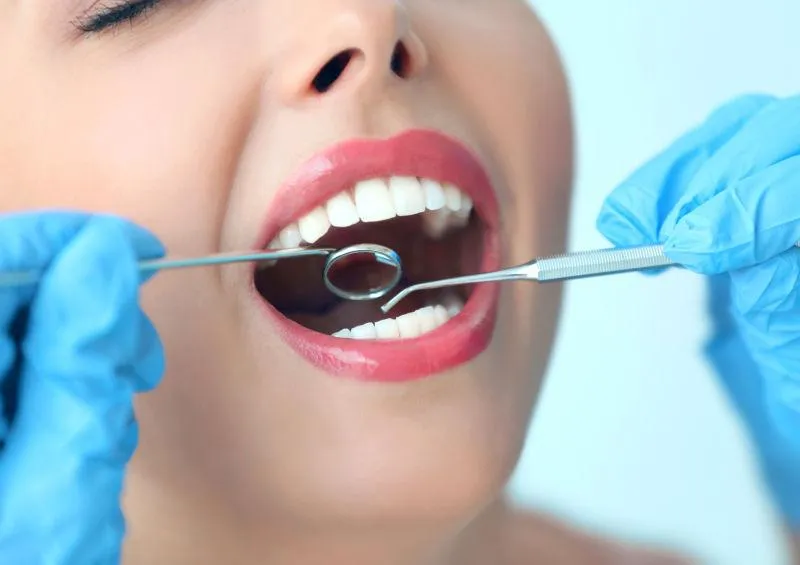
Thailand Tooth Extraction Treatment for Impacted Tooth Removal
Thailand Tooth Extraction Treatment for Impacted Tooth Removal
If you’ve been told you have an impacted tooth—most commonly a wisdom tooth—you’re not alone. Many patients in Thailand look for safe, affordable, and convenient options to remove impacted teeth and get back to normal life fast. Whether you live in Bangkok or you’re flying in for dental care, Thailand offers skilled oral surgeons, transparent pricing, and a service-minded approach that keeps things smooth from booking to follow-up.
What is an impacted tooth and when should it be removed?
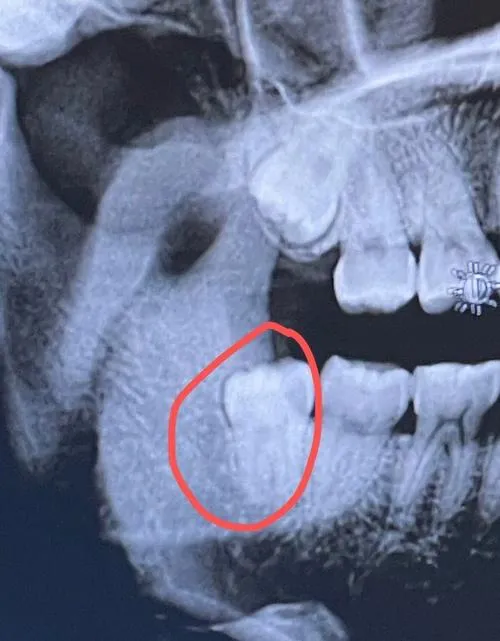
An impacted tooth is one that doesn’t fully erupt into the mouth because there’s no space or it’s tilted or trapped under gum and bone. Signs you might need removal include:
- Pain or pressure at the back of the jaw
- Swollen or bleeding gums
- Food trapping and bad breath
- Repeated infection around a partially erupted tooth
- Crowding or damage to the adjacent tooth
Your dentist will confirm impaction using a panoramic X‑ray (OPG) or a 3D cone-beam CT scan (CBCT) for complicated cases.
Why choose Thailand for impacted tooth removal?
- Experienced clinicians: Board-certified oral and maxillofacial surgeons and general dentists with surgical training handle thousands of extractions every year.
- Modern tech: Digital X‑rays, CBCT, and sterile surgery rooms are standard in reputable clinics and private hospitals.
- Friendly service: English-speaking staff, clear explanation of the plan, and an itemised quotation with no hidden charge.
- Easy access and booking: Many clinics are near BTS/MRT, accept LINE or phone bookings, and can arrange same-day consult and treatment if you’re ready.
How the treatment works in Thailand
1) Consultation and X‑ray
You’ll have a quick check-up and panoramic X‑ray to see the tooth position, roots, and nerves. If the tooth is deeply impacted or close to the nerve canal, the doctor may suggest a CBCT scan for extra safety.
2) Treatment plan and quotation
Your dentist will explain whether a simple extraction or a surgical removal is needed, the estimated time, and the fee. You’ll get a written quotation so you can decide with confidence.
3) Anaesthesia and sedation options
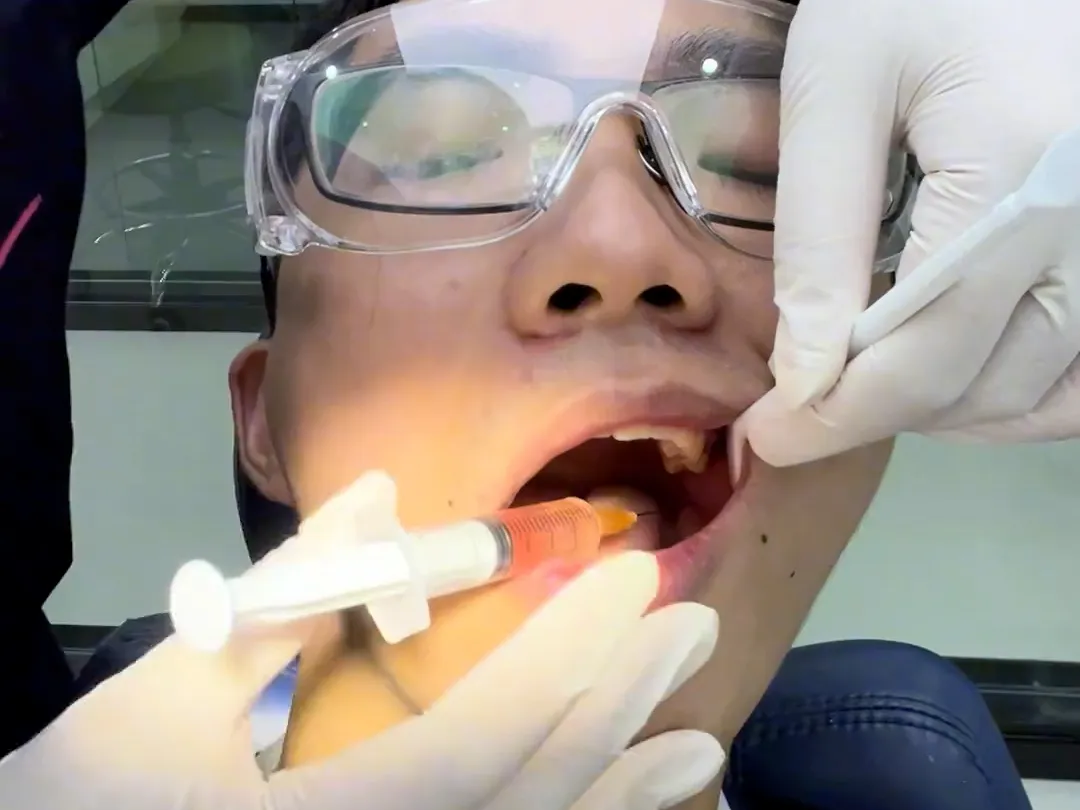
- Local anaesthesia: Numbs the area so you feel pressure but no pain. This is the most common.
- IV sedation or twilight sedation: For anxious patients, many Bangkok clinics and private hospitals can arrange sedation with a certified anaesthetist. You’ll need a short fast beforehand and someone to take you home.
- General anaesthesia: Reserved for complex cases or patients with special needs, usually done in a hospital setting.
4) Surgical removal
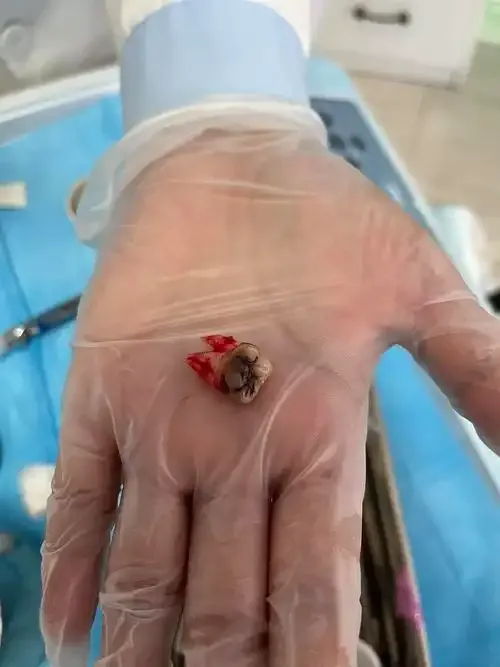
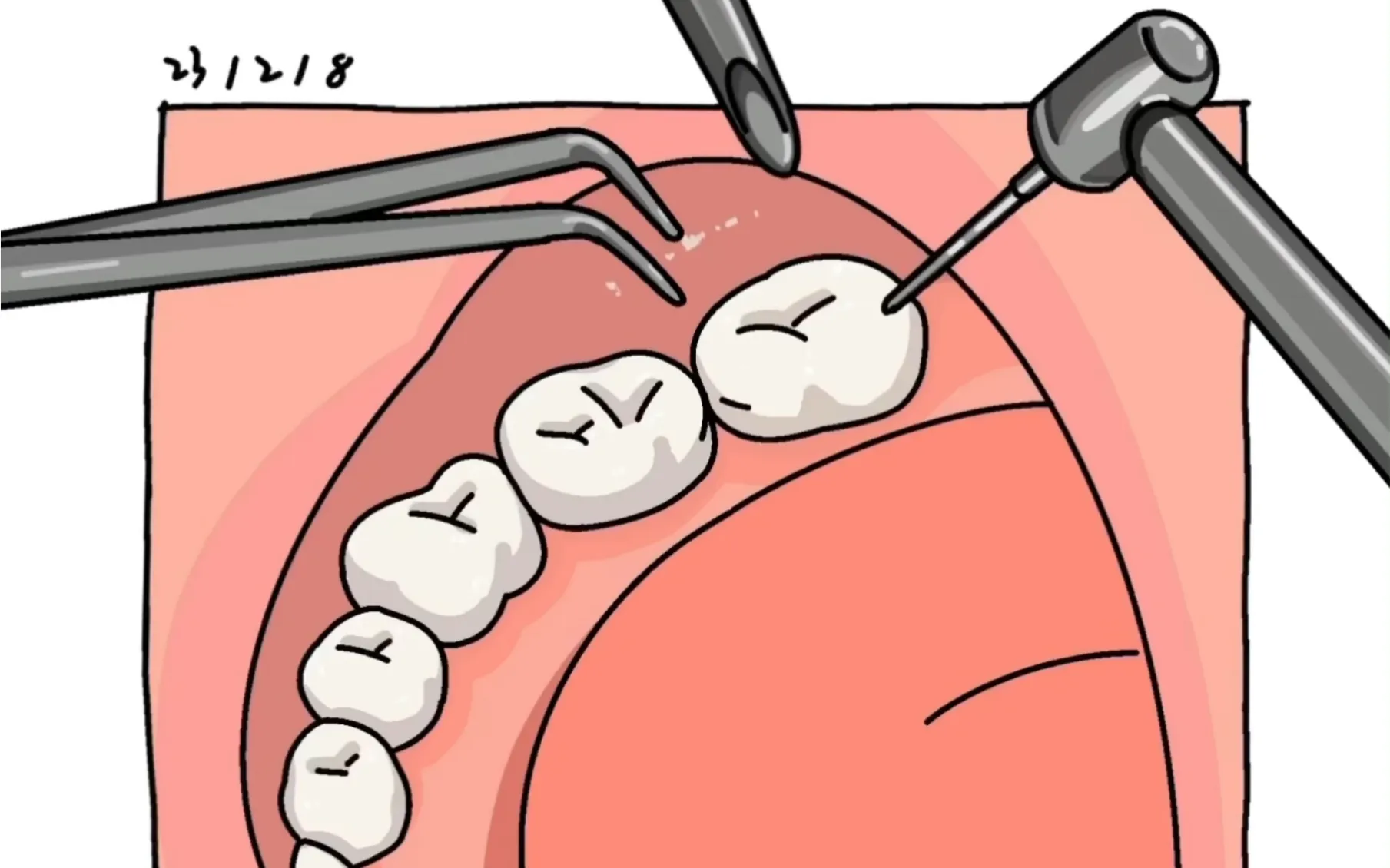
For an impacted tooth, the doctor may gently open the gum and remove a small amount of bone. The tooth is often sectioned into pieces to minimise bone removal and protect the nerve. Most procedures take 20–60 minutes per tooth. Stitches may be placed; dissolvable sutures are common.
5) Post-op check
You’ll receive written aftercare instructions, medications (pain control and, only if indicated, antibiotics), and a follow-up appointment. Many clinics offer a free follow-up visit to check healing and remove non-dissolving stitches after 5–7 days.
Costs to expect in Thailand
Prices vary by city, complexity, and whether sedation is used, but typical ranges are:
- Simple extraction: THB 2,000–4,000 per tooth
- Surgical removal of impacted
wisdom tooth: THB 6,000–12,000 per tooth
- Panoramic X‑ray (OPG): THB 400–1,000
- CBCT scan: THB 3,000–6,000
- IV sedation (if chosen): THB 8,000–15,000 per session
Clinics usually give an all-in price that covers instruments, disposables, and standard medications. Ask upfront about any additional fees so there’s no surprise.
Pain, swelling, and downtime
With proper local anaesthesia, the procedure should be painless; you’ll feel pressure and vibration. After the numbness wears off, mild to moderate soreness and cheek swelling can happen for 2–3 days, peaking around day 2. Most patients return to work or class the next day if not heavy duty. For complex lower wisdom teeth, you may prefer 1–2 days’ rest.
Aftercare tips Thai dentists commonly recommend
- Bite on gauze for 30–60 minutes to control bleeding. A small ooze is normal for a few hours.
- No rinsing, spitting, or drinking through a straw for 24 hours to protect the blood clot.
- Ice pack on-and-off (15 minutes each) for the first day to reduce swelling.
- Soft diet for 2–3 days: congee, yoghurt, smoothies (no straw), bananas, soft eggs, tofu.
- Keep the area clean: On day 2, gently rinse with warm salt water after meals. Brush carefully around the surgical site.
- Take pain medication as prescribed; antibiotics only if your doctor indicates.
- Avoid smoking and alcohol for at least 72 hours; both delay healing and increase dry socket risk.
- Sleep with your head elevated on the first night to reduce swelling.
Call the clinic if you have persistent numbness, fever, heavy bleeding, or pain that worsens after day 3.
How to choose a clinic in Thailand
- Qualifications: Look for dentists registered with the Dental Council of Thailand; for complex impactions, choose an oral and maxillofacial surgeon.
- Imaging onsite: Clinics with OPG and access to CBCT can plan safer, faster surgery.
- Sterility and protocols: Ask about sterile packs, autoclave, and clean surgical room.
- Communication: Clear explanation, English-speaking staff, LINE support, and transparent fees.
- Convenience: Easy access near BTS/MRT, extended hours, and quick follow-up.
- Reviews and referrals: Real patient reviews and word-of-mouth are helpful indicators.
Frequently asked questions
- Can I do same-day extraction? If your X‑ray shows a straightforward case and you’re healthy, many clinics can perform extraction on the same day. For complex cases or if you want sedation, you may need to book another slot and fast beforehand.
- Will my face be numb for long? Local anaesthesia usually wears off in 2–4 hours. Avoid hot drinks and chewing on the numb side until sensation returns.
- Is it safe to fly after removal? For simple cases, flying after 24–48 hours is usually fine. For surgical lower wisdom teeth, waiting 2–3 days is more comfortable. Always follow your doctor’s advice.
- Do clinics accept insurance? Some accept direct billing with selected insurers; others provide documents for your claim. Check with your provider before treatment.
The bottom line
Thailand is a reliable, budget-friendly place for impacted tooth removal, with skilled doctors, modern equipment, and a strong service culture. Book a consult, get your OPG done, and ask for a clear plan and quotation. With the right clinic and proper aftercare, you can expect a smooth procedure, fast healing, and a quick return to your normal routine.