Thailand Tooth Extraction for International Patients Seeking Affordable Dental Care
Thailand Tooth Extraction for International Patients Seeking Affordable Dental Care
Thailand Tooth Extraction for International Patients Seeking Affordable Dental Care
Thinking about getting a tooth pulled while you’re on holiday or a short trip in the Land of Smiles? You’re not alone. Thailand has become a trusted hub for international patients who want professional, affordable dental care without the long waiting times. From Bangkok to Chiang Mai and Phuket, clinics here combine modern equipment, friendly service, and clear pricing, making a tooth extraction less stressful and easier on the wallet.
Why choose Thailand for tooth extraction
- Value for money: Fees are generally lower than in many Western countries. Simple extractions often cost around 1,000–3,000 baht per tooth, while surgical or wisdom tooth extractions typically range from 3,000–12,000 baht per tooth, depending on the complexity. Prices vary by city and clinic, but you’ll usually find transparent quotes upfront.
- Skilled, English-speaking dentists: Many Thai dentists are internationally trained, and English is commonly used in clinics serving foreign patients. Expect clear explanations and a warm “Sawasdee ka/krub” when you arrive.
- Modern standards: Reputable clinics use digital X-rays (OPG, CBCT when needed), sterile instruments, and strict infection control. Look for clinics registered with the Thai Dental Council and, where available, ISO-certified facilities.
- Convenient locations: You’ll find high-quality clinics in central Bangkok, Nimmanhaemin and Old City areas of Chiang Mai, and tourist zones in Phuket. Many are close to BTS/MRT stations or major hotels, making it easy to pop in without hassle.
What happens during a tooth extraction in Thailand
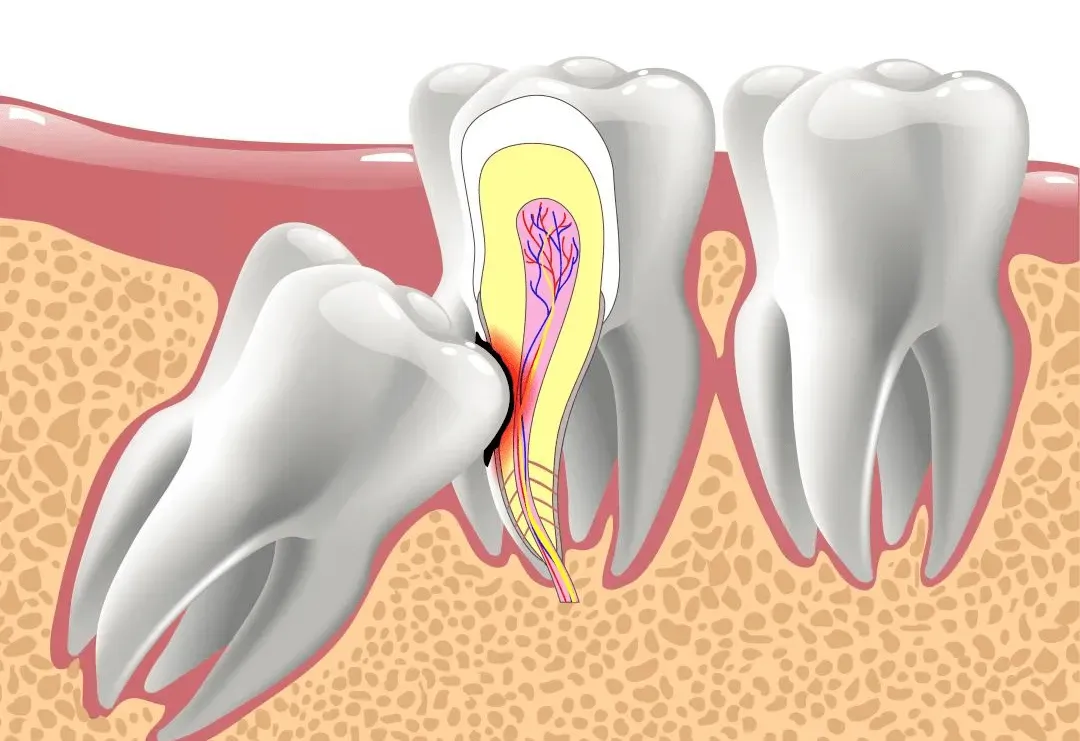
- Consultation and X-rays: The dentist will take a history, assess your symptoms, and order X-rays to check the roots and surrounding bone. Bring a list of medications and allergies. If you have conditions like diabetes or are on blood thinners, mention it from the start.
- Treatment plan and quote: You’ll get a clear plan—simple extraction or surgical removal—and an itemized estimate in baht. No worries, you can ask as many questions as you like before giving consent.
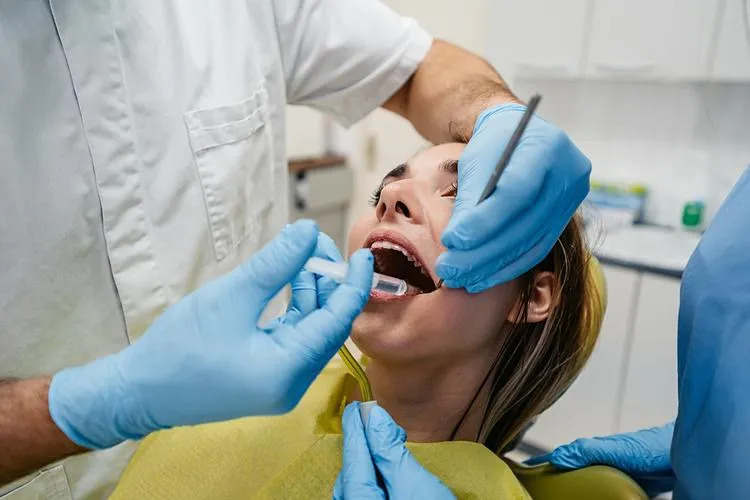
- Anaesthesia options: Standard is local anaesthetic to numb the area. Some clinics also offer nitrous oxide or IV sedation for anxious patients, arranged in advance and at extra cost.
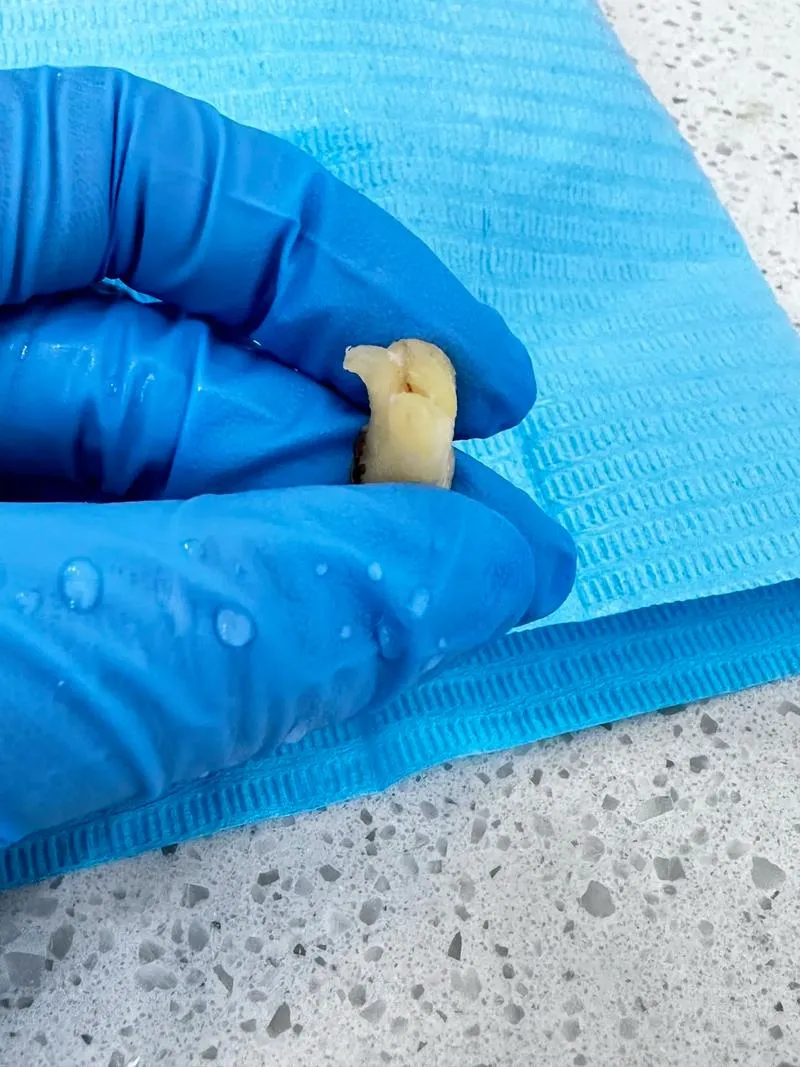
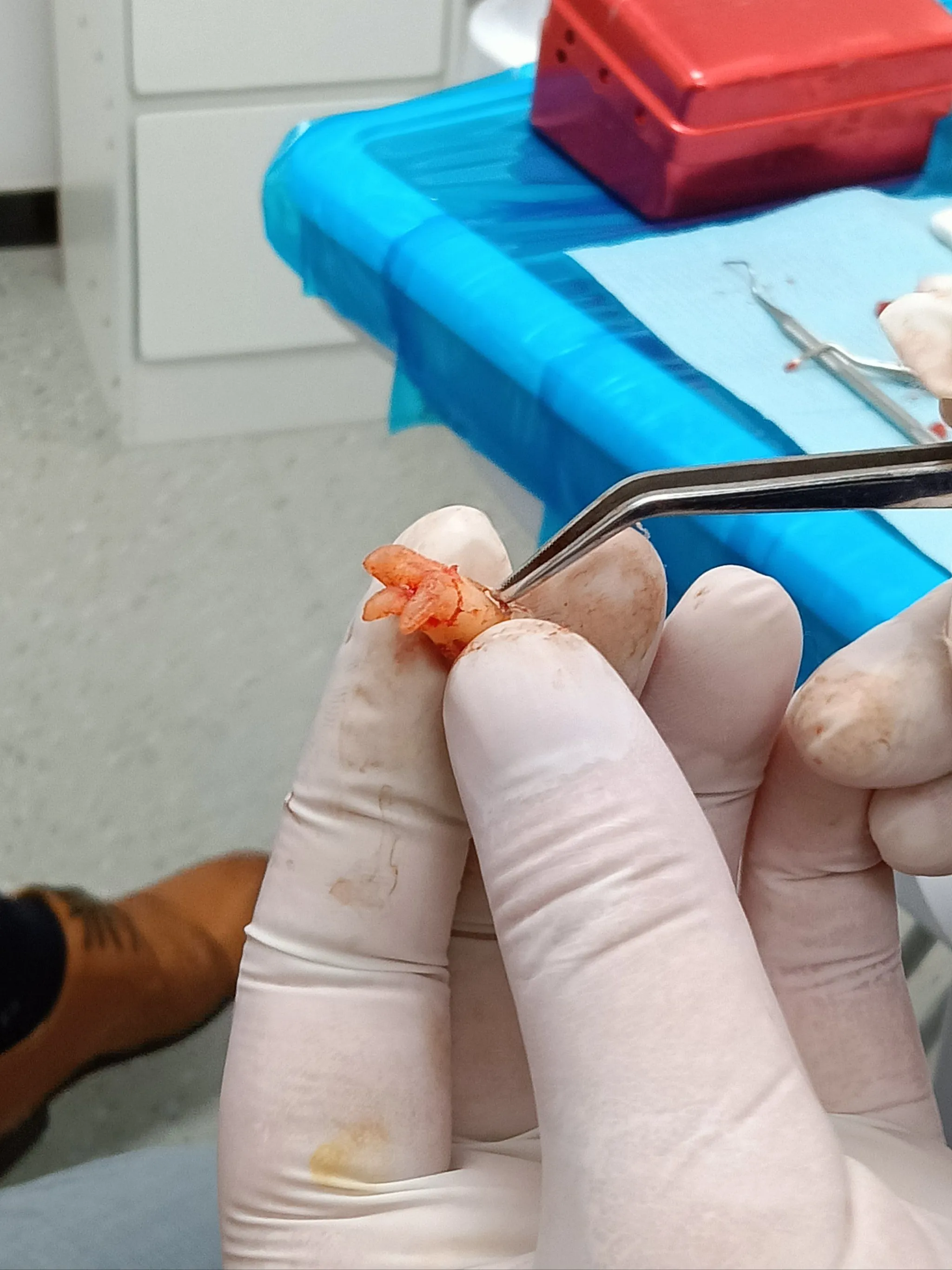
- The procedure: Simple extractions usually take 15–30 minutes. Impacted wisdom teeth can take longer. You’ll feel pressure but not sharp pain. If anything feels uncomfortable, say “pain” and the dentist will adjust anaesthetic.
- Aftercare: You’ll receive gauze, written instructions, and sometimes a follow-up chat by phone or Line app. Many clinics provide a 24-hour contact for post-op concerns.
How to choose the right clinic
- Check credentials: Look for dentists listed with the Thai Dental Council. Many clinics display diplomas and professional memberships in reception.
- Read recent reviews: Focus on comments about communication, cleanliness, and aftercare support.
- Ask about sterilization: Clinics should use sealed, autoclaved instruments and proper PPE.
- Get a detailed quote: Ask if X-rays, medications, and follow-up are included. Clarify whether the price differs for surgical versus simple extraction.
- Availability and holidays: Thailand observes public holidays like Songkran in April and New Year. During these times, book earlier to secure a slot.
Cost, payment, and insurance
- Typical ranges: As noted above, simple extractions are often 1,000–3,000 baht; surgical extractions or impacted wisdom teeth are usually 3,000–12,000 baht per tooth.
Complex cases can be higher.
- Payment: Most clinics accept cash, major credit cards, and sometimes online transfers. You’ll be billed in baht, with receipts for insurance claims.
- Insurance: Some international policies reimburse out-of-country dental emergencies. Contact your insurer beforehand, and bring claim forms if needed.
Travel planning and recovery tips
- Timing your trip: Aim to arrive at least one day before the appointment to settle in. After extraction, allow 48–72 hours of easy days before long travel, diving, or intense activities. If you’re planning island hopping or trekking, do the extraction early in your itinerary.
- Food and drink: For the first day, choose soft, cool foods—yoghurt, smoothies, congee. Avoid very hot, spicy, or crunchy food (save the som tam and crispy pork for later). Skip straws to reduce the risk of dislodging the blood clot.
- Pain and swelling: Mild to moderate discomfort is normal for 1–3 days. Over-the-counter pain relief is easily available at Thai pharmacies. Use cold compresses for the first 24 hours and sleep with your head elevated.
- Oral hygiene: No vigorous rinsing for the first 24 hours. After that, rinse gently with warm salt water. Brush carefully around the area.
- Activities: Avoid smoking, alcohol, and heavy exercise for at least 48 hours. If you’re in Phuket, postpone diving for a week to let the site heal.
- Follow-up: Many clinics offer a quick check the next day or within a few days. If stitches were placed, removal is usually at 5–7 days unless dissolvable sutures were used.
Common questions international patients ask
- Will I need antibiotics? Not always. Dentists in Thailand follow clinical guidelines and prescribe antibiotics only when indicated, such as with infection or surgical cases.
- Can I do extraction and cleaning in one visit? Often yes, but the dentist may suggest spacing them if there’s infection or significant gum inflammation.
- What if I have a dry socket? Report increasing pain 2–4 days after extraction. The clinic can place a medicated dressing to ease symptoms quickly.
- Is IV sedation widely available? It’s offered in many larger clinics and hospitals. Book in advance and plan extra time for monitoring and recovery.
Useful Thai touches that make a difference
- Communication: Staff are generally attentive and polite. If you need clarification, just say, “Can you explain a bit more, please?” You’ll find the team happy to help, same same across Bangkok, Chiang Mai, and Phuket.
- Convenience: Many clinics answer quickly on email, WhatsApp, or Line. Sending a photo or prior X-ray can speed up estimates.
- Comfort: Reception areas are usually cool and calm, with short wait times if you book ahead. Walk-ins are welcome in some places, but appointments are best for smooth timing.
Red flags to avoid
- Prices that seem too cheap without clear details.
- No X-ray before extraction.
- Poor hygiene or unclear sterilization procedures.
- Pressure to add unrelated treatments.
Packing list for your dental trip
- Passport, hotel details, and local SIM or roaming.
- Medical history and medication list.
- Insurance documents if you plan to claim.
- A small gel ice pack and lip balm for post-op comfort.
The bottom line
Tooth extraction in Thailand offers a practical blend of affordability, professional care, and easy logistics for international patients. With proper planning, a qualified clinic, and a few relaxed days for recovery, you can sort out a painful tooth and still enjoy your time in the Land of Smiles—no worries, just take it easy and let the healing do its work.