Thailand Tooth Extraction Treatment for Urgent Dental Situations
Thailand Tooth Extraction Treatment for Urgent Dental Situations
Thailand Tooth Extraction Treatment for Urgent Dental Situations
If you are in Thailand and suddenly face a bad toothache, a cracked tooth from a night market snack, or swelling from a wisdom tooth, no worries—help is easy to access. Thailand is well known for efficient, affordable dental care, with many clinics offering same-day appointments and English-speaking staff. Whether you are living in Bangkok, working upcountry, or visiting Phuket or Chiang Mai, getting a tooth extraction in an urgent situation is straightforward when you know what to expect.
When a Tooth Extraction Becomes Urgent
You should seek urgent dental care right away if you experience:
- Severe, persistent tooth pain that wakes you at night or does not respond to painkillers
- Swelling in the gum or face, especially with fever or bad taste (possible infection)
- Broken tooth with exposed nerve after a fall or bite on something hard
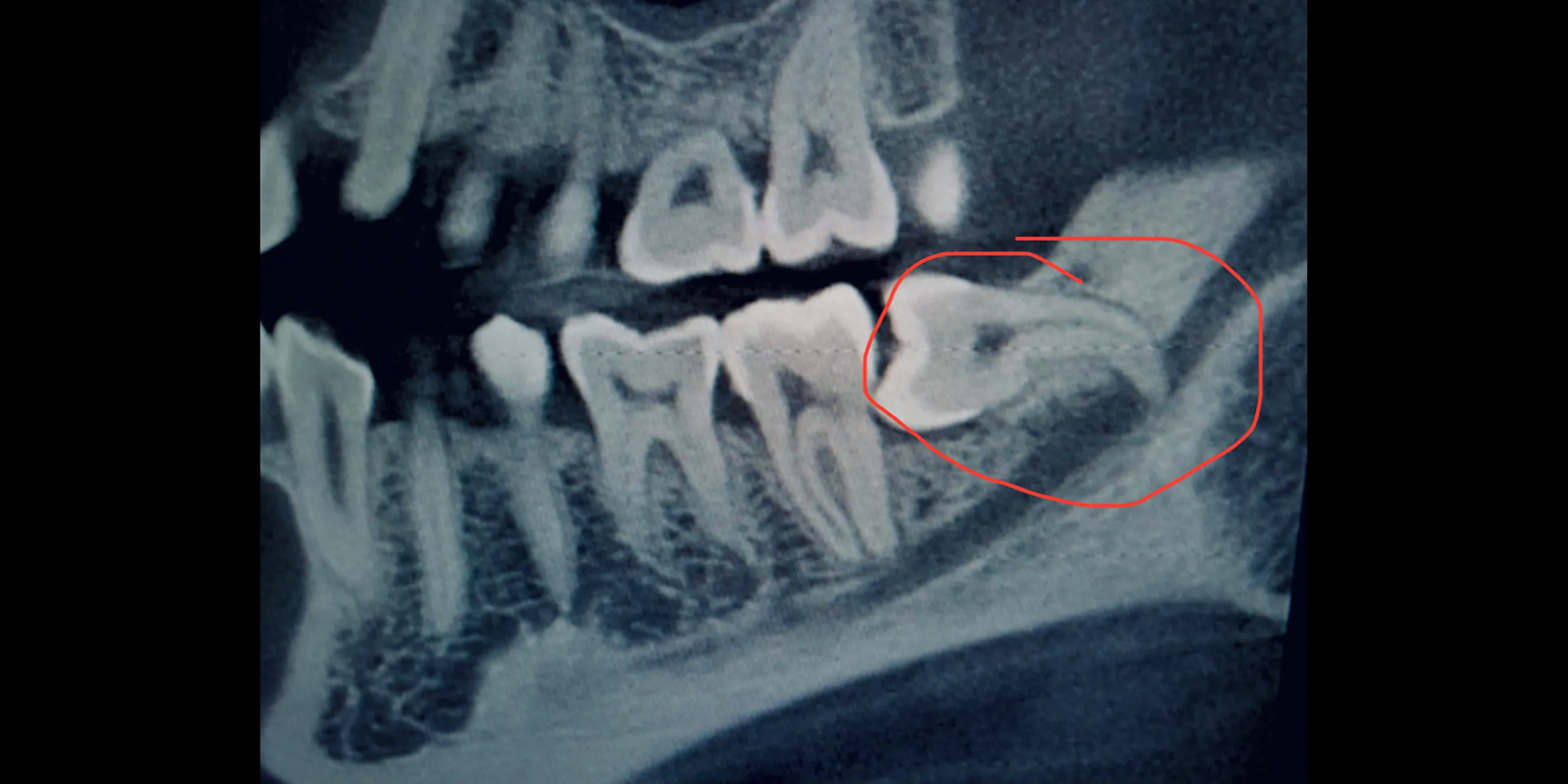
- Wisdom tooth pain with gum infection (pericoronitis), difficulty opening your mouth, or swollen lymph nodes
- Trauma from sports or motorbike accidents
- Signs of spreading infection like difficulty swallowing or breathing—go to a hospital emergency department immediately
Do not wait for the pain to “just go away.” In Thailand, walk-in patients are accepted at many dental clinics, and large hospitals can handle emergencies even on public holidays.
What to Expect at a Thai Dental Clinic or Hospital
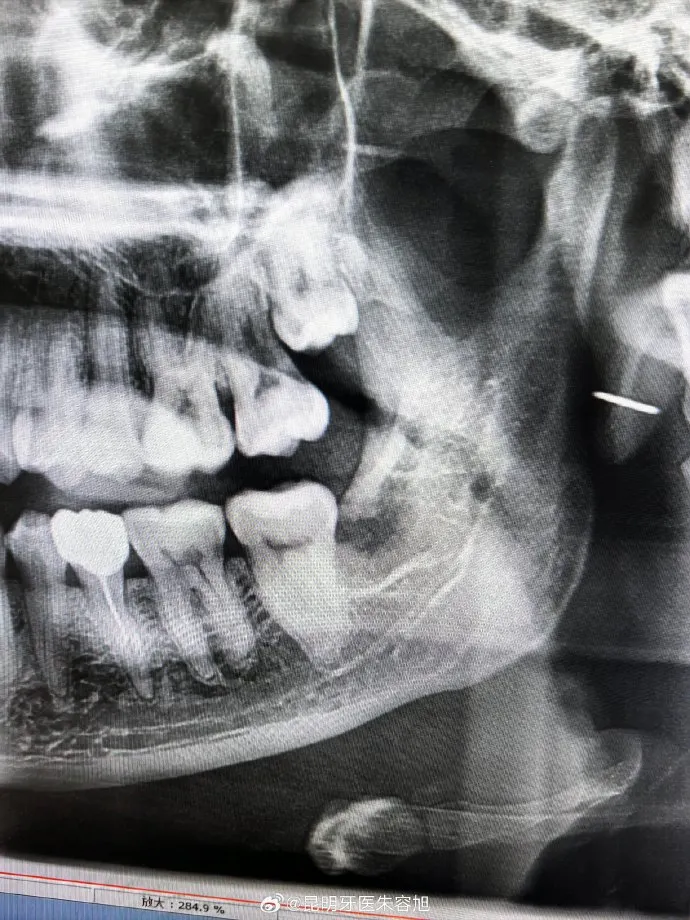
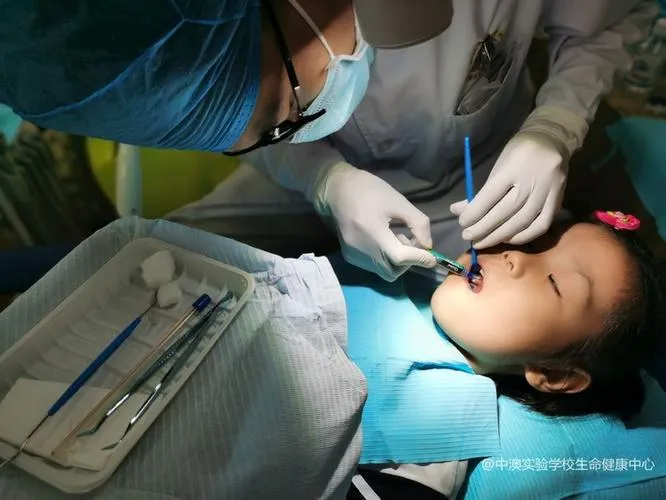
- Triage and X-ray: On arrival, you will register (bring your passport or Thai ID). The dentist will assess the tooth and usually take a small X-ray. Many clinics use digital X-rays for quick results.
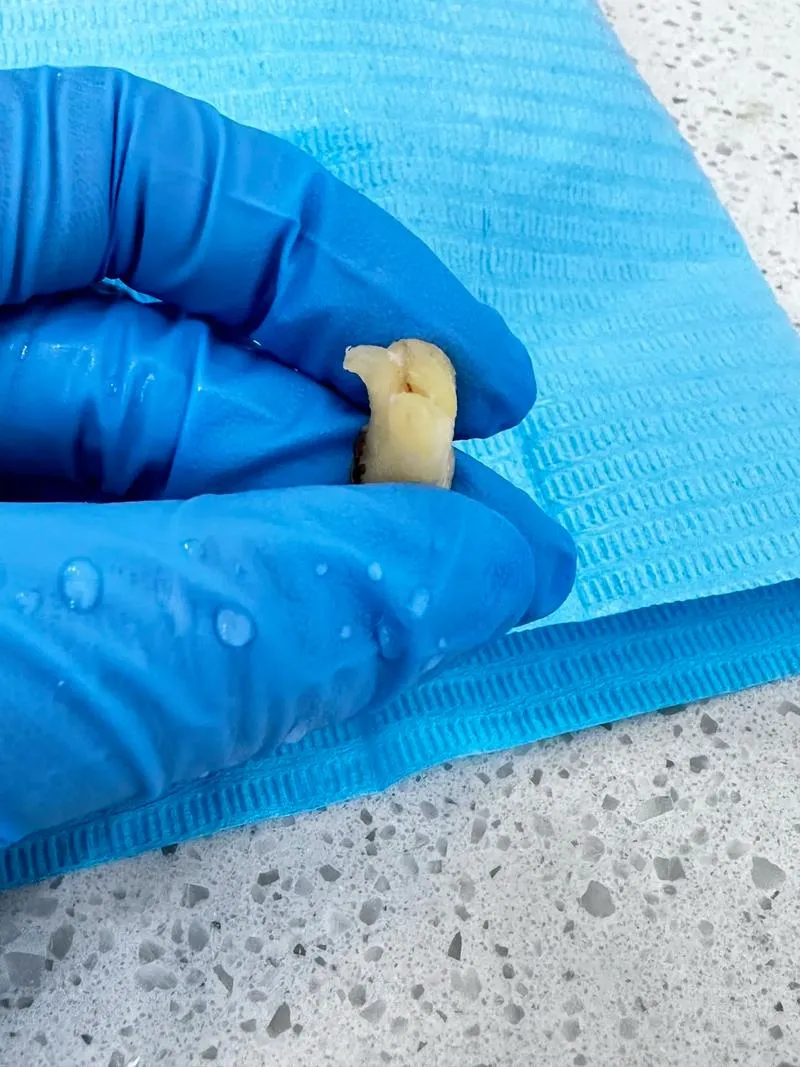
- Numbing and Procedure: For simple extractions, local anesthesia makes the area fully numb. You may feel pressure but not sharp pain. If the tooth is broken or impacted (common with wisdom teeth), a surgical extraction may be needed, sometimes by an oral surgeon. Sedation options are available in some clinics and hospitals if you are very anxious.
- Safety and Consent: You will be asked about medical history, allergies, and medications, and to sign a consent form. Clinics follow sterilization standards and use single-use or properly autoclaved instruments.
- Timing: A simple extraction often takes 15–30 minutes. Surgical extractions may take 45–60 minutes or more, including sutures.
Typical Costs and Payment in Thailand
Prices vary by city, clinic level, and complexity:
- Simple extraction: roughly 1,000–3,000 THB
- Surgical/impacted tooth extraction: roughly 5,000–12,000 THB; complex cases may cost more
- X-ray, medication, and sedation (if requested) are additional
Most clinics accept cash and major cards. If you have Thai Social Security coverage, see a partnering hospital or clinic. For expats and visitors with travel insurance, it’s common to pay first and claim later. Some private hospitals offer direct billing—call ahead or send a message via Line to confirm.
How to Choose a Clinic Quickly
- Location and access: In Bangkok, look for clinics near BTS/MRT for easy travel (e.g., Sukhumvit, Silom, Ari). In Chiang Mai, Nimmanhaemin and Old City areas have many options. Phuket has clinics around Patong, Phuket Town, and Kata/Karon.
- Hours and emergency service: Check if they accept walk-ins, have same-day slots, or 24/7 hospital coverage.
- English support: Many dentists and staff speak English; check reviews or websites for confirmation.
- Specialist availability: For wisdom teeth or complex extractions, an oral surgeon on-site is ideal.
- Infection control and imaging: Look for
clinics with modern digital X-ray and clear sterilization protocols.
- Communication: Thai clinics commonly use Line official accounts—send a photo of the problem area (if safe to do so) and ask for the earliest slot.
Aftercare You Can Follow Easily
Good aftercare speeds recovery and prevents complications like dry socket. Your dentist will give printed instructions, but here are standard tips:
- Bite on gauze for 30–60 minutes to stop bleeding. Change gauze as advised.
- Apply a cold pack outside the cheek for 10 minutes on, 10 minutes off during the first few hours.
- Rest. Keep your head elevated the first night.
- Avoid hot drinks, alcohol, smoking, and spitting for 48–72 hours. No straw—suction can dislodge the clot.
- Eat soft, gentle foods: congee (jok), khao tom, yogurt, soft eggs, smoothies (with spoon).
- Take painkillers as advised, usually ibuprofen or paracetamol. If antibiotics are prescribed, finish the full course.
- Start warm saltwater rinses 24 hours after extraction, 2–3 times a day.
- Keep the area clean but brush gently. Avoid brushing directly over the socket until advised.
Return to the clinic if you have heavy bleeding that won’t stop, increasing pain after day two, foul smell, fever, or spreading swelling.
Travel and Activity Considerations
- Flying: After a surgical extraction, it’s better to avoid flying for 24–48 hours or as advised by your dentist due to pressure changes.
- Diving and high-intensity sports: Postpone for several days to a week; check with your dentist.
- Stitches: If you had sutures, a follow-up visit in 5–7 days may be needed for removal (some stitches are dissolvable).
- Medical certificate: Ask for a medical certificate if your airline or insurance requires documentation.
Common Questions
Is a tooth extraction painful?
With local anesthesia, you should feel pressure but not sharp pain. If you feel pain during the procedure, tell the dentist and they will top up anesthetic. Post-op soreness is normal and manageable with prescribed pain relief and cold compress.
Can I get an extraction the same day?
Yes, in many cases. Walk-ins are common, especially for emergencies. If the clinic is full, staff can usually slot you in later the same day or refer you to a nearby branch or hospital.
Do I need antibiotics?
Not always. Antibiotics are prescribed for specific infections, swelling, or if you have certain medical conditions. Follow your dentist’s advice and complete the course if prescribed.
What about wisdom teeth?
Impacted wisdom teeth are a frequent cause of urgent visits in Thailand. An oral surgeon may perform the extraction under local anesthesia with or without sedation. Expect more swelling than a simple extraction and allow extra recovery time.
How to Prepare Before You Go
- Bring passport/ID, a list of medications, and any medical conditions (e.g., heart disease, diabetes, anticoagulants).
- Eat a light meal before the appointment unless sedation is planned (follow specific instructions).
- If you’re very anxious, ask in advance about sedation and arrange a friend or taxi to take you home.
- If you have travel insurance, keep receipts and clinic details for claims.
The Bottom Line
Thailand offers accessible, professional care for urgent tooth extractions—fast appointments, clear communication, and reasonable prices. If you are in pain today, don’t wait. Find a reputable clinic near your hotel or BTS/MRT, call or message for a slot, and let a Thai dentist take care of you so you can get back to your routine, pain-free.