Thailand Tooth Extraction Care for Patients Traveling to Thailand
Thailand Tooth Extraction Care for Patients Traveling to Thailand
Thailand Tooth Extraction Care for Patients Traveling to Thailand
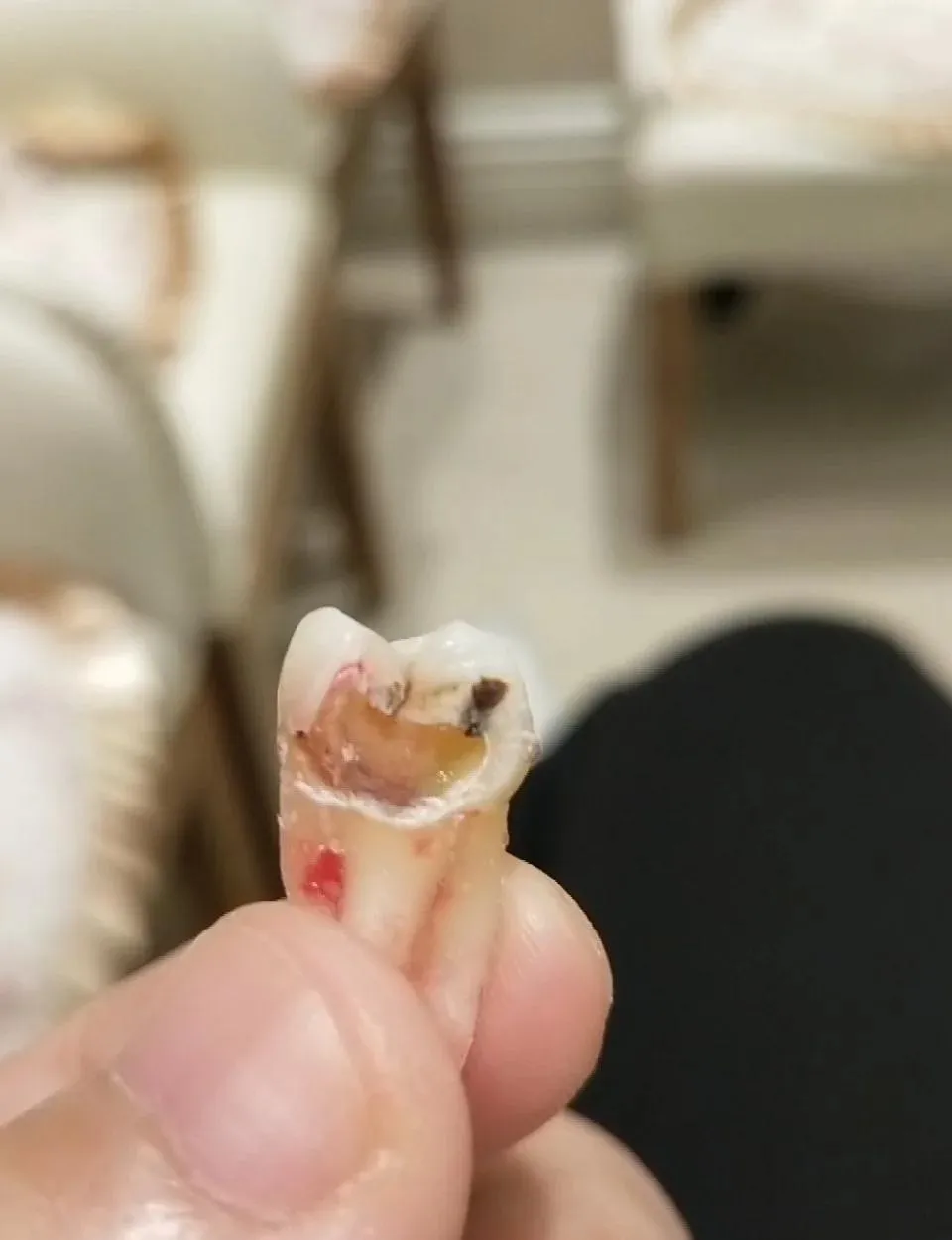
Planning dental work during a trip is very common in Thailand, where clinics are modern, prices are friendly, and appointments are easy to book. If you’re considering tooth extraction while in Bangkok, Chiang Mai, Phuket, or another Thai city, this guide covers what to expect, how to care for the wound, and practical travel tips to keep your holiday smooth and safe.
Why choose tooth extraction in Thailand
Thailand is known for skilled, English-speaking dentists, clean clinics, and transparent pricing. Many practices are located near BTS/MRT stations or main sois, open evenings and weekends, and allow same-day or next-day bookings via Line or WhatsApp. You can expect digital X-rays, sterile instruments, and clear instructions. Pricing varies by case, but as a general guide:
- Simple extraction: around 1,000–3,000 baht
- Surgical or wisdom tooth extraction: around 3,000–8,000+ baht
Ask for a treatment plan and receipt; some travelers claim partial reimbursement later.
Before your appointment
- Booking: Send a brief history, any allergies, and current medications. If you have a panoramic X-ray, share it; otherwise, most clinics can take one on-site.
- Eating and medicines: For local anesthesia (most extractions), eat a light meal beforehand and take regular medicine as advised. For IV sedation or general anesthesia, fasting is usually required; follow the clinic’s instructions carefully.
- Health check: Inform the dentist if you have high blood pressure, diabetes, or are on blood thinners. Bring your passport; many clinics need it for registration.
During the extraction
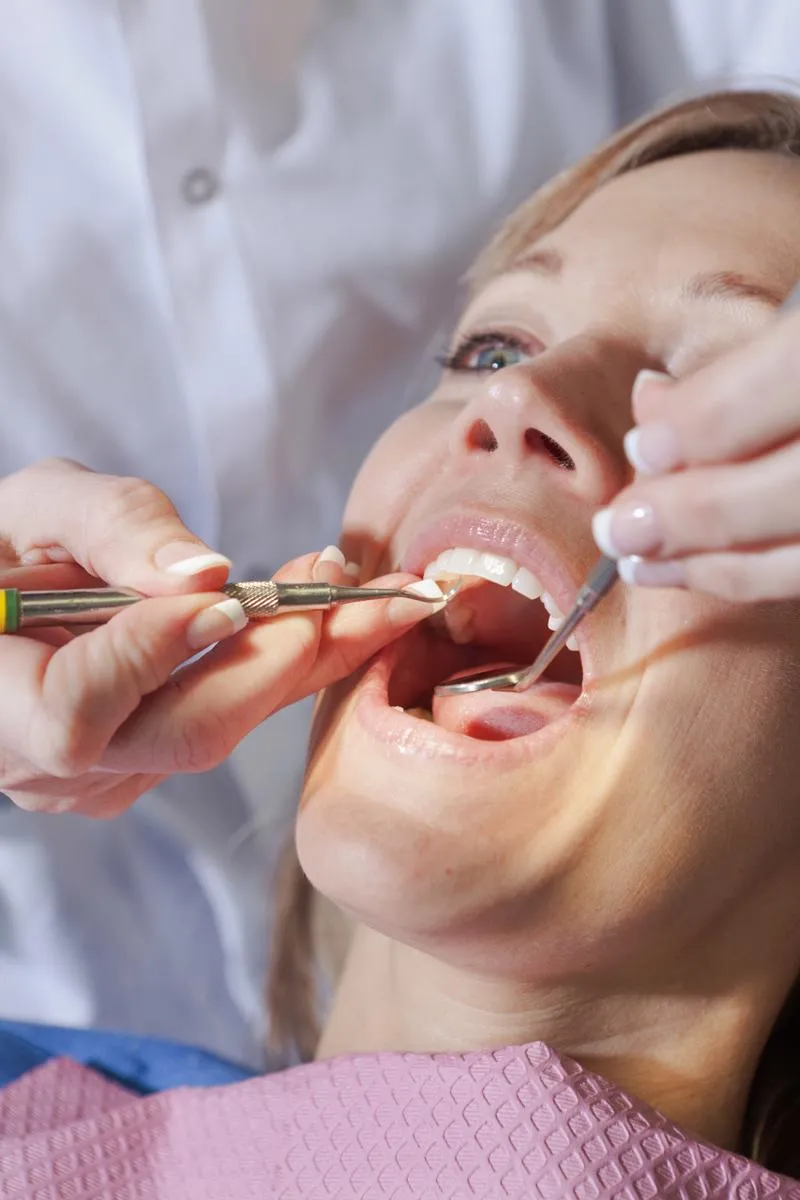
Thai dentists will explain the procedure in simple English and check your comfort. Local anesthesia is standard; you’ll feel pressure, not pain. Surgical extractions (impacted wisdom teeth) may need a small incision and stitches. The whole visit usually takes 30–90 minutes, depending on complexity.
Immediate aftercare the Thai way
Your dentist will give you post-op instructions and a small pack with gauze and medicine. To help the wound heal and prevent dry socket:
- Bite on the gauze for 30–60 minutes to control bleeding. Change only if fully soaked.
- Do not spit forcefully, rinse vigorously, or use a straw for 24 hours. No smoking.
- Keep your head elevated and take a rest. Ice pack on-and-off (15 minutes each) for the first day helps reduce swelling.
- Take medicine on time. Paracetamol (acetaminophen) or ibuprofen is common; avoid aspirin as it can increase bleeding. If antibiotics or a chlorhexidine mouthwash are prescribed, complete the full course.
- After 24 hours, rinse gently with warm salt water 2–3 times daily. Continue brushing but be gentle near the wound.
You can buy extra gauze, saline, and mouthwash easily from 7-Eleven, Boots, or Watsons. Pharmacies are everywhere and staff can assist in English.
What to eat in Thailand after tooth extraction
Go for soft, cool, and mild foods. Many travelers find Thai comfort dishes perfect:
- Jok (rice porridge) or khao tom (rice soup), not too hot, no spicy
- Plain yogurt, tofu, scrambled eggs, mashed banana
- Smoothies without a straw; use a cup or spoon
- Coconut water for hydration
Avoid hot, spicy, sour, crunch
y, or sticky foods for a few days. That means no som tam, no sticky rice, no crispy pork, and no alcohol while healing.
How long does swelling and pain last
Mild swelling usually peaks around day 2 and settles by day 3. Discomfort improves day by day and is manageable with prescribed pain relief. Stitches, if placed, are removed or dissolve within 7–10 days. If pain worsens after day 3, or you notice a bad smell/taste and exposed bone, you may have dry socket—contact the clinic for dressing and review.
When it’s safe to fly after a tooth extraction in Thailand
For a simple extraction, most travelers can fly after 24–48 hours. For surgical or wisdom tooth extraction, allow 3–5 days if possible. If the upper molar area near the sinus was involved, give extra time. Always follow your dentist’s advice—buffer days mean less stress and better healing.
Choosing a clinic and getting around
- Location: Many reputable clinics sit along Sukhumvit, Silom, or near major BTS/MRT stations for easy access. In Chiang Mai, Nimmanhaemin has several modern clinics; in Phuket, look near Patong or Phuket Town.
- Reputation: Look for dentists registered with the Dental Council of Thailand, clinics with clear sterilization protocols, and consistent reviews. Large hospital networks like Bumrungrad or Bangkok Hospital also have dental centers.
- Communication: Most clinics reply fast via Line. Ask about total fees, anesthesia options, and whether stitches are likely.
Travel insurance and payments
Tooth extraction due to decay or pain is often not claimable under standard travel insurance unless linked to an accident, but benefits vary. Keep your receipt and treatment notes. Payment by cash or credit card is widely accepted; confirm if there is any service charge.
Red flags: when to go back to the dentist
- Bleeding that doesn’t slow after firm gauze pressure for 2 hours
- Increasing pain after day 3, foul smell, or visible hole (possible dry socket)
- Fever, pus, or facial swelling that keeps getting bigger
- Numbness that does not improve over 24 hours
Message the clinic on Line or call for a quick review. For urgent after-hours help, you can visit a hospital with an emergency department; Thailand’s emergency number is 1669.
Simple packing list for dental tourists
- Travel-size mouthwash (alcohol-free), small pack of gauze, saline
- Reusable ice pack or plan to use wrapped ice from hotel
- Comfortable mask (useful if you have mild swelling and want privacy)
- A soft-bristle toothbrush and a small mirror to check the area
Final friendly tips for a smooth experience
- Plan your extraction in the first half of your trip and keep the last 2–3 days light on activities.
- Avoid snorkeling or diving for at least a week after surgical extractions.
- Don’t rush spicy hotpot or crunchy street snacks until the dentist says OK—no spicy, no straw, no smoke.
- Take it easy, drink plenty of water, and follow the doctor’s instructions closely.
Thailand makes dental care convenient and comfortable, even when you’re on the move. With the right timing, sensible aftercare, and a trusted clinic, your tooth extraction can be straightforward—and you can get back to enjoying Thailand’s temples, markets, and beaches with a happy, healthy smile.