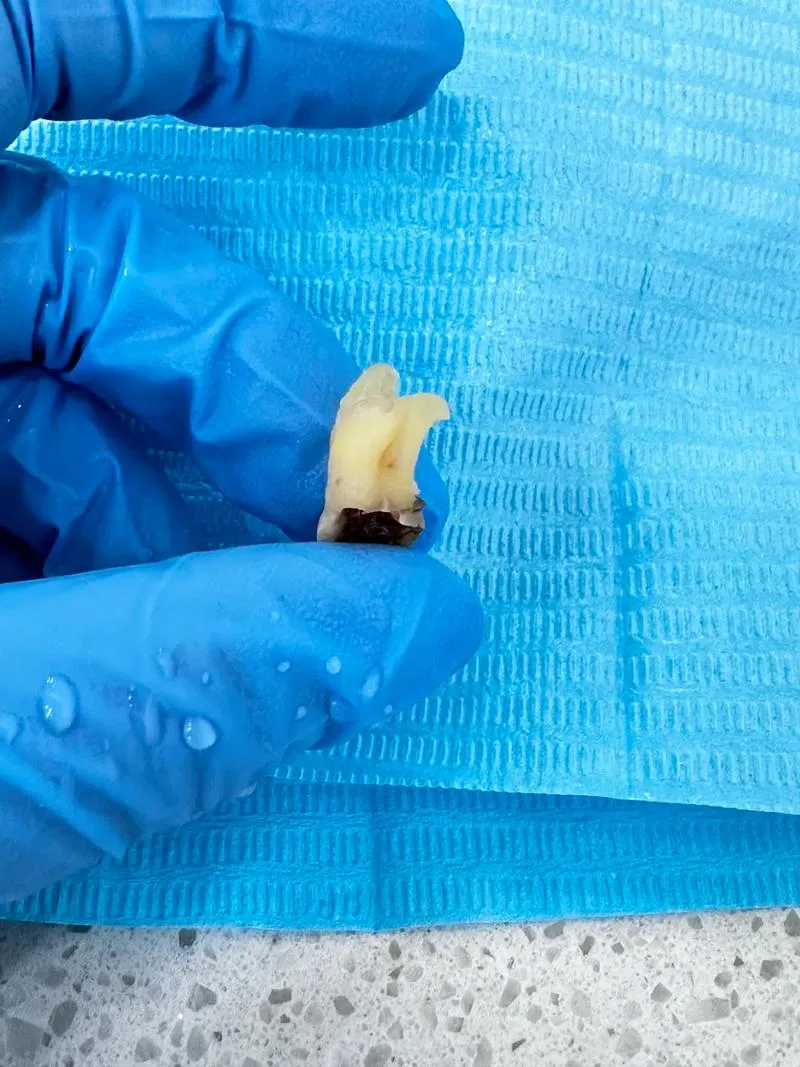
Thailand Tooth Extraction Solutions for Severely Damaged Teeth

Thailand Tooth Extraction Solutions for Severely Damaged Teeth
Thailand Tooth Extraction Solutions for Severely Damaged Teeth
Severely damaged teeth can make everyday life uncomfortable, from chewing and speaking to smiling with confidence. In Thailand, tooth extraction is a well-organised, safe, and affordable solution when a tooth cannot be saved. Whether you live in Bangkok, Chiang Mai, Phuket, or a provincial town, clinics and hospitals offer modern techniques, clear pricing, and attentive aftercare to help you recover smoothly.
When extraction is the best choice
Dentists in Thailand will first check if a tooth can be saved with a filling, crown, or root canal. Extraction is usually recommended when:
- The tooth is cracked below the gum line or split into multiple pieces
- Decay is too deep to support a crown or retreatment
- There is severe infection or repeated abscess that does not respond to treatment
- Advanced gum disease has made the tooth loose
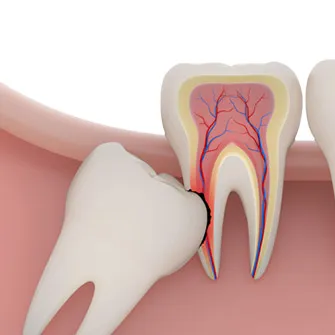
- Wisdom teeth are impacted, crowding, or causing recurrent swelling
- The tooth is fractured from trauma and cannot be restored
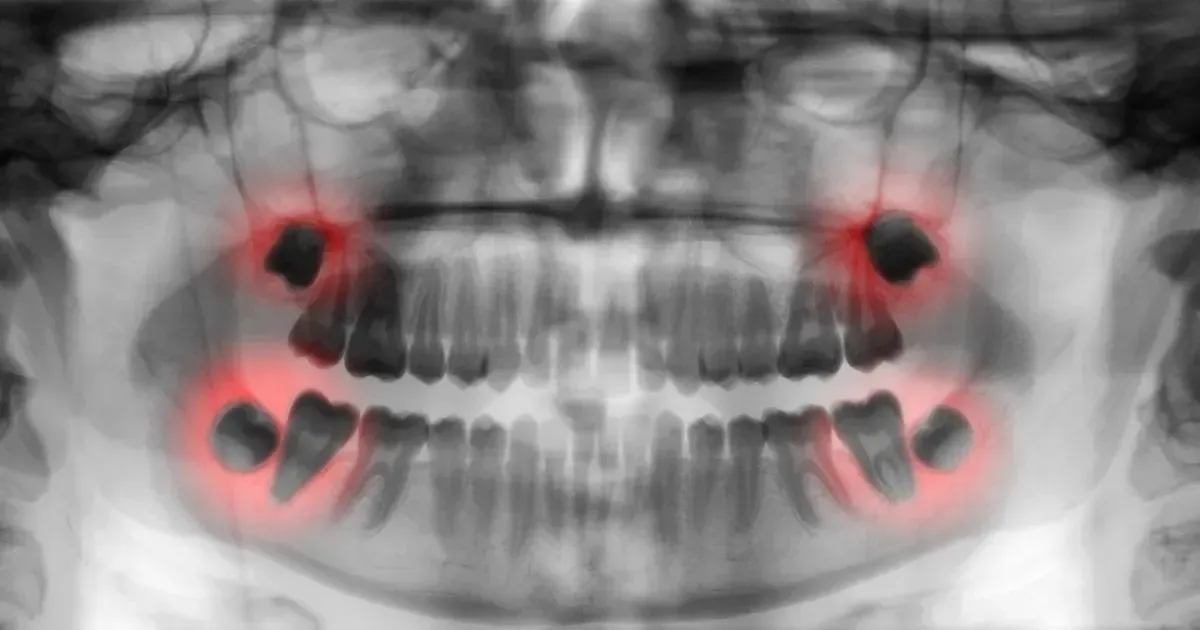
Before extracting, most clinics take an X-ray (periapical or panoramic). For complex wisdom teeth or roots close to nerves and sinuses, CBCT 3D scans are available in many private clinics and larger hospitals.
Types of tooth extraction in Thailand
- Simple extraction: For teeth visible above the gum. Usually quick under local anaesthetic.
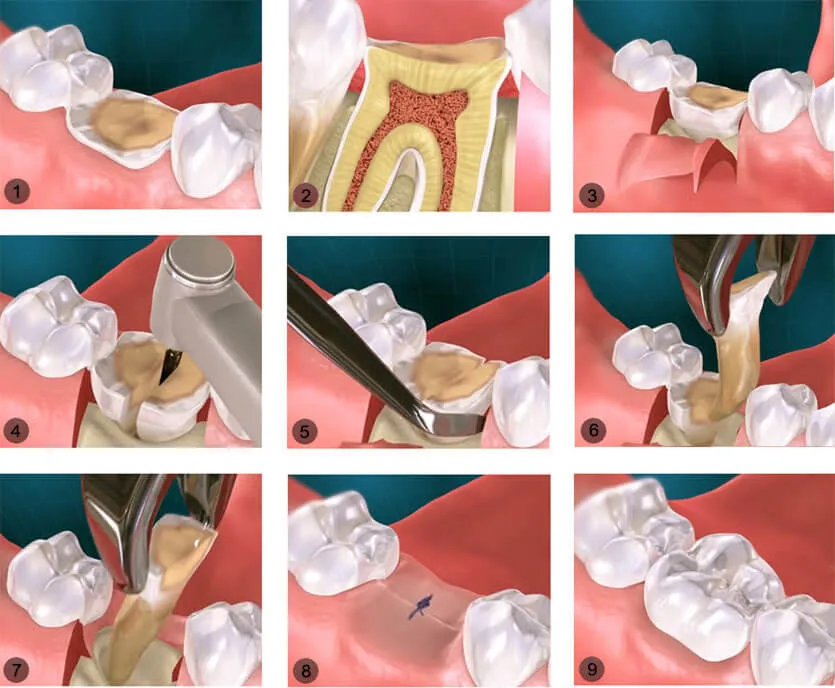
- Surgical extraction: For broken roots, impacted wisdom teeth, or teeth under the gum. May involve a small incision, bone removal, and stitches.
- Emergency extraction: For severe pain or infection when immediate relief is needed.
- Orthodontic extraction: When space is needed for braces treatment.
Comfort and anaesthesia options
Local anaesthetic is standard; the area becomes numb so you only feel pressure, not pain. For anxious patients, some clinics offer:
- Oral sedation (tablets to help you relax)
- Nitrous oxide (laughing gas)
- IV sedation with monitoring by an anaesthetist
General anaesthesia is available in hospitals for complex cases or special needs. Ask the clinic what options they have and the extra fee for sedation.
What to expect on the day
You will fill in medical history and allergies, and staff may check your blood pressure. The dentist explains the procedure and obtains consent. After numbing, the tooth is gently loosened and removed. Surgical cases may need stitches; most Thai clinics use dissolvable sutures. A simple extraction often takes 15–30 minutes, while impacted wisdom teeth may take 30–60 minutes per tooth. You will be given gauze to bite on and instructions for aftercare. Painkillers and anti-inflammatory medicines are usually prescribed; antibiotics are given only when indicated.
Cost guide in Thailand
Prices vary by city, clinic, and complexity, but you can use these ranges as a reference:
- Simple extraction (non-surgical): about 800–2,500 THB at government hospitals; 1,500–3,500 THB at private clinics
- Surgical extraction or impacted tooth: around 3,000–8,000+ THB
- Wisdom tooth surgery (complex impaction): roughly 4,000–12,000 THB per tooth
- CBCT scan: 2,000–4,000 THB
- Sedation fee (if chosen): nitrous or IV sedation commonly 8,000–20,000 THB depending on duration
Public hospitals are more budget-friendly but may have longer queues; private clinics offer shorter waiting times and extended hours. Thai residents with government schemes have coverage at public facilities. Expats and travelers typically pay out of pocket; some international plans reimburse emergency extractions—check your policy. Most clinics accept cash, credit card, and QR PromptPay.
Recover
y and aftercare tips
Proper care helps prevent dry socket and speeds healing. Follow your dentist’s instructions and keep these common Thai aftercare tips in mind:
- Bite firmly on the gauze for 30–60 minutes to stop bleeding. If oozing continues, change to a fresh gauze and bite again.
- Avoid vigorous rinsing, hot drinks, and spitting on the first day. No straw for at least 48 hours.
- Skip smoking and alcohol for 48–72 hours—they delay healing and raise dry socket risk.
- Use an ice pack on the cheek for 10 minutes on, 10 minutes off during the first day to reduce swelling.
- Eat soft foods: khao tom (rice porridge), congee, yogurt, scrambled eggs, soft tofu, bananas. Avoid spicy or very hot food for 24 hours.
- After 24 hours, gently rinse with warm saltwater 2–3 times a day. Continue normal brushing but be careful near the wound.
- Take prescribed painkillers as directed. Many patients do well with paracetamol or ibuprofen unless told otherwise.
Contact the clinic promptly if you have heavy bleeding that won’t stop, worsening swelling after 48 hours, fever, bad taste and severe pain on day 3–4 (possible dry socket), pus, or prolonged numbness.
Planning replacement after extraction
Replacing a missing tooth helps with chewing and protects your bite alignment. Thai clinics offer:
- Dental implant: A titanium post placed into the jaw, later restored with a crown. Healing before final crown often takes 3–6 months; immediate implants are possible in selected cases. Typical package per implant with crown ranges from about 45,000–80,000+ THB depending on brand and bone condition.
- Dental bridge: A fixed option using neighbouring teeth as supports. Commonly 25,000–45,000 THB for a three-unit bridge.
- Partial denture: Removable and budget-friendly, usually 6,000–18,000 THB depending on design and materials.
If bone is thin after extraction, a socket preservation graft may be recommended to maintain volume for a future implant. Many clinics provide clear treatment plans with itemised fees, so don’t hesitate to ask for a written quote.
Choosing the right clinic or hospital
- Check the dentist’s credentials with the Thai Dental Council; look for experience in oral surgery for wisdom teeth or complex extractions.
- Ask about infection control, instrument sterilisation (autoclave), and availability of emergency support.
- Ensure the clinic can take on-site X-rays or CBCT for accurate planning.
- Clarify total price, including X-rays, medicines, sedation (if any), and follow-up. Most reputable clinics list prices and avoid hidden charges.
- Consider location and convenience—near BTS/MRT in Bangkok or central areas in Chiang Mai and Phuket. Many clinics allow booking via phone, website, or LINE. Walk-in is possible in some places, but the queue can be long.
- For children or medically complex cases, a hospital-based oral and maxillofacial surgeon may be the safest option.
Why Thailand is a reliable choice
Thailand’s dental sector is known for skilled clinicians, modern equipment, and approachable service. Communication in English is common in major cities, and staff are used to assisting both locals and international patients. Whether you need an urgent extraction to stop pain or a planned wisdom tooth surgery, you can expect careful assessment, gentle technique, and practical aftercare tailored to your lifestyle.
If your tooth is severely damaged, don’t wait for the pain to escalate. A consultation at a trusted Thai dental clinic can help you decide between saving the tooth and extraction, and map out a comfortable path to healing and long-term oral health.