Thailand Tooth Extraction Procedures With Reliable Clinical Performance
Thailand Tooth Extraction Procedures With Reliable Clinical Performance
Thailand Tooth Extraction Procedures With Reliable Clinical Performance
If you are considering a tooth extraction in Thailand, you will find that local clinics and hospitals deliver a blend of friendly, service-minded care and rigorous clinical standards. Whether you are based in Bangkok, Chiang Mai, Phuket, or upcountry, dentists here are trained to manage everything from a simple loose tooth to an impacted wisdom tooth with reliable clinical performance, predictable outcomes, and clear communication in English.
What to expect during the visit
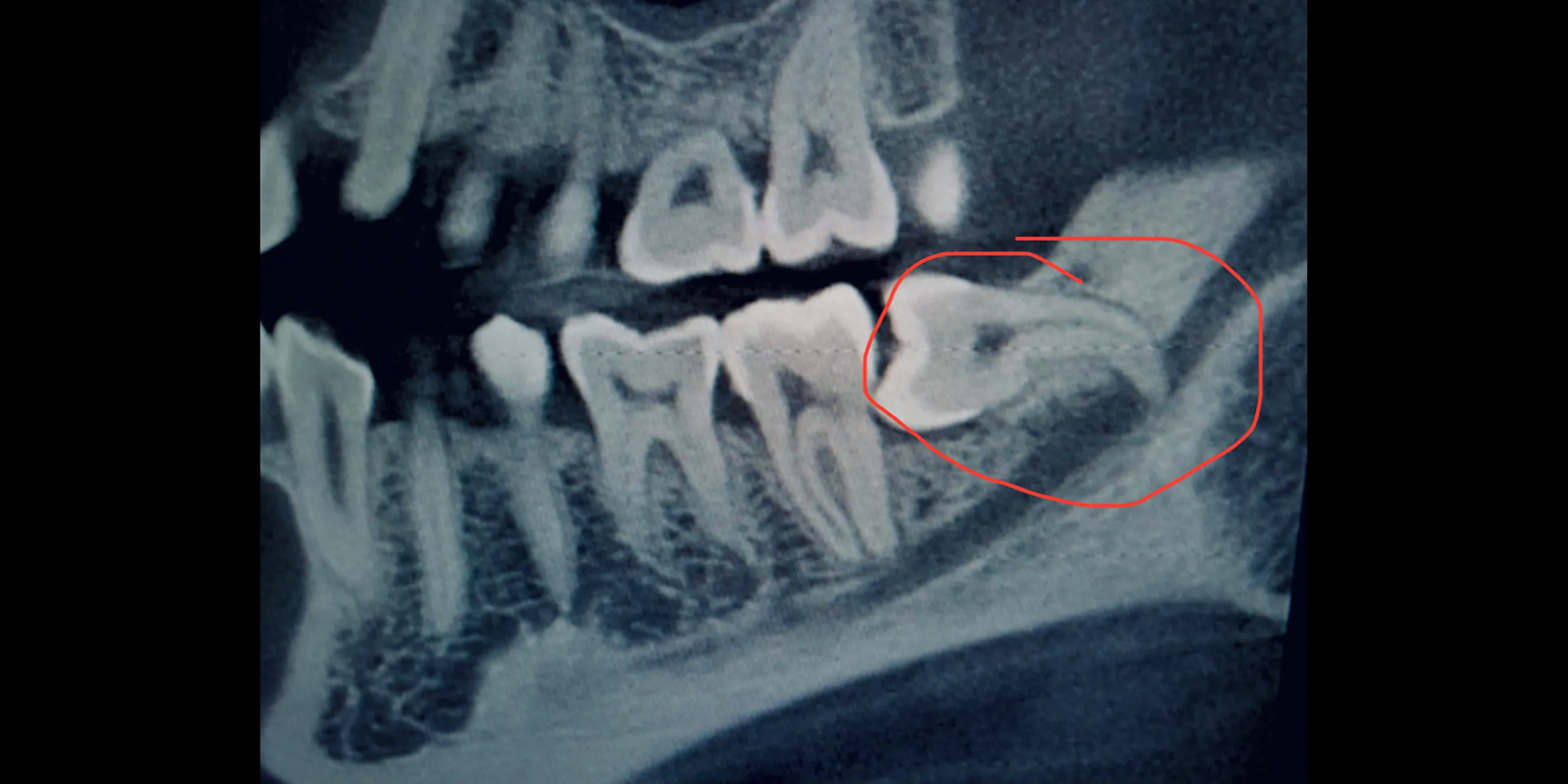
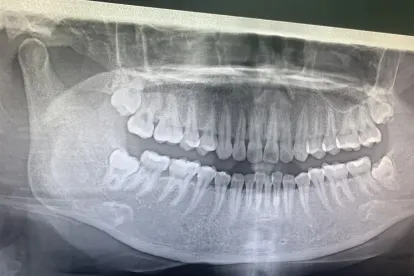
Your journey usually starts with a short consultation. The dentist will review your medical history (allergies, medications like blood thinners, any chronic conditions), take an X-ray—often a digital periapical, panoramic OPG, or CBCT for complex wisdom teeth—and discuss the plan, risks, and fees before you sign consent. Thai clinics are punctual by habit; walk-in is possible in many places, but making an appointment helps you avoid a long queue.
Local anesthesia is standard, using lidocaine or articaine to keep you comfortable. For nervous patients or complex surgical extractions, hospitals and specialist centers can arrange conscious IV sedation with monitoring; some clinics also offer nitrous oxide. Throughout the procedure, staff will explain each step in a calm, “no need to worry” manner, and they will check your comfort level frequently.
Types of extraction
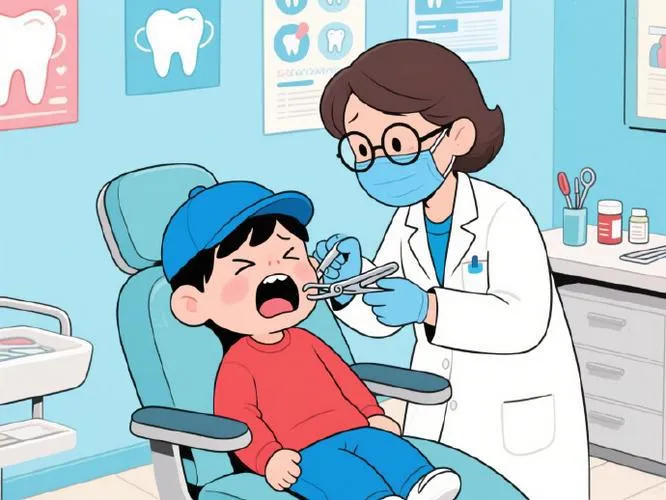
- Simple extraction: For teeth visible above the gum line, the dentist uses elevators and forceps with controlled, gentle movements. It’s usually quick, around 15–30 minutes per tooth.
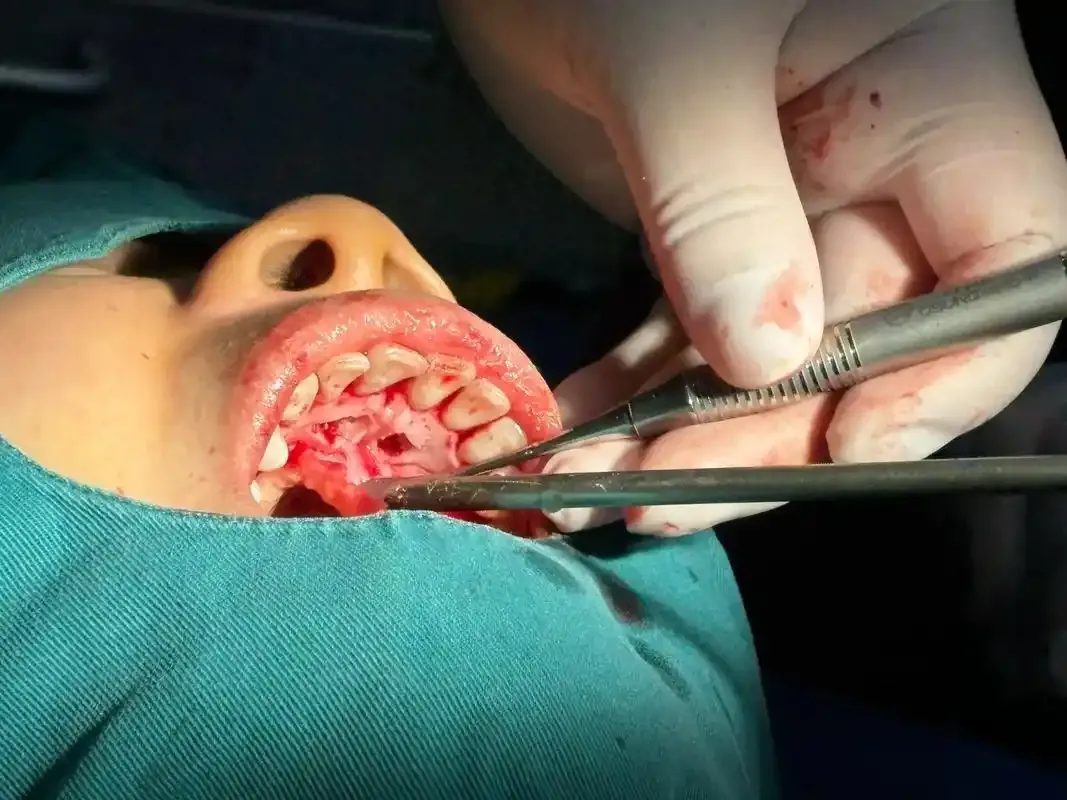
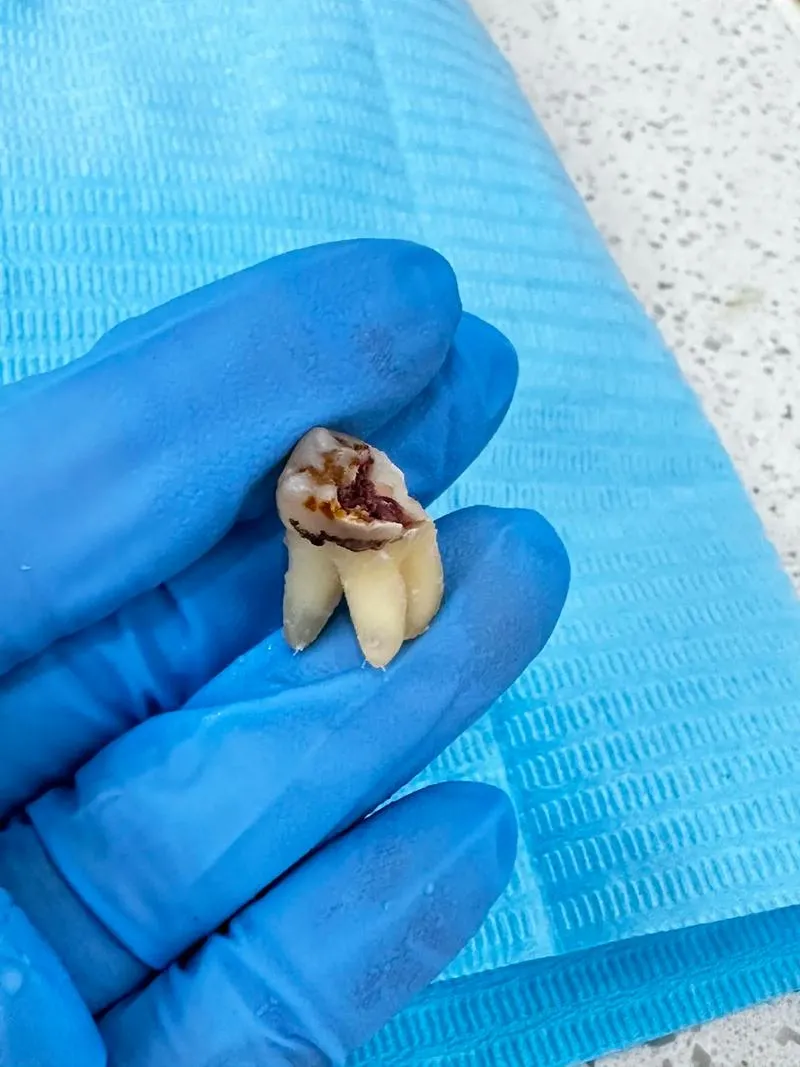
- Surgical extraction: For broken roots or impacted wisdom teeth, an oral surgeon may open the gum, remove a small amount of bone, divide the tooth, and place sutures. This can take 30–60 minutes (or more for deep impactions).
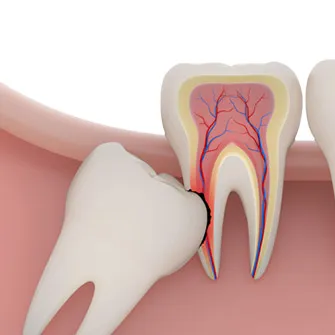
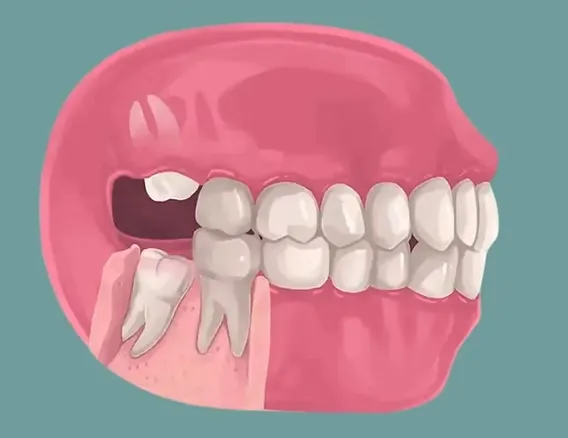
Wisdom tooth removal in Thailand is common, and clinics follow international protocols: pre-op imaging to assess nerve proximity, sterile field preparation, precise technique, and careful post-op instructions to minimize dry socket and swelling.
Safety and quality assurance
Reliable clinical performance in Thailand is supported by:
- Qualified clinicians: Dentists are licensed by the Dental Council of Thailand; many have postgraduate training (DDS, MSc, or Residency in Oral and Maxillofacial Surgery). Large private hospitals may be JCI-accredited, and many clinics are audited under Thailand’s Hospital Accreditation program.
- Infection control: Instruments are sterilized by autoclave with batch indicators; clinical areas are disinfected between patients. Expect gloves, masks, and protective eyewear as standard.
- Evidence-based care: Antibiotics are not given routinely for simple cases, in line with stewardship guidelines; instead, dentists focus on atraumatic technique, clean fields, and targeted pain management.
- Imaging and documentation: Digital X-rays lower radiation and aid accurate planning; your records can be provided in English upon request.
Pain control and recovery
After extraction, the dentist will place gauze for pressure and give clear instructions. Most patients manage well with ibuprofen or paracetamol (acetaminophen). Swelling peaks at 48–72 h
ours for surgical extractions; an ice pack 10–15 minutes at a time on day one helps. Sutures, if placed, are usually removed after one week, or they may be resorbable.
Practical aftercare tips that fit local lifestyle
- For the first 24 hours: Bite on gauze as advised, avoid vigorous rinsing or spitting, and skip hot, spicy, or sour foods that can irritate the socket.
- Eat soft, easy foods: Think rice porridge (jok), soft-boiled eggs, banana, yogurt, tofu, or khao tom (rice soup). Keep it lukewarm, not hot.
- Hydration is important, but avoid straws for 48 hours to prevent dislodging the clot.
- No smoking or vaping for at least 72 hours; it delays healing.
- Start gentle saltwater rinses from day two, or use a prescribed mouth rinse like chlorhexidine as instructed.
- Take it easy: Avoid heavy exercise, sauna, and alcohol for 24–48 hours. If you had sedation, arrange a friend or Grab ride and rest the same day.
When to call the clinic
Thai clinics are very responsive; if you have any of the following, kindly contact the dentist:
- Continuous bleeding that does not slow after 2–3 hours of proper gauze pressure
- Increasing pain after day three (possible dry socket)
- Fever, foul taste or pus, or facial swelling that worsens
- Numbness of lip, chin, or tongue beyond the first day after wisdom tooth surgery
Costs and time frame
Fees vary by city and clinic level, but typical ranges are:
- Simple extraction: THB 800–2,500 in clinics; THB 1,500–3,500 in hospitals
- Surgical extraction: THB 4,000–12,000
- Impacted wisdom tooth: THB 6,000–18,000 depending on depth, angle, and nerve proximity
These usually include local anesthesia and standard post-op meds; imaging may be additional. Many clinics accept cash and major cards; quotes are transparent, and you will see the breakdown before treatment.
Choosing the right clinic
For reliable results, look for:
- Dentist credentials displayed (license number, specialty training)
- On-site digital X-ray (OPG/CBCT for wisdom teeth)
- Clear consent forms and written aftercare in English
- Sterilization visibility (autoclave logs or explanation on request)
- Good communication and fees explained upfront
- Backup for complications (referral pathway to an oral surgeon or hospital)
Useful notes for visitors and expats
Schedule wisely: avoid extracting a tooth right before island hopping or long treks. Give yourself one to two rest days post-surgery, especially after wisdom teeth removal. If you plan scuba diving, allow full recovery first. Keep your dentist’s contact on Line or WhatsApp for easy follow-up, and request a medical certificate if you need time off work.
Why Thailand is a confident choice
Thailand’s dental sector combines gentle chairside manner with disciplined technique. The service culture—polite staff, efficient queue management, and “can do” problem solving—pairs well with modern equipment and stringent hygiene. From consultation to follow-up, the process is straightforward, the pricing is clear, and the clinical results are consistently reliable.
If you need a tooth extracted in Thailand, rest assured: you will be in capable hands, with a smooth procedure, sensible aftercare, and a quick return to your normal routine.