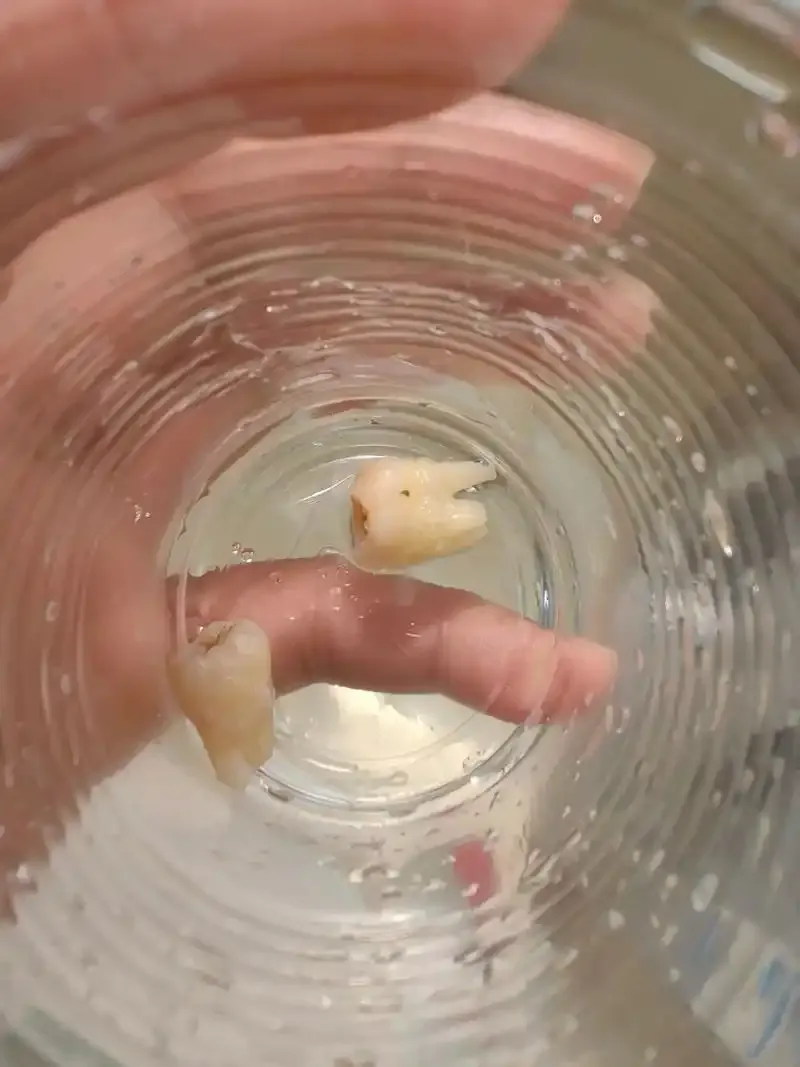
Thailand Tooth Extraction Treatment for Painful Wisdom Teeth
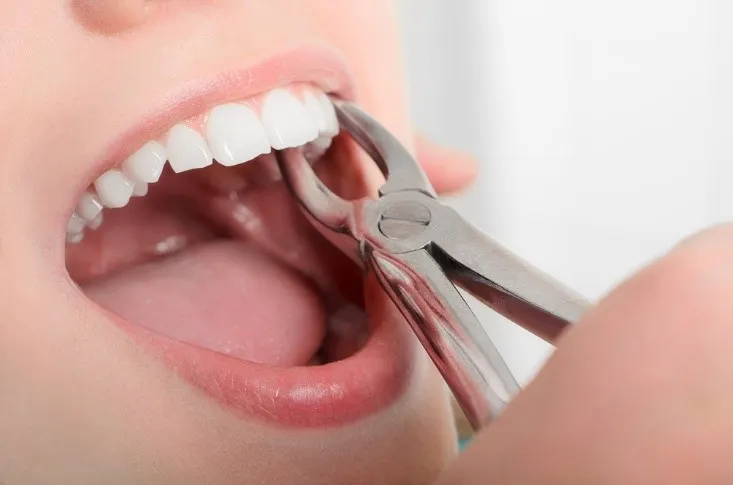
Thailand Tooth Extraction Treatment for Painful Wisdom Teeth
Thailand Tooth Extraction Treatment for Painful Wisdom Teeth
If a painful wisdom tooth is making it hard to eat, sleep, or enjoy your day, Thailand offers fast, professional care at fair prices. Whether you live in Bangkok or you’re traveling in Chiang Mai, Phuket, or Pattaya, you can find experienced dentists and oral surgeons who handle wisdom tooth extraction every day. English is widely spoken at many clinics and international hospitals, appointments are easy to book (often via Line), and treatment is done under strict sterile standards.
Why Thailand is a good place for wisdom tooth removal
- Skilled dentists and oral & maxillofacial surgeons with modern equipment (digital X‑ray, panoramic/OPG).
- Competitive pricing compared to many Western countries.
- Convenient locations near BTS/MRT in Bangkok or central areas upcountry.
- Flexible hours, including evenings and weekends in many clinics.
- Clear communication in English at private clinics and international hospitals.
Do you really need extraction?
Not every wisdom tooth must come out. However, you should see a dentist quickly if you have:
- Persistent pain at the back molar area
- Swelling of the gum or cheek
- Bad taste, pus, or difficulty opening your mouth (trismus)
- Repeated biting on the cheek, or food trapped under the gum flap
- Fever or swollen lymph nodes
These signs suggest impaction, infection (pericoronitis), or decay that often needs extraction. In Thailand, the first step is a consultation with a panoramic X‑ray so the doctor can see the root position and nerve anatomy.
Where to go: clinic, hospital, or dental school
- Private dental clinics: Fast appointment, transparent prices, convenient locations (Sukhumvit, Silom, Nimman, etc.). Good for both simple and many surgical extractions.
- International hospitals: Ideal if you need IV sedation or have complex medical history. Expect higher fees but full service in English.
- Government hospitals and dental schools (e.g., Mahidol, Chulalongkorn): Lower cost but longer queue. Usually weekday hours and booking required.
Tip: Most places accept booking via phone, website, or Line Official Account. Walk‑in is possible at many clinics, but booking helps you avoid waiting. Bring your passport for registration if you’re a foreigner.
Typical cost of wisdom tooth extraction in Thailand
Prices vary by city, clinic level, and difficulty of the case. As a general guide:
- Consultation: often free to 500–1,000 THB
- Panoramic X‑ray (OPG): around 500–1,500 THB
- Simple extraction (erupted tooth): about 1,500–3,000 THB per tooth
- Surgical extraction of impacted wisdom tooth: about 5,000–12,000 THB per tooth
- IV sedation or general anesthesia (if required): additional fee, usually a few thousand to over 10,000 THB depending on facility
International hospitals and premium clinics can be higher, while teaching hospitals can be lower. Always ask for a clear quotation and whether the price includes X‑ray, local anesthesia, sutures, post‑op check, and medication. Most clinics accept cash, credit card, and PromptPay. If you need insurance reimbursement, request an itemized receipt and medical certificate in English.
What happens during tooth extraction in Thailand
1) Consultation and X‑ray: The dentist will evaluate if the tooth is simple or impacted and explain the plan.
2) Anesthesia: Local anesthesia is standard and very effective. If you prefer sedation, discuss available options (in hospital settings).
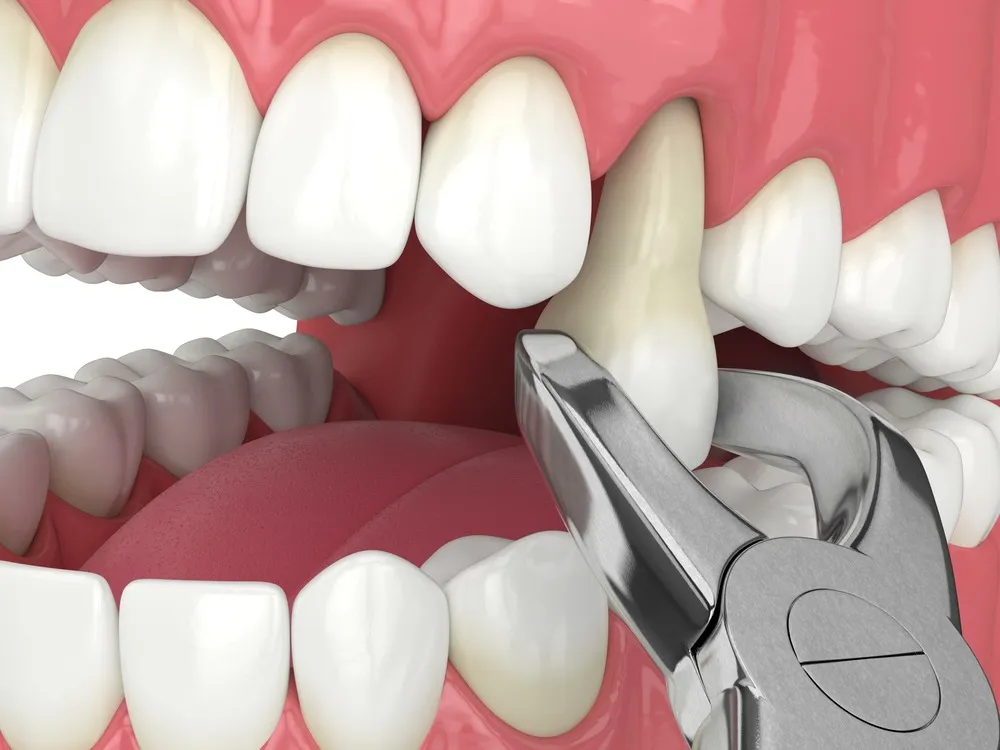
3) Extraction: A simple case may take 10–20 minutes. An impa
cted tooth may require a small incision and removal in sections, usually 30–60 minutes. Stitches are often placed; many clinics use dissolvable sutures.
4) Recovery instructions: You will receive written advice, painkillers, and sometimes antibiotics when indicated.
Pain control and recovery tips
Most patients feel pressure during the procedure but no sharp pain due to local anesthesia. Mild to moderate soreness is common for 2–3 days. Swelling may peak on day 2 and then settle. To recover smoothly:
- Bite firmly on the gauze for 30–60 minutes to stop bleeding, then change if needed.
- Apply an ice pack to the cheek for the first 24 hours, 15 minutes on and 15 minutes off.
- Take pain medicine as prescribed; do not skip meals before taking NSAIDs if your stomach is sensitive.
- Start warm salt‑water rinses after 24 hours, 2–3 times a day, especially after meals.
- Sleep with your head slightly elevated for the first two nights.
- Eat soft foods: rice porridge (jok), khao tom, soft noodles, tofu, scrambled eggs, yogurt, ripe bananas. Avoid sticky rice and hard, crunchy items for a few days.
- Avoid spicy foods, alcohol, and smoking during the first week as they delay healing.
- No straw and no vigorous spitting for 48–72 hours to prevent dislodging the blood clot (dry socket).
- Keep the area clean with gentle brushing around the site; your dentist may recommend a chlorhexidine rinse.
Climate and lifestyle notes in Thailand
Hot weather can make swelling feel worse. Stay hydrated, rest, and avoid heavy exercise for 48 hours. If you need extra gauze or saline, most pharmacies and even 7‑Eleven carry basic supplies. Plan your commute to avoid long motorbike or tuk‑tuk rides immediately post‑op if you feel dizzy; taxis and public transport (BTS/MRT) are more comfortable.
When to seek urgent care
- Fever above 38.5°C, spreading swelling to the neck, or difficulty breathing/swallowing
- Bleeding that does not slow after consistent pressure for one to two hours
- Severe pain after day 3, bad smell, or exposed socket (possible dry socket)
- Numbness of the lip or tongue that persists beyond the first day
If any of these happen, contact the clinic or go to a hospital emergency department. Most international hospitals in major cities are open 24/7.
Planning around travel
If you’re flying, try to keep at least 48–72 hours after a simple extraction before boarding, and 5–7 days after a surgical extraction if possible. Avoid diving, Muay Thai, or high‑intensity training until your dentist clears you. If you’re on holiday, consider doing the X‑ray and consultation early in your trip and schedule extraction when you can rest for a couple of days.
How to choose a good clinic in Thailand
- Check reviews and look for experienced oral surgeons for impacted cases.
- Confirm that the clinic provides a panoramic X‑ray and explains risks in English.
- Ask about sterilization protocols and whether instruments are sealed/sterile.
- Ensure transparent pricing with no hidden fees.
- Convenient location near BTS/MRT or easy parking can make follow‑ups easier.
The bottom line
Thailand tooth extraction treatment for painful wisdom teeth is safe, efficient, and good value when you choose a reputable clinic or hospital. With proper diagnosis, careful surgery, and simple aftercare, most patients are back to normal activities within a week. If wisdom tooth pain is disrupting your routine, don’t wait—book a consultation, get your X‑ray, and let a Thai dental professional help you smile comfortably again.