Thailand Tooth Extraction Clinics Offering Comfortable Patient Care
Thailand Tooth Extraction Clinics Offering Comfortable Patient Care
Thailand Tooth Extraction Clinics Offering Comfortable Patient Care
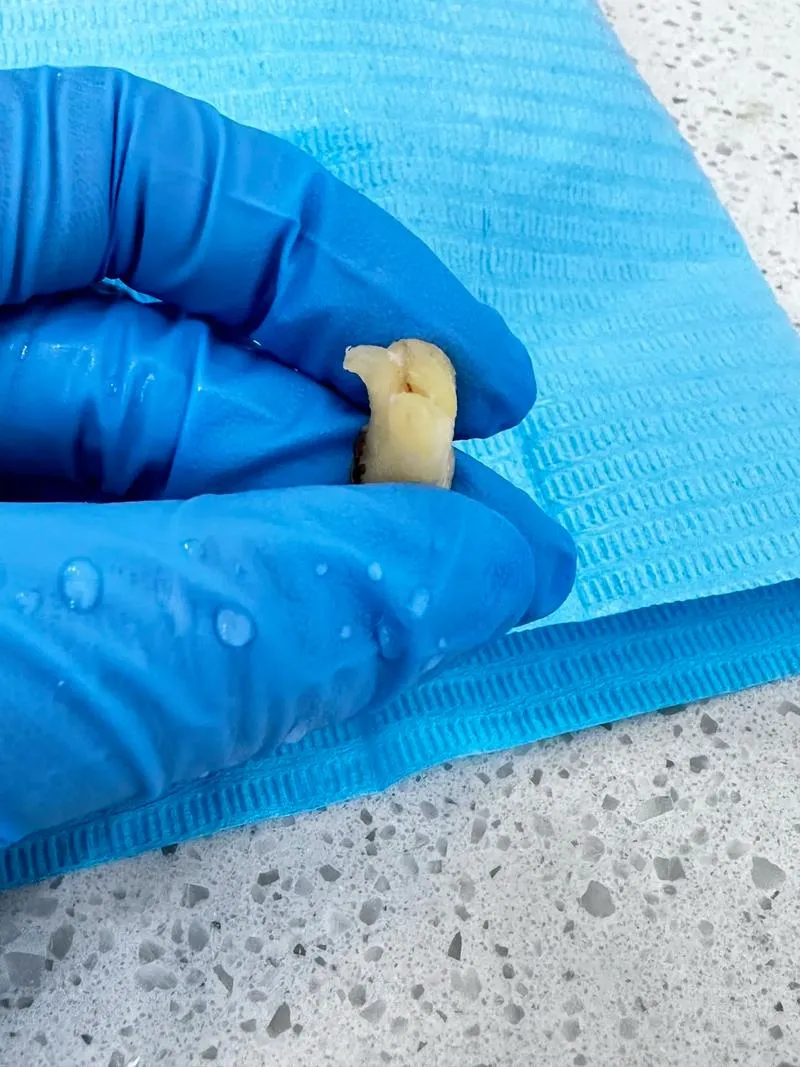
If you’re in Thailand and need a tooth pulled—whether it’s a wiggly baby molar, a painful cavity that can’t be saved, or a stubborn wisdom tooth—you’ll find that local clinics put a big focus on comfort and clear communication. Across Bangkok, Chiang Mai, Phuket, and beyond, dentists are known for a sabai-sabai approach: calm, gentle, and efficient. Add modern equipment, fair pricing, and a friendly “khun” to greet you at the door, and tooth extraction here doesn’t have to be a stressful story.
What makes clinics in Thailand feel comfortable
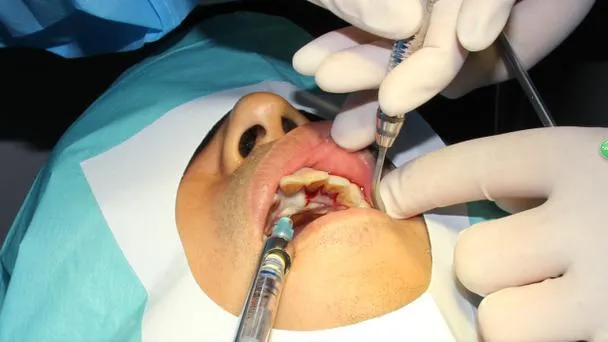
- Gentle technique and proper numbing. Most clinics use a topical gel to numb your gums before a slow, careful injection of local anesthetic (usually lidocaine or articaine). Many patients are surprised at how little they feel. Dentists here are trained to go slowly and keep you updated: “Little pressure only, ok na?”
- Clear explanations in English and Thai. In Bangkok especially, you’ll find many English-speaking dentists who show you the X-ray and explain the plan step by step. You’ll get a written estimate first—no hard sell, no surprise add-ons.
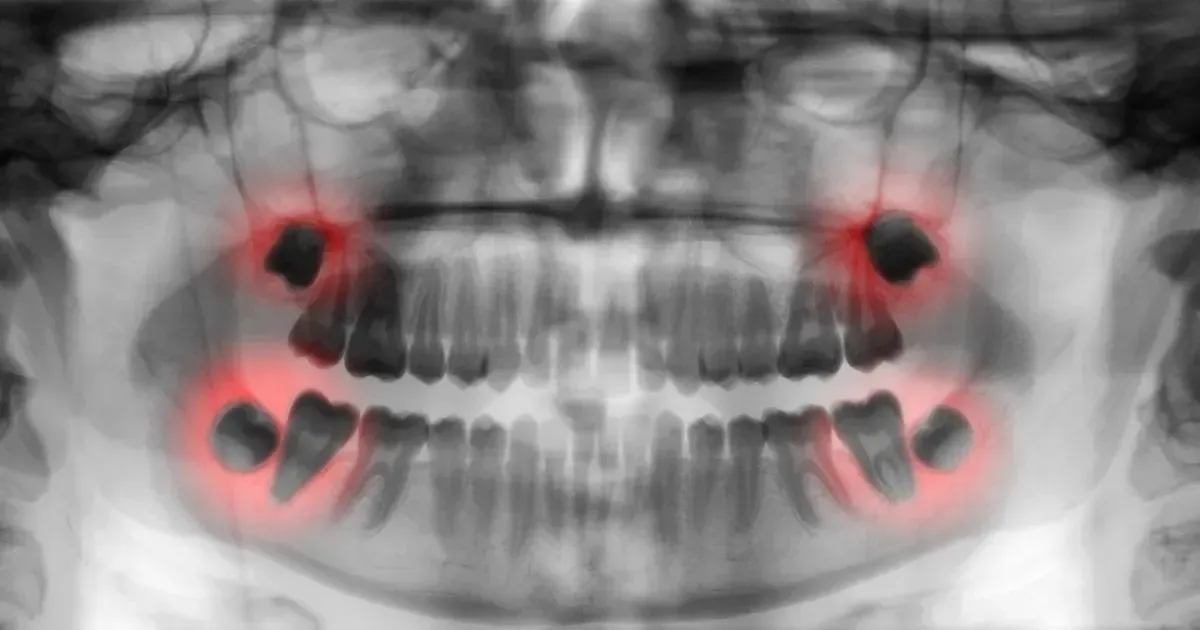
- Modern tech for accurate diagnosis. Digital X-rays and panoramic films are standard; some clinics offer 3D CBCT scans for impacted wisdom teeth to reduce risk and shorten the procedure time.
- Hygiene at international standards. Sterilized, sealed instrument packs, single-use needles, and autoclave logs are normal. Many clinics will happily show you their sterilization room if you ask.
- Calming environment. Air-con, soft music, Netflix on the ceiling TV, even a small blanket if the room feels a bit “air.” Staff are quick to offer a glass of water and a mai pen rai smile.
What to expect during your extraction
1) Consultation and X-ray: The dentist checks your medical history, takes a small periapical film or a panoramic X-ray, and discusses whether it’s a simple extraction (no gum cutting) or a surgical one (for broken roots or impacted wisdom teeth).
2) Numbing and prep: A numbing gel goes on first, then a slow injection. You’ll feel pressure but not sharp pain. If anything feels uncomfortable, just raise your hand—Thai dentists are very responsive to that signal.
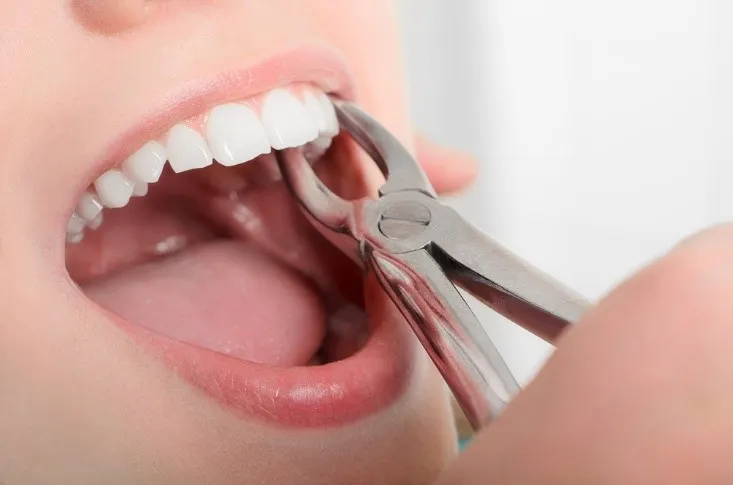
3) The procedure: Simple extractions are often done in 10–20 minutes. Surgical extractions may take 30–60 minutes and can include a small incision, careful bone trimming, and stitches. The dentist irrigates the area, places gauze, and checks that bleeding is controlled.
4) Medication and instructions: You’ll get aftercare written in English and Thai. Pain relievers are commonly provided, and antibiotics only when clinically needed. Many clinics share a LINE contact for quick questions later.
5) Follow-up: If you have stitches, plan to pop back in 5–7 days for removal. It’s a quick visit, often done while you’re on your way to BTS or after work.
How to choose the right clinic
- Credentials: Look for dentists registered with the Thai Dental Council. For complicated wisdom teeth, an oral and maxillofacial surgeon (OMS) is a good choice.
- Experience: Ask how many extractions (especially wisdom teeth) the dentist performs each month, and request to see case photos or X-rays if you’re curious.
- Communication: Make sure the dentist explains risks, alternatives, costs, and recovery time clearly. Consent forms should be in your language.
-
Sterilization: Confirm use of sealed sterile packs, autoclave, and disposable items. You can ask to see their sterilization indicators.
- Comfort options: If you’re anxious, ask about nitrous oxide (available in selected clinics) or IV sedation in a hospital setting. Even small comforts like noise-canceling headphones help.
- Accessibility: Check location near BTS/MRT, parking availability, and hours (many clinics are open evenings and weekends). Booking via phone, website, or LINE is common.
Costs and payment in Thailand
Fees vary by city and clinic type, but typical ranges are:
- Simple extraction: around 1,200–3,000 THB per tooth in private clinics.
- Surgical extraction: around 3,500–8,000 THB.
- Impacted wisdom tooth removal: around 5,000–15,000 THB, depending on complexity and whether a specialist is involved.
You’ll usually receive a printed treatment plan and receipt. Most clinics accept cash, credit/debit cards, and QR PromptPay. If you have local company benefits or international insurance, ask the clinic about direct billing or reimbursement paperwork.
Comfort options for nervous patients
- Tell the team if you’re anxious. Thai dentists are kind and patient; they’ll take extra time, use more topical gel, and check in often.
- Ask for nitrous oxide if available, or book with a hospital-based clinic for IV sedation. Sedation is typically arranged in advance and may add to the fee.
- Bring your own playlist and earphones. Some clinics provide TVs or music; you can always request a quick pause if you need a breather.
Aftercare that fits everyday Thai life
- Bite on the gauze for 30–60 minutes to control bleeding, then gently remove. A little oozing is normal for the first day.
- Avoid hot and spicy foods for 48 hours—even if your go-to is tom yum or som tum, give your socket a break. Skip sticky rice, tough meats, and hot soups at first.
- No straw, no smoking, and no vigorous rinsing for the first 24 hours to protect the blood clot.
- Ice the area outside your cheek for 10 minutes on, 10 minutes off for the first few hours to reduce swelling. Sleep with your head slightly elevated.
- After 24 hours, warm saltwater rinses help keep the area clean. Brush gently around the site, but don’t poke the socket.
- If you have stitches, come back on the appointed day (usually 5–7 days). Many clinics will send you a LINE reminder.
- Call the clinic if you notice persistent severe pain after day two (possible dry socket), fever, or swelling that gets worse instead of better.
A quick word on wisdom teeth
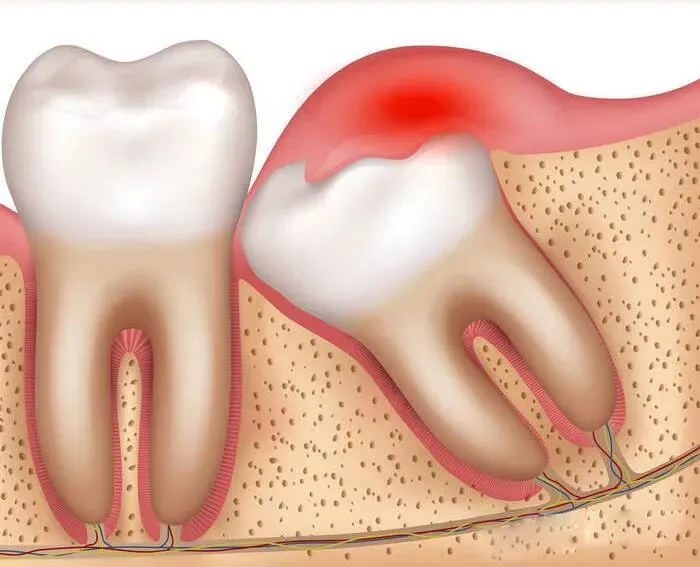
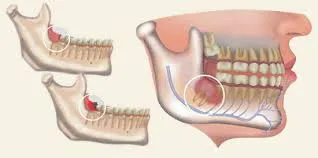
Impacted wisdom teeth are common among patients in Thailand. Good clinics will take a panoramic X-ray, explain root positions near the sinus or nerve, and tell you honestly if a specialist is recommended. Removing wisdom teeth early—before repeated infections—often means an easier recovery.
Why Thailand is a good place for this treatment
You get a practical combination: skilled dentists, efficient systems, and a culture that values putting patients at ease. Whether you’re a local, an expat, or a traveler, you can expect straightforward pricing, clean facilities, and staff who check “pain ok?” throughout the procedure. With convenient locations near BTS and MRT, evening slots after work, and follow-up care that’s easy to reach on LINE, tooth extraction in Thailand is designed to be as comfortable as possible—so you can get back to your day, sabai-sabai.