Thailand Tooth Extraction Services for Overseas Dental Patients
Thailand Tooth Extraction Services for Overseas Dental Patients
Thailand Tooth Extraction Services for Overseas Dental Patients
Thinking about getting a tooth removed while you’re in Thailand? No worries. Many overseas dental patients choose Thailand for tooth extraction because the clinics are modern, prices are reasonable, and English-speaking dentists are easy to find. Whether you’re living here as an expat or flying in for a short trip, you’ll find service-minded teams, clean and sterile treatment rooms, and a smooth process from first consult to aftercare.
Why Thailand is a good choice
- International quality at a friendly price: Thai dental clinics follow strict sterilization protocols—autoclave instruments, single-use needles, and proper PPE. Many dentists trained abroad or hold international certifications, and they are used to explaining everything in clear English.
- Convenient travel: Bangkok, Phuket, Chiang Mai, and Pattaya have clinics close to BTS Skytrain or MRT stations, airports, and hotels. It’s easy to book online or via Line, and many clinics offer evening or weekend slots.
- Service culture: Staff are warm and “take care” of patients. You’ll be guided on X-rays, payments, and aftercare without hassle.
Types of tooth extraction available
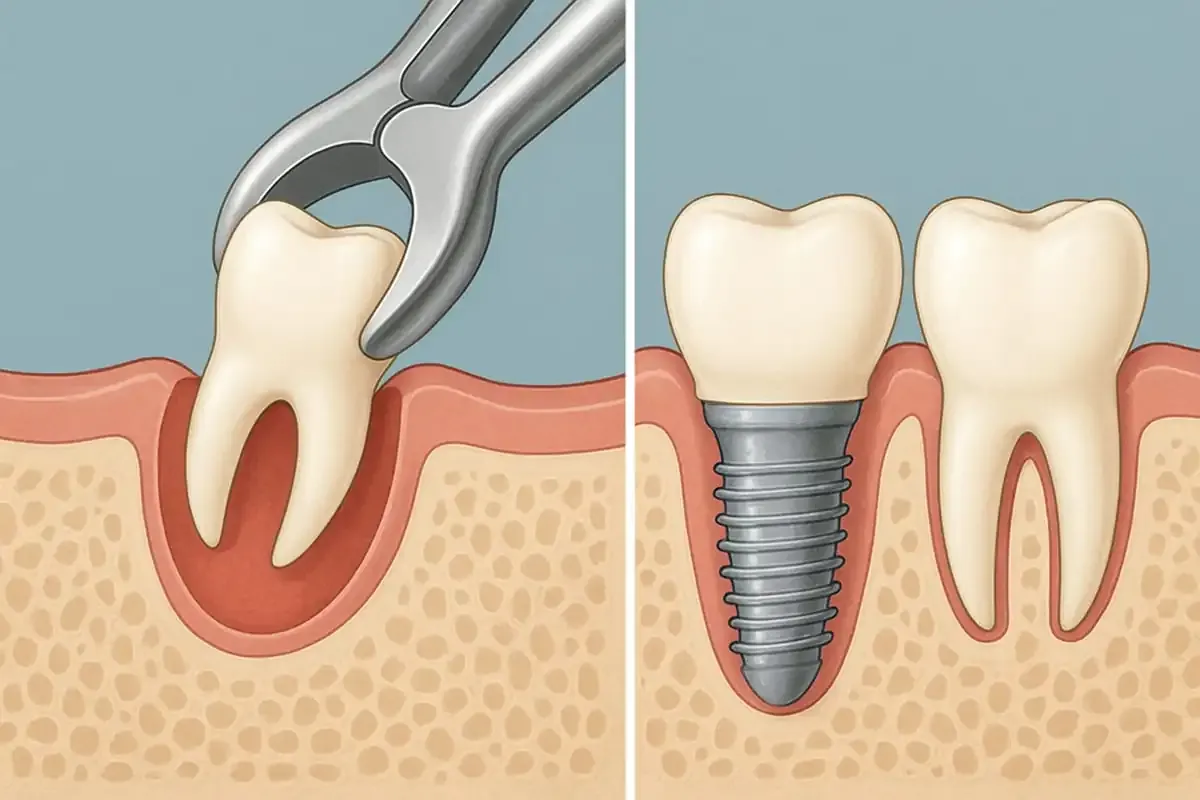
- Simple extraction: For teeth that can be removed without cutting the gum, typically using local anesthesia.
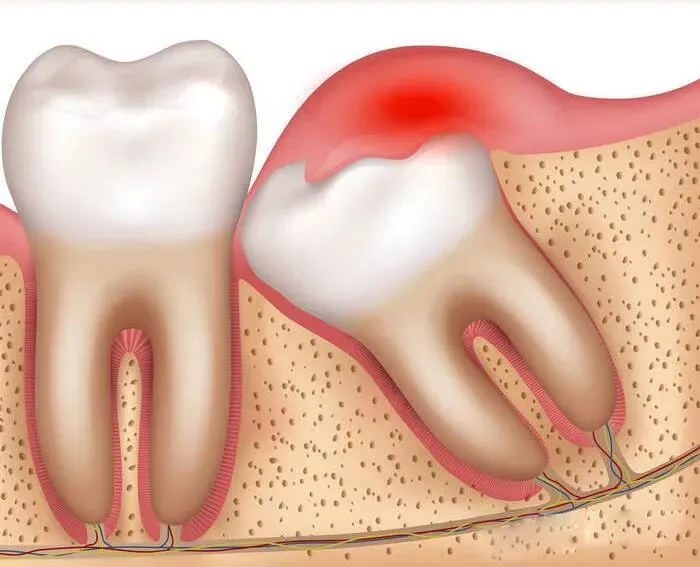
- Surgical extraction: For wisdom teeth or broken/impacted teeth. This may involve a small incision, sectioning the tooth, and stitches. An oral surgeon usually handles impacted wisdom tooth removal.
- Sedation options: Local anesthesia is standard, but some clinics offer IV sedation or “sleep dentistry” for anxious patients (available mainly in larger clinics or hospitals).
What to expect during your visit
1) Consultation and X-ray: After registration (bring your passport), the dentist will assess your tooth. Panoramic X-ray or CBCT may be recommended for wisdom teeth or complicated roots. Fees for imaging are typically explained up front.
2) Treatment plan and quotation: The dentist will explain whether it’s a simple or surgical extraction, the estimated time, and cost in Thai baht. For surgical cases, a specialist appointment may be arranged, sometimes on the same day.
3) Anesthesia and procedure: Local anesthesia is given; once numb, the dentist proceeds. A simple extraction often takes 10–20 minutes; surgical cases may take 30–60 minutes per tooth.
4) Aftercare and medication: You’ll receive gauze, an ice pack if needed, and clear instructions. Painkillers (e.g., ibuprofen or paracetamol) and antibiotics may be prescribed if clinically indicated. Some clinics provide a written aftercare sheet for foreigners.
Typical cost ranges
- Simple tooth extraction: around 1,500–3,500 baht per tooth in private clinics (prices vary by city and clinic).
- Surgical wisdom tooth removal: around 5,000–12,000 baht per tooth; deeply impacted cases can be 8,000–20,000 baht.
- X-ray fees: panoramic 400–1,500 baht; CBCT 2,500–4,500 baht.
- IV sedation (if available): additional 8,000–20,000 baht+ depending on time and setting.
These are guide prices only—clinics will confirm the final quotation after examination.
Popular locations for overseas patients
- Bangkok: Many clinics near BTS/MRT (e.g., Sukhumvit, Silom, Sathorn). International hospitals with dental centers are common, and appointments are easy to secure. Air-con waiting areas, clear queue systems, and English-speaking reception are standard.
- Phuket: Clinics around Patong, Phuket Town, and tourist zones cater to short-stay visitors; convenient for combining dental care with a beach holiday.
- Chiang Mai:
Nimmanhaemin and Old City areas have reputable clinics serving expats and travelers.
- Pattaya: Many dental centers handle walk-ins; package prices and promotions are common during low season.
Where possible, choose a clinic with an oral surgeon on-site for complex wisdom teeth.
Booking tips for overseas patients
- Make an appointment in advance, especially before public holidays. Walk-ins are often welcome, but booking helps avoid a long queue.
- Share your medical history and medications. If you take blood thinners or have a heart condition, let the clinic know early so the doctor can plan safely.
- Allow buffer days: Avoid scheduling an extraction one day before a flight. It’s better to rest 24–48 hours after extraction. For surgical wisdom teeth, consider 3–5 easy days.
- Payment and insurance: Most clinics accept cash and credit cards; travel insurance rarely covers elective dental. Ask for a tax invoice if you need to claim later.
Aftercare guidelines commonly given in Thailand
- Bite on gauze for 30–60 minutes to stop bleeding. If it oozes slightly, replace gauze as instructed.
- Ice pack outside the cheek for the first 24 hours (10 minutes on, 10 minutes off) to reduce swelling.
- Eat soft foods: congee, khao tom, yogurt, scrambled eggs. Avoid hot, spicy, or sticky foods for a few days—Thailand’s spicy dishes can irritate the socket.
- No straw, no smoking, and no alcohol for at least 72 hours; suction and smoke can cause dry socket.
- Gentle mouth care: After 24 hours, rinse with warm salt water several times a day. Brush teeth gently, avoiding the wound area.
- Take prescribed painkillers/antibiotics exactly as directed. If severe pain, heavy bleeding, or fever occurs, contact the clinic immediately.
Healing usually takes 3–7 days for normal cases. Stitches may be removed in 5–7 days unless dissolvable (which usually fall out in 7–10 days).
Sterilization and safety standards
Thai clinics emphasize infection control: instrument sterilization by autoclave, surface disinfection between patients, disposable suction tips and needles, and proper PPE. Many dental centers hold international accreditation or follow global guidelines, which is reassuring for overseas patients.
Common questions
- Is English spoken? In major cities and tourist areas, yes. Dentists will explain steps, show your X-ray, and confirm your consent. If you prefer, some clinics can arrange translators or communicate via Line.
- Can I do same-day extraction? For simple cases, often yes. For impacted wisdom teeth or if you need to stop certain medications first, the dentist may schedule another day.
- Will it be painful? Local anesthesia makes the procedure comfortable. You may feel pressure but not sharp pain. Swelling or soreness for 1–3 days is normal and managed with medication and cold compress.
Practical travel notes
Thailand offers visa-exempt entry for many nationalities for short stays; check the latest policy before flying. Clinics near BTS/MRT are very convenient if you want to avoid traffic. If you’re staying in a soi off Sukhumvit or near old town areas, ask for directions—staff are friendly and will guide you. Keep clinic contact on your phone and Line for quick follow-up.
Bottom line
Thailand’s tooth extraction services combine international-standard care, reasonable prices, and easy access for overseas dental patients. With clear communication, transparent fees in baht, and thorough aftercare, you can get your tooth issue sorted smoothly and still enjoy your trip. This guide is general information only—always follow the advice given by your dentist on the day.