Thailand Tooth Extraction Clinics Providing Outstanding Patient Care
Thailand Tooth Extraction Clinics Providing Outstanding Patient Care
《Thailand Tooth Extraction Clinics Providing Outstanding Patient Care》
If you are planning a tooth extraction in Thailand—whether it is a simple removal or a tricky wisdom tooth—there is good news. Clinics across Bangkok, Chiang Mai, Phuket, and other cities are known for service-minded teams, modern equipment, and clear communication. With English-speaking dentists, transparent prices, and convenient locations near BTS and MRT stations, getting an extraction done here is straightforward and comfortable for both locals and visitors.
Why clinics in Thailand stand out
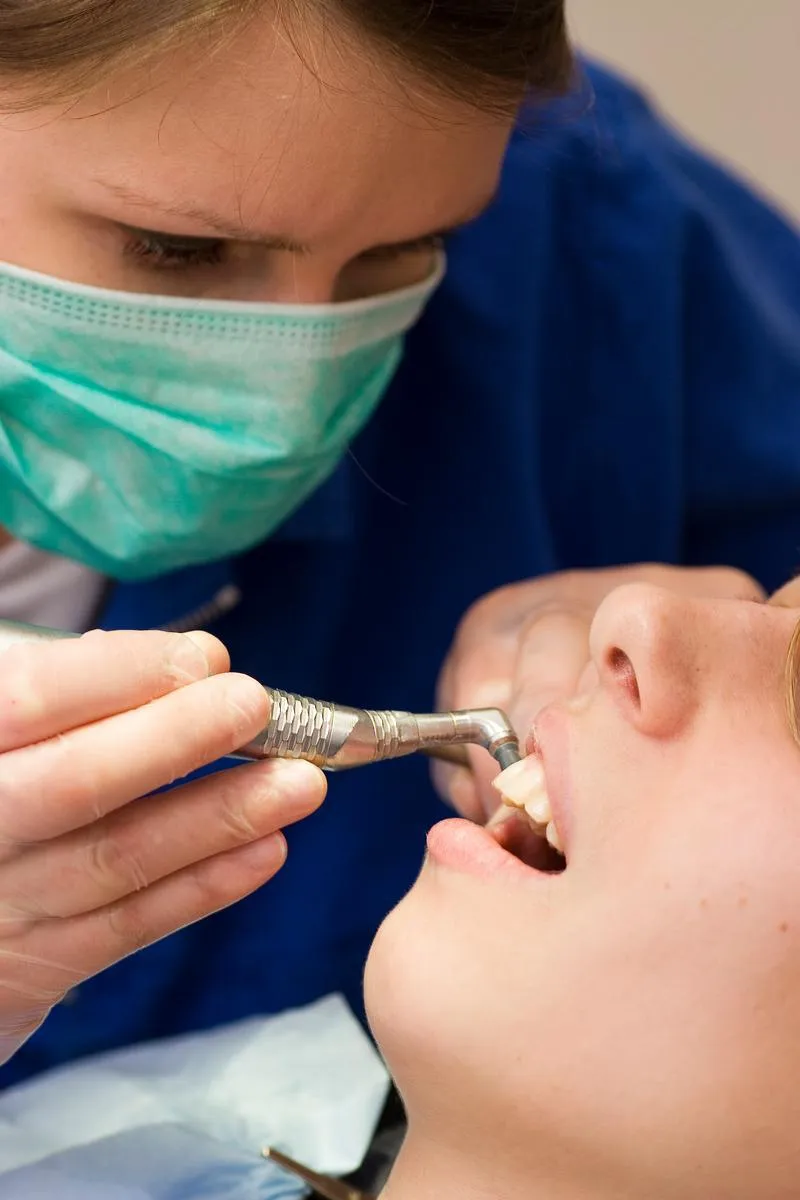
Thailand’s dental clinics are built around hospitality and professionalism. You can expect friendly receptionists, dentists who take time to explain your options, and assistants who check your comfort throughout the visit. Many clinics use digital X-rays, latex-free supplies when needed, and medical-grade sterilization (autoclave and sealed pouches). You will often see the dentist’s license displayed at reception, along with clear price lists. In central Bangkok—Sukhumvit, Silom, and Sathorn—clinics are easy to reach by BTS/MRT, and many have evening or weekend hours to suit busy schedules.
Types of tooth extraction available
Clinics in Thailand handle the full range of extractions:
- Simple extraction for loose or badly decayed teeth
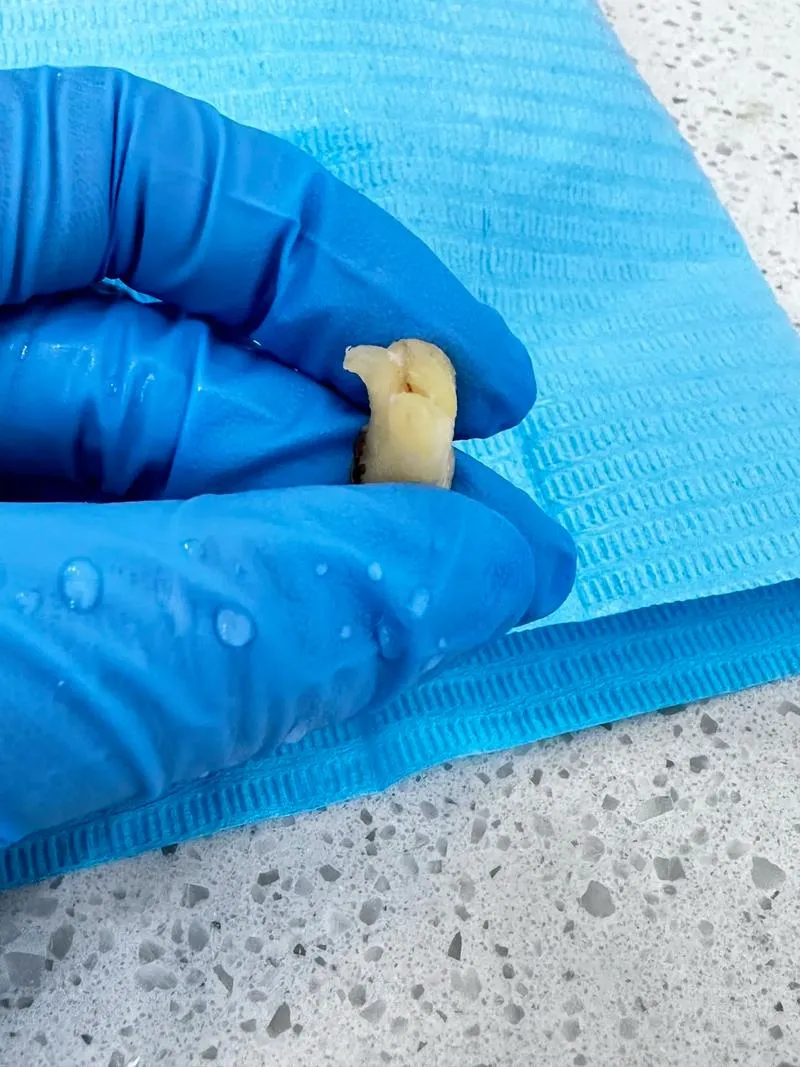
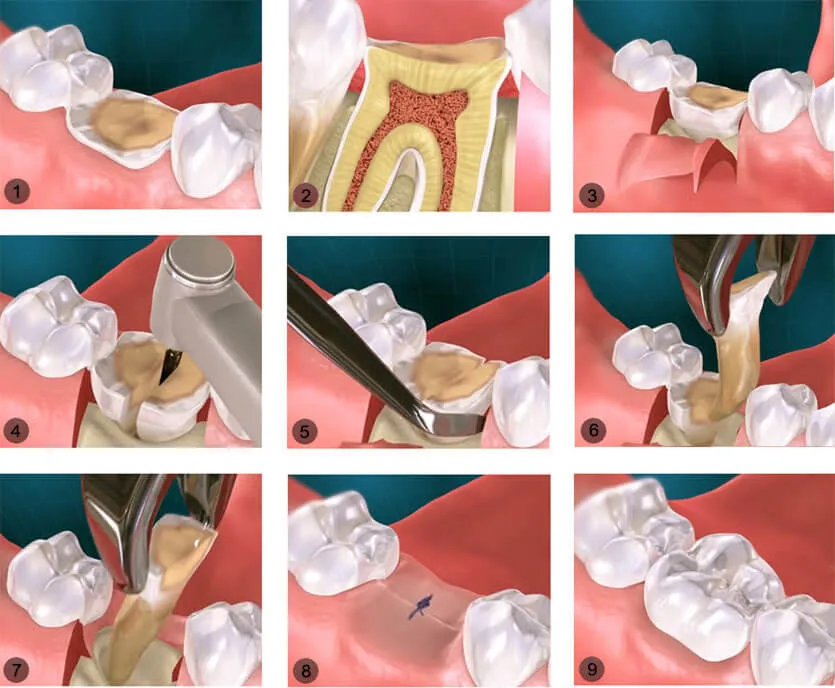
- Surgical extraction when a tooth breaks or sits below the gum
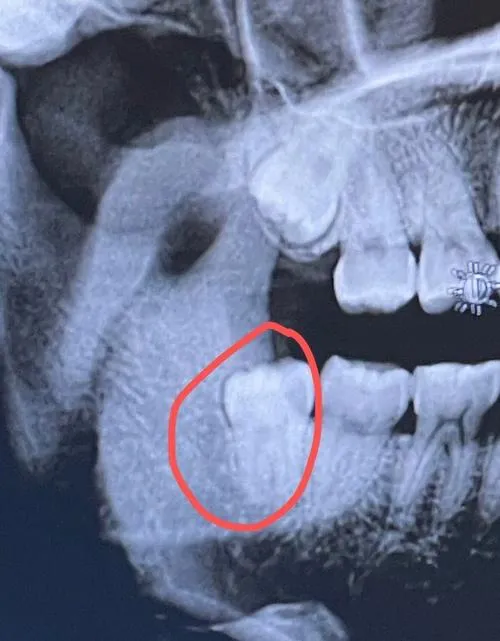
- Wisdom tooth removal, including impacted lower third molars
- Emergency extraction for severe pain or infection
Most procedures are done under local anesthesia. For complex cases or anxious patients, some clinics offer nitrous oxide. If you prefer IV sedation or general anesthesia, larger clinics and private hospitals can arrange this with an oral surgeon and anesthetist.
What to expect on the day
Booking is easy—many clinics accept appointments via phone, website forms, or LINE. Walk-ins are possible at some locations, but for wisdom teeth, it is better to book. When you arrive, you will register, get a queue number, and fill in a short medical history. Bring your medication list and allergy details; if you need a medical certificate for work, ask at reception.
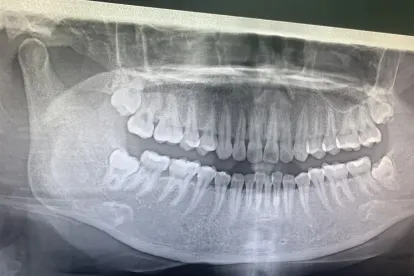
The dentist will do an exam and take X-rays to map roots and nerves. You will get a clear explanation of the plan, inclusive price, and expected downtime. Once you consent, anesthesia is given. You will feel pressure but not sharp pain; if anything feels uncomfortable, say so and the doctor will top up the anesthetic. A simple extraction may take 10–20 minutes; a surgical or impacted wisdom tooth can take 30–60 minutes depending on complexity.
Comfort and pain control
Pain management is a priority. Local anesthetic is standard; for anxious patients, clinics may provide sedative pre-medication or nitrous oxide where available. After treatment, you will receive painkillers, sometimes an anti-inflammatory, and antibiotics only when clinically indicated. Many clinics prepare a take-home pack with gauze and written aftercare in English and Thai. Staff will go over the instructions slowly to make sure you are confident before heading home.
Safe and clean environment
Thai clinics follow strict infection control: single-use needles, sterilized instruments, protective barriers, and proper disposal protocols. Dental chairs and surfaces are disinfected between patients. If you are nervous about safety, feel free to ask how instruments are sterilized; clinics are happy to show their process. For IV sedation or complex cases, choosing a clinic connected with a hospital or one that follows interna
tional standards (some private hospitals are JCI-accredited) gives extra peace of mind.
Aftercare you can actually follow
Good aftercare is what keeps you healing fast:
- Bite on the gauze for 30–60 minutes to stop bleeding
- Rest and keep your head elevated for the first few hours
- Avoid smoking and alcohol for at least 48–72 hours
- No straw, no vigorous rinsing on day one
- Soft foods like congee, khao tom, yogurt, and smoothies (no seeds) for a day or two
- Start gentle warm saline rinses after 24 hours
- Use ice packs on and off during the first day to reduce swelling
If bleeding restarts, place clean gauze and bite firmly for 20 minutes. If you have strong pain after day three, a bad taste, or fever, contact the clinic—it may be a dry socket or infection that needs quick attention. Many clinics follow up via LINE or phone to check your recovery and book a suture removal if needed.
Costs and payment
Thailand is known for fair, transparent pricing. Typical ranges (subject to location and complexity):
- Simple extraction: around THB 800–2,500
- Surgical extraction (non-wisdom): around THB 2,500–6,000
- Wisdom tooth removal: around THB 3,500–15,000 per tooth, higher if deeply impacted or with IV sedation in a hospital setting
Before treatment, the clinic will provide a cost estimate and let you know what is included (X-rays, medications, follow-up). Payment is usually by cash, credit card, or QR PromptPay. Many expat-friendly clinics can issue detailed receipts for insurance claims; direct billing depends on your insurer and plan, so check ahead.
How to choose the right clinic
- Location and access: near BTS/MRT or with parking; easy to get home after treatment
- Dentist’s experience: especially for impacted wisdom teeth or complex roots
- Languages: English-speaking staff for clear instructions
- Equipment: digital X-ray, sterilization proof, emergency kits on site
- Reviews and word of mouth: look for consistent comments on pain control and aftercare
- Opening hours: evenings or weekends if you have a tight schedule
- Transparent pricing: printed or online price lists, no hidden charges
Popular areas and convenience
In Bangkok, Sukhumvit (Asok, Thonglor, Ekkamai), Silom, Sathorn, and Ratchada are packed with reputable clinics, many open after office hours. In Chiang Mai, Nimman and the Old City are convenient for students and travelers. Phuket (Patong, Phuket Town) and Pattaya also have clinics used to international patients. If you prefer hospital-based oral surgery, major private hospitals in these cities have dental centers with referral systems.
Quick FAQs
- Will it hurt? You will feel pressure but the anesthetic blocks sharp pain. Tell the dentist if you feel discomfort.
- How long is recovery? Most people feel better in 2–3 days; swelling from wisdom teeth peaks around day two and settles after day three.
- Do I need antibiotics? Only if there is active infection or the dentist advises for specific reasons.
- Can I fly after extraction? For simple extractions, flying the next day is usually fine; after difficult wisdom teeth, it is safer to wait 48–72 hours. Ask your dentist for a note if you are unsure.
- What about stitches? Some extractions need dissolvable sutures; others require removal in 5–7 days—your clinic will schedule it.
With Thailand’s mix of skilled dentists, kind service, and practical aftercare, tooth extractions here are smoother than many expect. Book early, bring your medical details, follow the post-op tips, and you will be back to normal eating and smiling in no time.