Thailand Tooth Extraction Treatment for Tooth Damage Caused by Injury
Thailand Tooth Extraction Treatment for Tooth Damage Caused by Injury
Thailand Tooth Extraction Treatment for Tooth Damage Caused by Injury
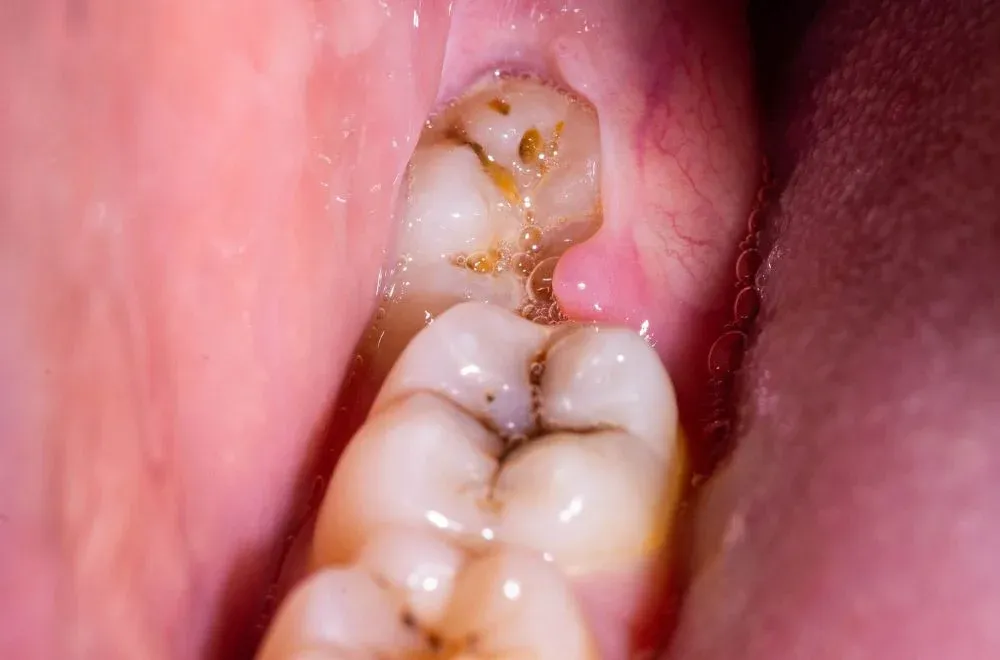
If you’ve chipped, cracked, or knocked a tooth during a fall, a sports mishap, or a motorbike spill, you’re definitely not alone. In Thailand, dental clinics handle tooth injuries every day, and tooth extraction is a common, safe treatment when a tooth can’t be saved. The good news is that care here is fast, professional, and reasonably priced, whether you’re living in Bangkok or just visiting Phuket for a beach break.
When is tooth extraction the right choice?
Not every injured tooth needs to come out. Thai dentists will always assess first and try to save the tooth if possible. You may hear your dentist suggest a root canal, a crown, or even splinting a loose tooth to its neighbors. Extraction usually becomes the best option when:
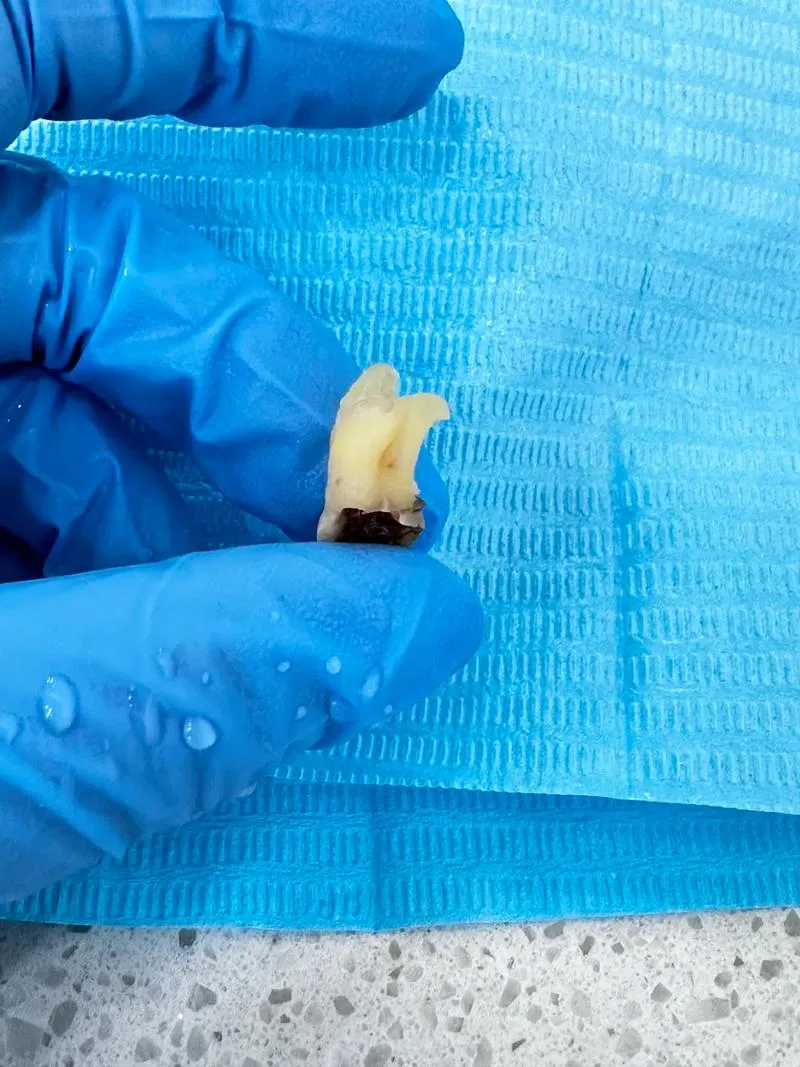
- The tooth is split below the gum line or the root is fractured
- There’s severe mobility due to bone damage
- Infection or abscess is too advanced to treat
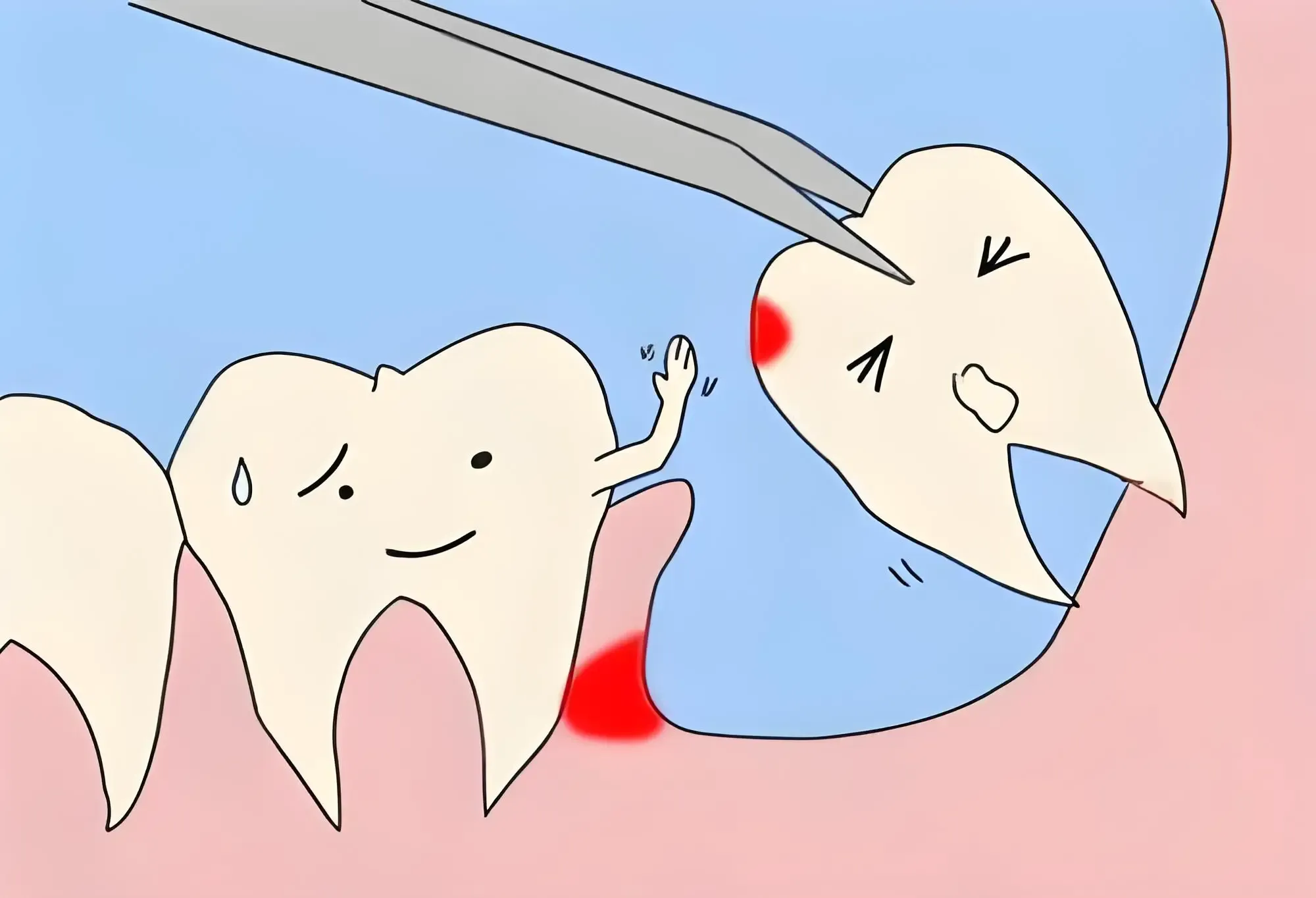
- The tooth is a wisdom tooth fractured or impacted by the injury
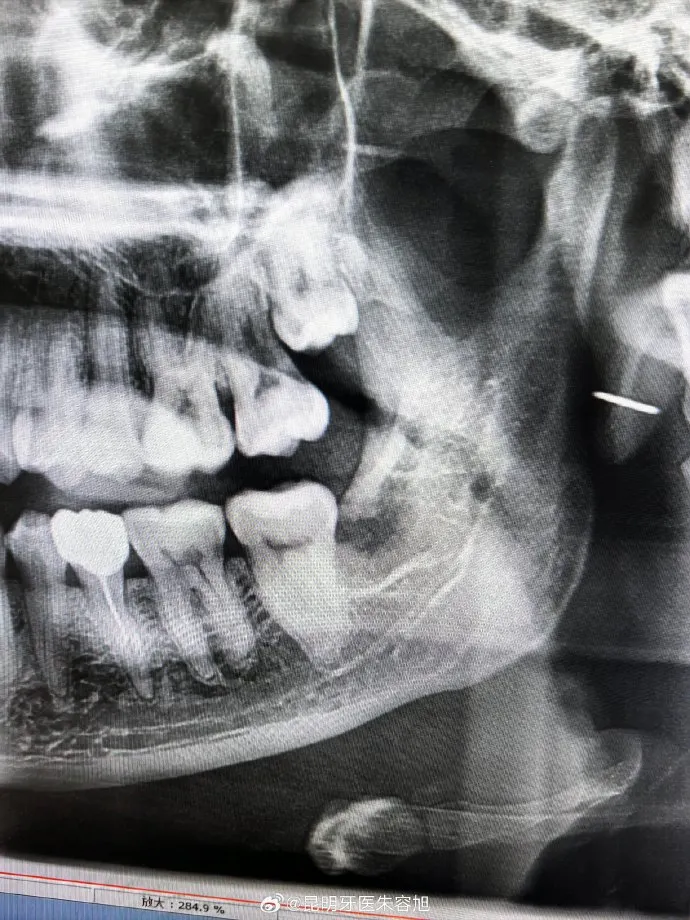
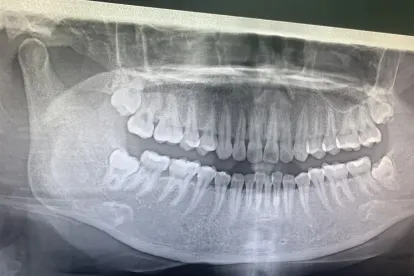
An x-ray or OPG (panoramic x-ray) helps the dentist check the roots and surrounding bone before deciding.
What to expect at a Thai dental clinic
Walk in or call ahead—many clinics leave room for emergency cases. If it’s a public hospital clinic, be ready to take a queue number. Private clinics in areas like Thonglor (Bangkok), Nimman (Chiang Mai), or Patong (Phuket) often have same-day slots. Here’s the usual flow:
- Brief history and exam: how the injury happened, pain level, and any existing medical conditions
- X-ray: to confirm fractures, root shape, and infection
- Treatment plan and cost estimate in Thai baht (THB)
- Consent and anesthesia options
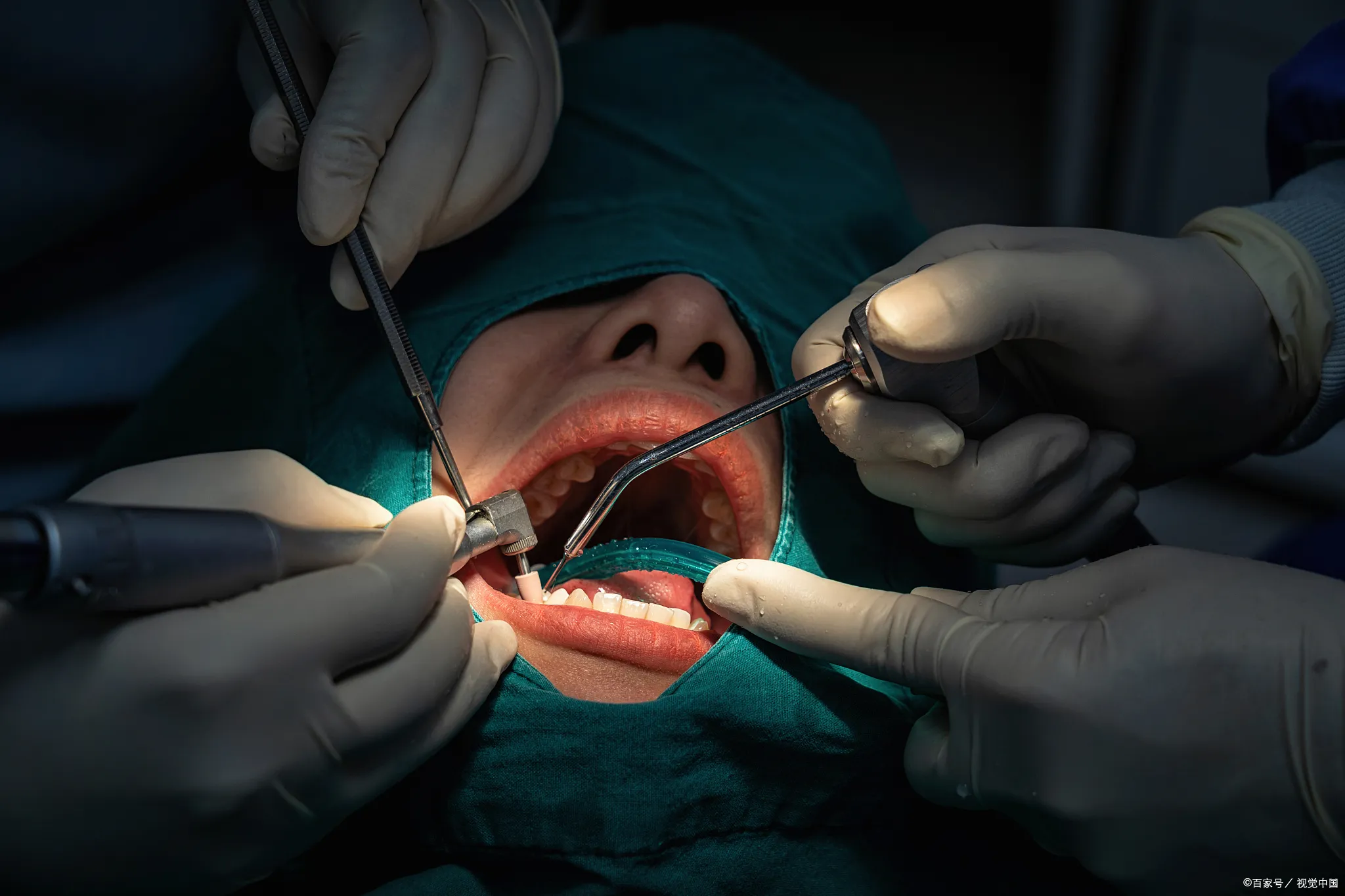
Most extractions use local anesthesia—just a few small injections and you’ll feel pressure but no sharp pain. Some clinics offer nitrous oxide (laughing gas) or IV sedation for anxious patients, usually at extra cost and with pre-visit instructions (e.g., no food for several hours).
Simple vs surgical extraction
- Simple extraction: For teeth with intact crowns and straightforward roots. The dentist gently loosens the tooth and lifts it out. This often takes 20–30 minutes.
- Surgical extraction: Necessary when the tooth is broken at the gum line, roots are curved, or there’s bone involvement. A small incision may be made, and sometimes the tooth is sectioned for easier removal. Wisdom teeth often fall into this category. Expect closer to 45–60 minutes.
Comfort and safety
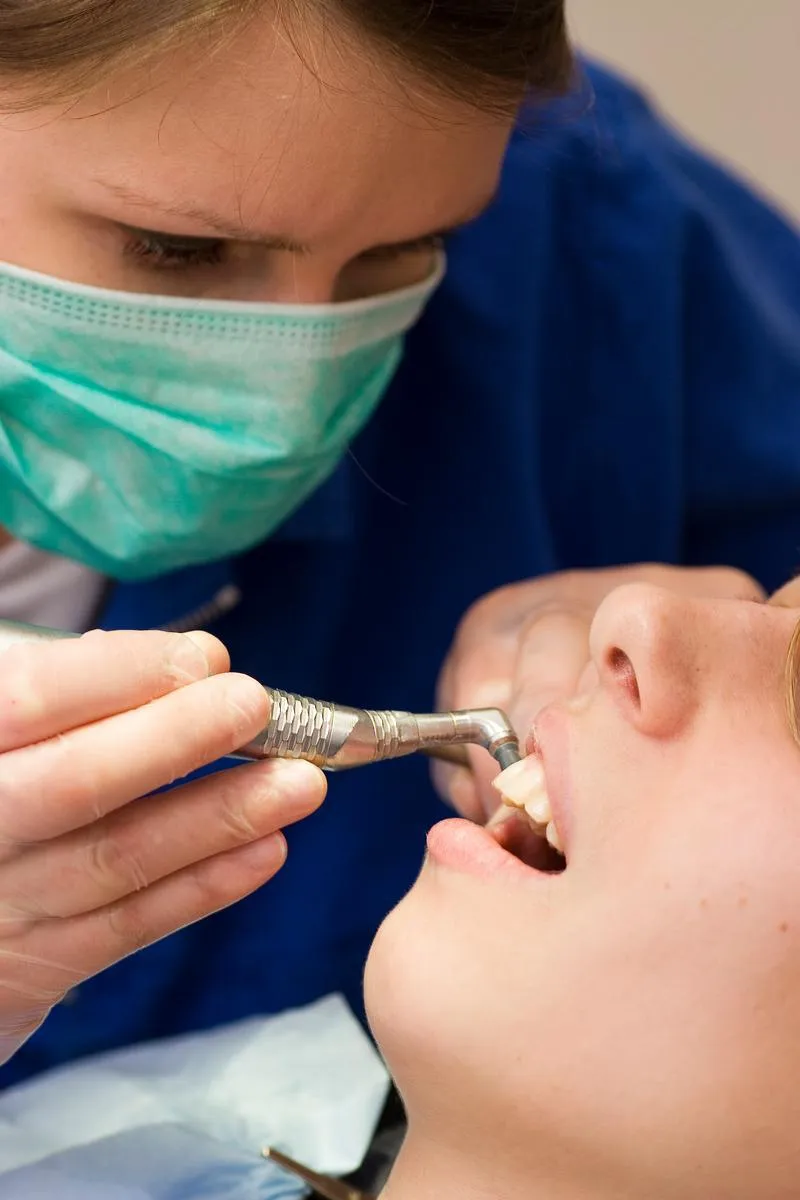
Thai clinics follow strict sterilization and infection control protocols. Dentists here are used to treating expats and travelers, so communication is usually clear. If you’re feeling nervous, just say so—no worries, the team will walk you through each step.
Aftercare: what to do (and what to skip)
Right after the extraction, you’ll bite on gauze for 30–60 minutes to stop bleeding. The goal is to keep the blood clot stable in the socket.
- Rest: Take it easy for the day. Avoid heavy exercise for 24–48 hours.
- Pain control: Paracetamol or ibuprofen works for most patients; take as directed. If your doctor prescribes antibiotics, finish the full course.
- Cold compress: Apply an ice pack on and off for the first 6–8 hours to reduce swelling.
- Eating: Stick to a soft diet for a couple of days—jok (rice porridge), soft noodles, yogurt, mashed potato, ripe banana. Avoid spicy food, very hot soup, st
icky rice, and crunchy snacks. No straws, as suction can dislodge the clot.
- Oral hygiene: Don’t rinse vigorously on day one. From day two, rinse gently with warm salt water after meals. Brush the other teeth as normal, but be gentle around the extraction site.
- Habits: Avoid smoking and alcohol for at least 48 hours to lower the risk of dry socket.
Watch for warning signs like persistent bleeding, severe pain peaking on day three or four, foul smell, swelling that gets worse, or fever. If any of these happen, contact the clinic right away. Stitches, if placed, are usually removed in 5–7 days unless dissolvable. Many clinics offer a quick follow-up to check healing—worth going for peace of mind.
Costs and payment in Thailand
Prices vary by location and case complexity:
- Simple extraction: roughly 800–2,000 THB at many clinics
- Surgical or wisdom tooth extraction: roughly 3,000–8,000 THB, more if complex or multiple teeth
Sedation, if chosen, adds to the bill. Private clinics accept cash and cards; some accept bank transfers or e-wallets. If you’re a Thai national using public services, Universal Coverage may subsidize certain treatments. Expats and travelers can ask their insurer about reimbursement—keep your receipts and treatment notes.
Choosing the right clinic
- Credentials: Look for licensed dentists with experience in oral surgery or endodontics (if evaluating root canal vs extraction).
- Facilities: Digital x-rays, clear sterilization practices, and clean treatment rooms are standard.
- Language: English-speaking staff make a big difference when you’re in pain.
- Location and hours: Consider proximity and whether the clinic can handle emergencies or weekend visits.
- Reviews and recommendations: Friends, hotel concierges, or expat forums can point you to trusted clinics in Bangkok, Chiang Mai, Phuket, Pattaya, and beyond.
If you’re traveling and get injured
Don’t wait. Prompt assessment can sometimes save the tooth—especially if it’s been knocked out. If a tooth is completely avulsed, gently rinse off dirt (no scrubbing), place it back in the socket if you can, or store it in milk or saline, and get to a dentist within an hour. Most Thai dental clinics will prioritize true emergencies.
Planning ahead for implants or bridges
If extraction is part of a bigger plan (like replacing a badly damaged tooth), discuss the timeline. Some cases allow immediate or early implant placement; others require a few months of healing. If you’re flying in for dental care, coordinate so your post-extraction review fits your travel dates. Many clinics are familiar with dental tourists and can structure visits accordingly.
Prevention tips that make a difference
- Sports: Wear a mouthguard for Muay Thai, football, or basketball.
- Road safety: Always wear a helmet on the motorbike—no excuses.
- Food habits: Go easy on ice chewing, hard bones, or popcorn kernels.
- Regular check-ups: Small cracks and gum issues are easier to manage before they turn into emergencies.
Bottom line
Tooth extraction for injury-related damage in Thailand is efficient, safe, and handled with care. From quick diagnostics to clear aftercare, you’ll find dentists here focus on keeping you comfortable and informed. Whether you’re based in the Kingdom or just passing through, timely treatment and good follow-up will help you heal fast and get back to feeling sabai again.