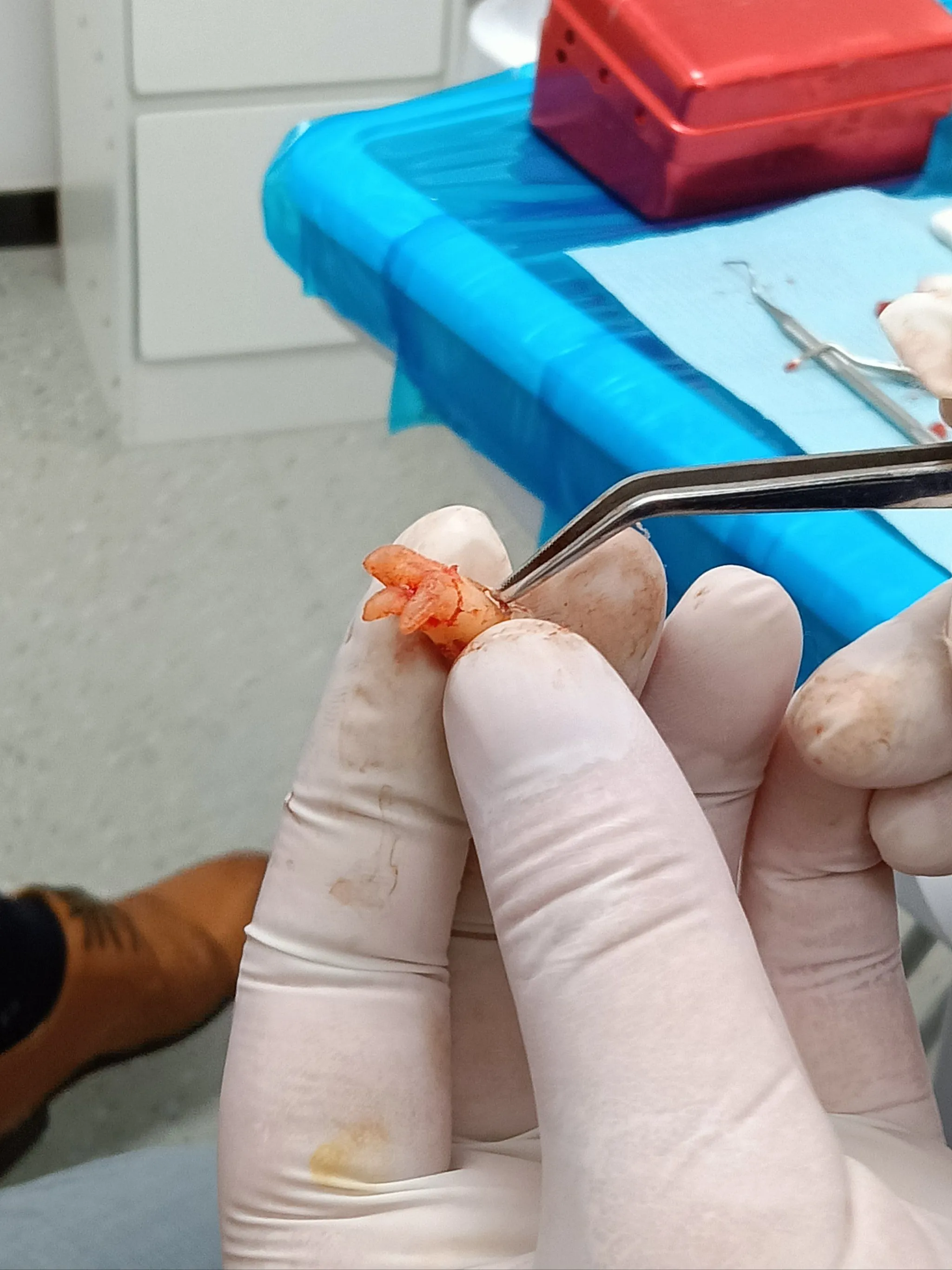
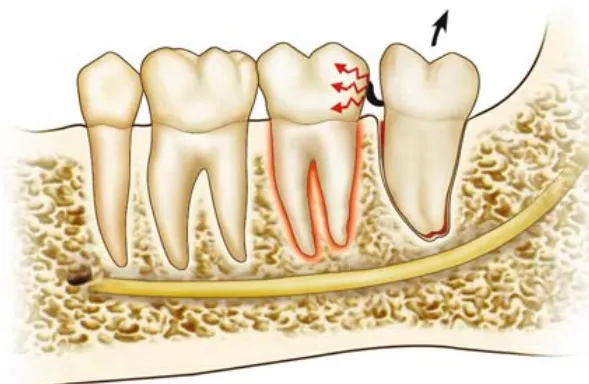
Thailand Tooth Extraction Treatment for Damaged Tooth Restoration Planning
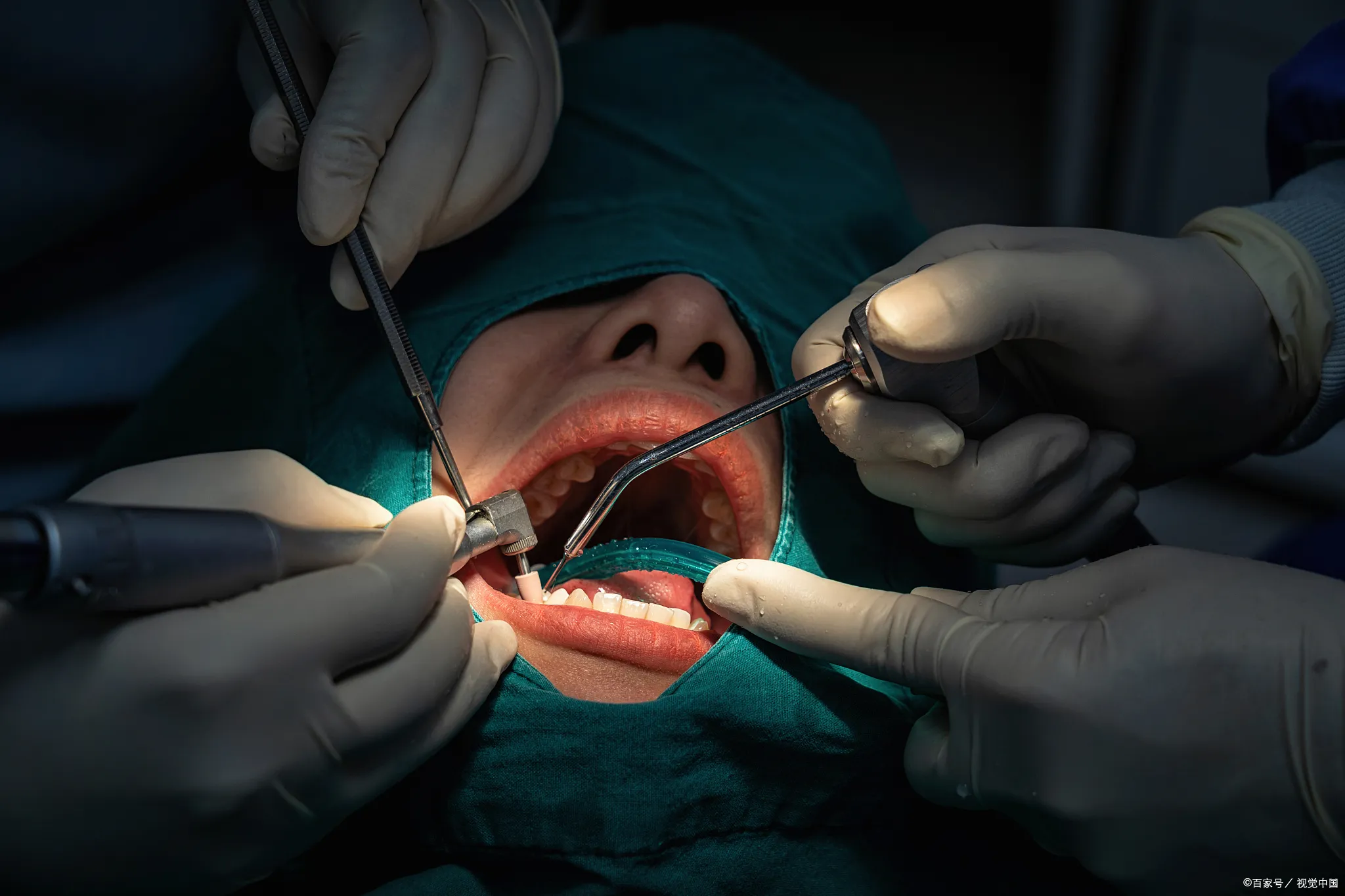
Thailand Tooth Extraction Treatment for Damaged Tooth Restoration Planning
Thailand Tooth Extraction Treatment for Damaged Tooth Restoration Planning
If you’re living in Thailand or coming here for dental care and your tooth is badly damaged, you’ll often hear the dentist say we should plan removal together with the restoration from day one. In Thailand, clinics focus not only on a smooth, painless extraction but also on how to replace the tooth quickly and naturally after healing. This guide walks you through how tooth extraction and restoration planning works here, what to expect in terms of steps, timing, and cost in baht, and how to make the right choice for your smile.
When extraction is recommended
Dentists in Bangkok, Chiang Mai, Phuket and other cities will try to save a tooth whenever possible—root canal and crown, onlay, or a large filling can be done if the base is still strong. However, extraction is usually advised when:
- The tooth has a vertical root fracture or is split under the gum
- There is advanced decay or severe gum disease with mobility
- Previous root canal has failed and retreatment or apicoectomy is not predictable
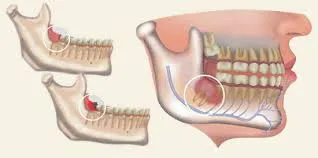
- Wisdom tooth is impacted and causing repeated swelling or pain
At your first check-up, the clinic will take a small periapical X-ray or a panoramic film. Some cases need a CBCT (3D scan), especially if you’re planning a dental implant, or if the tooth is close to a nerve or sinus. The dentist will also check medical history, BP, and any medications like blood thinners, then explain options with a clear quotation.
Simple vs surgical extraction
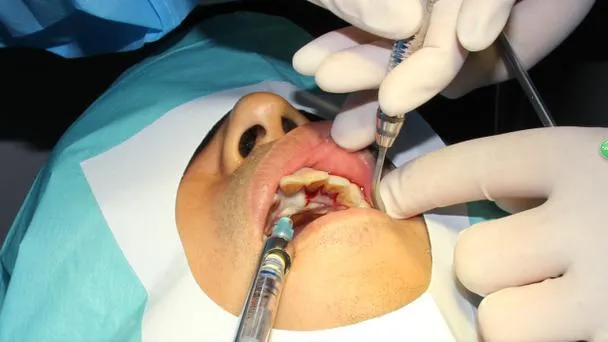
Most extractions in Thailand are done under local anaesthesia (numbing injection). The doctor will confirm you are fully numb before starting, so the procedure is generally painless—only pressure, not sharp pain. A simple extraction is for teeth above the gum with normal roots. A surgical extraction is needed if the tooth is broken down, roots are curved, or a wisdom tooth is stuck. For anxious patients, some dental hospitals and bigger clinics offer IV sedation with an anaesthetist; you’ll need to fast and arrange someone to take you home after OPD.
Typical costs (may vary by city and clinic):
- Simple extraction: around 1,000–3,000 baht per tooth
- Surgical/impacted: around 3,000–8,000 baht (wisdom teeth can be higher)
- CBCT scan: around 2,500–5,000 baht
Why plan restoration before removing the tooth
The best outcome comes when your dentist plans the replacement at the same time as the extraction. This affects how the socket is preserved, the timeline, and what temporary tooth you will use.
Main restoration options after extraction:
- Dental implant: Often the top choice for a single missing tooth. If the bone is sufficient and there’s no infection, some clinics can do immediate implant placement on the same day as extraction. If not, the dentist may place a bone graft (socket preservation) and wait 3–4 months before placing the implant. After the implant is placed, the crown is usually fitted 3–6 months later, depending on healing.
- Bridge: If the adjacent teeth already need crowns, a bridge can be done after the gums settle—normally within 2–4 weeks. No surgery is needed, but the side teeth are prepared for crowns.
- Removable partial denture (flipper or acrylic plate): A budget-friendly and quick option. A temporary “flipper” can sometimes be delivered the same day or within a few days to fill the gap, especially for a front tooth.
Bone graft and socket preservation
To maintain the ridge for a future implant or a nicer bridge contour, Thai dentists often recommend socket preservation bone graft at the time of extraction. This helps reduce bone shrinkage and protects your smile line. Typical fee is ar
ound 3,000–8,000 baht depending on material and size. If you’re going for an implant later, this simple step often makes things easier and more predictable.
Front tooth concerns and temporary solutions
If the damaged tooth is in the smile zone, don’t worry—you won’t be left with a gap. You can discuss:
- A clear retainer with a temporary tooth (Essix retainer) made before extraction
- A flipper denture to wear while healing
- In some cases, an immediate implant with a temporary crown (only if conditions are suitable)
Aftercare you can follow easily in Thailand
Good aftercare means faster healing and fewer problems:
- Bite firmly on the gauze for 30–60 minutes to stop bleeding
- Avoid hot soup, spicy food, alcohol, and smoking for at least 48 hours
- No straw or vigorous spitting—protect the clot
- Soft food like congee, soft omelette, or tofu is okay on the first day
- Start warm salt-water rinse after 24 hours, gently, 2–3 times a day
- Take pain medicine as prescribed (ibuprofen or paracetamol are commonly used); antibiotics only if the dentist advises
- Sleep with head slightly elevated the first night; use an ice pack outside the cheek 10 minutes on, 10 minutes off for the first 6–8 hours
Watch out for heavy bleeding that doesn’t stop with pressure, severe swelling with fever, or pain getting worse after day 3 (could be dry socket). If any of these happen, call the clinic. Most Thai clinics answer quickly by phone or Line during working hours.
Timing and treatment roadmap
A typical plan could look like this:
- Day 0: Consultation, X-ray, consent, extraction. If needed, socket graft is placed.
- Day 1–7: Initial healing and follow-up if sutures are present.
- Week 3–4: Impression for bridge or partial denture if that is your choice.
- Month 3–4: For implant pathway, either place the implant now (delayed approach) or, if immediate implant was done, start planning the crown.
- Month 4–6: Implant crown delivery after osseointegration.
Choosing a clinic in Thailand
To feel安心 and get predictable results, consider:
- Dentist’s qualifications and experience, especially for oral surgery or implant cases
- Sterilisation protocols and use of CBCT for complex cases
- Clear treatment plan and quotation in baht, including any bone graft and provisional tooth
- Implant brand and warranty policy
- Reviews and word of mouth from expats or local friends
- Communication in English; many Bangkok and Phuket clinics have English-speaking staff
- Convenience—near BTS/MRT in Bangkok or close to your hotel, with easy booking by phone or Line
Budget guide for restoration (indicative only):
- Implant (fixture + abutment + crown): around 45,000–80,000+ baht per tooth depending on brand and case difficulty
- Three-unit bridge: around 18,000–45,000 baht depending on material (PFM vs zirconia)
- Partial denture: around 4,000–20,000 baht depending on design
Tips for visitors and expats
If you’re flying in, avoid scheduling extraction right before your return flight; give at least 48–72 hours. For implant cases, plan two trips if not doing immediate protocols. Inform the clinic of any insurance coverage; some provide medical reports for claims.
Key takeaway
Tooth extraction in Thailand is straightforward, efficient, and budget-friendly, but the real success comes from proper restoration planning from the start. Whether you choose an implant, bridge, or partial denture, coordinate with your dentist about bone preservation, temporary tooth options, cost in baht, and a realistic timeline. With a clear plan, gentle technique, and good aftercare, you can move from a damaged tooth to a confident, natural-looking smile without unnecessary delays.