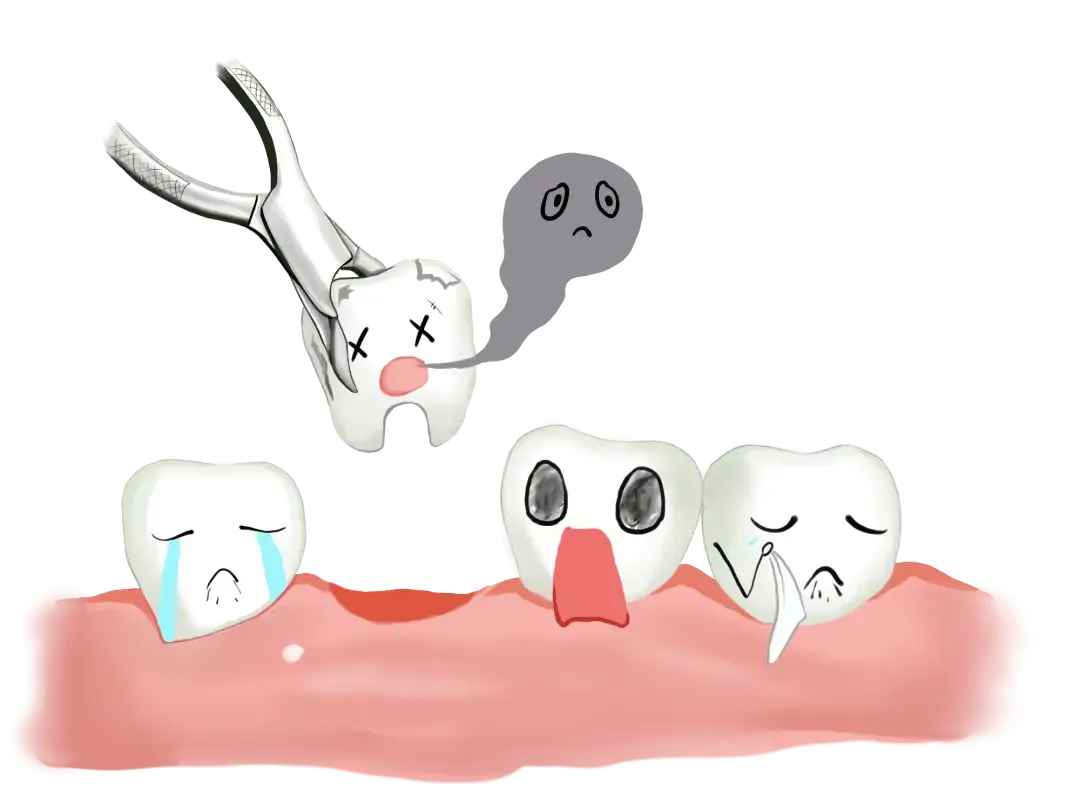
Thailand Tooth Extraction Clinics With Advanced Surgical Facilities
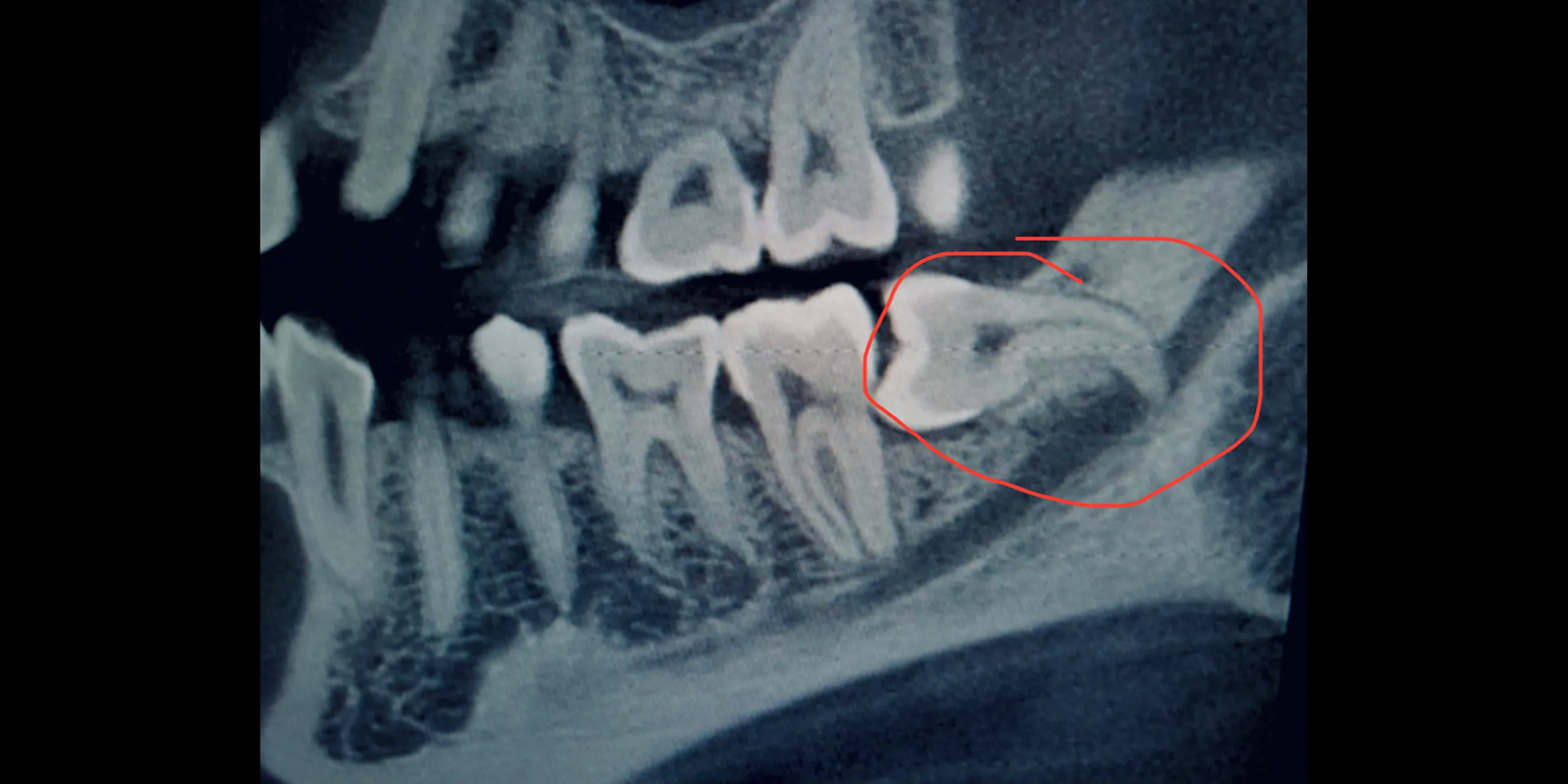
Thailand Tooth Extraction Clinics With Advanced Surgical Facilities
Thailand Tooth Extraction Clinics With Advanced Surgical Facilities
If you’re planning a tooth extraction in Thailand, you’ll find that many clinics here are more than ready for advanced surgical cases, from impacted wisdom teeth to complex root fractures. The country’s leading dental centers combine experienced oral surgeons, modern imaging, strict sterilisation, and patient-friendly service that feels very Thai—polite, efficient, and mindful. Whether you’re based in Bangkok or flying in for treatment in Chiang Mai, Phuket, or Pattaya, here’s what to expect and how to choose the right clinic.
Why Thailand is a strong choice for extractions
- Experienced teams: Many clinics have board-certified oral and maxillofacial surgeons on-site or on call, with additional training in difficult extractions and sedation.
- International standards: Hospitals and premium clinics follow strict infection-control protocols comparable to global guidelines, and some hospital dental departments hold international accreditations.
- Value for money: You get modern tech and specialist care at prices that are competitive within the region, with clear quotations before treatment.
- Language and service: English-speaking dentists and coordinators are common, with flexible scheduling, LINE chat follow-ups, and weekend hours in busy areas like Sukhumvit or Nimman.
What “advanced surgical facilities” actually means
The top clinics for tooth extraction in Thailand usually offer:
- Digital 3D imaging: Cone-beam CT (CBCT) to map root anatomy, nerve position, and sinus proximity—essential for impacted wisdom teeth.
- Surgical microscopes and loupes: For precise, minimally invasive bone removal and root sectioning.
- Piezosurgery units: Ultrasonic bone surgery that reduces trauma and supports faster recovery.
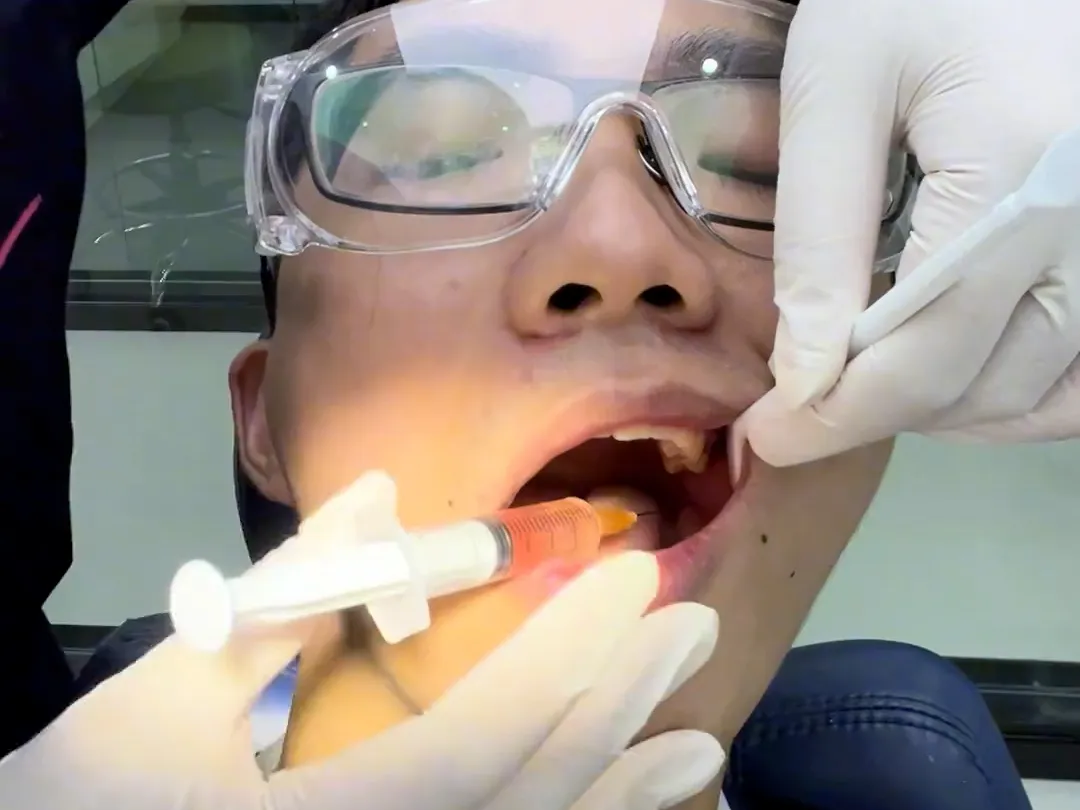
- Safe sedation options: Local anaesthesia, nitrous oxide, or IV sedation with an anaesthetist for anxious patients or long procedures.
- Class B autoclaves and traceable sterilisation: Single-use disposables where possible, sealed packs, and instrument tracking.
- PRF and graft materials: Platelet-rich fibrin and socket grafting to protect the site and preserve bone for future implants.
- Clean air and workflow: Dedicated surgical rooms with HEPA filtration and well-planned aseptic protocols.
Types of extractions commonly handled
- Simple extractions for mobile or non-complicated teeth
- Surgical extractions for broken roots and buried fragments
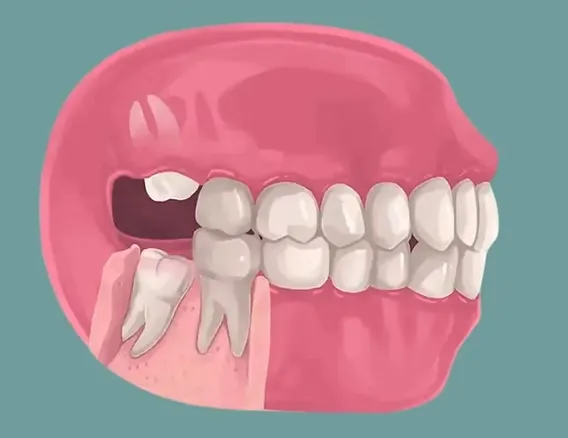
- Impacted wisdom tooth removal (horizontal, mesioangular, or close to the nerve)
- Orthodontic extractions for space management
- Emergency extraction for acute infection or severe pain
The step-by-step experience
1) Consultation and imaging: The dentist will check your medical history, take periapical X-rays or CBCT if needed, and explain the diagnosis, risks, and fee. If you’re on certain medications or have systemic conditions, the clinic may liaise with your physician.
2) Pre-op preparation: Expect blood pressure and oxygen saturation checks. You’ll sign consent forms. For IV sedation, fasting and an escort are required.
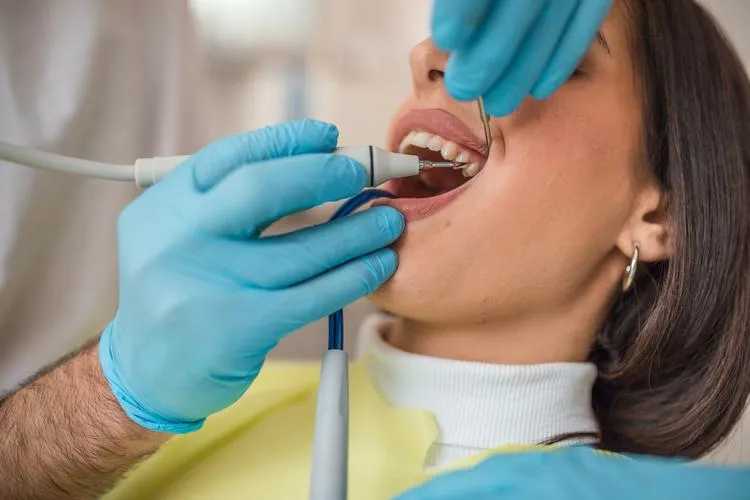
3) The procedure: With local anaesthetic (and sedation if chosen), the surgeon carefully loosens the tooth or sections it into pieces to protect adjacent bone and nerves. Hemostatic agents and smooth suturing minimise bleeding and swelling.
4) Post-op and meds: You’ll receive gauze, pain control (often ibuprofen or paracetamol), and antibiotics only when clinically indicated. Clear aftercare instructions are given verbally and via LINE or email, with a follow-up visit in 5–7 days for suture removal if non-resorbable stitches are used.
Expected costs
in Thailand (typical city rates)
- Simple extraction: around 1,500–3,500 baht per tooth
- Surgical extraction (non-impacted): around 3,500–6,000 baht
- Impacted wisdom tooth surgery: around 6,000–15,000 baht depending on difficulty and imaging
- CBCT scan: around 2,500–4,500 baht
- Nitrous oxide or IV sedation: add-on cost, commonly from 3,500–20,000 baht depending on duration and whether an anaesthetist is involved
Final fees vary by city, surgeon, and complexity, so it’s normal to receive a written estimate after the exam and imaging.
How to choose the right clinic
- Credentials: Look for dentists with “Oral and Maxillofacial Surgery” or “Diplomate” status on their profiles; hospital-based dental centers are ideal for medically complex patients.
- Technology list: Confirm CBCT availability, piezosurgery, Class B sterilisation, and sedation options if you need them.
- Clear pricing: Ask for a breakdown (surgery, imaging, sedation, medications) and whether follow-up visits are included.
- Infection control: Ask about sterilisation indicators, single-use instruments, and protective protocols.
- Language and accessibility: English-speaking coordinators, after-hours hotline, and easy access via BTS/MRT or main roads. Many clinics in Bangkok note “near BTS Asok/Thong Lo” or similar for convenience.
- Reviews and case photos: Genuine before-and-after cases and transparent patient feedback help you gauge consistency.
- Payment and insurance: Clinics commonly accept cash, credit card, and sometimes international insurance with letter of guarantee; bring your passport for registration.
Aftercare tips that fit local life
- Food and drink: Avoid hot, spicy, and acidic food for at least 24–48 hours. Soft Thai choices like congee (jok), soft tofu, and ripe bananas are gentle on the site. Skip straws to prevent dry socket.
- Heat and humidity: Keep activity light for the first day and use a cold compress intermittently. In hot weather, hydrate well (no alcohol for 72 hours).
- Smoking and vaping: Strongly avoid for 72 hours; longer is better to reduce dry socket risk.
- Mouth care: Do not rinse for the first 24 hours. From day two, rinse gently with warm saline. If the dentist provides chlorhexidine, use as directed.
- Travel planning: If you’re flying or heading to the islands, schedule surgery at least a few days before travel. No scuba diving or Muay Thai sparring for about 7–10 days after wisdom surgery.
- Communication: Most clinics are happy to follow up via LINE. If swelling increases after day three, or you develop fever or numbness, message the clinic for review.
Common questions
- Is IV sedation safe in Thailand? In reputable clinics and hospitals, IV sedation is administered with monitoring by trained professionals. Share your medical history honestly for best safety.
- Will I need antibiotics? Not every extraction needs antibiotics. Dentists prescribe based on clinical signs like spreading infection or systemic risk factors.
- How long is recovery? Mild cases improve within 2–3 days; surgical wisdoms often settle after 5–7 days. Stitches may be removed at one week unless resorbable.
- Can I do same-day extraction? Many clinics offer consultation, CBCT, and surgery on the same day if you’re medically fit and consent to proceed.
Bottom line
Thailand’s tooth extraction clinics, especially in major cities, deliver advanced surgical care with friendly, practical service. By choosing a clinic with strong credentials, modern imaging and sterilisation, clear pricing, and responsive aftercare, you can manage simple to complex extractions with confidence—and walk out saying, “All good, no worries.”