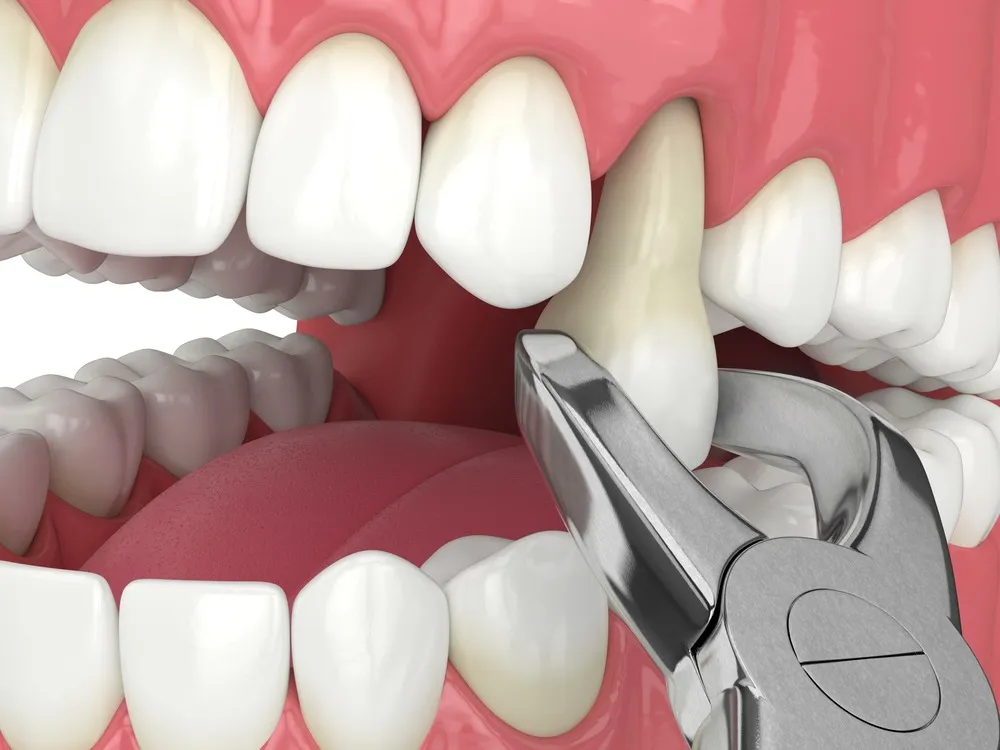
Thailand Tooth Extraction Procedures With Minimal Recovery Time
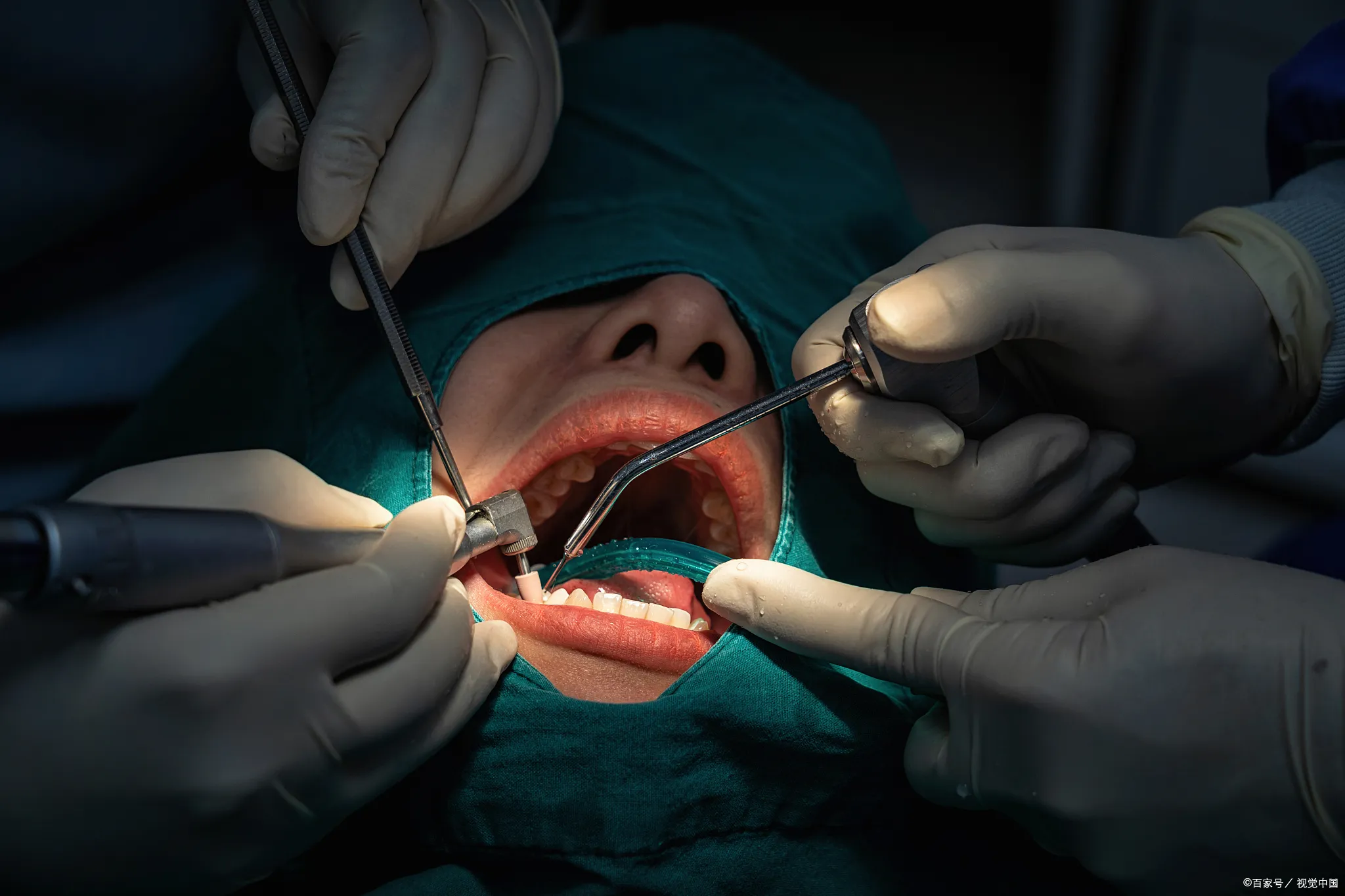
Thailand Tooth Extraction Procedures With Minimal Recovery Time
Thailand Tooth Extraction Procedures With Minimal Recovery Time
If you need a tooth out and don’t want to be out of action for days, Thailand is a solid choice. Dental clinics here are experienced, well equipped, and used to serving both locals and expats. With gentle techniques, good pain control, and clear aftercare, most people are back to normal activities very quickly—often the next day for a simple extraction.
What to expect at a Thai clinic
- Booking: Most private clinics in Bangkok, Chiang Mai, and Phuket accept bookings by phone, website, or LINE. Walk-in is sometimes possible, but a booking saves you a long queue. Bring your passport or Thai ID for registration.
- Consultation and X‑ray: The dentist will examine the tooth and take a digital X‑ray (OPG or periapical). For impacted wisdom teeth, some clinics use CBCT scans to plan a minimally invasive approach.
- Transparent fees: Costs are usually quoted upfront. Expect roughly 800–2,500 baht for a simple extraction and 3,000–8,000 baht for a surgical one. Complex impacted wisdom teeth can be 5,000–15,000 baht per tooth depending on difficulty and location. Sedation, if needed, is extra and usually offered in hospitals or larger clinics.
Techniques that reduce downtime
Thai dentists commonly use atraumatic techniques to protect the surrounding bone and soft tissue, which speeds up healing:
- Periotomes and luxators: Slim instruments free the ligament around the tooth so it can be eased out with minimal force.
- Sectioning for wisdom teeth: Instead of large flaps, the dentist may section the tooth into small pieces, reducing tissue damage.
- Physics forceps and gentle elevation: Controlled movements instead of heavy pulling lower the risk of cracks and post‑op soreness.
- Piezosurgery (in some clinics): Ultrasonic cutting of bone is more precise and less traumatic than traditional burs.
- PRF and socket preservation: Some clinics offer platelet‑rich fibrin (drawn from your blood) or collagen plugs to stabilise the socket and promote faster, cleaner healing.
- Fine sutures: If stitches are needed, thin sutures and tidy closure help reduce swelling and food trapping.
Anaesthesia and comfort options
- Local anaesthetic: Most extractions are done under local anaesthetic (LA) and are painless during the procedure.
- Oral sedation: A mild sedative may be offered for nervous patients at private clinics.
- IV sedation or general anaesthesia: Available in some private hospitals for complex cases or severe anxiety. This adds to the cost and recovery time on the day, but can still mean a smooth overall recovery.
Simple vs surgical extraction timelines
- Simple extraction (mobile or non‑impacted tooth): Many patients return to work the next day. Mild soreness can last 24–48 hours.
- Surgical extraction (impacted wisdom tooth or root remnants): Plan 2–3 days of light activities. Swelling often peaks on day 2 and settles by day 4–5.
How to prepare for a quick recovery
- Sleep well and eat before your appointment (unless you’re having IV sedation). A light meal helps you tolerate LA better.
- Wear comfortable clothes and arrange transport home if you plan to take sedatives.
- Discuss meds: Many dentists recommend taking an NSAID like ibuprofen right after the pr
ocedure to stay ahead of discomfort. If you can’t take NSAIDs, ask for alternatives.
Right after the extraction
- Bite on gauze for 30–60 minutes to form a firm clot. If it oozes, replace with fresh gauze and keep steady pressure.
- Ice packs 20 minutes on, 20 minutes off for the first 6–8 hours cut down swelling. Keep your head slightly elevated when resting.
- Take the prescribed pain relief on time. Routine antibiotics are not always needed; your dentist will decide based on infection risk.
What to avoid to prevent dry socket and delays in healing
- No smoking or vaping for at least 72 hours. This is the top cause of dry socket.
- No spitting, vigorous rinsing, or drinking through a straw for 24 hours.
- Skip hot food and alcohol on day one.
- Go easy on spicy and sticky foods for 2–3 days. In Thailand that means postponing tom yum, som tam, sticky rice, moo ping, and very hot curry until the socket is settled.
- Soft foods are your friend: congee, soft eggs, yoghurt, tofu, bananas, smoothies (no straw).
Mouth care timeline
- First 24 hours: Keep the area still and clean the rest of your mouth gently. Don’t rinse vigorously.
- After 24 hours: Rinse gently with warm saltwater after meals. If your dentist provided chlorhexidine mouthwash, use it as directed for a few days.
- Brushing: Brush your other teeth as normal, but be gentle near the socket. If you have stitches, the clinic will advise when to return for removal (usually 5–7 days) unless they are dissolvable.
Choosing the right clinic for faster recovery
- Experience matters: Ask if the dentist routinely handles surgical extractions and impacted wisdom teeth.
- Digital imaging: Clinics with digital X‑rays or CBCT can plan more precisely, reducing tissue trauma.
- Sterilisation and protocols: Look for a clean, modern setup and clear post‑op instructions. International clinics around Sukhumvit, Silom, Thonglor, Nimmanhaemin, and Patong often cater to English speakers.
- Communication: Many clinics provide after‑hours contact via LINE for any concerns.
- Payment: Most accept cash, card, and PromptPay QR. If using insurance, ask about direct billing or request a detailed receipt for claims.
Warning signs—when to call the clinic
- Bleeding that doesn’t slow after two hours of firm gauze pressure
- Severe pain that increases on day 3 (possible dry socket)
- Fever, foul taste, or increasing facial swelling
- Numbness that persists several hours after LA should wear off
- Loose stitches or food trapped that you can’t clear with gentle rinsing
Typical costs in Thailand
- Consultation and X‑ray: 300–1,000 baht for basic, more for CBCT
- Simple extraction: 800–2,500 baht
- Surgical/impacted removal: 3,000–8,000+ baht; complex wisdom teeth may reach 15,000 baht
- Sedation: Additional, quoted per case in hospitals or large clinics
A quick, comfortable recovery is very achievable in Thailand. With modern atraumatic techniques, proper pain control, and sensible aftercare—especially avoiding smoking, straws, and very spicy or sticky foods—most patients feel fine within a day or two after a simple extraction and only a few days more after surgical cases. Book a reputable clinic, follow the dentist’s advice, and you’ll be back to your routine with minimal downtime.