Thailand Tooth Extraction Care for Patients Seeking Immediate Treatment
Thailand Tooth Extraction Care for Patients Seeking Immediate Treatment
Thailand Tooth Extraction Care for Patients Seeking Immediate Treatment
Got a sudden toothache in Thailand and need help right now? Whether you’re a local in Bangkok or a traveler passing through Chiang Mai, Phuket, or Pattaya, immediate tooth extraction is straightforward here if you know where to go and how to care for yourself after. This guide covers how to get same-day dental help, what to expect during the procedure, and the most important aftercare steps to heal faster and avoid complications.
Where to Go for Immediate Treatment
Thailand has many options for emergency dental care, and most dentists are comfortable communicating in English.
- Private dental clinics: Many accept walk-ins or can arrange same-day appointments via phone or LINE. Clinics near BTS/MRT in Bangkok (like Sukhumvit or Silom) are convenient. You can also find reliable clinics in Chiang Mai Old City, Phuket Town, and central Pattaya.
- Hospital dental departments (OPD): Government hospitals are more affordable but may have longer queues. Private hospitals offer faster service with higher fees.
- 24-hour emergency: Some hospital ERs can manage acute pain and swelling and will call the on-duty dental surgeon if needed.
Tip: Bring your passport or Thai ID, any medication list, and a photo of your insurance card. Most clinics accept cash and card. Ask for an itemized receipt for insurance claims and a medical certificate (med cert) if you need time off work.
Costs to Expect
Fees vary by clinic and complexity, but a rough guide in baht:
- Simple extraction: around 800–2,500 THB at clinics, more in private hospitals
- Surgical or wisdom tooth removal: around 3,000–8,000+ THB
Prices include local anaesthetic; X-rays and medications are usually billed separately. Government facilities can be cheaper but may require more waiting.
What Happens During an Immediate Tooth Extraction
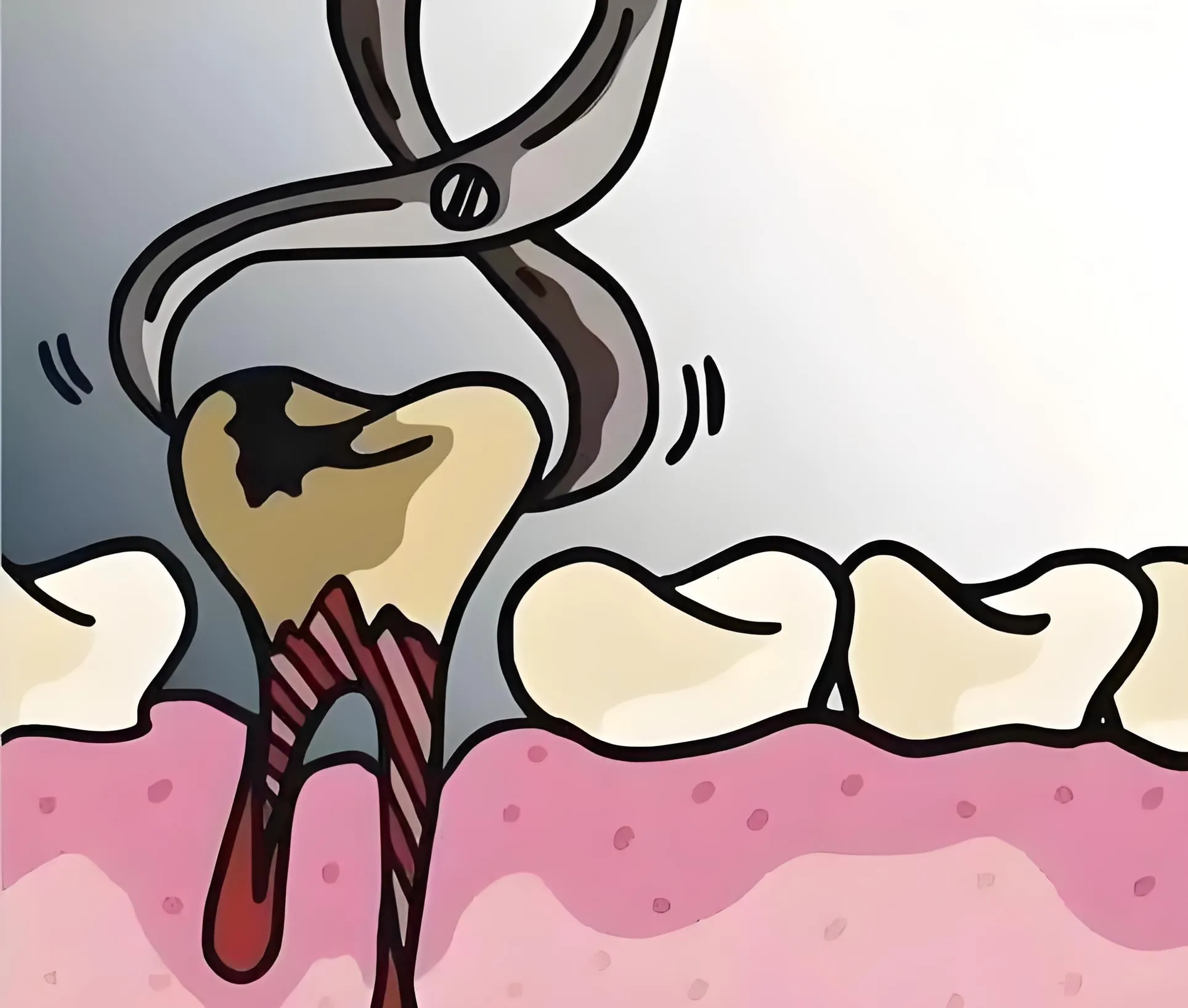
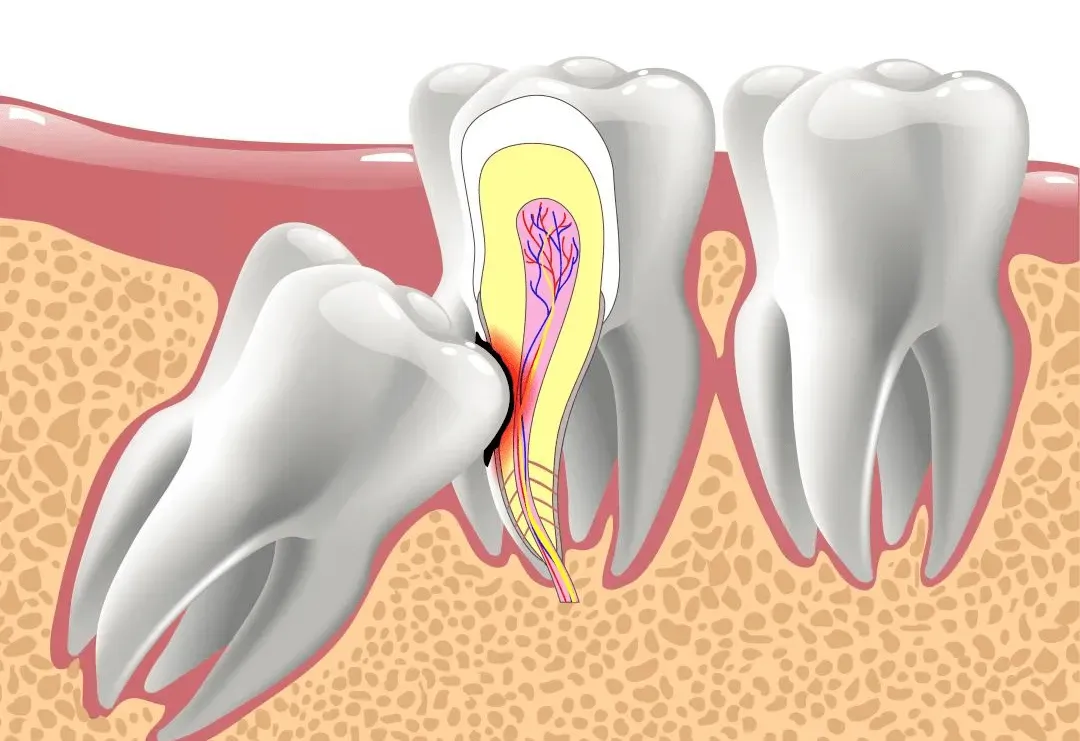
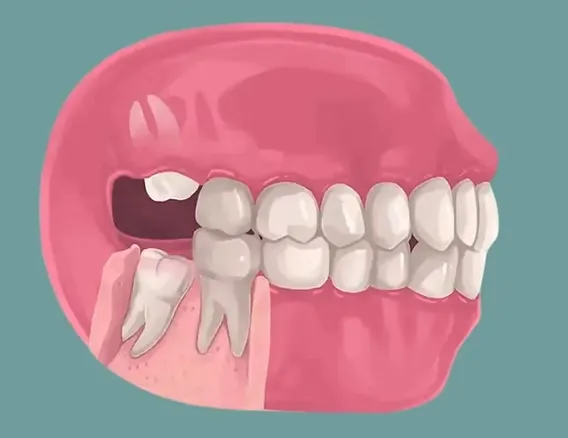
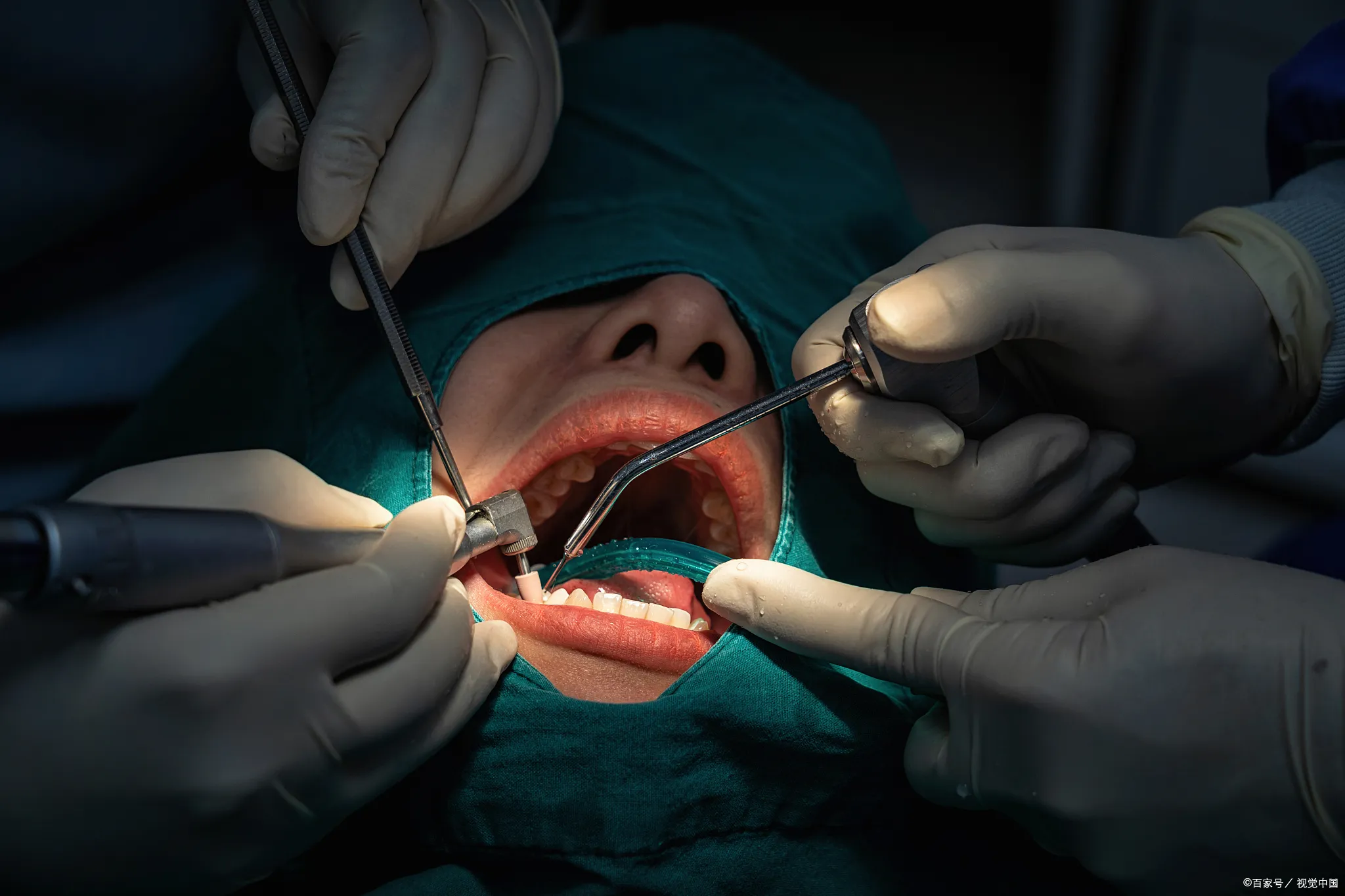
After registration, the dentist will assess your pain, check your medical history, and take a periapical X-ray or panoramic film. You’ll get local anaesthetic to numb the area (you’ll feel pressure, not pain). For a simple extraction, the tooth is gently loosened and removed. For impacted or fractured teeth, minor surgical steps like a small gum opening or tooth sectioning may be needed. After removal, the dentist cleans the socket, controls bleeding, and places gauze for you to bite on. If needed, you’ll receive take-home meds and follow-up instructions.
When Antibiotics Are Needed
Antibiotics are not for everyone. Dentists in Thailand prescribe them if there’s spreading infection, fever, or significant swelling, or for certain medical conditions. Avoid self-medicating. If prescribed, finish the full course as directed.
Immediate Aftercare: Your First 24 Hours
The first day sets the tone for smooth healing. Follow the clinic’s instructions and these common practices:
- Bite firmly on the gauze for 30–60 minutes to control bleeding. If it soaks through, change to a clean gauze. Slight oozing is normal for a few hours.
- Keep your head elevated when resting. Sleeping with an extra pillow helps.
- Ice the cheek in 15 minutes on/15 minutes off cycles for the first 6–8 hours to reduce swelling.
- No smoking, alcohol, or hot drinks. Heat increases bleeding and can disrupt the blood clot.
- Do not use a straw and avoid vigorous spitting. Suction can dislodge the clot and cause dry socket.
- Pain control: Parac
etamol works well for many people; ibuprofen can help with inflammation if suitable for you. Avoid aspirin as it may increase bleeding. Take only as directed and do not double-dose.
- Food: Stick to soft, cool or lukewarm options—rice porridge (jok), yoghurt, smoothies without a straw, scrambled eggs, tofu, mashed potatoes, bananas. Avoid spicy, very hot, crunchy, or sticky foods (skip sticky rice and som tam for a day or two).
- Oral hygiene: Don’t rinse forcefully on day one. You may gently brush the other teeth but avoid the socket area.
Day 2 to Day 7: Rinse, Rest, Recover
- Start gentle saline rinses after 24 hours: half a teaspoon of salt in a cup of lukewarm water, 3–4 times a day, especially after meals.
- Brush and floss normally but keep the brush off the extraction site for a few days. If chlorhexidine mouthwash is given, use as instructed.
- Mild swelling and jaw stiffness peak around day 2–3, then settle. Bruising can happen, especially for lower or surgical extractions—this fades over a week.
- Keep tobacco and alcohol away for at least 72 hours (longer is better).
- If stitches were placed, your dentist will advise whether they’re dissolving or need removal (usually 5–7 days).
How to Spot Problems Early
Call the clinic if you notice any of the following:
- Bleeding that doesn’t slow down after steady gauze pressure for 2–3 hours
- Severe pain that worsens after day 2, deep ache radiating to the ear (signs of dry socket)
- Fever, foul taste, or increasing swelling after day 3
- Numbness that persists longer than expected or difficulty opening your mouth
- Pus or any discharge from the socket
A Note for Travelers and Expats
- Timing: If you’re flying soon, try to schedule the extraction at least 48–72 hours before your flight. Pressure changes and limited access to care mid-journey can be uncomfortable.
- Transport: Use Grab or a taxi after your procedure. Avoid riding a motorbike taxi immediately post-extraction, especially if you feel lightheaded.
- Language: Most Thai dentists speak English, and clinics are used to international patients. You can also prepare a short note of your symptoms in your phone and bring a translation app just in case.
- Supplies: 7-Eleven and pharmacies nearby stock gauze, saline, paracetamol, and soft foods. Get an ice pack from the clinic or use a clean cloth-wrapped bag of ice.
Preventing Dry Socket and Speeding Healing
- Protect the blood clot: no straw, no smoking, and no heavy rinsing for 24 hours.
- Keep it clean but gentle: start saltwater rinses day two and continue for a week.
- Eat soft, nourishing foods and hydrate well. Avoid very hot and spicy dishes until tenderness settles.
- Follow your medication schedule and finish any antibiotics if prescribed.
- Attend your follow-up if the dentist requested it, especially for surgical or wisdom tooth cases.
Reassurance You Can Count On
Thailand’s dental care is reputable, efficient, and fairly priced compared to many countries. For urgent tooth extraction, you’ll find same-day solutions in most cities, with dentists who will explain your options clearly and keep you comfortable. With smart aftercare—gauze pressure, rest, ice, gentle rinsing, and sensible food choices—you can lower the risk of dry socket, control pain, and get back to normal life quickly. If anything feels off, ring the clinic early; in Thailand, it’s easy to pop back in for a quick check.