Thailand Tooth Extraction Care With International Quality Standards

Thailand Tooth Extraction Care With International Quality Standards
Thailand Tooth Extraction Care With International Quality Standards
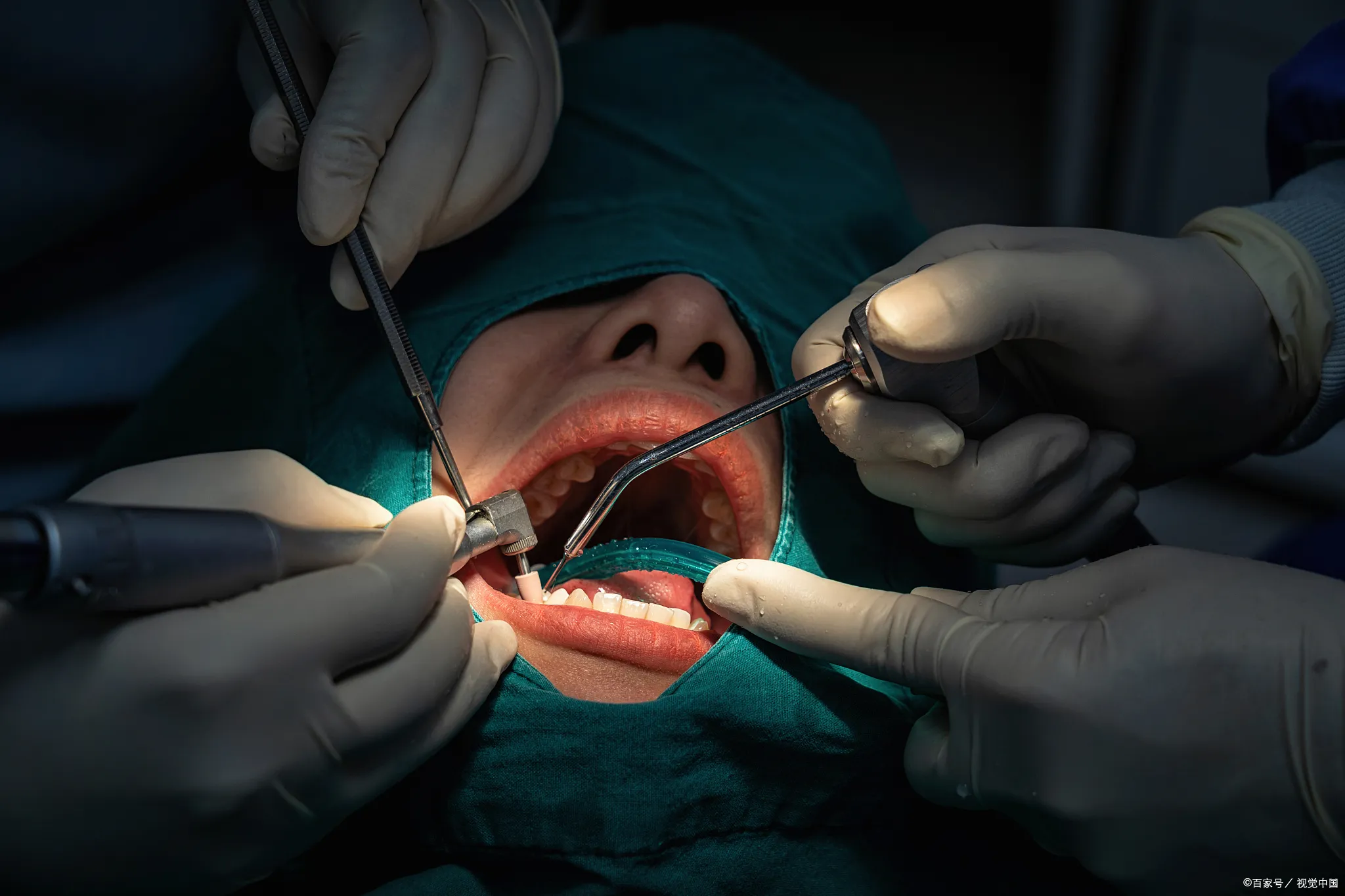
If you’re planning a tooth extraction in Thailand, you can expect friendly, service‑minded care with international quality standards from start to finish. Whether it’s a simple extraction or an impacted wisdom tooth removal, clinics in Bangkok, Chiang Mai, Phuket, and beyond combine modern technology with that calm, sabai-sabai attention that makes recovery smoother. The result is safe, evidence‑based dentistry that still feels warm and easy to navigate—no “mai pen rai” when it comes to hygiene and safety, but plenty of it when it comes to easing your worries.
What “international quality standards” looks like in Thailand
- Rigorous sterilization: Leading clinics use Class B autoclaves, single‑use disposables, and documented instrument tracking. Many are ISO 9001 certified, and hospital dental centers may be JCI‑accredited. You’ll see barrier protection, surface disinfection between patients, and sealed instrument pouches opened chairside.
- Accurate diagnosis: Digital X‑rays and, when needed, CBCT 3D scans help map roots, nerves, and sinuses before extraction—especially for wisdom teeth close to the mandibular nerve or maxillary sinus.
- Modern surgical technique: Dentists use atraumatic methods (periotomes, sectioning, Piezosurgery where available) to preserve bone and reduce swelling. Socket preservation or PRF (platelet‑rich fibrin) may be offered to support healing if you plan an implant later.
- Comfortable pain control: Numbing gel before injections, buffered local anesthetic, and sedation options when indicated. Conscious sedation is available in many clinics, while general anesthesia is done in hospital settings with anesthesiologist support.
- Clear medication protocols: Evidence‑based use of anti‑inflammatories and antibiotics only when clinically indicated, with allergy checks and easy‑to‑understand instructions.
What to expect on extraction day
- Smooth check‑in: You’ll complete a medical history, share any medications, and discuss your concerns. Most clinics have English‑speaking dentists and staff, with transparent fees and consent explained step by step.
- Imaging and planning: A quick X‑ray or CBCT confirms the treatment plan. Your dentist will show you the images so you understand what’s going on—no rush, no confusion.
- Gentle anesthesia: Topical gel first, then local anesthesia. The dentist will test the area to ensure you’re fully numb before starting.
- The procedure: Simple extractions may take 10–20 minutes; impacted wisdom teeth can take longer. You’ll feel pressure but not sharp pain. Stitches may be placed; many clinics use dissolvable sutures.
- Before you go: You’ll receive gauze, written aftercare, and medications. Many clinics add you on Line or WhatsApp for follow‑up—very convenient if you’re traveling.
Aftercare made easy: your recovery timeline
First 24 hours
- Bite on gauze for 30–60 minutes to stop bleeding. Small oozing is normal.
- No vigorous rinsing, no straw, no smoking, and no alcohol—these can dislodge the clot and cause dry socket.
- Ice pack on/off every 10 minutes for swelling. Keep your head elevated when resting.
- Take prescribed pain relief on time; eat soft, cool foods like yoghurt, banana, scrambled eggs, or Thai jok (rice porridge).
24–72 hours
- Begin wa
rm saltwater rinses after meals (half a teaspoon of salt in a cup of warm water), gently swish and let it fall out—no force.
- Brush other teeth as normal; clean near the extraction gently.
- Avoid very spicy or very hot food for a couple of days—even if you love som tam ped, keep it mild for now.
- Swelling usually peaks around day 2–3.
Day 3–7
- Switch to warm compress if swelling lingers.
- Look out for dry socket signs: increasing throbbing pain, bad taste, or pain radiating to the ear. Message the clinic right away; they’ll get you in quickly.
- If you have non‑dissolving stitches, removal is typically day 5–7. Dissolving sutures fade in 1–2 weeks.
After week 1
- Gradually return to normal eating as comfort allows.
- If you plan an implant or bridge, your dentist will discuss ideal timing; for implants, many cases wait 8–12 weeks for the bone to mature, though immediate options exist when suitable.
Thailand‑specific tips for a smooth experience
- Easy access: Many clinics sit near BTS/MRT in Bangkok for quick travel with minimal bumps after surgery. Grab or taxi is fine too—ask the clinic to arrange pick‑up if you prefer.
- Booking and follow‑up: Appointments can be made via Line, Facebook, or WhatsApp. Keep your phone on data so the clinic can check on you the same evening—this service‑minded follow‑up is standard.
- Payment and paperwork: Visa/Mastercard widely accepted. If you need an insurance claim, request an itemized receipt and medical report; clinics are familiar with this.
- Travel planning: Avoid island hopping, diving, or Muay Thai training for at least a week after wisdom tooth surgery. Flying after a simple extraction is usually okay the next day; after sedation or complex surgery, give it 24–48 hours or follow your dentist’s advice.
How to choose the right clinic
- Qualifications: Look for dentists registered with the Thai Dental Council. For complex or impacted wisdom teeth, choose an oral and maxillofacial surgeon.
- Standards: Ask about sterilization protocols, imaging technology, and whether the clinic or hospital holds ISO/JCI quality certifications.
- Communication: You should get a clear treatment plan, risks, and costs in writing. No pressure, no surprise fees.
- Support: Post‑op hotline or messaging, antibiotic and pain‑control plan, and a definite follow‑up schedule.
- Reviews and referrals: Patient reviews and word‑of‑mouth are helpful; consistent praise for gentle hands and clean environment is a good sign.
FAQs at a glance
- Will it hurt? With proper anesthesia, you feel pressure but not sharp pain. Tenderness for 2–3 days is common and managed with anti‑inflammatories.
- Do I need antibiotics? Only if clinically indicated (e.g., infection, systemic risk factors). Overuse isn’t part of international standards.
- Can I smoke or drink? Best to avoid both for at least 72 hours; they increase dry socket risk and delay healing.
- What should I bring? Passport or ID, medication list, allergy information, and any X‑rays if you have them.
Thailand tooth extraction care with international quality standards means you get world‑class safety and predictable results, delivered with the easy, caring style that makes you feel at home. Same same professionalism you expect anywhere in the world—just with a little extra Thai comfort to help you heal faster.