Thailand Tooth Extraction Treatment for Safe Tooth Removal Procedures
Thailand Tooth Extraction Treatment for Safe Tooth Removal Procedures
Thailand Tooth Extraction Treatment for Safe Tooth Removal Procedures
If you’re living in Thailand or flying in for dental care, getting a tooth pulled doesn’t have to be stressful. Thai dentists are known for good chairside manner, modern equipment, and fair prices. This guide walks you through tooth extraction in Thailand—from how clinics keep things safe, to what actually happens during the procedure, plus recovery tips that fit daily life here.
What tooth extraction involves in Thailand
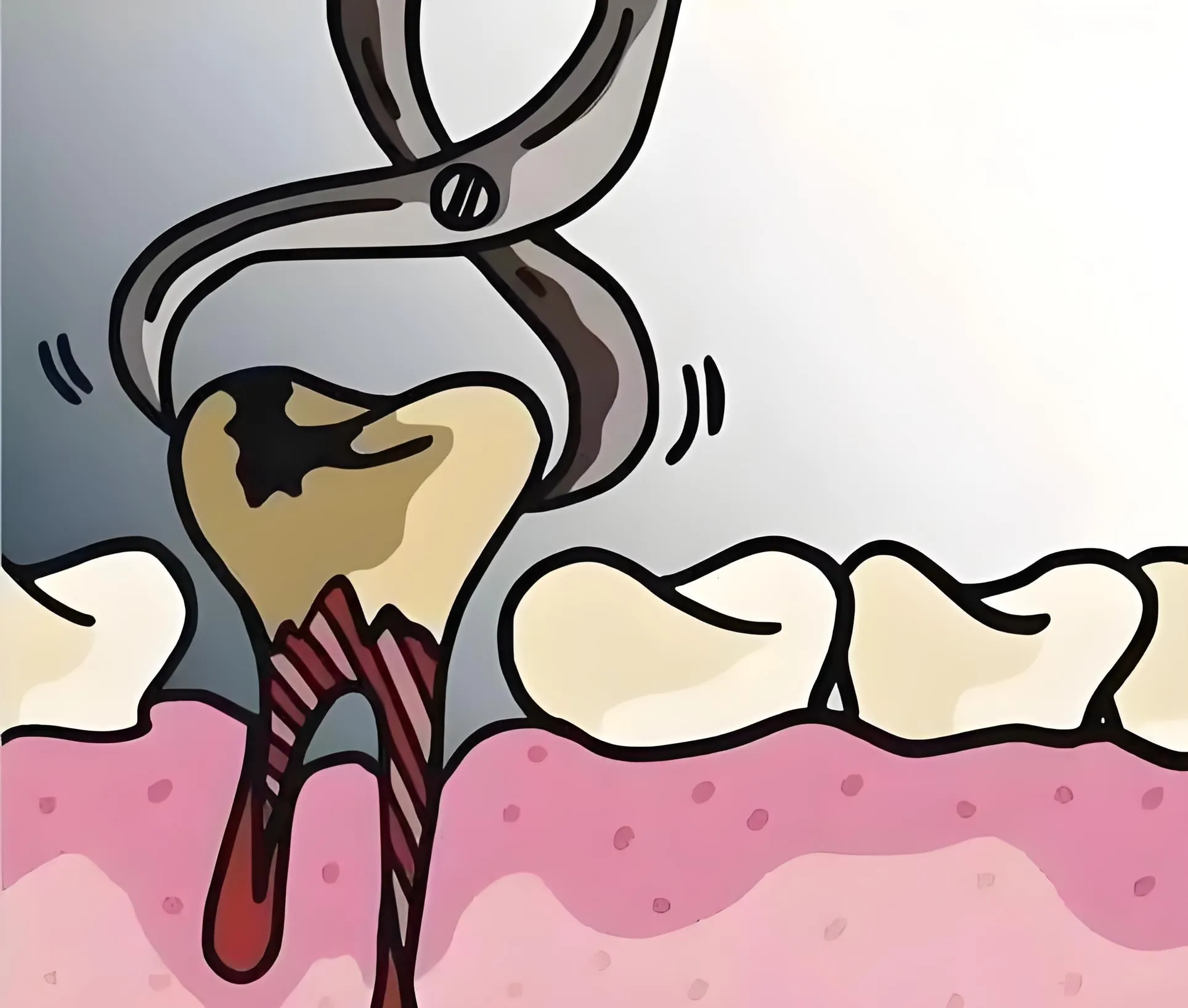
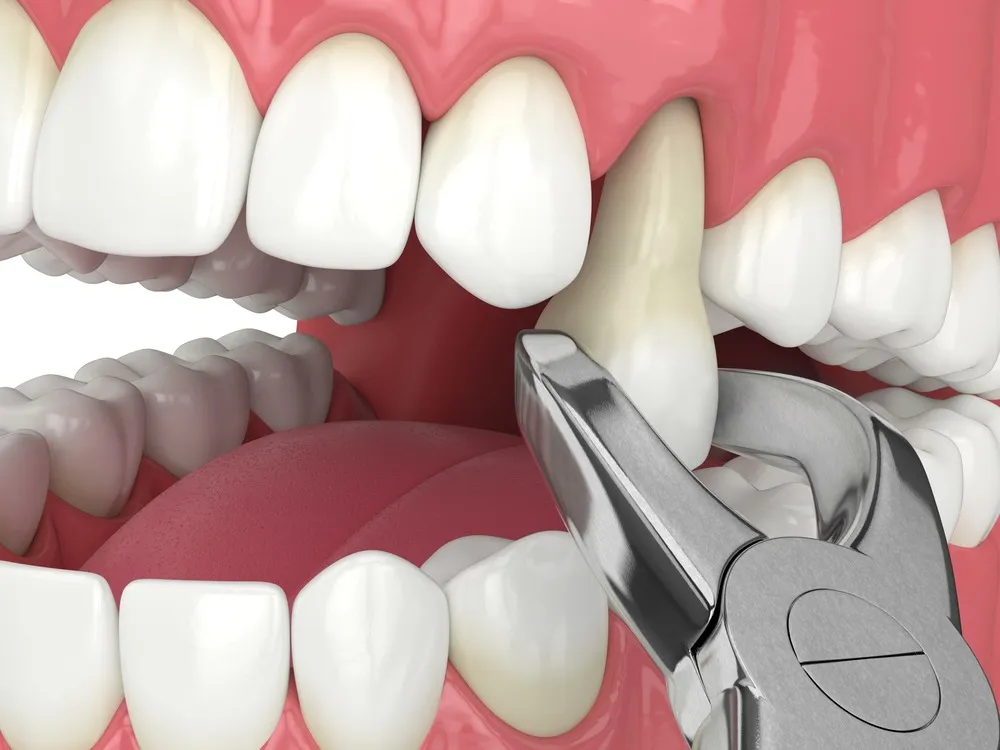
Tooth extraction simply means removing a tooth that cannot be saved by a filling, root canal, or crown. In Thailand you’ll usually hear two types:
- Simple extraction: The tooth is visible and loosened with instruments before removal.
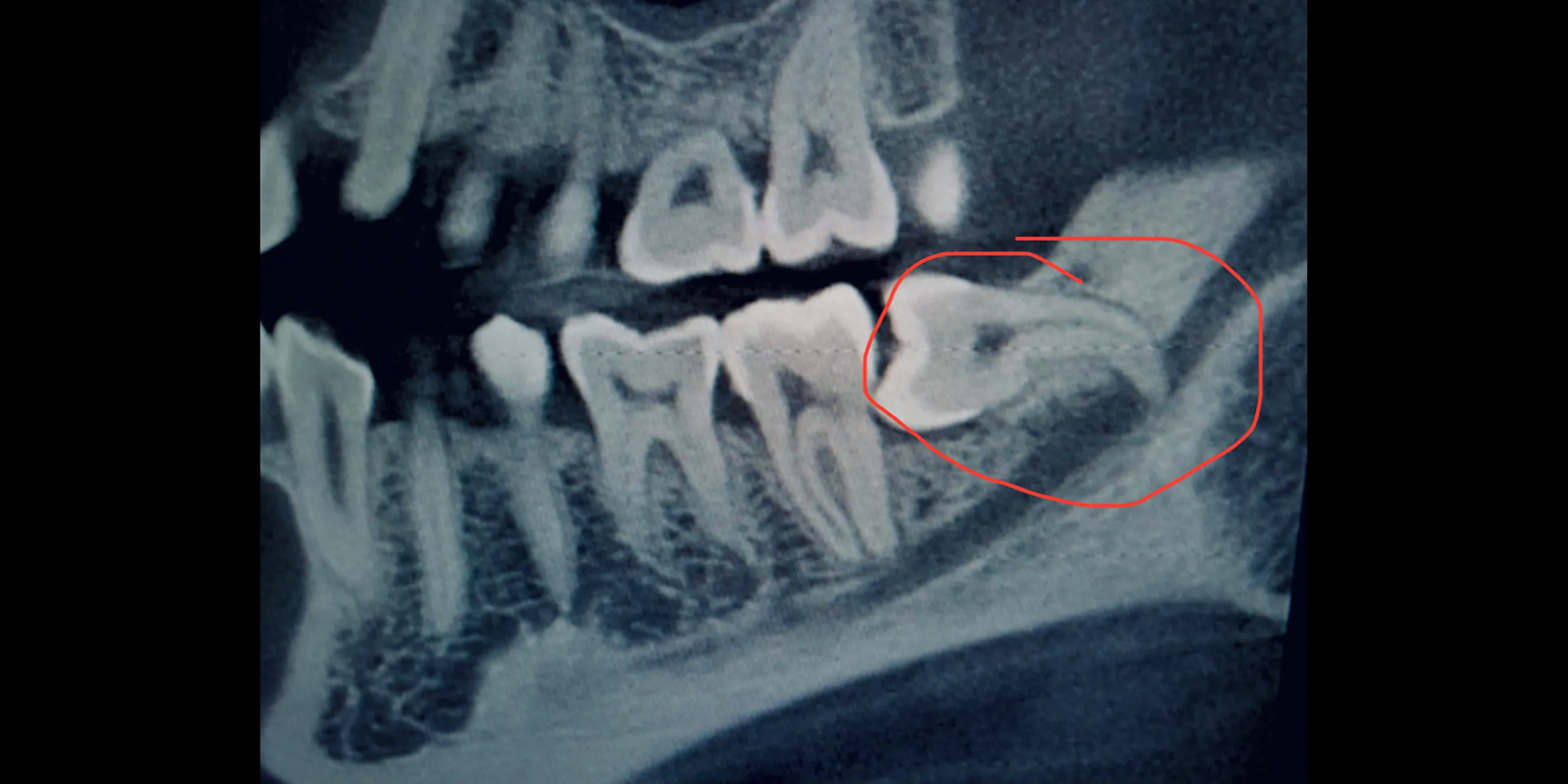
- Surgical extraction (often wisdom teeth): The dentist or oral and maxillofacial surgeon may lift gum tissue and sometimes section the tooth for a smooth removal.
Most clinics in Bangkok, Chiang Mai, Phuket, and other cities offer both, and will advise you after a quick oral exam and X-ray.
Safety and standards you can expect
Thai dental care is tightly regulated by the Ministry of Public Health, and many private hospitals are JCI-accredited. In a reputable clinic, safety is the first priority:
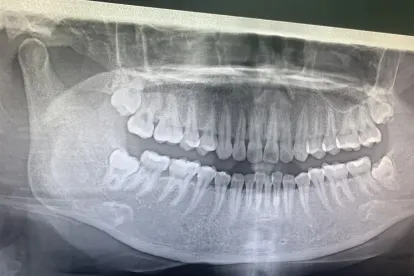
- Digital X-rays or panoramic X-rays to check roots and nerves.
- Single-use or fully sterile instruments (autoclave sterilisation with evidence logs).
- Proper PPE, suction, and disinfected surfaces between patients.
- Clear informed consent and pricing before treatment.
- Emergency protocols for rare reactions.
If you’re nervous, ask the clinic to walk you through their infection control. Most are happy to show their sterilisation area or explain their process—no worries.
How to choose the right dental clinic
Finding a reliable place is quite straightforward in Thailand. Look for:
- Dentist credentials (DDS/DMD) and, when needed, an oral surgeon for impacted wisdom teeth.
- Transparent price lists and itemised receipts (helpful for insurance).
- Clear communication in English. Many clinics are expat-friendly and can chat via Line.
- Location that’s easy to reach (near BTS/MRT if you’re in Bangkok) and reasonable opening hours, including weekends.
- Good reviews mentioning pain control and aftercare, not just the décor.
If your tooth is badly decayed, broken at the gum line, or a wisdom tooth is impacted, ask if an oral surgeon will handle it. That often means faster, safer removal.
Typical costs in Thailand
Prices vary by city and clinic type (government hospital vs private clinic/hospital). As a rough guide:
- Simple extraction: often around 1,000–3,500 baht in private clinics, sometimes lower in public hospitals.
- Surgical/wisdom tooth extraction: commonly 6,000–20,000 baht depending on difficulty, imaging, and whether sedation is used.
- Sedation or IV sedation (if available): additional fee.
Always confirm the fee range after exam and X-ray. Reputable clinics will give you a written estimate before you decide.
Before your appointment
A bit of prep makes the day smoother:
- Bring your passport if you’re a visitor, and any medical history or medication list.
- Eat a light meal if you’re having local anaesthetic. If sedation is planned, follow fasting instructions exactly.
- Avoid alcohol the day before and after.
- Arrange transport if you expect sedation, or if your clinic is far along a busy soi and you prefer a taxi or Grab.
Step-by-step on the day
1) Consultation and X-ray. The dentist checks the tooth and surrounding bone, reviews allergy history, and explains risks and benefits.
2) Anaesthetic. Local anaesthetic is standard; your cheek, tongue, and gums go numb within minutes. Nitrous oxide or IV sedation may be offered if you’re anxious.
3) Removal
. For a simple extraction, you’ll feel pressure but not pain. Surgical extractions may involve a small incision and, sometimes, stitches.
4) Gauze and rest. You’ll bite on gauze to form a clot and receive aftercare instructions. The whole visit often takes 30–60 minutes for a simple case, longer for surgical.
Pain management and medication
Thai dentists are generally gentle and will check that you’re fully numb before starting. After, they may recommend:
- Over-the-counter pain relief (e.g., ibuprofen or paracetamol) unless contraindicated.
- Antibiotics only when clinically indicated (not routine).
- Mouthwash or saline rinses after 24 hours.
If pain spikes or you develop fever or swelling that worsens after day two, contact the clinic promptly.
Aftercare, Thai-style
Good aftercare helps avoid dry socket and speeds healing:
- Keep pressure: Bite gently on gauze for 30–60 minutes to stop bleeding.
- Ice the area: 20 minutes on, 20 minutes off for the first day.
- Soft foods: Think jok (rice porridge), khao tom (rice soup), soft tofu, bananas, yoghurt, or steamed eggs. Avoid hot, spicy, crunchy, and sticky foods for a few days.
- No straw and no smoking: Both can dislodge the clot.
- Gentle cleaning: Brush carefully, avoid the socket, and start warm salt-water rinses after 24 hours.
- Rest and hydrate: Keep your head slightly elevated when sleeping the first night.
Healing timeline
- Day 1–2: Mild bleeding and swelling are normal. Discomfort is manageable with recommended pain relievers.
- Day 3–4: Swelling starts to go down. Soft diet continues.
- Day 7: Stitches (if any) may be removed, or they dissolve. Many people return to normal eating after a week.
- Weeks 3–4: Gum tissue fills in. Full bone healing takes a few months.
Travel planning for visitors
If you’re here for dental tourism, plan smart:
- Simple extraction: Schedule at least 48–72 hours before long-haul flights to rest and monitor early healing.
- Surgical/wisdom removal: Keep 5–7 buffer days in Thailand in case of follow-up and to avoid diving, Muay Thai, or trekking while healing.
- Sun, heat, and spicy street food can be tempting—take it easy for a couple of days to avoid bleeding and swelling.
Common questions about tooth extraction in Thailand
- Will it hurt? With proper local anaesthetic, you’ll feel pressure but not sharp pain. Tell your dentist immediately if you feel anything; they will top up the anaesthetic.
- Can foreigners walk in? Many clinics accept walk-ins, but booking ahead (often via Line or phone) reduces waiting. Public hospitals may use a queue number system; private clinics tend to keep wait times short.
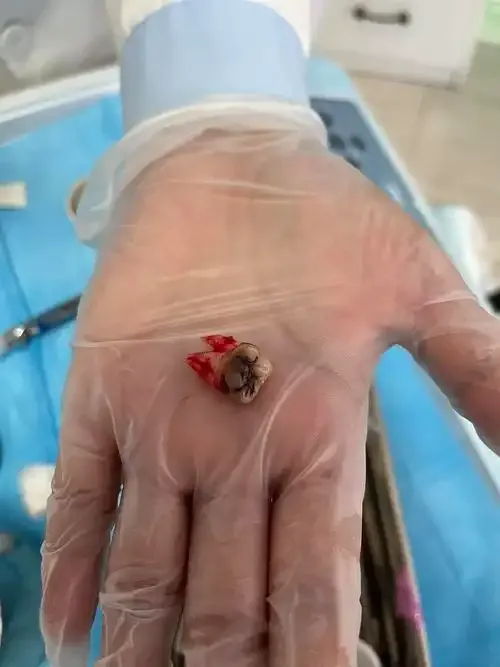
- Can I keep the tooth? If you’d like the tooth returned, tell the dentist in advance. Some clinics can give it to you in a small container if local regulations allow.
- How do I pay? Cash in baht and major credit cards are widely accepted. Ask for an itemised receipt for insurance claims.
Red flags and when to call the clinic
- Heavy bleeding that doesn’t slow after two hours of gauze pressure
- Increasing pain after day two, foul taste, or visible empty socket (possible dry socket)
- Fever, spreading swelling, or difficulty opening your mouth
These are not common, but don’t “mai pen rai” serious symptoms—get in touch with the clinic or go to a hospital dental department.
Bottom line
Tooth extraction in Thailand is safe, efficient, and affordable when you choose a reputable clinic and follow proper aftercare. From Bangkok’s BTS-adjacent dental centres to calm clinics in Chiang Mai and Phuket, you’ll find skilled dentists focused on comfort and hygiene. Ask questions, confirm costs, plan a little downtime, and you’ll get through your tooth removal with minimal fuss and a quick recovery.