Thailand Tooth Extraction Clinics With High International Standards
Thailand Tooth Extraction Clinics With High International Standards
Thailand Tooth Extraction Clinics With High International Standards
Thailand has earned a solid reputation as a dental destination where care is friendly, prices are transparent, and quality is truly world-class. Whether you are a local, an expat living along Sukhumvit, or a traveller popping in between islands, tooth extraction in Thailand can be done safely and comfortably, from simple removals to complex wisdom tooth surgery. The key is choosing a clinic that follows high international standards while still giving you that warm, Thai-style service.
What “high international standards” really means
In Thailand, reputable dental clinics operate under strict regulations from the Dental Council of Thailand and the Ministry of Public Health. Many dentists are board-certified, with postgraduate training in oral surgery, and a good number hold degrees or fellowships from the US, UK, Australia, or Japan. Clinics that focus on international patients often align their protocols with global guidelines (WHO- and CDC-style infection control) and may be part of hospital groups accredited by JCI. In practical terms, you should see:
- Clear clinic and dentist licences displayed at reception.
- Meticulous infection control: single-use items where appropriate, sterilisation by autoclave with logbooks and indicator strips, proper PPE, and high-volume suction for aerosol control.
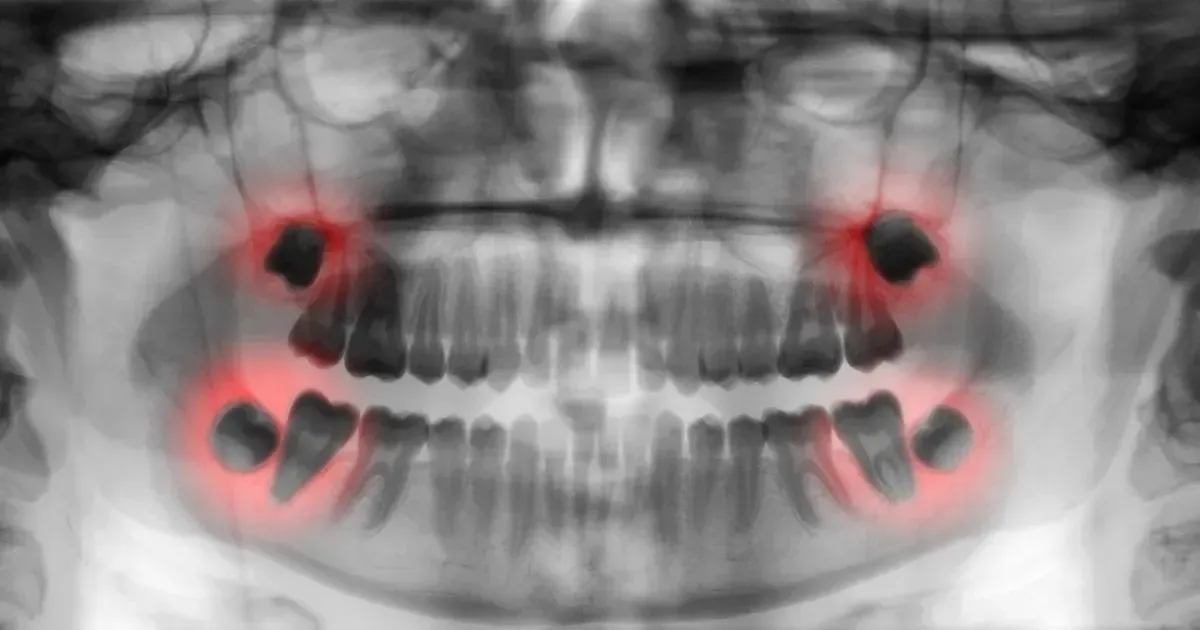
- Modern imaging like digital X-rays, panoramic OPG, and CBCT for impacted wisdom teeth assessment.
- Proper documentation and informed consent in English, with itemised fees and no hidden charges.
How the process usually works
Booking is straightforward. Most clinics accept calls, email, website forms, and even LINE for quick messaging—very handy in Thailand. Walk-in is sometimes OK, but for surgical extractions it’s better to make an appointment. On the first visit, you’ll typically have a consultation and an X-ray (OPG for general assessment or CBCT for tricky wisdom teeth). Your dentist will explain the plan, the risks and benefits, and total costs in Thai baht before you give consent.
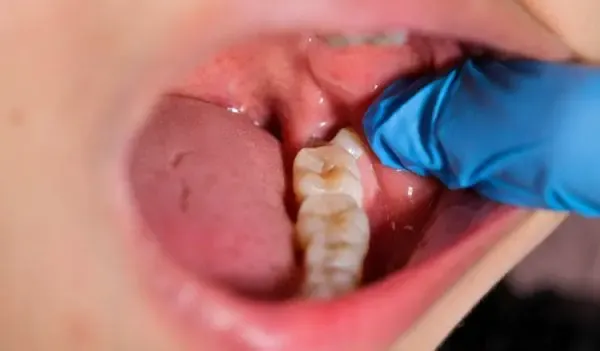
Simple extractions are done under local anaesthetic; the tooth is loosened and removed within minutes. For impacted third molars, an oral and maxillofacial surgeon may perform a minor surgical procedure that involves a small incision, bone trimming if needed, and stitches. A full wisdom tooth surgery usually takes 30–60 minutes per tooth, and most patients say the pressure feels strange but not painful. If you’re anxious, clinics can offer nitrous oxide or IV sedation supervised by an anaesthesiologist, especially in hospital-based centres.
Pain control and comfort
Thai clinics are very mindful about comfort. Dentists use effective local anaesthesia, and for those who prefer extra support, sedation options are available. Post-op pain is commonly managed with ibuprofen and paracetamol; antibiotics are prescribed only when indicated. Many clinics will follow up on LINE the next day to check how you feel—very convenient if you’re staying at a hotel or condo nearby.
What to look for when choosing a clinic
- Dentist qualifications: Look for oral surgeons for complex extractions. Don’t be shy to ask about training and years of experience; in Thailand it’s normal and polite to ask.
- Equipment and cleanliness: A tidy, well-ventilated operatory, sterile packs opened in front of you, and digital imaging on-site are good signs.
- English-speaking team: Most international clinics in Bangkok, Phuket, and Chiang Mai have fluent English reception and nurses; some also speak Chinese, Japanese, or Arabic.
- Clear pricing: Ask for a written quotation. A proper clinic will state ex
traction type (simple vs surgical), imaging fees, sedation fees if any, suture removal, and follow-up visits.
- Emergency readiness: Reputable clinics have protocols for unexpected bleeding, allergic reactions, or difficult cases, and can refer to hospital-based specialists if needed.
- Reviews and word of mouth: Google reviews can be helpful, and you’ll find many expat community threads recommending clinics near BTS Asok, Thonglor, or Silom, as well as Nimmanhaemin in Chiang Mai and Patong in Phuket.
Typical costs in Thailand
Prices vary by city and clinic, but you can expect:
- Simple extraction: around 1,200–3,000 THB per tooth.
- Surgical extraction (non-impacted): around 5,000–12,000 THB.
- Impacted wisdom tooth removal: roughly 8,000–25,000 THB depending on complexity.
- Panoramic X-ray (OPG): about 500–1,000 THB; CBCT: 2,500–4,500 THB.
- Sedation, if chosen: nitrous oxide often 2,000–4,000 THB; IV sedation 10,000–20,000 THB.
Many clinics accept major credit cards. If you plan to claim from overseas insurance, request an itemised receipt with diagnosis and procedure codes. For Thai nationals, social security benefits may apply at designated centres; foreigners usually pay private rates.
Where to go in Thailand
- Bangkok (BKK): You’ll find a dense cluster of international-standard dental clinics along Sukhumvit (near BTS Asok, Phrom Phong, Thonglor), Silom–Sathorn (near BTS Sala Daeng, Chong Nonsi), and around Ploenchit. Hospital dental centres attached to JCI-accredited hospitals are ideal for those wanting IV sedation or complex surgery with full backup.
- Chiang Mai: Around Nimmanhaemin and the Old City, clinics serve students, digital nomads, and retirees, with friendly pricing and modern tech.
- Phuket: Patong, Phuket Town, and Boat Avenue areas cater to travellers. If you plan to dive, schedule extraction with enough recovery time—avoid diving for at least two weeks after wisdom tooth surgery.
Aftercare tips Thai dentists actually give
- Bite on gauze for 30–60 minutes to control bleeding, then change as instructed.
- Ice the cheek off-and-on for the first 24 hours to reduce swelling.
- Avoid hot, spicy, or very chewy foods for a few days—Thailand has many soft options like congee, soft tofu, and steamed fish.
- No straw, no smoking, and no alcohol for at least 48–72 hours to prevent dry socket.
- Sleep with your head slightly elevated the first night.
- Rinse gently with warm salt water starting 24 hours after surgery; avoid vigorous swishing.
- Return for suture removal and review on time—usually day 7.
Timing your visit
Most clinics open late morning to evening, with Saturday hours and limited Sunday slots. Public holidays can be busy, so book ahead. If you’re flying in, allow one or two easy days in Bangkok or Chiang Mai after surgery before heading to the islands. For Phuket travellers, avoid water sports until fully healed.
Why Thailand is a smart choice
Beyond competitive pricing, Thailand’s dental teams are known for gentle technique, clear communication, and efficient appointments. The combination of skilled oral surgeons, advanced imaging, strict sterilisation, and comfortable sedation options makes tooth extraction here both safe and smooth. Add convenient locations near BTS/MRT, easy LINE communication, and reliable follow-up, and it’s easy to see why many patients plan their dental care in Thailand with full confidence.
If you prioritise clinics that show their licences, explain your X-rays clearly, and offer transparent fees, you can expect care that meets high international standards—with the welcoming Thai service that makes the whole experience less stressful and more reassuring.