Thailand Tooth Extraction Services for International Medical Travelers
Thailand Tooth Extraction Services for International Medical Travelers
Thailand Tooth Extraction Services for International Medical Travelers
Thailand has earned a strong reputation for dental tourism, and tooth extraction is one of the most sought-after services for visitors. Between modern clinics, friendly service, and fair pricing, many travelers find it easy to combine treatment with a holiday. Whether you are planning a quick simple extraction or a more complex wisdom tooth removal, Thailand offers high standards of care with a style that’s calm, clear, and very service-minded.
Why choose Thailand for tooth extraction? The country’s dentists are well trained, many with postgraduate qualifications, and English-speaking teams are common in Bangkok, Phuket, Chiang Mai, Pattaya, and Koh Samui. Clinics follow international sterilization protocols, using digital X-rays, CBCT scans when needed, and well-established infection control systems. Several large hospitals hold international accreditations, and private dental clinics are registered with the Thai Dental Council and Ministry of Public Health. The vibe is welcoming—no worries—while the clinical standards remain professional.
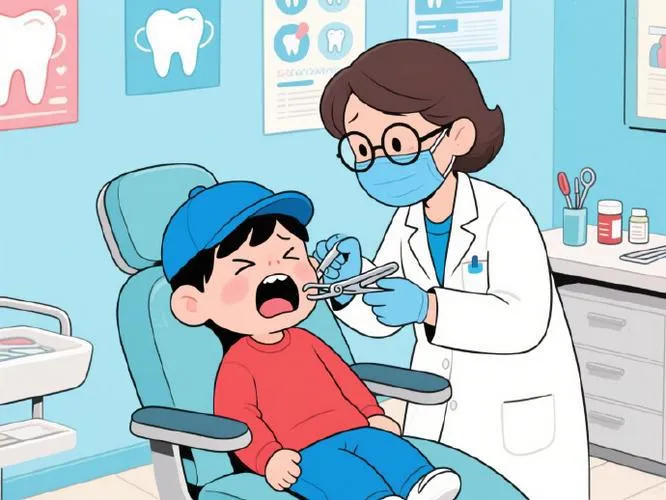
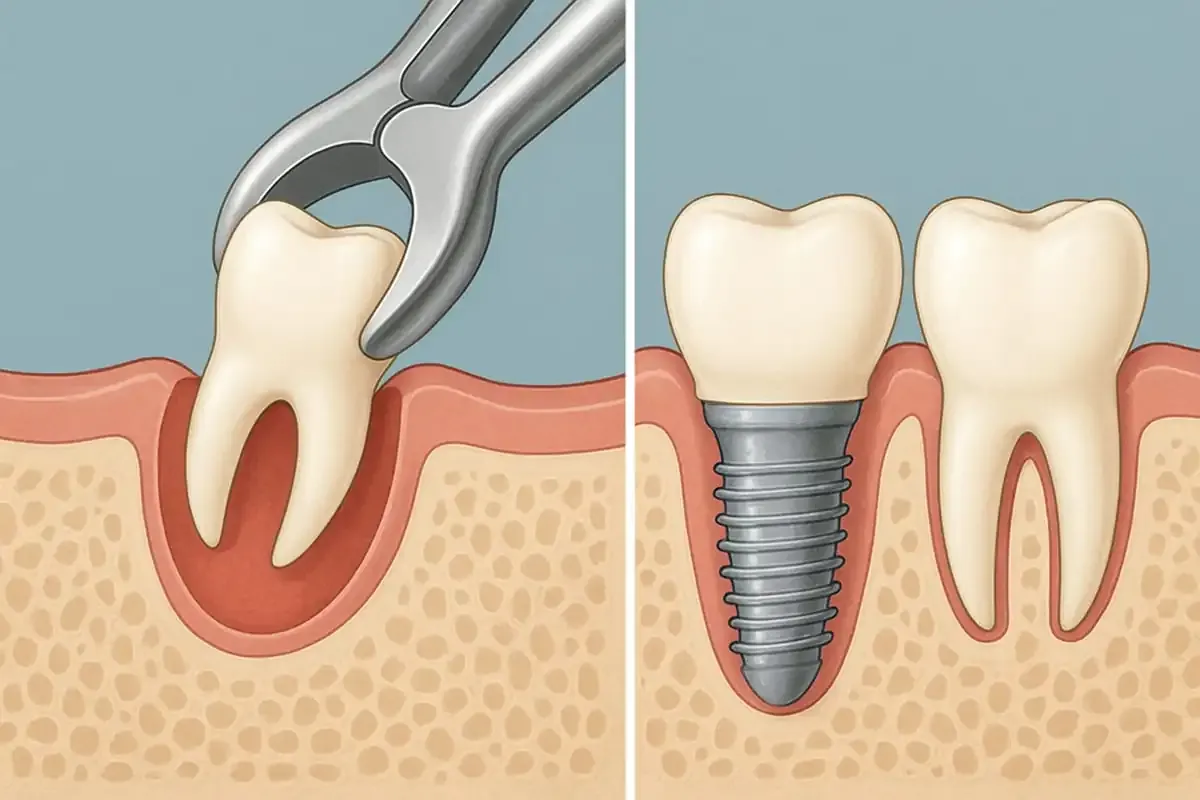
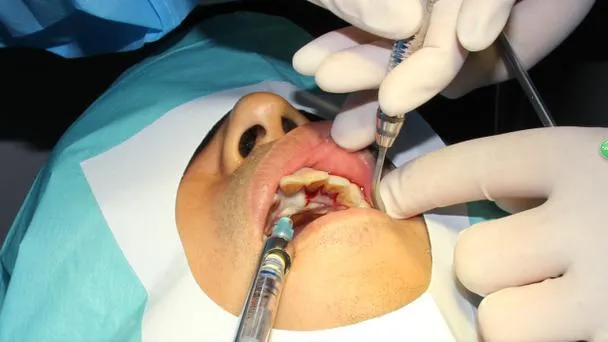
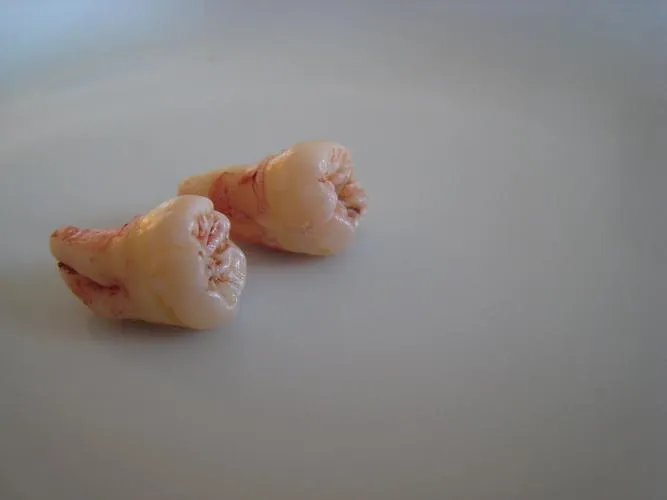
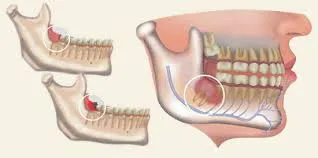
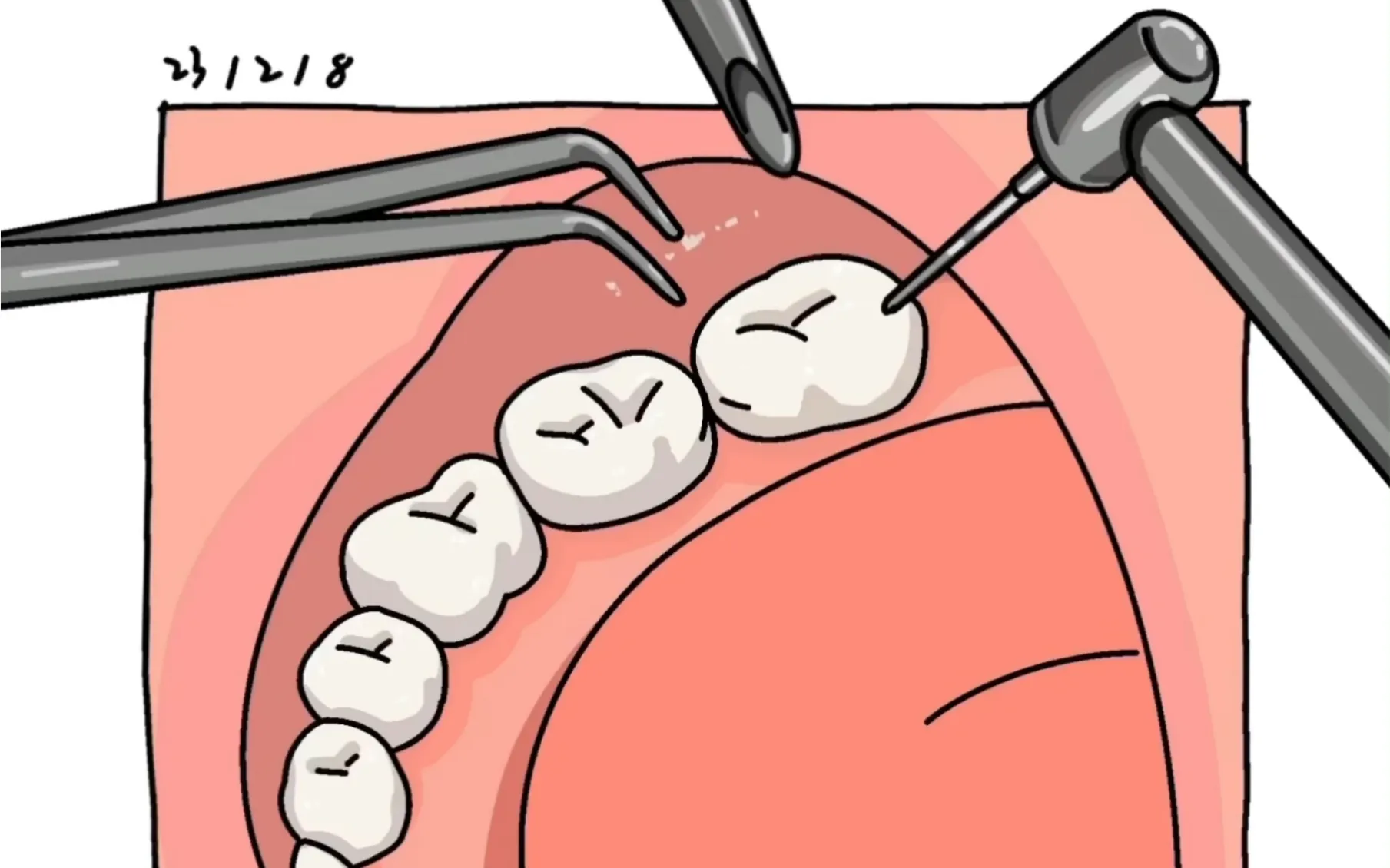
There are two main categories of tooth extraction available for international medical travelers. A simple extraction removes a tooth that is visible above the gum and typically mobile enough to lift out with gentle instruments after numbing. This is often done for severely decayed teeth or those needed for orthodontic reasons. Surgical extraction, including wisdom tooth removal, is required when a tooth is impacted, broken at the gum line, or lies at an awkward angle. In such cases, the dentist may open the gum, remove a small amount of bone, and section the tooth to take it out safely. Local anesthesia is standard, but sedation or general anesthesia can be arranged at larger clinics or dental hospitals if clinically appropriate.
Costs are one of the biggest advantages for dental tourism in Thailand. Prices vary by city, clinic, and case complexity, but the ranges below are common in private practices:
- Simple extraction: THB 800–2,500 (approximately USD 22–70) per tooth
- Surgical extraction (non-impacted): THB 3,000–8,000 (USD 85–225)
- Impacted wisdom tooth removal: THB 8,000–18,000 (USD 225–500) per tooth
- CBCT or panoramic X-ray (if needed): THB 1,500–3,000 (USD 40–85)
- Sedation fees (if available): THB 5,000–15,000 (USD 140–420)
Most clinics will share a written estimate after examination and X-rays, so you know the full fee before treatment. Package pricing that includes consultation, imaging, extraction, and basic medications is common in tourist areas.
When choosing a clinic, convenience counts. Many travelers prefer locations near BTS/MRT stations in Bangkok or within short rides of popular beach areas. Look for:
- Dentist credentials (DDS, MDS in Oral and Maxillofacial Surgery), years of experience, and membership in professional bodies
- Clear sterilization protocols and use of single-use disposables
- English-speaking reception and chairside assistants
- Transparent pricing and a printed treatment plan
- Availability of sedation or referral to a dental hospital if your case is complex
- After-hours contact for urgent post-op support
It’s okay to walk in at some clinics, but during high season it’s better to make a booking to avoid a long queue. Kindly bring your passport for registration and any past dental records you may have. If you need same-day extraction, inform the clinic when booking so the team can schedule enoug
h time and arrange imaging in advance.
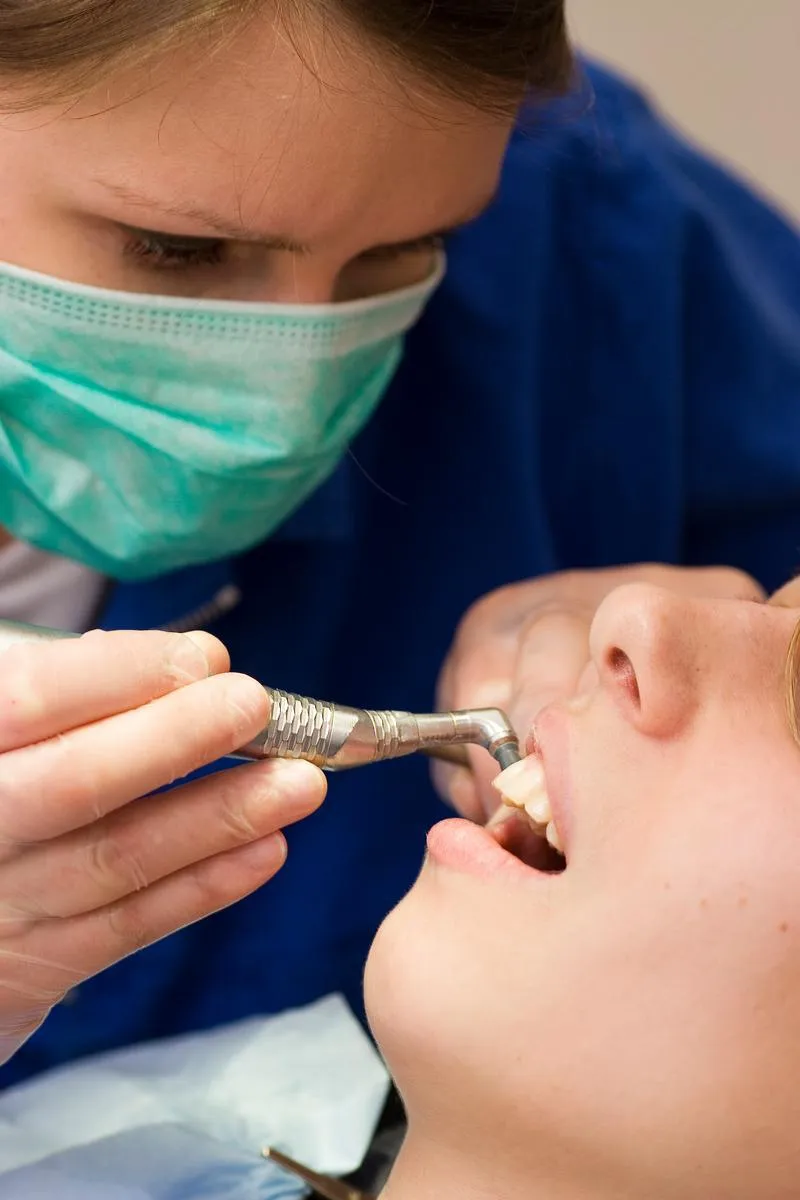
What to expect on the day? You will start with a consultation and X-ray—often a panoramic OPG or CBCT for wisdom teeth—to map the roots and nerves. The dentist will explain options, risks, and costs. After local anesthesia, the area will feel numb within a few minutes. For simple extractions, removal usually takes 10–20 minutes; surgical extractions and impacted wisdom teeth can take 30–60 minutes or more, depending on the case. You may hear some pressure or vibration but should not feel pain. Stitches might be placed for surgical sites; dissolvable sutures are commonly used. Before you leave, the team will provide post-op instructions in English and medication where indicated.
Aftercare in Thailand is straightforward and very much sabai-sabai—calm and comfortable. Bite on gauze to control bleeding for the first hour and avoid rinsing vigorously for 24 hours. Skip alcohol and smoking for at least 48–72 hours, as both increase the risk of dry socket. Choose soft, cool foods such as congee (jok), yogurt, smoothies (not using a straw), scrambled eggs, and ripe bananas. Many travelers ask about spicy food; it’s better to delay spicy and very hot dishes for a couple of days until the site settles. Use ice packs for swelling during the first 24 hours, then warm compresses if needed. The dentist may prescribe pain relief; antibiotics are used only when clinically necessary.
Plan your travel around recovery. If you are flying, allow at least 24–48 hours after a simple extraction and 3–5 days after impacted wisdom tooth removal, just in case of swelling or follow-up. Avoid diving, heavy gym sessions, or Muay Thai training until your dentist clears you—pressure changes and strenuous activity can slow healing. If you are heading upcountry or island-hopping, consider removing the tooth in a major city first, where imaging and surgical support are readily available, and schedule a next-day review if advised.
Payment is simple: most clinics accept cash, Visa, and Mastercard. Some may request a small deposit for surgical cases. International insurance for dental treatment is typically pay-and-claim; request an itemized receipt with diagnosis and procedure codes to support your claim back home. If you need a medical certificate for your airline or travel insurer, ask the clinic—most are happy to issue one on the spot.
A quick note on safety and ethics. Choose clinics that are transparent about options, including alternatives such as root canal and crown where appropriate. A tooth extraction should be recommended only when the tooth cannot be predictably saved or when removal is the best choice for your oral health. If a quote seems too cheap compared to the market, ask what is included and what materials or imaging are used. Good clinics will happily explain. Also, consider your long-term plan: if a molar is extracted, ask about timing and costs for an implant or bridge later, and request digital records to share with your dentist at home.
Thailand’s combination of skilled dentists, friendly service, and efficient systems makes tooth extraction a smooth experience for international patients. With thoughtful planning—clear communication, proper aftercare, and a sensible travel schedule—you can get the treatment you need and enjoy your time in the Land of Smiles without stress. From Bangkok’s city clinics to Phuket’s beachside practices, you’ll find professional teams ready to help—quiet, careful, and very much on your side.