Thailand Tooth Extraction Clinics Providing Safe Dental Surgery
Thailand Tooth Extraction Clinics Providing Safe Dental Surgery
Thailand Tooth Extraction Clinics Providing Safe Dental Surgery
Thailand has built a strong reputation for safe, well-priced dental care, and tooth extraction clinics across Bangkok, Chiang Mai, Phuket, and other cities consistently meet international expectations. Whether you are dealing with a restless wisdom tooth, a cracked molar, or a tooth that can’t be saved, Thai dentists combine gentle technique with reliable protocols to keep you comfortable. With trained oral surgeons, modern equipment, and a service-minded approach, getting a tooth out here is straightforward and safe.
What safe dental surgery looks like in Thailand
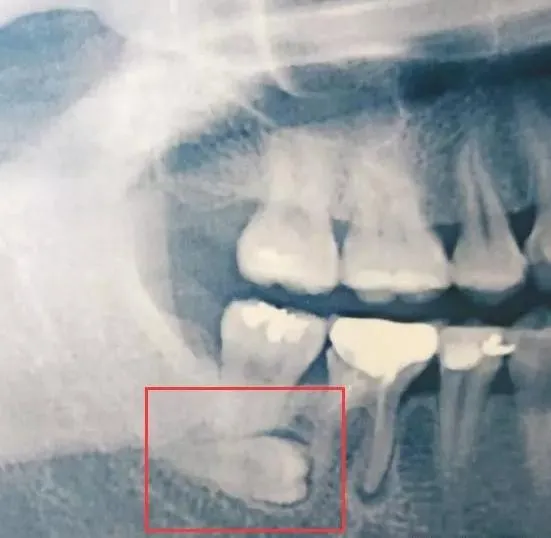
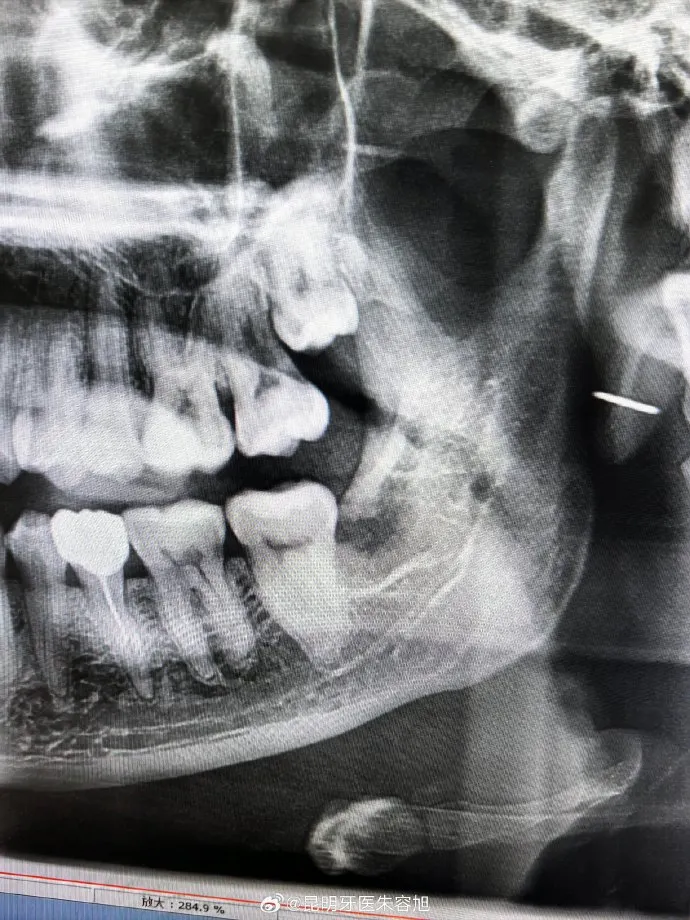
Most reputable clinics follow strict sterilization and infection control. Instruments are autoclaved with documented cycles, treatment rooms are disinfected between patients, and the team uses proper PPE. Digital X‑rays and, when needed, CBCT scans help the dentist map nerves and roots before any extraction, especially for impacted wisdom teeth. Clinics maintain emergency kits and monitoring devices, and staff are trained in basic life support. Importantly, dentists are licensed by the Thai Dental Council, and many oral surgeons hold additional training and hospital privileges.
If you prefer a calm experience, clinics offer pain-free options: local anaesthesia for routine extractions and sedation for anxious patients or complex cases. Some centers provide nitrous oxide, oral sedation, or IV sedation under supervision. Communication is usually easy—many clinics have English-speaking dentists and coordinators, and they explain the plan clearly before starting. You can expect transparent discussion of risks, benefits, and fees so you can make an informed decision.
What to expect on the day
- Consultation and imaging: You will start with a short consultation, medical history check, and X‑ray. Panoramic or CBCT scans are done when visibility is limited. The dentist will outline the steps, expected difficulty, and recovery time.
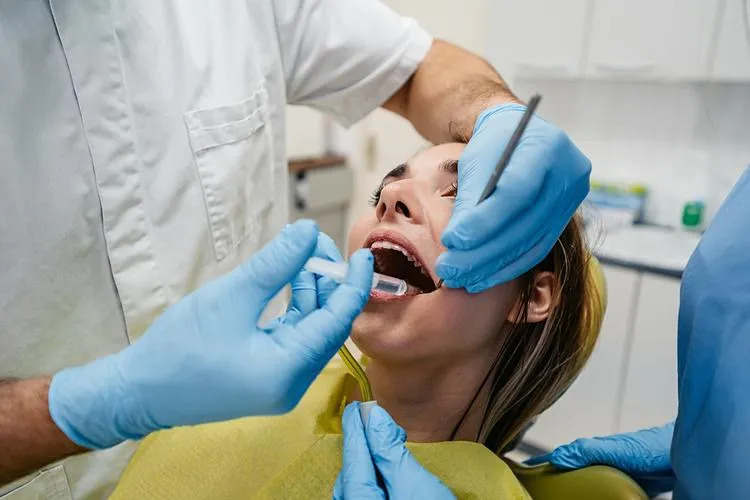
- Consent and anaesthesia: You will sign a consent form and receive local anaesthesia. If you choose sedation, the clinic will brief you on fasting and bring a monitoring setup.
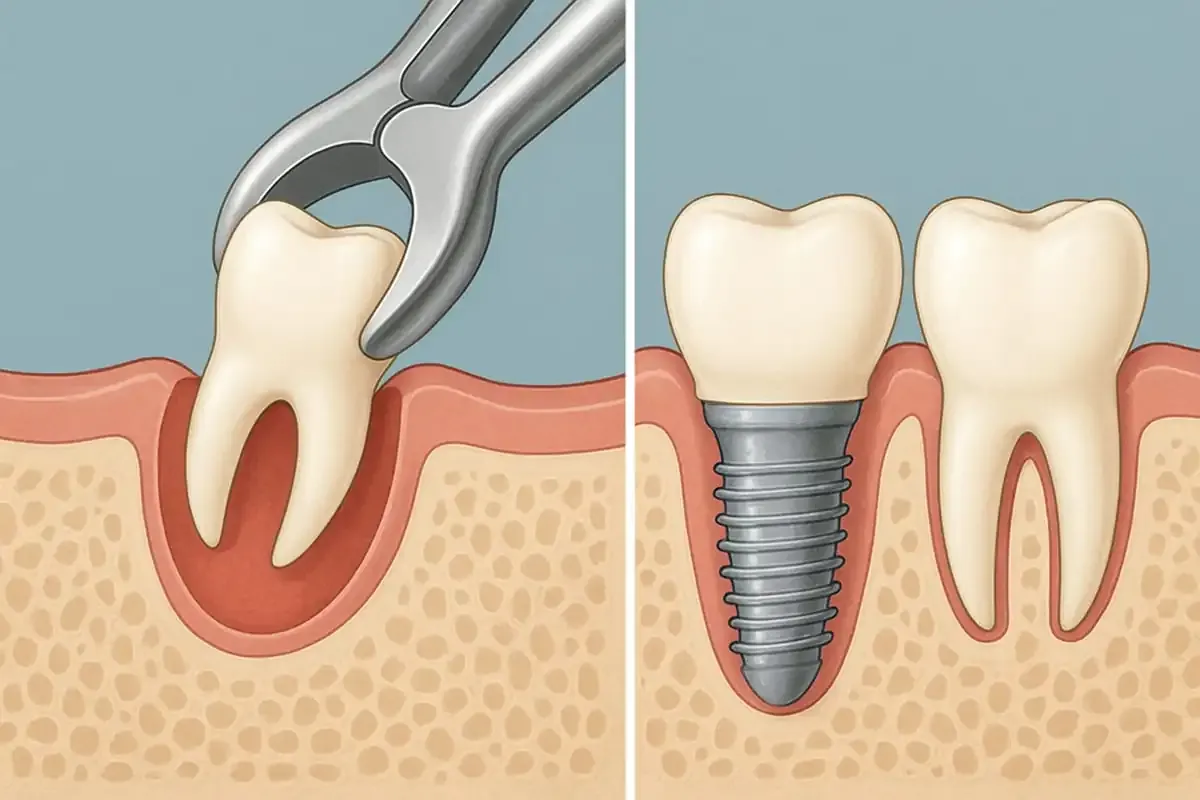
- The extraction: Simple extractions are usually done in 15–30 minutes; surgical removals may take longer. For impacted wisdom teeth, a small incision and bone contouring may be necessary. Dissolvable sutures are commonly placed.
- Aftercare: The team will provide gauze, medication, and instructions. You will get a contact number and a follow-up appointment if stitches are used.
How to choose a clinic with confidence
- Check qualifications: Look for a dentist with relevant experience in oral surgery or an oral and maxillofacial surgeon for complex cases. You can ask to see the dentist’s Thai Dental Council number.
- Ask about imaging and safety: Confirm availability of digital X‑rays, CBCT for impacted cases, and written sterilization protocols. ISO-certified or hospital-affiliated clinics are a plus.
- Confirm language and communication: If you prefer English, request an English-speaking dentist or coordinator. Clear instructions reduce anxiety.
- Review pricing and inclusions: A trustworthy clinic will give a fee range and list what’s included—X‑rays, surgical fee, sutures, medication, and follow-up. Send your X‑ray in advance via email or Line Official for a more accurate estimate.
- Consider access: Clinics near BTS or MRT stations (for example, along Sukhumvit or Sathorn) make visits easy. Check operating hours; many are open evenings, weekends, and some public holidays.
- Read recent reviews: Look for feedbac
k mentioning cleanliness, pain control, and aftercare. Response to negative reviews shows how the clinic handles issues.
Typical fees and payment
Prices vary by city and case complexity, but Thailand remains affordable compared with many countries. As a guide:
- Simple extraction: around THB 800–3,000 per tooth.
- Surgical extraction or impacted wisdom tooth removal: around THB 5,000–12,000+ per tooth, depending on difficulty and imaging.
- Sedation (optional): additional charge, often quoted per session or hour.
Clinics accept cash and major cards; some also take bank transfer or QR payment. Kindly be informed that exact pricing depends on your X‑ray and clinical exam.
Comfort and pain control
You should not feel pain during the procedure, only pressure. After anaesthesia wears off, mild to moderate soreness is common for 1–3 days. Dentists typically prescribe pain relief and, if indicated, antibiotics or antiseptic mouthwash. For very nervous patients, a pre-procedure consult can help set expectations so everything goes smoothly.
Aftercare that speeds recovery
- Bite on gauze for 30–60 minutes to control bleeding. If bleeding restarts, replace with fresh gauze and bite firmly.
- Avoid hot food, alcohol, smoking, and using a straw for at least 48–72 hours to reduce the risk of dry socket.
- Apply a cold compress on-and-off for the first 24 hours to reduce swelling. Sleep with your head slightly elevated.
- Eat soft foods like congee, yogurt, smoothies (no straw), and scrambled eggs. Avoid spicy or very hot dishes initially.
- After 24 hours, rinse gently with warm salt water 3–4 times a day. Keep up normal brushing but be gentle near the surgical site.
- Take medication as instructed and finish antibiotics if prescribed.
- Return for suture removal if non-dissolving stitches were used (usually 7–10 days).
Call the clinic if you notice persistent heavy bleeding, increasing swelling after 3 days, fever, or severe pain not relieved by medication. Most clinics are prompt and will take care for you.
For international visitors and expats
Thailand’s dental clinics are accustomed to serving travelers and expats. You can book in advance via email, website form, Facebook page, or Line Official. Bring your passport and any medical records or medication list. Plan your schedule so you can rest 48–72 hours after surgery—avoid scuba diving, Muay Thai training, or long treks immediately after extraction. Flying is generally fine after 24–48 hours for simple cases, but check with your dentist if you had a surgical removal.
If you have medical conditions like heart disease, bleeding disorders, or if you take blood thinners, inform the clinic during booking. Some patients may need a doctor’s clearance or adjusted medication before surgery. For those seeking IV sedation, ask in advance—some clinics partner with anaesthesiologists and may require pre-op labs or fasting.
Why Thailand is a dependable choice
What sets Thailand apart is the combination of skilled dentists, modern technology, and a gentle, service-minded approach at a reasonable price point. From the first consultation to the follow-up message checking on your recovery, clinics here focus on comfort and safety. With clear communication, transparent costs, and easy city access by BTS and MRT, arranging a safe tooth extraction is convenient and stress-free. If you are comparing options, send your X‑ray for a pre-quotation, ask a few safety questions, and choose the team that gives you confidence. Mai pen rai—once you’re in the chair, you can relax and let the professionals handle the rest.