Thailand Tooth Extraction Procedures With Modern Equipment and Skilled Dentists
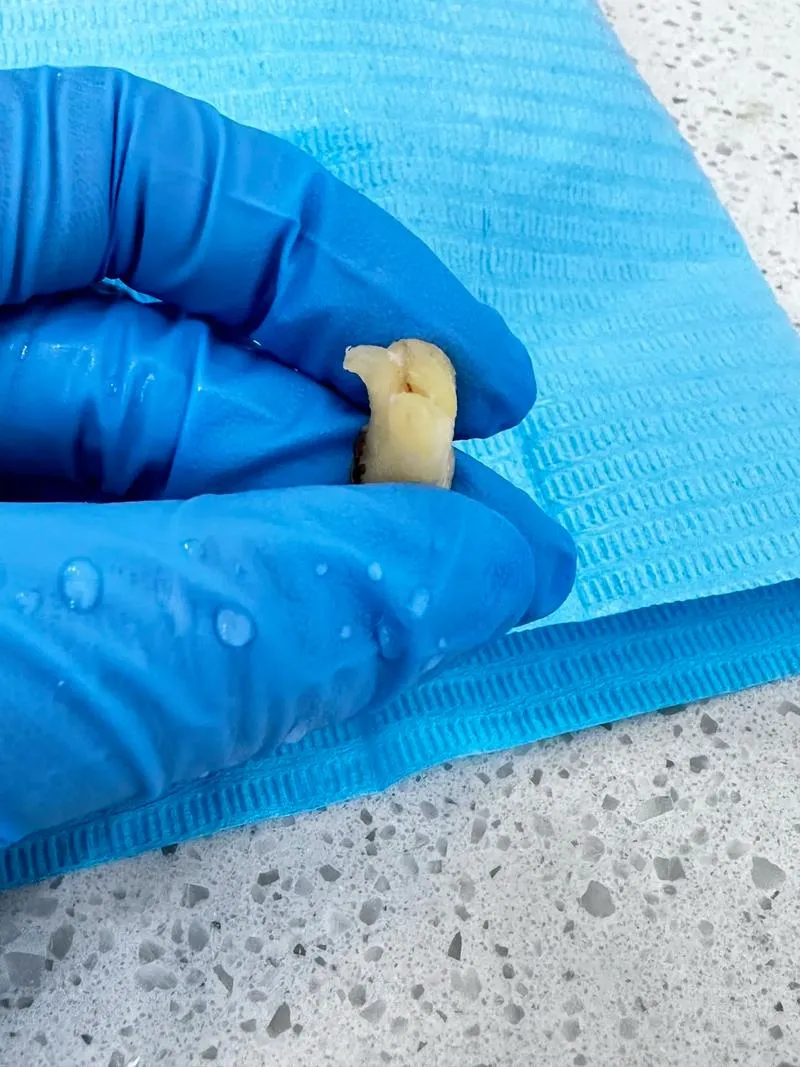
Thailand Tooth Extraction Procedures With Modern Equipment and Skilled Dentists
Thailand Tooth Extraction Procedures With Modern Equipment and Skilled Dentists
Planning a tooth extraction in Thailand? You’re in good hands. From Bangkok to Chiang Mai and Phuket, dental clinics here combine modern equipment with skilled, friendly dentists who make the whole experience sabai-sabai—comfortable and low stress. Whether you’re a local, an expat, or a dental tourist, Thailand’s approach to tooth removal focuses on safety, precision, and painless procedures, so you can get back to normal quickly.
When a tooth extraction is recommended
Dentists in Thailand follow international guidelines when deciding if a tooth should come out. Common reasons include:
- Severe decay or infection that cannot be saved with root canal treatment
- Advanced gum disease causing loose teeth
- Crowding before orthodontic treatment
- Fractured or broken teeth below the gum line
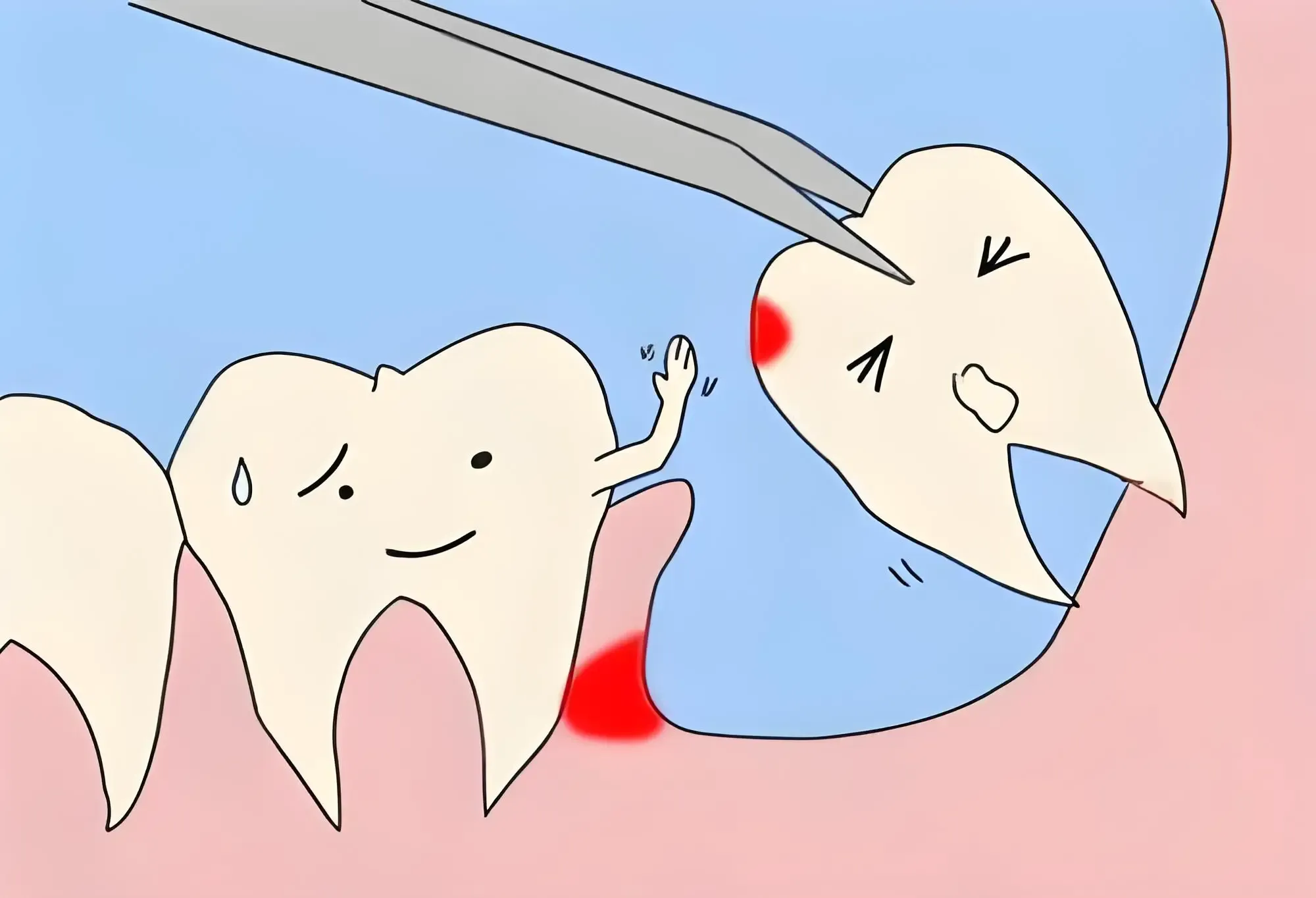
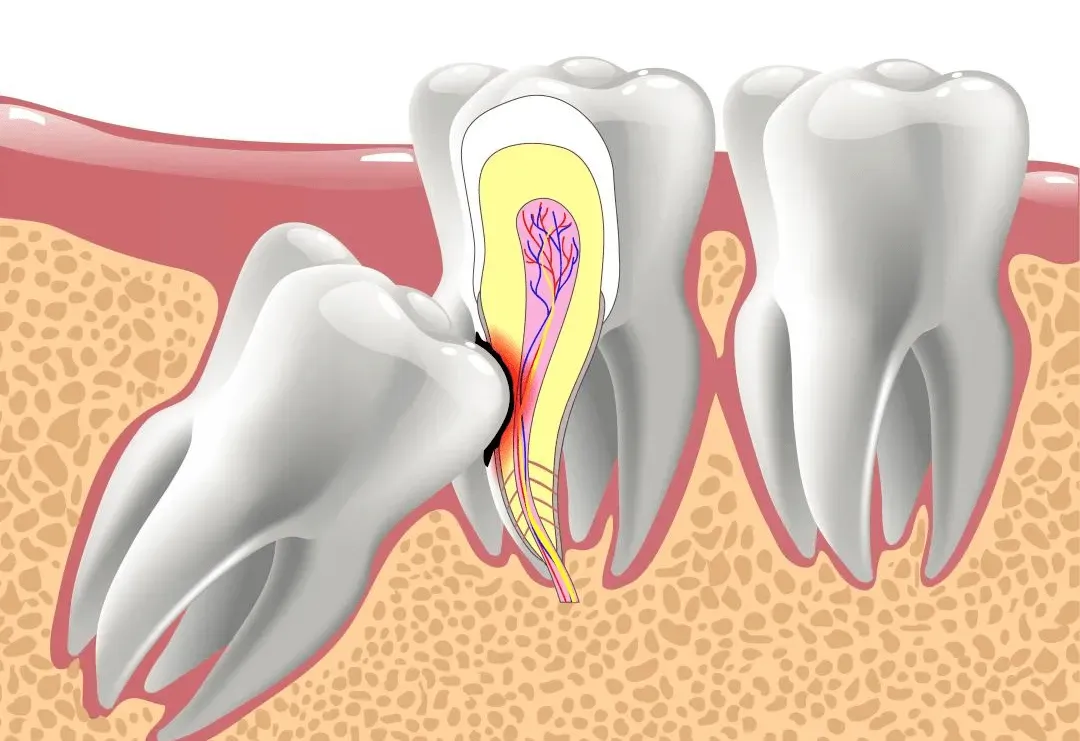
- Impacted wisdom teeth causing pain, swelling, or repeated infection
- Baby teeth that don’t fall out on time
A consultation comes first. Your dentist will check your medical history, take dental X-rays, and explain options, including saving the tooth when possible. If extraction is the best choice, you’ll get a clear plan and cost breakdown, no surprises.
Modern equipment you’ll typically see in Thai clinics
Thailand’s top dental clinics are well-known for their technology and strict sterilization:
- Digital X-rays and 3D CBCT scans give a precise picture of roots, nerves, and sinuses for safer extractions.
- Intraoral cameras help you see what the dentist sees, so it’s easy to understand the diagnosis.
- Electric handpieces and piezo surgical units allow gentle, controlled tooth and bone work, reducing trauma.
- Sterilization is serious: Class B autoclaves, sealed instrument pouches, and disposable items are standard. Many clinics follow international infection control protocols.
- Surgical loupes or microscopes improve visibility for minimally invasive techniques.
- For complex wisdom teeth, sectioning burs and periotomes help remove teeth with less pressure, saving bone and speeding healing.
Step-by-step: What happens during a tooth extraction
- Check-in and briefing: You’ll review your medical history and sign consent forms. Feel free to ask questions—Thai dentists are happy to explain everything clearly, mai pen rai.
- Numbing and comfort: A topical gel goes on first, then local anesthesia (commonly lidocaine or articaine). You’ll feel pressure, not pain. For nervous patients, many clinics offer nitrous oxide or IV sedation supervised by an anesthesiologist.
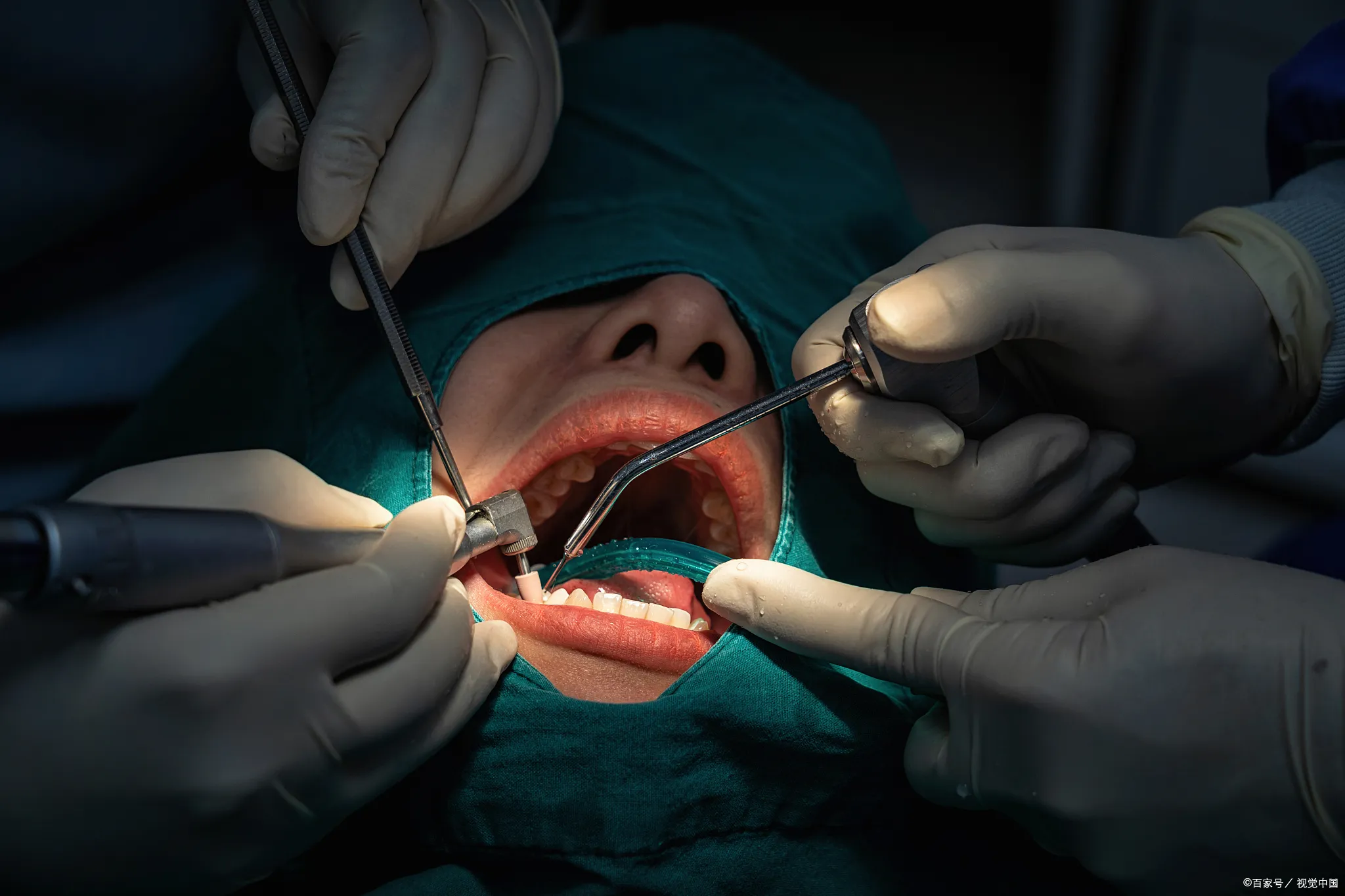
- The extraction: For simple cases, gentle rocking separates the tooth from the ligament. For surgical or wisdom teeth, the dentist may section the tooth into smaller pieces to remove it safely. High-volume suction keeps the area clean and protects your airway.
- Socket care: The dentist cleans the socket, controls bleeding, and may place absorbable sutures. If you plan a future implant, some clinics offer bone grafting to preserve the ridge.
- Aftercare and instructions: You’ll receive written and verbal advice, pain medication guidance, and an appointment for a follow-up if needed.
Pain control and that easy Thai touch
Thai dental teams are known for calm, kind chairside manner. Expect a clear explanation before each step, frequent checks on your comfort, and a “take it easy” sabai-sabai approach. Most patients manage well with over-the-counter pain relief after a simple extraction. Surgical wisdom teeth may
need a short course of prescription painkillers and, in selected cases, antibiotics.
Post-extraction care tips
- Bite on the gauze for 30–60 minutes to stop bleeding, then change if needed.
- Avoid spitting, rinsing hard, or using straws for 24 hours to protect the blood clot.
- Eat soft, cool foods: yogurt, smoothies, scrambled eggs, jok (Thai rice porridge), and khao tom are good choices. Avoid spicy or very hot foods for the first day or two.
- No smoking or alcohol for at least 48–72 hours; both delay healing and increase dry socket risk.
- After 24 hours, rinse gently with warm salt water several times daily.
- Use an ice pack 10–15 minutes on and off for the first day to reduce swelling.
- Sleep with your head slightly elevated the first night.
- Call the clinic if you have persistent heavy bleeding, severe pain after day 3, fever, or foul taste/odor.
Costs and insurance in Thailand
Prices vary by city and clinic, but you’ll generally find transparent, good-value fees:
- Consultation: around 200–1,000 THB
- Digital X-ray: 200–500 THB; CBCT 3D scan: 1,500–3,000 THB
- Simple extraction: roughly 1,500–3,000 THB per tooth
- Surgical extraction: roughly 3,500–8,000 THB per tooth
- Impacted wisdom tooth removal: typically 6,000–15,000 THB per tooth
- Sedation options (if needed): nitrous or IV sedation usually 5,000–15,000 THB extra
Most clinics accept cash and major credit cards. Some work with international insurance for direct billing, while others provide detailed receipts so you can claim later. Just ask the receptionist for assistance, krub/ka.
How to choose a clinic and dentist in Thailand
- Training and credentials: Look for dentists licensed by the Thai Dental Council. For complex extractions, an oral and maxillofacial surgeon (OMFS) is ideal.
- Experience: Check how often the clinic handles surgical extractions and impacted wisdom teeth.
- Technology and sterilization: Ask about digital imaging, autoclaves, and infection control protocols.
- Communication: Many clinics have English-speaking coordinators and even Line or WhatsApp for easy follow-up.
- Location and access: In Bangkok, being near BTS or MRT makes visits convenient. In Phuket and Chiang Mai, consider traffic and parking.
- Clear quotes: Get a written estimate and timeline, especially if you’re planning other treatments like implants or orthodontics.
FAQs for Thailand tooth extraction
- How long is recovery? Most people feel much better within 48–72 hours; full gum healing takes a couple of weeks.
- Can I fly after an extraction? For simple extractions, flying after 24 hours is usually fine. For surgical or upper wisdom teeth near the sinus, many dentists suggest waiting 3–5 days.
- Will I need antibiotics? Not always. They’re reserved for specific infections or complex surgical cases.
- Can I remove multiple wisdom teeth in one visit? Yes, often two or even all four if suitable; your dentist will advise based on imaging and your health.
- When can I eat spicy food again? Give it 48–72 hours and reintroduce gradually to avoid irritation.
Why Thailand is a trusted choice
Thailand blends advanced dental technology with a warm, patient-first culture. You’ll find skilled dentists, modern clinics, fair pricing, and attentive aftercare—plus that reassuring Thai hospitality that makes the process feel surprisingly easy. If a tooth needs to come out, Thailand’s approach keeps it efficient, comfortable, and safe, so you can heal quickly and get back to life, mai pen rai.