Thailand Tooth Extraction Care for International Dental Visitors to Thailand
Thailand Tooth Extraction Care for International Dental Visitors to Thailand
Thailand Tooth Extraction Care for International Dental Visitors to Thailand
Thinking about getting a tooth pulled in Thailand? You’re not alone. The country’s dentists are well trained, clinics are modern, and costs are often friendlier than back home. Add easy transport in Bangkok and Chiang Mai, calming island recovery spots, and a culture known for gentle, kind service, and you’ve got a solid plan for dental care that fits your travel schedule. Here’s a clear, practical guide to tooth extraction care for international visitors, from choosing a clinic to staying comfortable after the procedure.
Choosing the right clinic and dentist
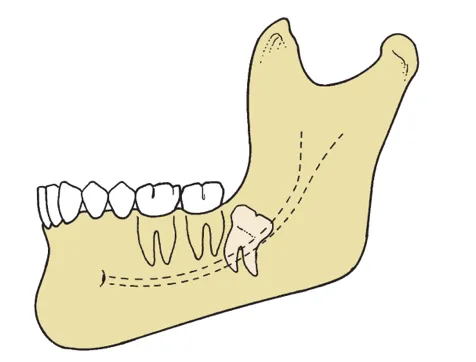
- Look for English-speaking teams and transparent quotes. International hospitals and reputable private dental clinics in Bangkok, Chiang Mai, and Phuket commonly provide itemised estimates and will discuss options like local anaesthesia, IV sedation, or referral to an oral surgeon for difficult wisdom teeth.
- Check credentials and reviews. Thai dentists typically display their Dental Council license and postgraduate training. For impacted wisdom teeth, ask if the clinic offers panoramic X-ray or CBCT imaging and if the dentist routinely performs surgical extractions.
- Consider location and access. A clinic near BTS or MRT in Bangkok makes follow-up easy. If you plan to recover by the beach, do the procedure in a hub city first, then travel after 24–48 hours when you’re comfortable.
- Ask about sterilisation and infection control. It’s normal in Thailand to see sealed instrument packs and single-use consumables. A good clinic will happily explain their protocols.
Planning your timing
- Set the extraction early in your trip, allowing at least 2–5 days before long excursions, diving, or trekking. For surgical wisdom tooth removal, block extra recovery time.
- Avoid heavy activity right after. Heat and humidity can increase swelling. Keep your plan sabai sabai—easygoing—so your body can heal.
- Flying is usually fine after 24–48 hours for a simple extraction. If you’ve had sedation or a more complex surgical case, check with your dentist and your airline. Avoid diving, swimming pools, and saunas for at least a week.
Costs to expect
While prices vary by city and clinic:
- Simple tooth extraction: roughly 1,000–3,000 THB
- Surgical or impacted wisdom tooth extraction: roughly 5,000–15,000+ THB depending on complexity
- Sedation or general anaesthesia and 3D imaging are extra
Ask for a written treatment plan and receipt; many clinics can issue documents suitable for insurance claims.
What to bring and prepare
- Your medical and dental history, list of medicines, and any X-rays
- Travel insurance details
- A plan for how you’ll get back to your hotel—Grab is widely available, and most clinics can call a taxi
- Essentials from a pharmacy: gauze, saline for gentle rinsing later, over-the-counter pain relief (ibuprofen or paracetamol), and ice packs. Thailand’s pharmacies are well stocked, and even 7‑Eleven carries soft foods and basic supplies.
On the day of extraction
- Arrive a bit early to settle in. If you’re having IV sedation, follow fasting instructions and bring someone to accompany you.
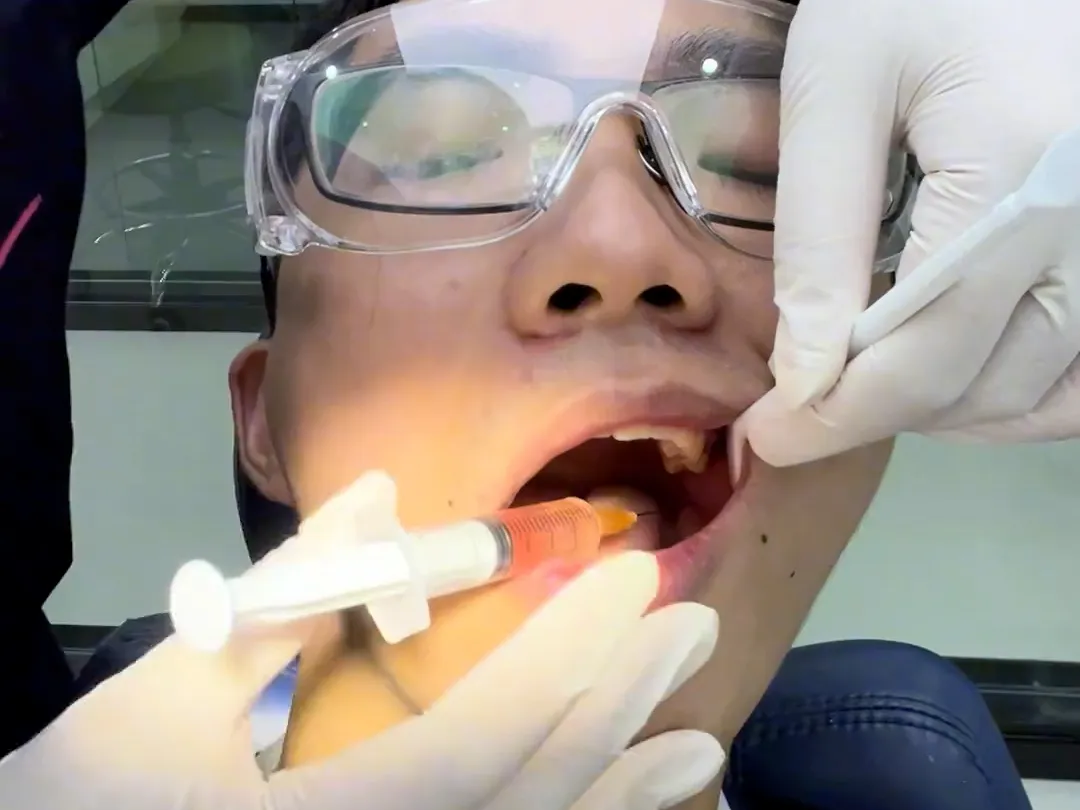
- Local anaesthesia is most common. You’ll feel pressure but not sharp pain; tell the dentist if you feel anything.
- After the tooth is out, you will bite on gauze for 30–60 minutes to form a stable blood clot. Don’t rush this stage.
Aftercare the Thai way: simple, calm, and consistent
- Bleeding control: Keep biting on the gauze pack as instructed. A little oozing
is normal for 24 hours. If needed later, fold a clean gauze pad and bite firmly for 20–30 minutes.
- No spitting, rinsing, or straw use for the first 24 hours. This protects the blood clot and helps prevent dry socket.
- Cold compress: Apply an ice pack to the cheek for 10 minutes on, 10 minutes off, for the first few hours to reduce swelling.
- Pain relief: Use the medicines prescribed by your dentist. In Thailand, ibuprofen and paracetamol (Panadol/Tylenol) are easy to find, but follow your dentist’s plan and avoid taking more than directed. If you are given antibiotics, take the full course as prescribed.
- Eating and drinking: Start with cool, soft foods. Thai-friendly options include jok (rice porridge), khao tom (rice soup), soft tofu, plain yogurt, ripe banana mashed with a spoon, and soft bread. Avoid spicy, very hot, crunchy, or sticky foods for the first 48 hours. Skip alcohol for at least 24–72 hours and avoid smoking, which slows healing.
- Mouth care: After the first day, gently rinse with warm salt water (1/2 teaspoon of salt in a cup of warm water) several times daily, especially after meals. Keep brushing the other teeth carefully, avoiding the socket area at first.
- Rest smart: Sleep with your head slightly elevated to minimise swelling. Use the air-con or a fan to stay cool, but don’t apply direct heat to your face.
- Keep it clean and convenient: Thai pharmacies can supply extra gauze, antiseptic mouthwash, or saline if needed. Your clinic may also provide a small aftercare kit.
Travel-specific tips
- Plan lighter days post-procedure. A gentle stroll in a mall or a short temple visit is fine; skip Muay Thai training and long motorbike rides for a few days.
- Beach and pool time can wait. Avoid swimming and submerging your face for at least a week to reduce infection risk.
- Street food is delicious, but choose soft, mild dishes initially. If in doubt, ask for “mai phet” (not spicy) and let food cool.
- Keep your clinic’s Line or WhatsApp contact for questions. Many Thai clinics are happy to check photos of healing if you’re heading to another city.
When to seek help
- Bleeding that doesn’t slow after firm gauze pressure
- Increasing pain after day 3, foul taste or odour, or pain radiating to the ear—possible dry socket
- Fever, expanding swelling, or difficulty swallowing
If you cannot reach your dentist, visit a 24-hour hospital. The national medical emergency number is 1669.
Language and etiquette notes
Most clinics serving international patients communicate well in English. Thais value polite, calm conversation; a friendly smile and a simple “khop khun ka/krub” (thank you) go a long way. Bring your passport for registration. It’s normal to take a queue number and wait briefly, even with an appointment.
A quick word on safety and standards
Reputable Thai clinics follow strict sterilisation, use sealed instrument packs, and maintain clear consent and aftercare instructions. Don’t hesitate to ask questions—good providers welcome them. If you have complex medical conditions, share your doctor’s notes and be open about medicines or allergies.
The bottom line
Tooth extraction in Thailand can be smooth, safe, and surprisingly comfortable when you choose a well-reviewed clinic, give yourself recovery time, and follow simple aftercare. Keep your schedule relaxed, stock up on soft foods and gauze, and let Thailand’s easygoing pace help you heal. With the right preparation, you’ll head home with your dental problem solved—and still have energy to enjoy the Land of Smiles.