Thailand Tooth Extraction Treatment for Serious Oral Health Issues

Thailand Tooth Extraction Treatment for Serious Oral Health Issues
《Thailand Tooth Extraction Treatment for Serious Oral Health Issues》
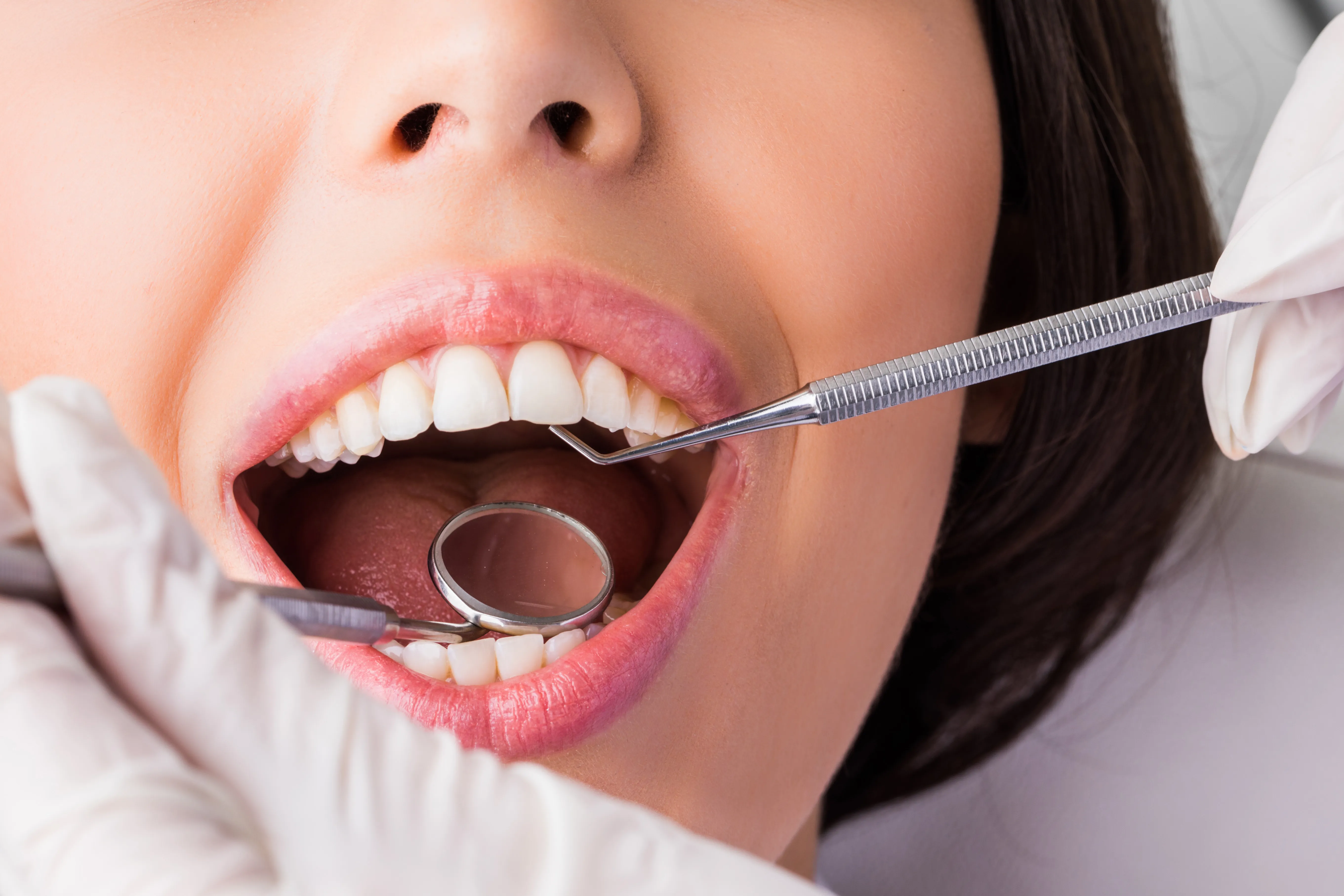
Tooth extraction in Thailand is a straightforward, safe, and affordable option when serious oral health issues can’t be solved by fillings, root canals, or periodontal therapy. Whether you live in Bangkok, Chiang Mai, or Phuket, or you’re an expat or traveler who needs urgent care, Thai dental clinics are known for efficient service, modern equipment, and clear pricing. If you’re worried about pain or downtime, no worries—most extractions are done under local anesthesia with quick recovery and simple aftercare.
When a dentist recommends tooth extraction
Extraction is usually the last resort. In Thailand, dentists will try to save the tooth first, but removal is recommended when:
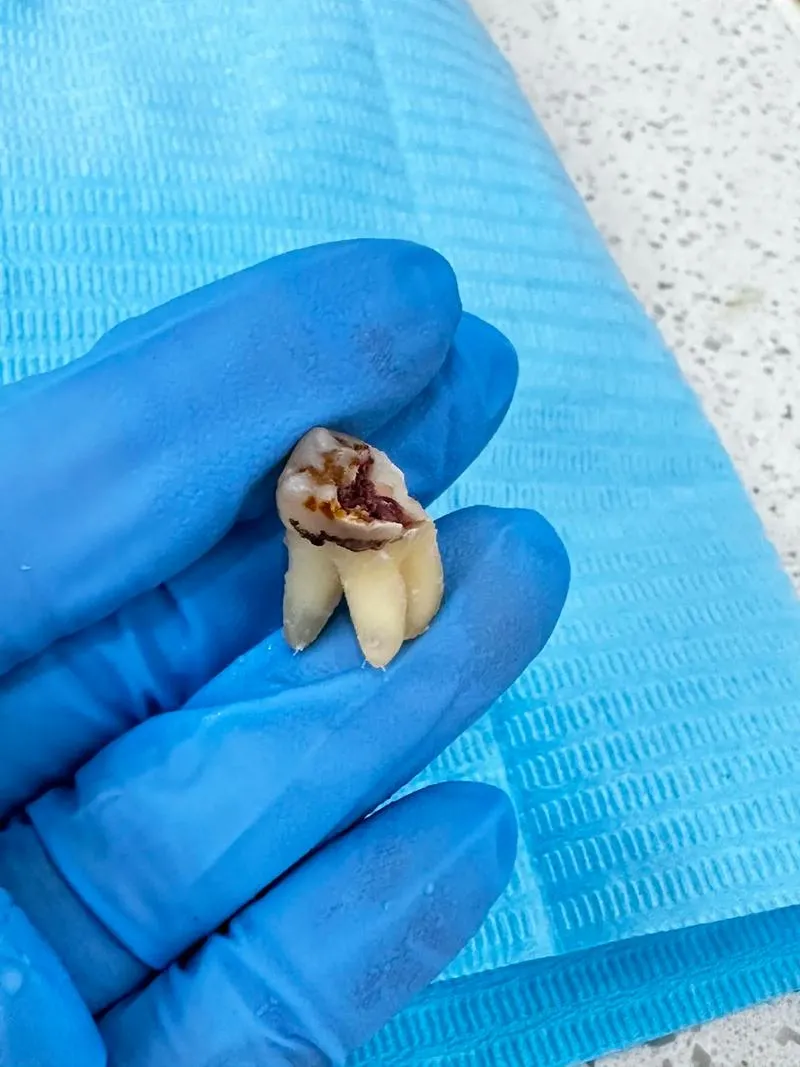
- Deep decay has reached the nerve and the tooth can’t be restored
- A previous root canal has failed and retreatment isn’t viable
- Severe gum disease has loosened the tooth
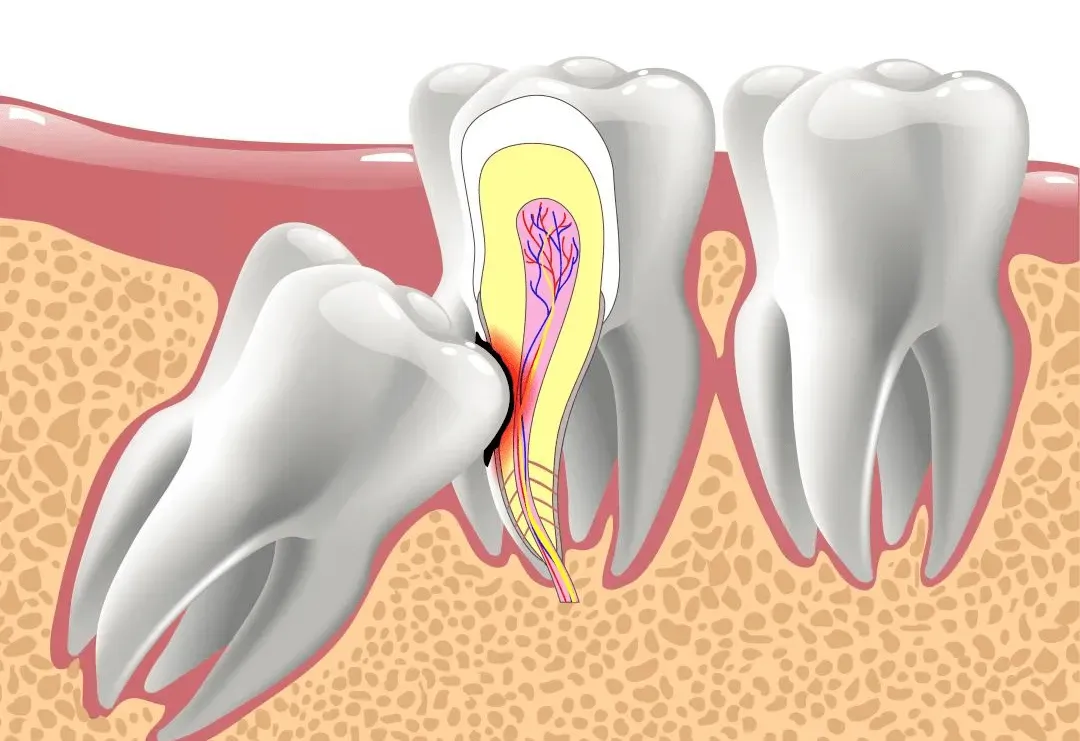
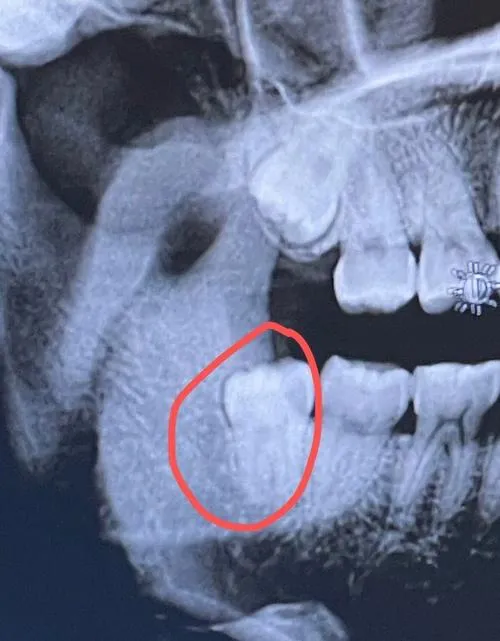
- Wisdom teeth are impacted, causing pain, swelling, or crowding
- The tooth is cracked below the gum line
- There’s spreading infection or facial swelling
- Orthodontic treatment needs space for alignment
What to expect during a Thailand tooth extraction visit
Most clinics offer same-day consultation and treatment if you’re in pain. The visit typically includes:
- Assessment and X-rays (panoramic or CBCT for wisdom teeth)
- Treatment plan with fees explained in Thai baht before you agree
- Local anesthesia to numb the area; IV sedation is available at many clinics if you’re anxious
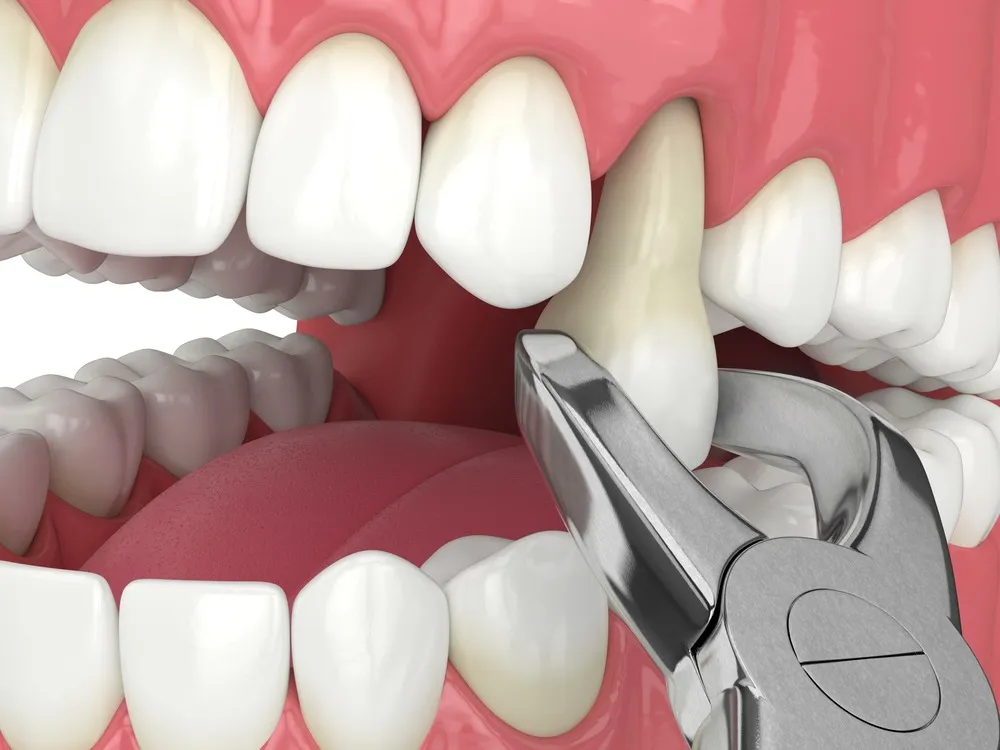
- Simple extraction for loose or accessible teeth; surgical extraction for impacted or broken roots
- Sutures if needed and a gauze pack to control bleeding
Clinics follow strict sterilization: single-use needles, autoclave-processed instruments, and PPE for all staff. English-speaking dentists are common in major cities, so you can discuss pros and cons clearly without getting lost in translation.
Costs and insurance basics
Fees vary by city and complexity. As a general guide:
- Simple extraction: roughly 1,000–3,000 THB per tooth
- Surgical extraction (including impacted wisdom teeth): roughly 3,000–12,000 THB per tooth
- IV sedation (if chosen): additional fee depending on duration
Government hospitals are often cheaper but may have a longer queue, while private clinics offer flexible scheduling and extended hours. Many places accept cash and major cards. Local health plans and some international insurances can cover dental emergencies; bring your ID, policy details, and receipts. Travel insurance may reimburse acute dental care—keep documentation.
How to choose a dental clinic in Thailand
Look for a clinic with:
- Licensed dentists registered with the Dental Council of Thailand
- Oral and maxillofacial surgeons for complex cases
- Modern imaging (digital X-ray, CBCT) and clear sterilization protocols
- Transparent pricing and written treatment plans
- Strong reviews on Google Maps and responsive staff on LINE or phone
Convenience matters. Clinics near BTS/MRT in Bangkok or central locations in Chiang Mai and Phuket make follow-up easy. Check opening hours—on public holidays like Songkran, emer
gency options may be limited, but many tourist-area clinics still operate.
Recovery and aftercare that fit daily life in Thailand
Good aftercare helps you avoid dry socket and infection:
- Bite on the gauze for 30–45 minutes to stop bleeding
- Avoid vigorous rinsing, smoking, or alcohol for 48–72 hours
- Skip straws for the first day to protect the clot
- Use cold compresses (10 minutes on/off) on day one to reduce swelling
- Sleep with your head slightly elevated the first night
- Start warm salt-water rinses after 24 hours, gently, several times a day
- Eat soft, non-spicy foods for a day or two: jok (rice porridge), soft tofu, steamed egg, plain yogurt, bananas; add mild soups once comfortable
For pain, many dentists recommend ibuprofen and paracetamol in alternating doses if you’re medically suitable. Antibiotics are prescribed only when infection risk is high—follow your dentist’s instructions exactly. Most people feel much better after 48 hours, with sutures removed in 5–7 days if non-dissolving types were used.
Red flags that need immediate attention
Don’t wait it out if you have:
- Fever, worsening swelling, or difficulty opening your mouth
- Persistent bleeding beyond several hours
- Severe pain that spikes again on day 3–4 (possible dry socket)
- Bad taste or pus discharge
If it’s late or a weekend, head to a 24-hour clinic or the emergency department of a major hospital. In Bangkok, large teaching hospitals and international hospitals are well-equipped for urgent dental care.
Replacing the extracted tooth: next steps
Leaving a gap long-term can cause shifting teeth and bite problems. Your dentist will discuss:
- Dental implants: strong, natural-looking, with high success rates; bone needs 2–3 months to heal before placement in most cases, though immediate implants are possible in selected cases
- Bridges: fast option using neighboring teeth
- Removable partial dentures: budget-friendly and quick to fabricate
Thailand is a global hub for implant dentistry, and many clinics offer guided surgery with CBCT planning for precise outcomes.
Special notes for wisdom tooth removal in Thailand
Impacted wisdom teeth are commonly treated by oral surgeons. Expect a slightly longer visit, possible jaw stiffness for a few days, and a follow-up check. Planning during cooler times of day and staying hydrated helps, especially in the hot season. Book ahead if you’re traveling—aim for at least one week in-country for suture removal and a quick review.
Practical tips for a smooth experience
- Book on LINE or by phone to avoid a long queue; walk-ins are okay for emergencies
- Bring medication lists and allergy details
- Wear comfortable clothing if you choose sedation
- Plan a light schedule after the procedure; avoid spicy street food on day one, na?
- Arrange transport; clinics near BTS/MRT are handy if you don’t want to drive after sedation
Bottom line: Thailand tooth extraction treatment for serious oral health issues is efficient, affordable, and patient-friendly. With skilled dentists, modern tech, and clear aftercare, you can get out of pain quickly and return to your routine with confidence.