Thailand Tooth Extraction Clinics Offering Modern Healthcare Standards
Thailand Tooth Extraction Clinics Offering Modern Healthcare Standards
Thailand Tooth Extraction Clinics Offering Modern Healthcare Standards
If you are considering tooth extraction in Thailand—whether a simple removal or a surgical wisdom tooth case—you’ll find clinics that balance modern healthcare standards with the warm, service-minded approach Thailand is known for. From Bangkok to Chiang Mai and Phuket, many dental centers cater to locals, expats, and visiting patients with clear communication, updated technology, and pricing that is transparent before treatment starts.
What “modern standards” look like in Thai dental clinics
In Thailand, reputable tooth extraction clinics operate under Ministry of Public Health regulations and dentists are licensed by the Dental Council of Thailand. You will typically see the clinic license and the dentist’s full name and registration number displayed near the reception. Hospital-based dental centers often sit inside internationally accredited hospitals, with robust safety systems and multilingual support for clinical and billing matters.
Infection prevention is a top priority. Expect strict sterilization protocols, including the use of Class B autoclaves, sealed instrument pouches, and proper personal protective equipment. Many clinics conduct regular spore tests and track instrument batches for traceability. Treatment rooms are clean and air-con, with disinfected surfaces between patients. Digital records and consent forms are becoming standard, and many clinics provide treatment plans and aftercare sheets in both English and Thai.
Technology you can expect for extractions
Modern tooth extraction clinics in Thailand commonly use:
- Digital panoramic X‑rays and periapical films for diagnosis
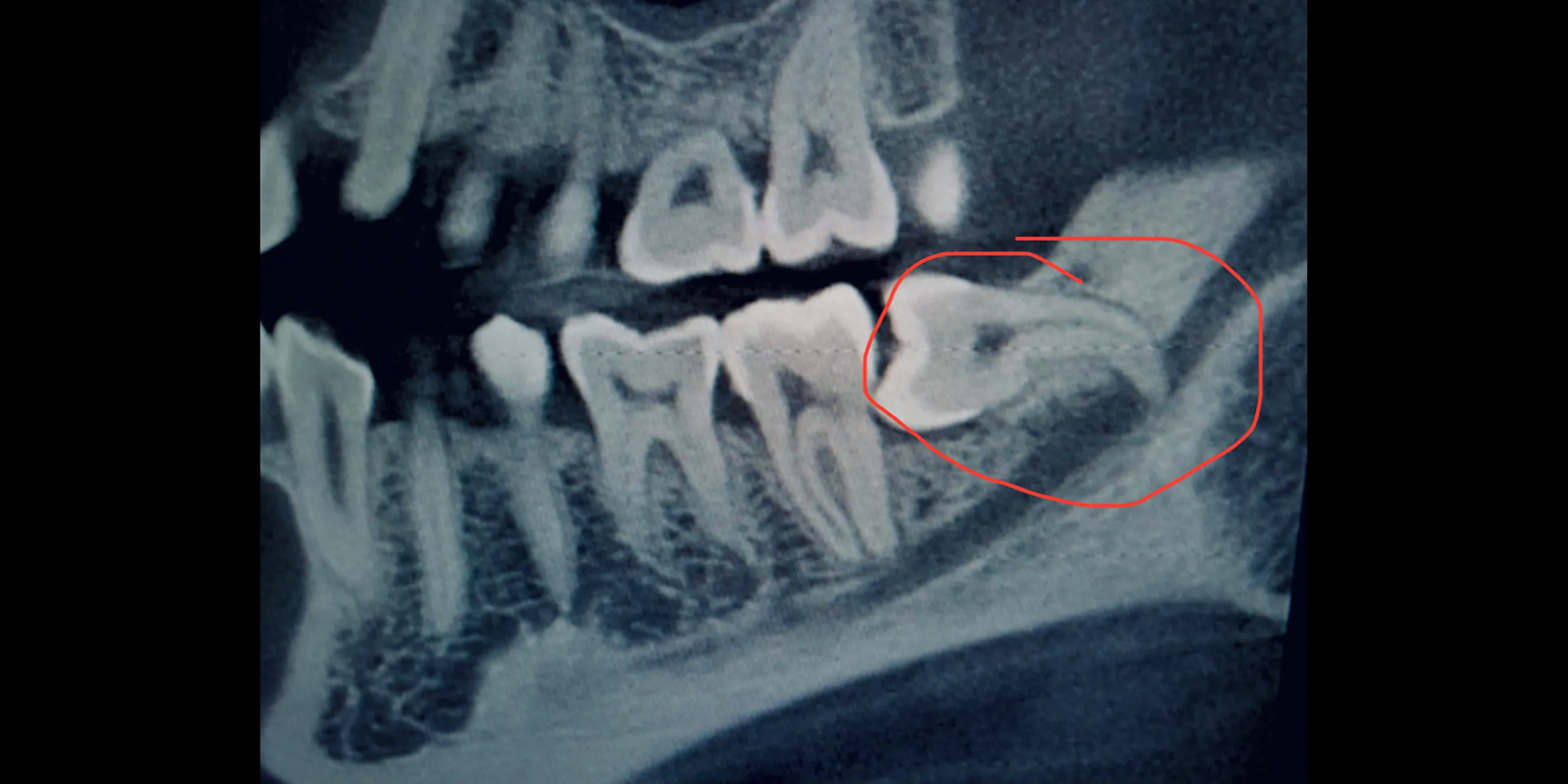
- Cone beam CT (CBCT) when planning surgical or impacted wisdom tooth removal
- Intraoral cameras to show you the condition of the tooth and surrounding gum
- Piezosurgery or microsurgical instruments for gentler bone management in complex cases
For anesthesia, local numbing is standard, often paired with topical gel to make the injection more comfortable. Some clinics provide nitrous oxide or IV sedation, especially in hospital settings with an anesthetist on standby. If you are anxious, just inform the dentist; Thai teams are generally very understanding and will take time to explain each step.
Types of extractions and who performs them
- Simple extractions: For mobile or erupted teeth with accessible roots, usually handled by a general dentist with surgical training.
- Surgical extractions: For broken roots, dense bone, or partial bony cover; may involve small incisions and bone removal.
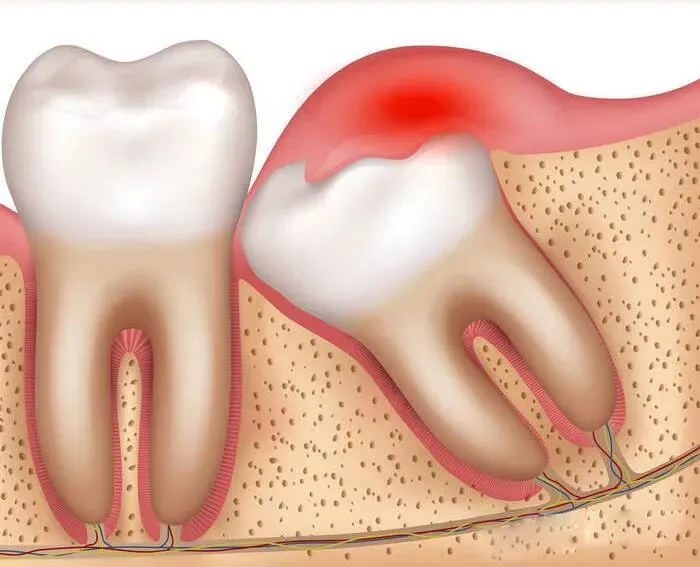
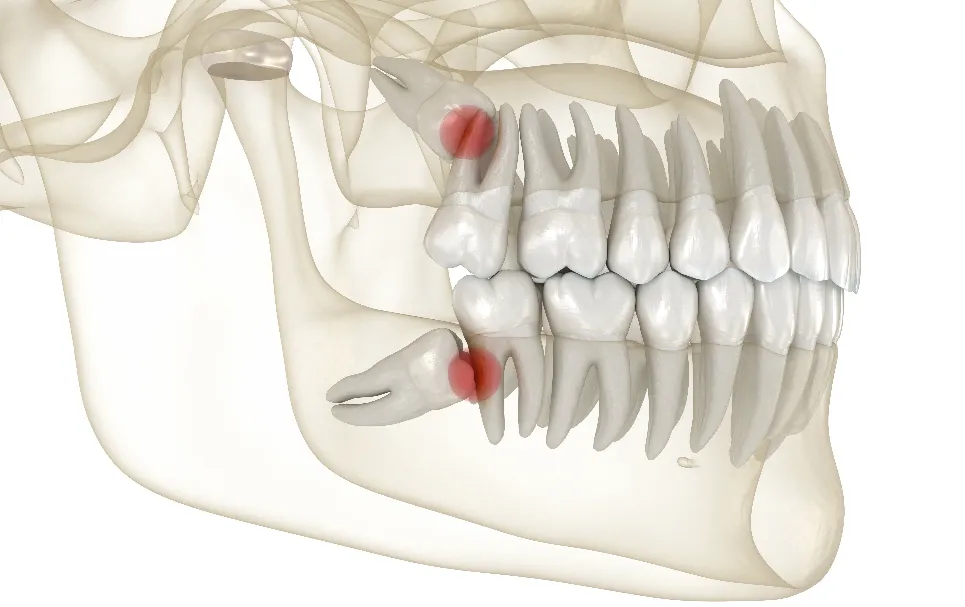
- Wisdom tooth removal: Impacted or horizontally positioned wisdom teeth are typically referred to an oral and maxillofacial surgeon (OMFS) for safety and speed.
- Orthodontic extractions: Sometimes advised to create space before braces or aligner treatment.
Choosing a clinic with confidence
To find the right fit:
- Check credentials: Dentist’s full name, Dental Council registration, and the clinic’s operating license should be visible. Hospital dental centers often list their specialists and qualifications online.
- Look for experience: For complex or wisdom tooth extraction, ask if an OMFS will handle the case and how many similar cases they manage weekly.
- Ask about imaging: A recent X‑ray or CBCT is essential for safe planning. Any surgeon who proceeds without updated imaging is a red flag.
- Clarify the plan and fees: Request a written treatment plan with itemized costs for consultation, imaging, extraction type, anesthesia, medications, and follow-up. Most clinics can issue a tax invoice if needed.
- Consider language support: Many clinics in Bangkok, Phuket, and Chiang Mai have English-speaking coordinator
s or dentists. You can often book through Line, Facebook Messenger, or a call center. Some clinics support QR code payment and provide receipts on the spot at the cashier.
- Location and convenience: Clinics near BTS or MRT stations make travel easy. Mall-based clinics often have evening and weekend opening hours. Walk-ins may be accepted, but taking a queue number or booking ahead helps avoid waiting, especially on public holidays.
What to expect on the day
- Registration: You’ll complete a medical history form. Share any allergies, medications, or recent illnesses. For hospital clinics, you may get a wristband and an OPD number.
- Consultation and imaging: The dentist examines your mouth and reviews X‑rays or CBCT. They’ll explain the procedure, risks like dry socket, alternatives, and the expected recovery.
- Consent and anesthesia: You’ll sign a consent form, then receive local anesthesia. The dentist will check that the tooth and surrounding area are fully numb before starting.
- Extraction: Simple removals can take 10–20 minutes; surgical cases may take longer. You’ll feel pressure but not sharp pain. The team may place stitches if needed.
- Aftercare: You’ll receive printed instructions, gauze, and sometimes a follow-up appointment. Medication is dispensed or a prescription is given. Many clinics provide a hotline or Line ID for post-op questions.
Aftercare tips commonly advised by Thai dentists
- Bite on the gauze pack for 30–60 minutes to control bleeding, then change if needed.
- Avoid hot, spicy, or hard foods for the first day. Choose soft, cool options like yoghurt or congee.
- Do not use a straw or smoke for at least 48–72 hours to reduce dry socket risk.
- Keep the head slightly elevated when resting; use a cold compress on the cheek for the first 24 hours to manage swelling.
- Start gentle saltwater rinses after 24 hours, unless your dentist advises otherwise.
- Take pain relief only as directed by your dentist and return promptly if you have persistent heavy bleeding, fever, increasing swelling after day two, or severe pain that wakes you at night.
Costs, insurance, and payment notes
Fees vary by city, clinic setting (standalone clinic versus hospital-based), and case complexity. Wisdom tooth surgery and CBCT imaging cost more than a simple extraction. Many private clinics share a price list or “starts from” rate for transparency and will confirm the final fee after imaging. Larger hospitals often support direct billing with international insurance; smaller clinics usually accept self-pay with cash, card, or QR payment. If you need documents for reimbursement, request a detailed receipt or tax invoice before leaving.
Where to go in Thailand
- Bangkok: Wide choice of specialist clinics and hospital dental centers near BTS/MRT. Good for complex wisdom tooth cases, sedation dentistry, and fast imaging.
- Chiang Mai: Popular with expats and students, with clinics that offer friendly service and competitive rates.
- Phuket and Pattaya: Tourist hubs with bilingual staff and extended hours during high season.
Why Thailand is a smart choice for tooth extraction
Thailand blends clinical quality with everyday convenience: sterile protocols, updated imaging, and experienced dentists alongside clear communication, reasonable waiting times, and easy booking on Line. Whether you need an urgent extraction to stop pain or a planned wisdom tooth surgery before your next trip, Thailand’s tooth extraction clinics meet modern healthcare standards while keeping the experience smooth and personable. With the right clinic, you get safe care, a clear plan, and aftercare that helps you heal quickly—no stress, no confusion, just proper dentistry delivered with a smile.