Thailand Tooth Extraction Procedures With Minimal Surgical Discomfort
Thailand Tooth Extraction Procedures With Minimal Surgical Discomfort
Thailand Tooth Extraction Procedures With Minimal Surgical Discomfort
If the thought of having a tooth pulled makes you tense up, you are not alone. The good news is that tooth extraction in Thailand is designed to be gentle, efficient, and surprisingly comfortable. Modern Thai dental clinics combine skilled techniques, friendly bedside manner, and clear communication to make sure you get the treatment you need with minimal surgical discomfort.
Why teeth need to be removed
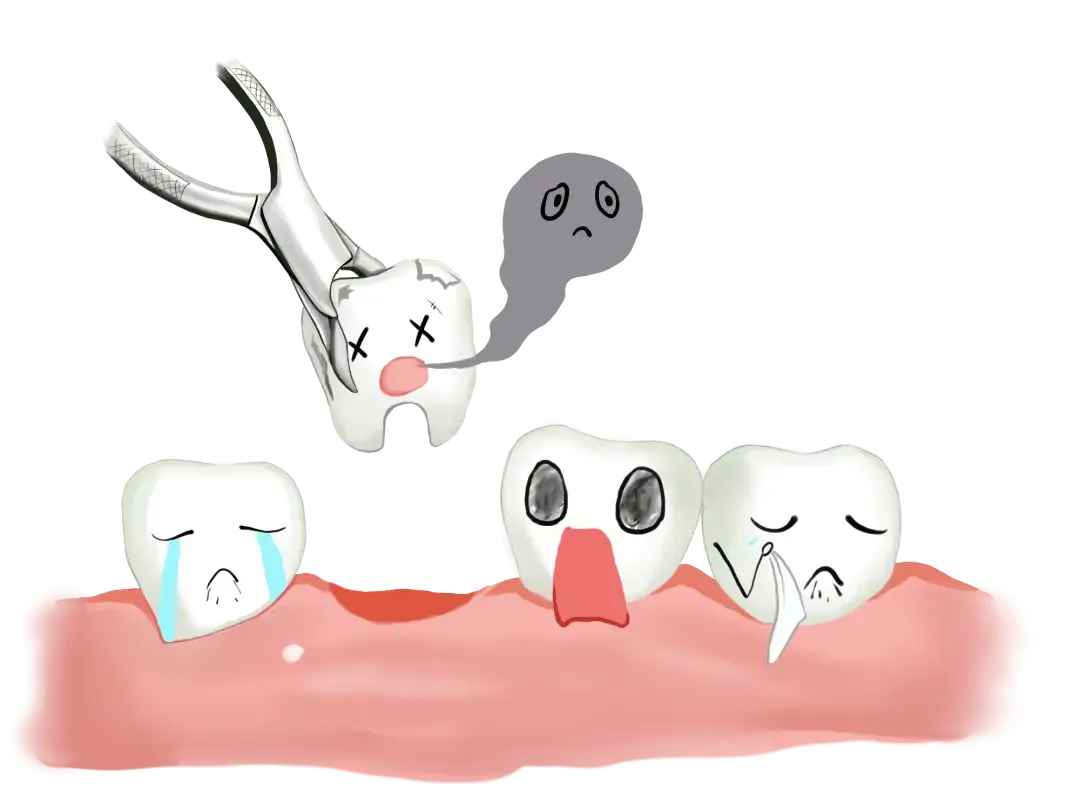
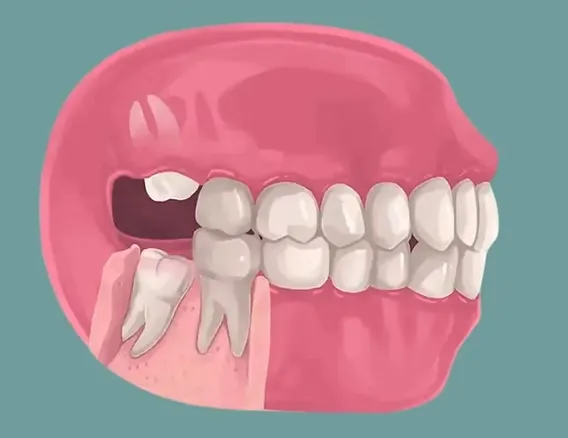
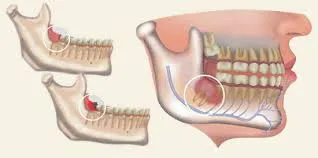
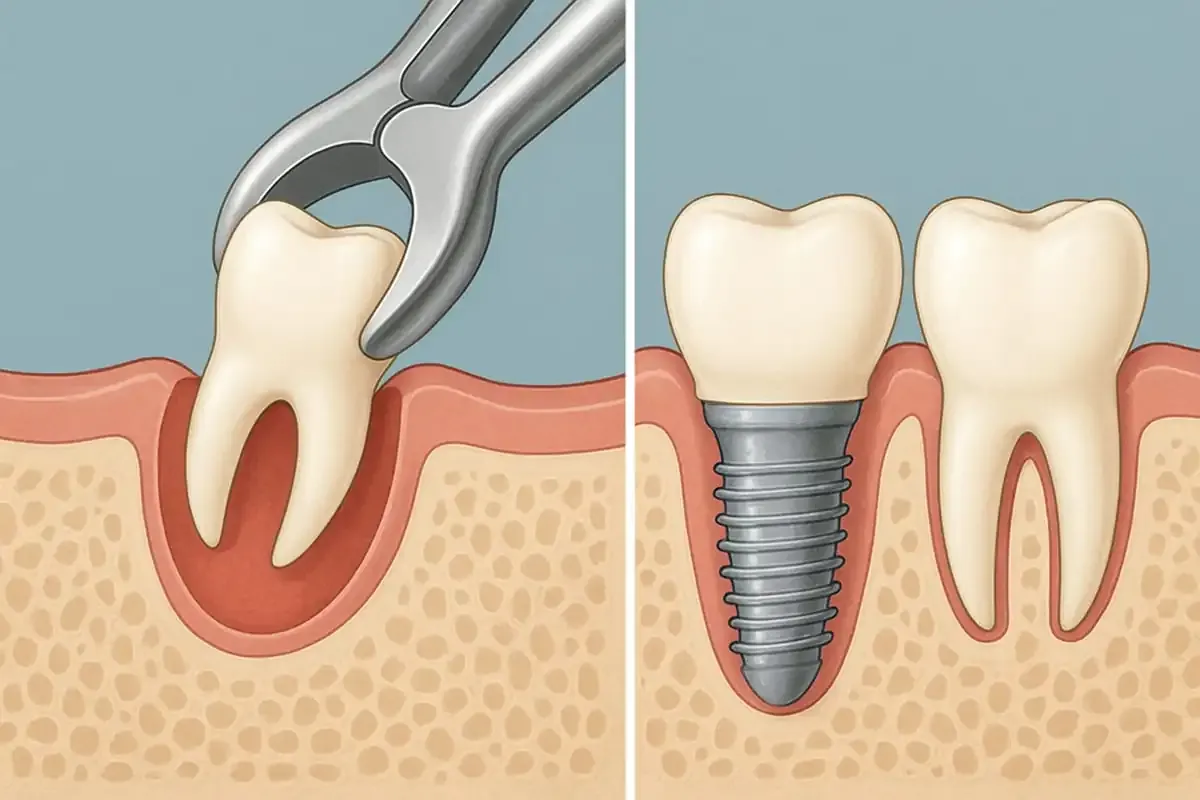
Dentists in Thailand will always try to save a tooth first. However, extraction may be recommended when a tooth is badly decayed, fractured beyond repair, loosened by gum disease, or when wisdom teeth cause pain, crowding, or infection. There are two main types:
- Simple extraction: a visible tooth removed without cutting the gum.
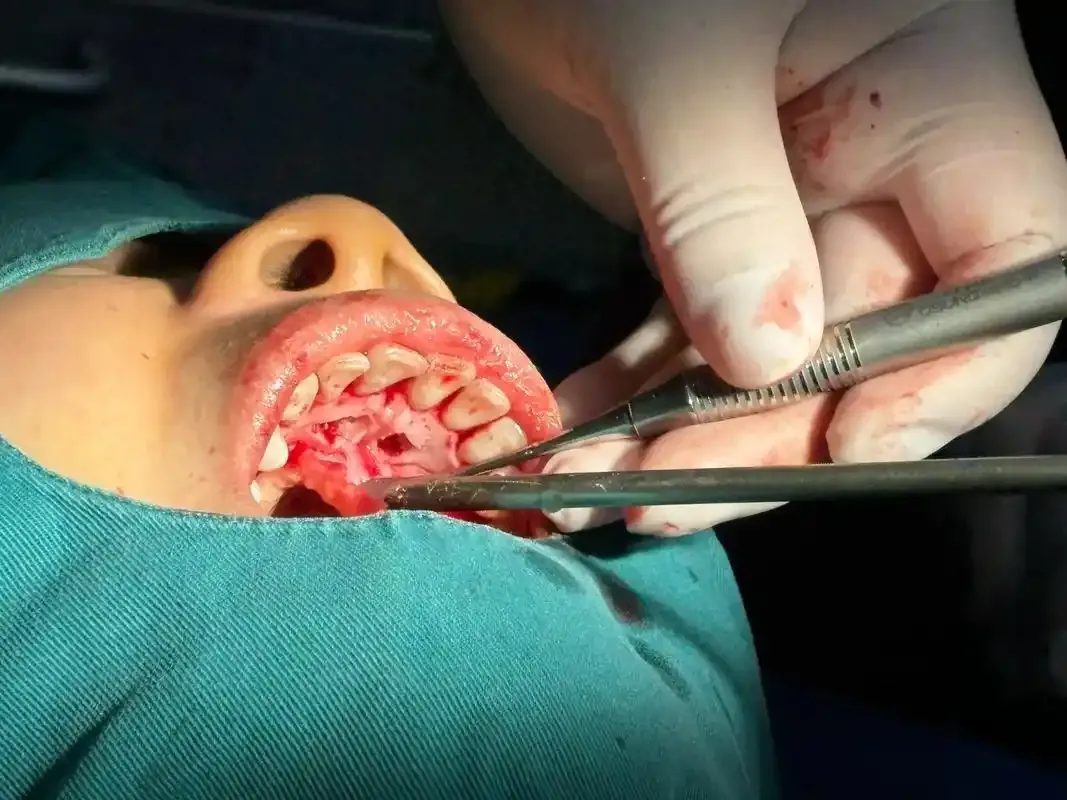
- Surgical extraction: used for impacted or broken teeth, often involving a small incision, bone contouring, or sectioning the tooth for a smooth removal.
What to expect: a step-by-step look
1) Booking and consultation
Most clinics in Bangkok, Chiang Mai, Phuket, and other cities accept bookings by phone or via LINE Official Account. Walk-ins are welcome in many places, but booking helps avoid waiting. On the day, you will be greeted with a warm “sawasdee” and staff will review your medical history and medications. A digital X‑ray (or panoramic film) is usually taken to plan the safest approach.
2) Anaesthesia and comfort options
Local anaesthetic is the standard. Thai dentists commonly use topical numbing gel first, then give a slow, well-buffered injection to minimise the sting. For patients who feel anxious, many clinics offer nitrous oxide (laughing gas) or oral sedatives; some partner hospitals can provide IV sedation as needed. You will feel pressure during the procedure but not sharp pain. If anything feels uncomfortable, just raise your hand and the doctor will pause—no need to be shy.
3) Gentle, minimally traumatic techniques
To keep discomfort low and speed up healing, dentists use fine instruments like periotomes and luxators to loosen the ligament around the tooth carefully. For wisdom teeth or roots that are stuck, the tooth may be sectioned into smaller pieces so it can be removed through a smaller opening. In selected clinics, piezoelectric devices help cut bone precisely while protecting soft tissue. Sutures are placed only when needed, often with resorbable thread so there is no need to come back just to remove them.
4) Timing and aftercare briefing
A straightforward extraction can take around 20–40 minutes; a surgical wisdom tooth may take 45–90 minutes depending on complexity. After the tooth is out, you will bite gently on gauze for 20–30 minutes to stop bleeding. The team will go through home care instructions in clear, easy English and often send them to you on LINE for reference.
How Thai clinics keep it comfortable
- Pain control: modern local anaesthetics, careful technique, and a calm, reassuring approach. Many clinics also adjust the anaesthetic pH for a smoother injection.
- Sterility and safety: instrument sterilisation with autoclaves, single-use disposables where appropriate, and strict infection control following Thai Dental Council and Ministry of Public Health standards.
- Clear communication: dentists will show your X‑ray, explain the plan, and obtain consent. If you prefer, many doctors can explain in both English and Thai, and staff are happy to repeat or clarify—no problem.
Managing pain and swelling after extraction
- Medication: most patients do well with ibuprofen or paracetamol (acetaminophen). Your de
ntist will advise the best choice for you. Antibiotics are given only when indicated.
- Cold compress: apply an ice pack to the cheek for 10 minutes on, 10 minutes off during the first 3–4 hours to limit swelling.
- Rest and elevation: take a good rest on the day of surgery and sleep with your head slightly raised.
- Bleeding control: keep gentle pressure on the gauze as instructed; a little oozing is normal for several hours.
Eating and oral care tips with a Thai twist
- First 24 hours: avoid hot, spicy, or sour food and drinks. Skip alcohol and smoking. Do not use a straw or spit forcefully.
- Soft foods that are easy in Thailand: jok (rice porridge), khao tom (soft rice soup), tofu, ripe banana, yoghurt, soft omelette, steamed fish, and smoothies (spooned, not sipped).
- Foods to avoid for a few days: sticky rice, crispy fried items, nuts, and spicy dishes like som tam and very hot tom yum that can irritate the wound.
- Cleaning: brush other areas gently as normal. From the next day, rinse with warm salt water after meals. Your dentist may also prescribe a chlorhexidine mouthwash for a short period.
Back to normal routine
For a simple extraction, many patients return to work the next day. After surgical wisdom tooth removal, plan 2–3 days of light activity. Bruising and swelling can peak around day 2–3 and then settle. Stitches, if non‑resorbable, are usually removed after 5–7 days.
Costs and transparency
Fees vary by city, clinic facilities, and case complexity. Simple extractions are generally more affordable, while surgical wisdom tooth removal and sedation add to the cost. Thai clinics are quite straightforward with quotations—feel free to request an estimate after your X‑ray so you can decide comfortably before proceeding.
Choosing the right dental clinic in Thailand
- Credentials: look for a licensed dentist with a Thai Dental Council number and a clinic that follows clear sterilisation protocols.
- Imaging on site: digital X‑rays help with accurate planning and lower radiation.
- Communication: the team should explain your options, costs, and aftercare in a way you feel comfortable with—kindly ask questions anytime.
- Aftercare support: many clinics provide a direct LINE contact for follow-up queries, which is convenient if you are travelling.
- Location and access: near BTS/MRT or with parking can make your visit smoother, especially if you prefer to avoid driving after the procedure.
Common questions
- Will it hurt? During the extraction you should feel only pressure. If anything is uncomfortable, the dentist can top up anaesthetic right away. After the procedure, mild soreness is common, but it is manageable with prescribed pain relievers and cold compress.
- Can I fly after an extraction? For a simple extraction, many people can fly after 24–48 hours. For surgical wisdom teeth, it is better to allow a few days. Always follow your dentist’s advice, especially if the upper teeth are near the sinuses.
- What are warning signs? Persistent heavy bleeding, fever, or increasing pain after day 3 are not typical. Contact the clinic promptly—support is usually quick, and staff will guide you kindly on next steps.
The bottom line
Tooth extraction in Thailand focuses on comfort, safety, and clear communication. With careful planning, gentle techniques, and friendly follow-up, most patients are pleasantly surprised at how smooth the experience is. If you need a tooth removed—whether a troublesome wisdom tooth or a broken molar—you can expect professional care, minimal surgical discomfort, and a recovery plan that fits your daily life here.