Thailand Tooth Extraction Procedures With Modern Pain Management

Thailand Tooth Extraction Procedures With Modern Pain Management
Thailand Tooth Extraction Procedures With Modern Pain Management
Thinking about a tooth extraction in Thailand? No worries. Across Bangkok, Chiang Mai, Phuket, and beyond, dental clinics and hospitals offer safe, efficient procedures with modern pain control that keeps the whole experience sabai sabai—calm and comfortable—from start to finish. Whether it’s a painful wisdom tooth, a tooth damaged beyond repair, or a removal needed for orthodontic treatment, you can expect clear explanations, gentle techniques, and post-treatment care designed for a quick recovery.
Why choose Thailand for tooth extraction
- High standards: Many clinics follow strict sterilisation protocols and international guidelines, and larger hospitals may even hold global accreditations. Digital X-rays, CBCT scans, and advanced surgical tools are widely used in cities.
- Experienced, English-speaking dentists: Communication is straightforward. You’ll get a clear treatment plan, costs, and aftercare in plain English.
- Transparent pricing and convenience: Appointments are easy to book (often via phone, website, or LINE). Waiting times are typically short, and prices are usually discussed upfront.
When dentists recommend extraction
Your Thai dentist will consider extraction if:
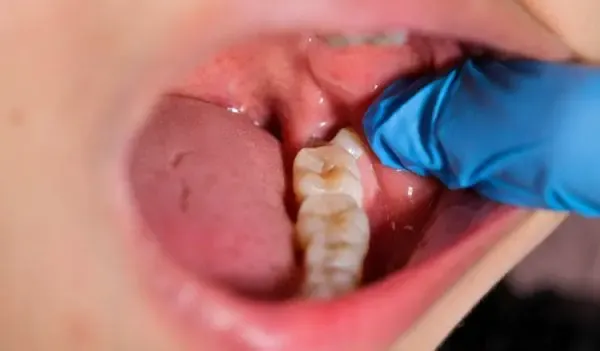
- Wisdom teeth are impacted, infected, or causing crowding
- A tooth has severe decay or a cracked root that cannot be restored
- There is advanced gum disease leading to a loose tooth
- A tooth needs removal to make space for braces or aligners
- There’s recurrent infection not resolving with conservative care
Modern pain management you can expect
Thailand’s dental clinics prioritise comfort. You’ll typically see a combination of:
- Topical numbing gel to prep the area before the injection
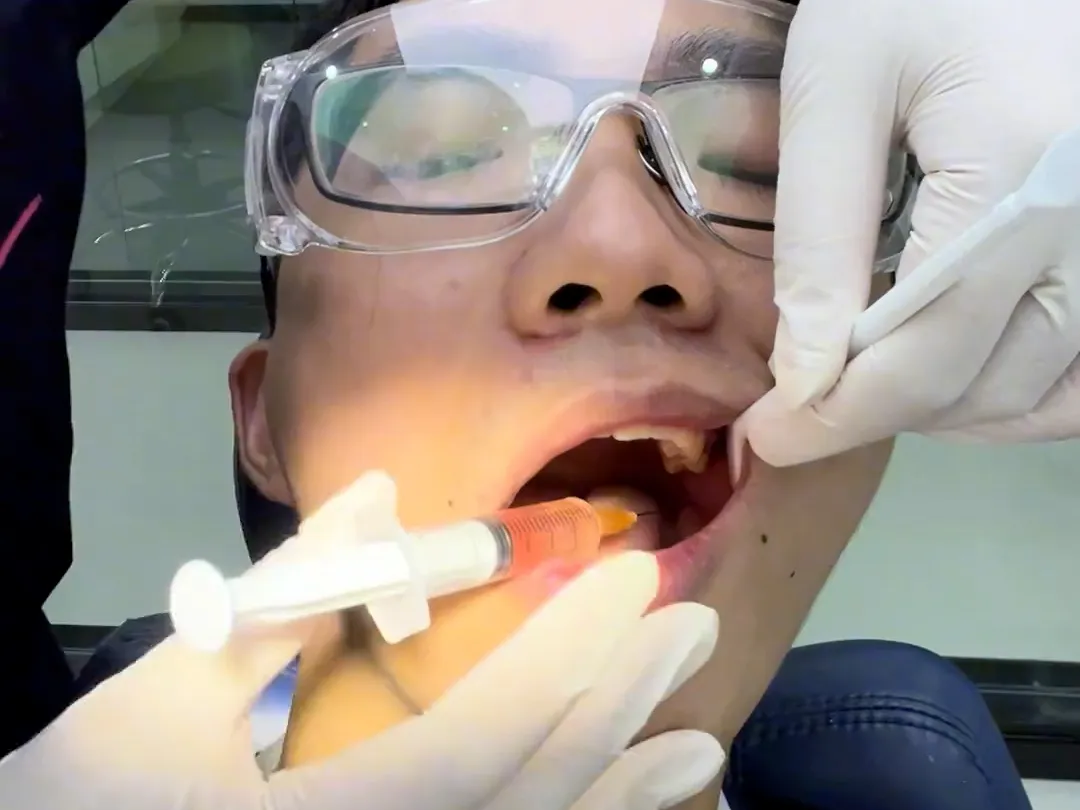
- Local anaesthesia (such as lidocaine or articaine) delivered slowly, sometimes buffered and warmed for less sting
- A gentle injection technique and waiting time to ensure you are fully numb; the dentist will always test before starting
- Sedation options for anxious patients: oral sedatives, nitrous oxide (where available), or IV sedation in hospital settings under monitoring by an anaesthetist
- Minimally invasive tools and techniques: periotomes and elevators for atraumatic extraction, sectioning for difficult wisdom teeth, and in some clinics piezoelectric devices for precise bone work
- Long-acting anaesthetic when appropriate to keep you comfortable for hours after the procedure
- Evidence-based medications: anti-inflammatories and paracetamol for pain, and antibiotics only when clinically indicated
Step-by-step: how tooth extraction works in Thailand
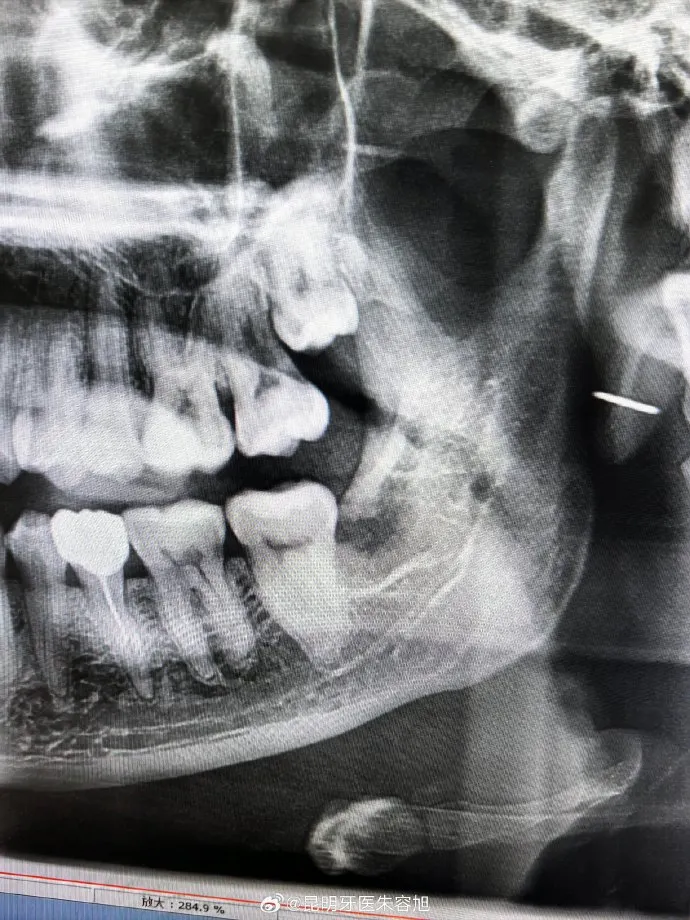
1) Consultation and X-ray: Your first visit includes a discussion of symptoms, medical history, and a digital X-ray. For impacted wisdom teeth or complex cases, a panoramic X-ray or CBCT scan may be recommended to map nerves and roots.
2) Treatment plan and consent: The dentist explains the procedure, risks, cost, and expected recovery. You can ask anything—timing, travel plans, or how to eat after. Once you’re happy, you sign consent.
3) Numbing and comfort check: A topical gel is applied, then local anaesthetic. The team waits until the area is fully numb and double-checks before starting.
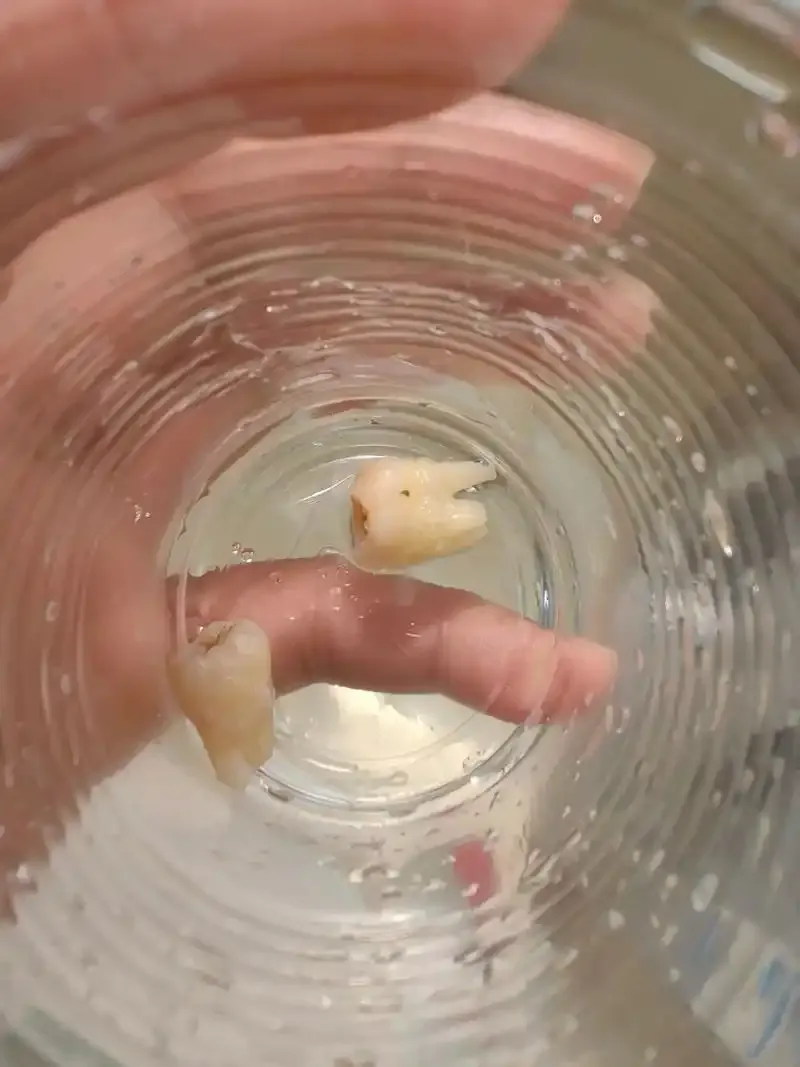
4) Extraction: For simple cases, the tooth is gently loosened and removed. For surgical or impacted teeth, a small gum opening and careful bone shaving or tooth sectioning may be needed. You’ll feel pressure but not pain.
5) Cleaning and stitches: The
area is irrigated, and stitches may be placed (often dissolvable). You’ll bite on gauze to control bleeding.
6) Post-op instructions and medicines: You receive clear aftercare guidelines and prescribed medications. Follow-up is usually in about 5–7 days if stitches need removal.
Recovery and aftercare tips
- Control bleeding: Bite on gauze for 30–45 minutes. A small ooze is normal for a few hours.
- Reduce swelling: Apply a cold compress on and off (15 minutes each) for the first 24 hours.
- Eat soft, cool foods: Think jok (rice porridge), yoghurt, smoothies without a straw, mashed potato, tofu, bananas, steamed eggs. Avoid spicy food and alcohol on day one.
- No sucking or smoking: Avoid straws and cigarettes for 48–72 hours to reduce dry socket risk.
- Oral care: Do not rinse vigorously on day one. From day two, rinse gently with warm salt water after meals. Continue brushing, but be gentle around the extraction site.
- Rest and elevate: Take it easy on the day of surgery and keep your head elevated when resting.
- Watch for issues: Call the clinic if you have severe or increasing pain after day two (possible dry socket), persistent bleeding, fever, bad taste with pus, or numbness that doesn’t improve.
How much does tooth extraction cost in Thailand
Fees vary by city, clinic, and complexity, but general ballparks:
- Simple extraction: often from around THB 1,000–3,000 per tooth (roughly USD 30–85)
- Surgical or wisdom tooth extraction: commonly THB 4,000–12,000 per tooth (USD 110–330), more for deeply impacted cases
- Sedation: additional charge depending on method and setting
You’ll get an itemised quote before treatment. Receipts and reports are usually provided if you plan to claim with insurance. Some clinics offer promotions or package rates, especially for multiple wisdom teeth.
Choosing a reputable clinic
- Credentials: Look for licensed dentists (D.D.S.) and, for complex wisdom teeth, an oral and maxillofacial surgeon.
- Imaging: In-house X-ray and, for complex cases, access to CBCT.
- Infection control: Ask about sterilisation routines and single-use items.
- Communication: Clear consent forms, written aftercare, and a reachable contact (phone or LINE).
- Reviews and location: Positive patient feedback and convenient access via BTS/MRT or near your hotel are a plus.
Travel and timing FAQs
- Will it hurt? With modern anaesthesia and gentle technique, you should feel pressure but not pain. Soreness after is normal and manageable with prescribed pain relief.
- How long does it take? A simple extraction can be done in 20–30 minutes. Impacted wisdom teeth may take 45–90 minutes, depending on complexity.
- Can I fly after extraction? For a simple extraction, waiting 24 hours is usually fine. For surgical or wisdom tooth removal, many dentists recommend allowing 3–5 days before a long flight to manage swelling and comfort.
- When can I go back to work or the gym? Most people resume light work the next day for simple cases. Avoid heavy exercise for 48–72 hours to minimise bleeding and swelling.
A friendly reminder for peace of mind
Bring your medical history and a list of medications, let the team know if you’re anxious, and discuss sedation if you prefer a more relaxed experience. In Thailand, the aim is not just to treat the tooth, but to keep the whole journey smooth, clear, and comfortable. With modern pain management, skilled clinicians, and attentive aftercare, tooth extraction here is straightforward—mai pen rai.