Thailand Tooth Extraction Care for Budget Conscious Travelers
Thailand Tooth Extraction Care for Budget Conscious Travelers
Thailand Tooth Extraction Care for Budget Conscious Travelers
If you’re exploring Thailand on a tight budget and a troublesome tooth suddenly says hello, don’t panic. Thailand is well-known for affordable, reliable dental care, and tooth extraction here is straightforward when you plan it right. With a little “jai yen yen” (keep cool) and some practical steps, you can get the treatment you need and still enjoy your trip, sabai sabai.
Why consider Thailand for a tooth extraction
- Cost: A simple extraction usually runs about 1,000–3,000 THB, while a surgical extraction (impacted or broken tooth) can be 3,000–8,000+ THB depending on complexity and city. Medication is often 100–400 THB.
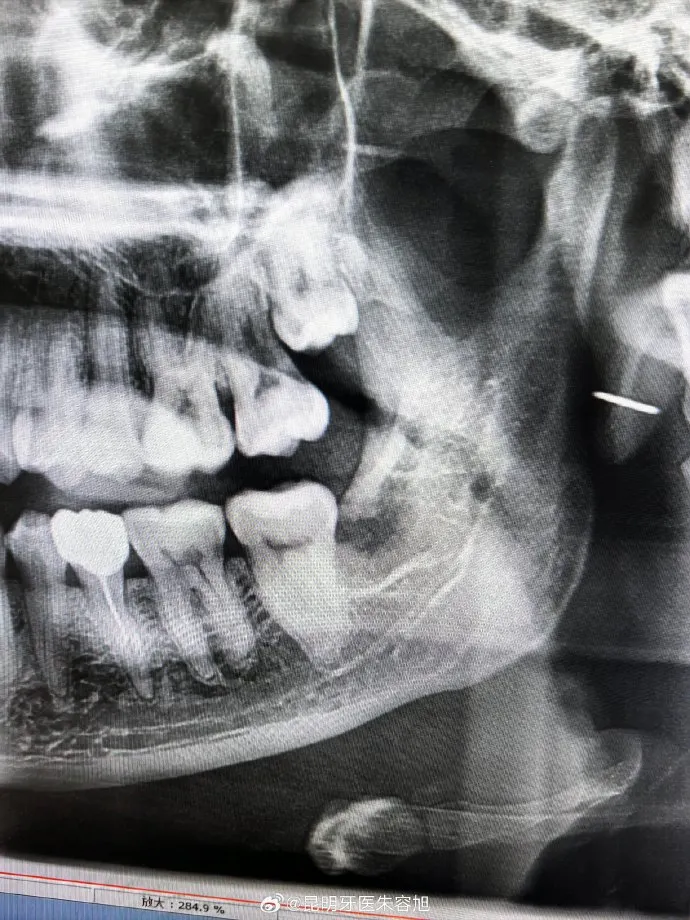
- Quality: In Bangkok, Chiang Mai, Phuket, and other major hubs, many dentists are internationally trained, speak English, and use modern digital X-rays and sterilization.
- Convenience: Same-day or next-day appointments are common. Many clinics communicate on Line or WhatsApp and are located near BTS/MRT in Bangkok or central areas upcountry.
How to pick a clinic without overspending
- Look for transparent pricing and onsite X-rays. Ask for a total quote: consultation, X-ray, extraction, meds, and follow-up.
- Check credentials and reviews. Reputable clinics list dentists’ DDS details and have clear sterilization protocols.
- Choose location wisely. Being near your accommodation saves grab/taxi costs and eases the trip back post-op.
- Bring your passport (clinics often request it), medical history, and a list of medications you’re taking, including any allergies.
What to expect on the day
Most extractions are done under local anesthesia, and the whole visit is usually under an hour for a straightforward case. You’ll feel pressure but not sharp pain. The dentist will place gauze afterward and give instructions. Many clinics provide a small aftercare sheet in English and prescribe pain relievers. Antibiotics are given based on clinical need, not always routine—ask your dentist what’s best for you.
Budget tip: Pay in cash or card as you prefer—both are widely accepted. Keep receipts for travel insurance claims. If you need meds, you can fill prescriptions at the clinic or at pharmacies like Boots, Watsons, or local stores—very easy to find, plus 7-Eleven is on almost every corner.
Aftercare that works in the Thai heat
- Control bleeding: Bite gently on gauze for 30–60 minutes. If still oozing, replace and bite again. If heavy bleeding continues past 3–4 hours, contact the clinic.
- Take it easy: Rest the first day. Keep your head elevated on the ride back and when sleeping. Avoid strenuous activity, Muay Thai classes, or long sweaty hikes for 24–48 hours.
- Ice it: Use an ice pack or a chilled bottle wrapped in a cloth on your cheek in 15-minute intervals during the first 24 hours to reduce swelling.
- No spitting, no straws: Don’t rinse, spit, or use a straw for the first 24 hours—this can dislodge the blood clot and lead to dry socket.
- Skip smoking and alcohol: At least 48–72 hours. If prescribed metronidazole, strictly avoid alcohol until 48 hours after finishing the course.
- Rinse from day two: Start gentle warm salt-water rinses after 24 hours, 3–4 times a day, especially after meals.
- Pain relief: Paracetamol is widely available; ibupro
fen may be fine unless your dentist advises otherwise. Avoid aspirin as it can increase bleeding.
- Keep it clean: Continue brushing but avoid the extraction site for the first day. From day two, brush gently around it.
What to eat in Thailand after extraction
You don’t have to live on plain yogurt. Thailand is a paradise for soft, soothing foods:
- Jok (Thai rice porridge) or khao tom (soft rice soup) with no spice—say “mai ao phet” (no spicy), please.
- Soft tofu, steamed egg, ripe banana, smoothies sipped from a cup (no straw), soy milk, plain congee with minced pork or fish.
- Avoid hot, spicy, crunchy, or sticky foods the first two to three days. Sticky rice can be tricky near a fresh socket. Save the som tam and extra-chili tom yum for later.
Travel timing and activities
- Flights: For a simple extraction, many travelers fly after 24–48 hours, but buffer time is wise. For surgical cases or if the sinus was involved (upper molars), wait longer and ask your dentist.
- Diving and high-adrenaline activities: Skip scuba for at least a week and avoid pressure changes while healing. Keep it chill—beach walks over cliff jumps.
- Long bus or train rides: Plan rest stops, carry water, and keep pain medication handy. A neck pillow helps reduce throbbing from bumpy roads.
Red flags to watch out for
Seek a review at the clinic or an emergency department if you notice:
- Worsening pain after day two or pain radiating to ear/jaw that painkillers don’t touch (possible dry socket)
- Fever, swelling that rapidly increases after 48–72 hours, foul taste or odor, or pus
- Bleeding that doesn’t slow after a few hours of proper gauze pressure
In Thailand, you can dial 1669 for medical emergencies, but for dental issues it’s usually faster to return to the clinic or a nearby hospital with dental services.
Smart money tips
- Ask if the follow-up visit is included. Many clinics do a quick check 3–7 days later at no extra cost.
- Generic medications are inexpensive. Confirm the pharmacy gives you the same active ingredient as prescribed.
- Don’t overbuy mouth rinses. Warm salt water is usually enough after day one unless your dentist recommends a specific product.
Communication and local phrases
Even in tourist areas, a friendly “sawasdee krub/ka” (hello) goes a long way. Useful phrases:
- Mai pen rai = no worries (great for small hiccups, but don’t “mai pen rai” serious symptoms)
- Jeb nid noi = hurts a little
- Phet nit noi dai mai? = a little spicy okay? (Say no if your mouth is healing)
Most clinics reply fast on Line, Facebook, or WhatsApp. Share a photo if you’re concerned; Thai staff are typically very responsive and kind.
Packing list from 7-Eleven and pharmacies
- Extra gauze pads, saline or bottled water, salt, lip balm, soft toothbrush
- Paracetamol or ibuprofen (as advised), small ice gel pack, sugar-free lozenges if your mouth feels dry
Bottom line
Getting a tooth pulled in Thailand as a budget conscious traveler doesn’t have to derail your holiday. Choose a reputable clinic, follow simple aftercare, keep spicy and crunchy food for later, and give yourself a short recovery window before big moves. With calm planning and a bit of “jai yen yen,” you’ll be back to enjoying temples, markets, and island sunsets—pain-free and on budget.