Thailand Tooth Extraction Procedures for Broken Tooth Removal

Thailand Tooth Extraction Procedures for Broken Tooth Removal
Thailand Tooth Extraction Procedures for Broken Tooth Removal
If you’re living in Thailand or visiting and a tooth breaks, don’t worry—broken tooth removal here is straightforward, efficient, and generally affordable. Whether you go to a private dental clinic in Bangkok, Chiang Mai, Phuket, or a dental hospital under a university, most places follow clear, hygienic procedures and explain everything in English. Here’s a practical guide to how Thailand tooth extraction works when a tooth is broken beyond repair.
When a broken tooth needs removal
Not every cracked or chipped tooth must be taken out. Dentists in Thailand will first check if it can be saved with a filling, crown, or root canal. Extraction is recommended if:
- The tooth has fractured below the gum line or split vertically
- There is recurrent infection or abscess that root canal cannot fix
- There is severe decay under a broken filling or crown
- The tooth is loose due to advanced gum disease
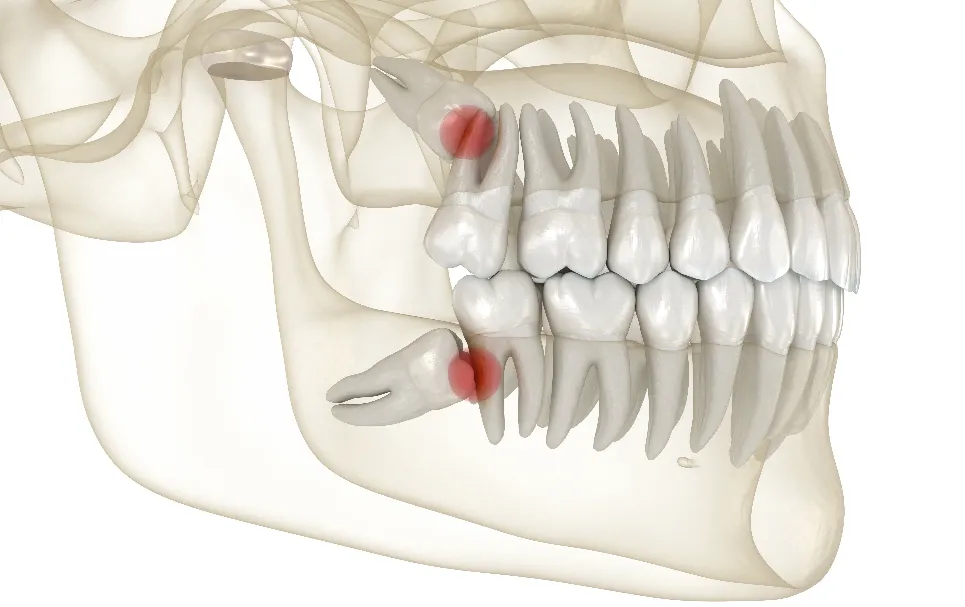
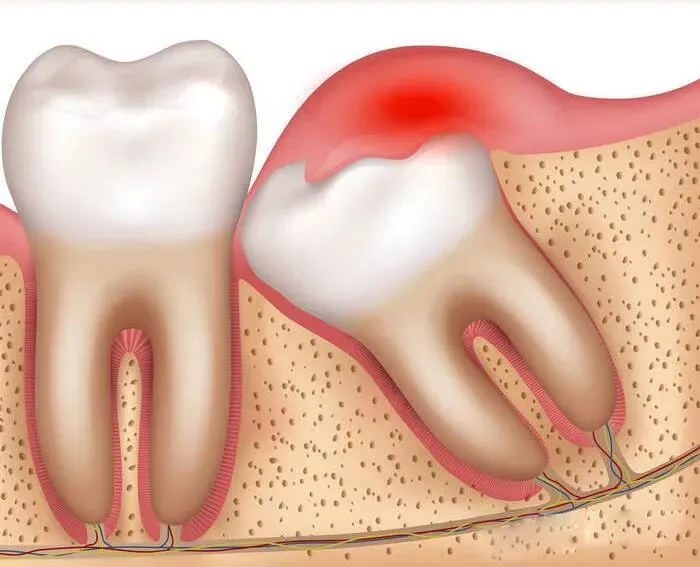
- It’s a wisdom tooth causing pain, swelling, or cheek ulcers
Where to go and what it costs
You can choose between:
- Private dental clinics: Short waiting time, flexible hours, many English-speaking dentists. Simple extraction often starts from around 1,000–2,500 baht, and surgical extraction (for broken roots or impacted teeth) may range from 3,000–8,000 baht or more depending on complexity.
- Dental hospitals or university hospitals: Lower fees but longer queues and set clinic days. Good for complex cases.
Most clinics accept cash and major cards. Local insurance may reimburse; tourists usually pay upfront. If you have previous X-rays, you can send them by email or Line before your appointment.
What to expect during the visit
1) Registration and consultation
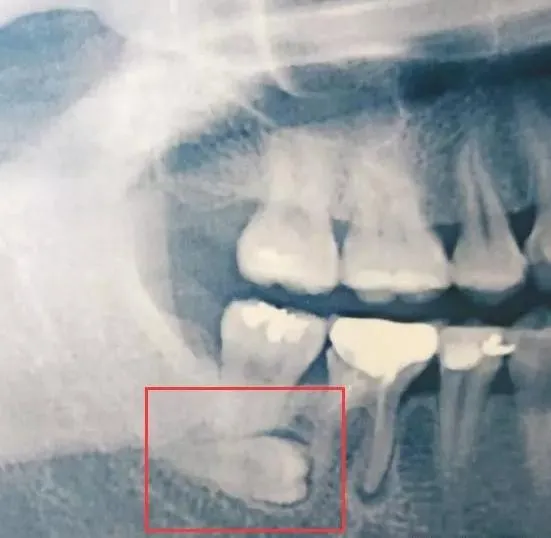
You’ll share your symptoms, medical history, and any allergies. The dentist will examine the mouth and gums, and take an X-ray—either a small periapical film or a panoramic OPG—to see root shape, nearby nerves, and any infection.
2) Treatment plan and consent
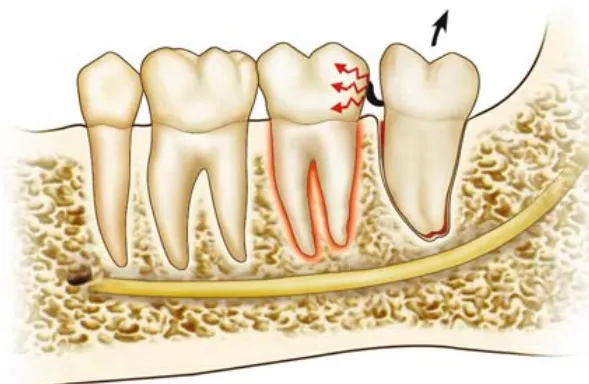
The dentist will explain options, costs in baht, and risks like dry socket, sinus involvement for upper back teeth, or nerve proximity for lower molars. If extraction is the best choice, you’ll sign a consent form. For anxious patients, some clinics offer oral sedation or nitrous oxide; most extractions use only local anaesthetic.
3) Local anaesthetic
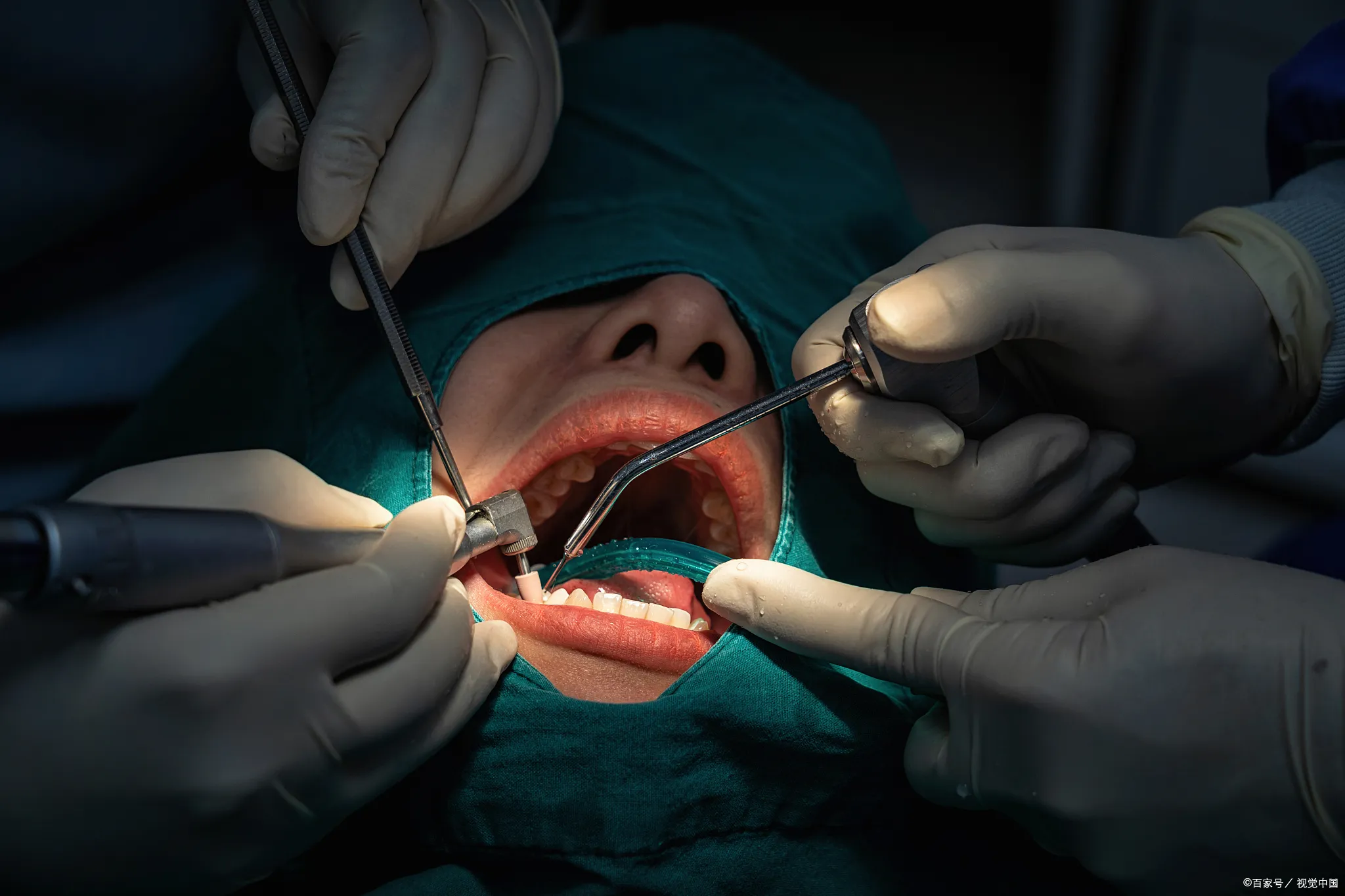
A small injection numbs the area. You’ll feel pressure later, but no sharp pain. The team follows standard sterilization, wearing gloves, masks, and using packaged sterile instruments.
Simple vs surgical extraction
- Simple extraction: For a tooth that is broken but still accessible with forceps. After loosening the tooth with an elevator, the dentist removes it smoothly. This usually takes 10–20 minutes.
- Surgical extraction: For teeth broken below the gum line, with curved roots, or partially erupted wisdom teeth. A small incision may be made, a bit of bone trimmed if needed, and the tooth sectioned into pieces for safe removal. The site is cleaned and sutures placed. Expect 30–60 minutes for this type.
You may hear sounds and feel pressure. If anything hurts, raise your hand and the dentist will top up anaesthetic. Infections sometimes need antibiotics; if you are allergic to penicillin, inform the clinic so they can give an alternative.
Right after extraction
A sterile gauze is placed over the socket for you to bite down firmly. This helps form a blood clot. Keep it compressed 30–60
minutes. If bleeding continues, replace with fresh gauze and bite again. Most patients can go home soon after, with a follow-up appointment set for suture removal in about 5–7 days if stitches were used.
Recovery and self-care at home
The first 24–72 hours are important. Follow the clinic’s instructions closely.
- Rest and ice: Take it easy on the day. Apply an ice pack on the cheek 15 minutes on and 15 minutes off for the first 6–8 hours to reduce swelling.
- Food and drink: Skip hot food and alcohol on day one. Choose soft Thai-friendly options like jok (rice porridge), soft boiled rice, tofu, steamed egg, ripe banana, or yogurt. Avoid spicy and crunchy food on the first days.
- No smoking or straws: For at least 72 hours. Suction can dislodge the blood clot and lead to dry socket.
- Oral hygiene: Don’t brush over the socket on day one. From day two, rinse gently with warm salt water after meals. Brush other teeth as normal.
- Medications: Take pain relief as prescribed. Many dentists recommend ibuprofen or paracetamol. If antibiotics were given, complete the course.
- Sleep position: Keep your head slightly elevated the first night to limit swelling.
Normal vs warning signs
It’s normal to have mild oozing, swelling, and soreness for 1–3 days. Contact the clinic if you notice:
- Severe pain starting on day two or three (possible dry socket)
- Persistent heavy bleeding
- Fever, worsening swelling, or pus discharge
- Numbness that does not improve after the anaesthetic wears off
- Sinus symptoms (water passing from nose when rinsing) after an upper molar extraction
Healing time and tooth replacement
Gum tissue usually closes in 7–10 days, with bone filling in over 6–12 weeks. If you plan to replace the tooth:
- Dental implant: Many Thai clinics offer implants. Timing varies; some place an implant immediately, but often the dentist waits 8–12 weeks for bone healing.
- Bridge or denture: A bridge uses neighboring teeth for support; a partial denture is a removable option. Your dentist will discuss pros and cons and costs.
Tips specific to Thailand
- Book ahead if you can. Walk-in is possible in many clinics, but it’s better to make an appointment, especially in Bangkok and tourist areas during high season.
- Language support: Plenty of dentists and staff speak English. Larger clinics often have translators for other languages.
- Timing with travel: If you’re on holiday, avoid scheduling surgical extractions right before island trips, scuba diving, or flights. Give yourself at least a few days—longer for wisdom teeth surgery.
- Heat and hydration: Thailand is hot. Stay hydrated with cool water, but don’t use straws. Avoid very spicy dishes until the socket calms down.
Safety and standards
Thai dental clinics follow Ministry of Public Health and Dental Council guidelines for sterilization and infection control. If you have chronic illnesses (diabetes, heart conditions) or take blood thinners, inform the dentist before the procedure. They may coordinate with your physician or adjust the plan to keep you safe.
Bottom line
Broken tooth removal in Thailand is usually quick, well explained, and competitively priced. From a proper X-ray and clear consent to careful extraction and practical aftercare advice, the process is designed to keep you comfortable and help you heal fast. Choose a reputable clinic, follow the post-op instructions, and you’ll be back to normal eating and smiling sooner than you expect.