Thailand Tooth Extraction Care for Patients Planning Dental Holidays in Thailand
Thailand Tooth Extraction Care for Patients Planning Dental Holidays in Thailand
Thailand Tooth Extraction Care for Patients Planning Dental Holidays in Thailand
Thinking about a dental holiday in Thailand and wondering how tooth extraction care works here? No worries. Thailand has a strong reputation for modern dental clinics, experienced dentists, and friendly service, whether you choose Bangkok, Phuket, Chiang Mai, or Pattaya. If your trip includes a planned extraction—anything from a simple removal to a surgical wisdom tooth—this guide walks you through what to expect, how to prepare, and the aftercare you need to heal well and still enjoy your time in the Land of Smiles.
Why choose Thailand for tooth extraction
Thailand’s dental clinics are known for international standards, efficient appointment systems, and transparent pricing. Many clinics are ISO-certified, and some hospitals carry JCI accreditation. English is widely spoken in reputable clinics, and most dentists trained locally and abroad. You will find modern X-rays, CBCT scans, and sterilisation protocols on par with Western standards, with costs that are generally more affordable.
Typical cost ranges vary by clinic and complexity, but a simple extraction may start from around 1,500–5,000 baht, while surgical or impacted wisdom teeth can range from 5,000–10,000+ baht. Always ask for a treatment plan and itemised estimate in advance.
Pre-trip planning for a smooth dental holiday
- Share your dental records: Email recent X-rays or notes to your chosen clinic so the dentist can advise on timing, sedation options, and any risks.
- Disclose health history: Let your dentist know about blood thinners, heart conditions, diabetes, allergies, and past dental complications. Some medications may need adjustment before surgery.
- Build a buffer in your itinerary: Plan 2–3 easy days after extraction before island hopping, trekking, or long bus rides. If upper molars are involved near the sinus, ask your dentist how many days you should wait before flying again.
- Choose location wisely: Bangkok has many specialist clinics, but travel time can be affected by traffic. In Phuket, Chiang Mai, and Pattaya, clinics may be closer to resorts. Pick accommodation within a short ride of your clinic.
- Confirm credentials: Check the dentist’s Thai Dental Council license number, clinic sterilisation protocols, and whether an oral surgeon will handle complex extractions.
- Insurance and payment: Consider travel insurance that covers dental emergencies. Most clinics accept credit cards and cash in baht.
On the day of your extraction
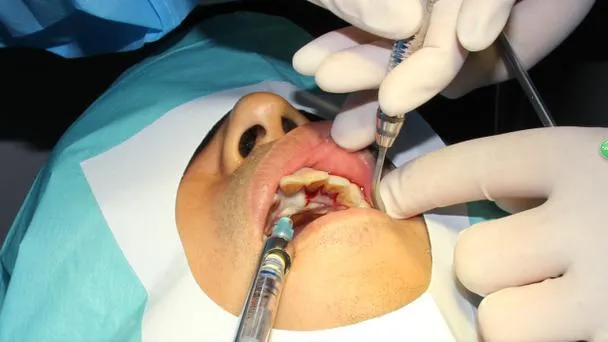
Arrive a little early with your passport for registration. Your dentist will review your medical history, explain the procedure, and discuss anesthesia—usually local anesthetic, with sedation options available in some clinics (especially for anxious patients or surgical cases). You will receive a consent form and a clear aftercare sheet to take back to your hotel.
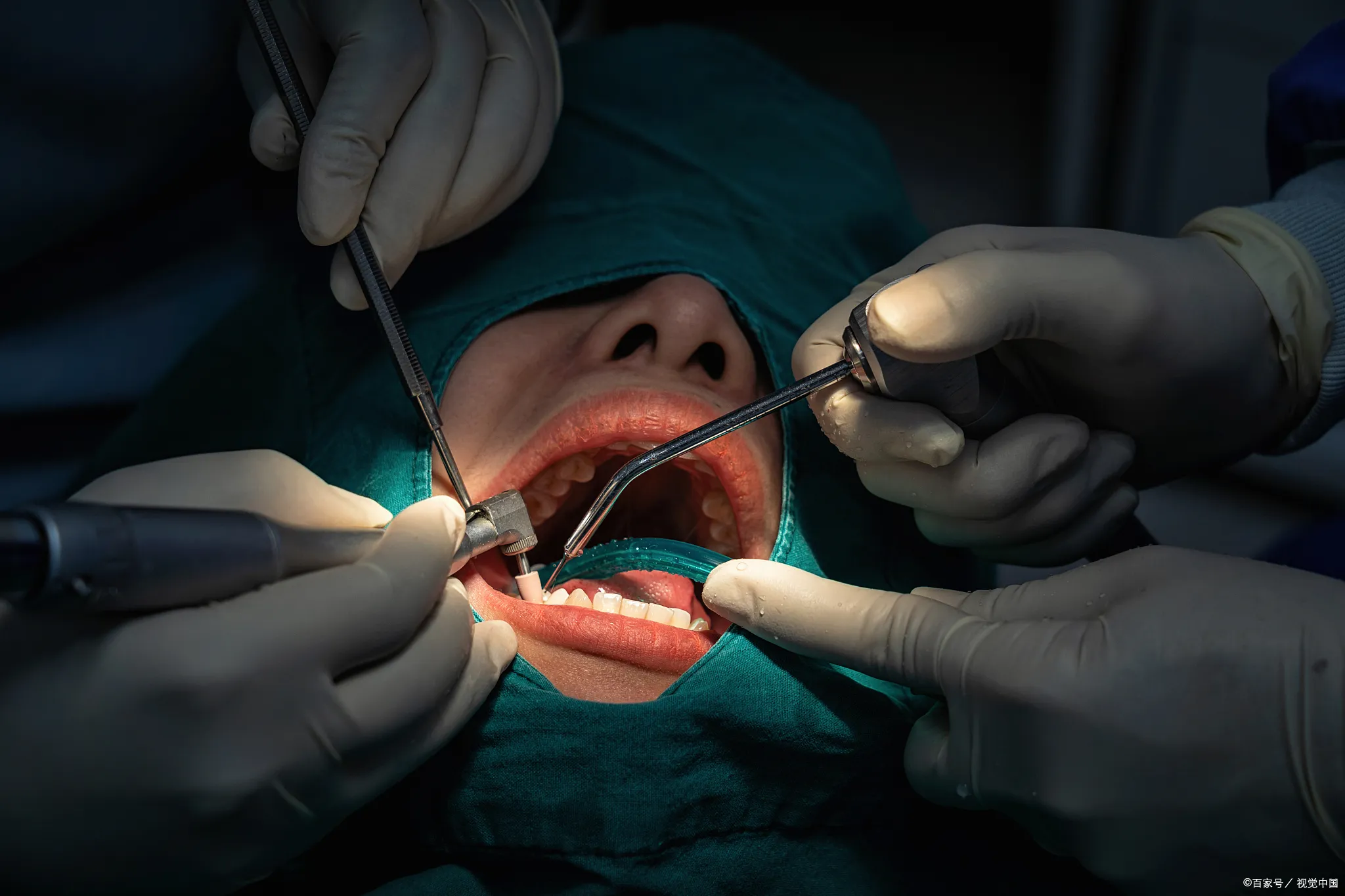
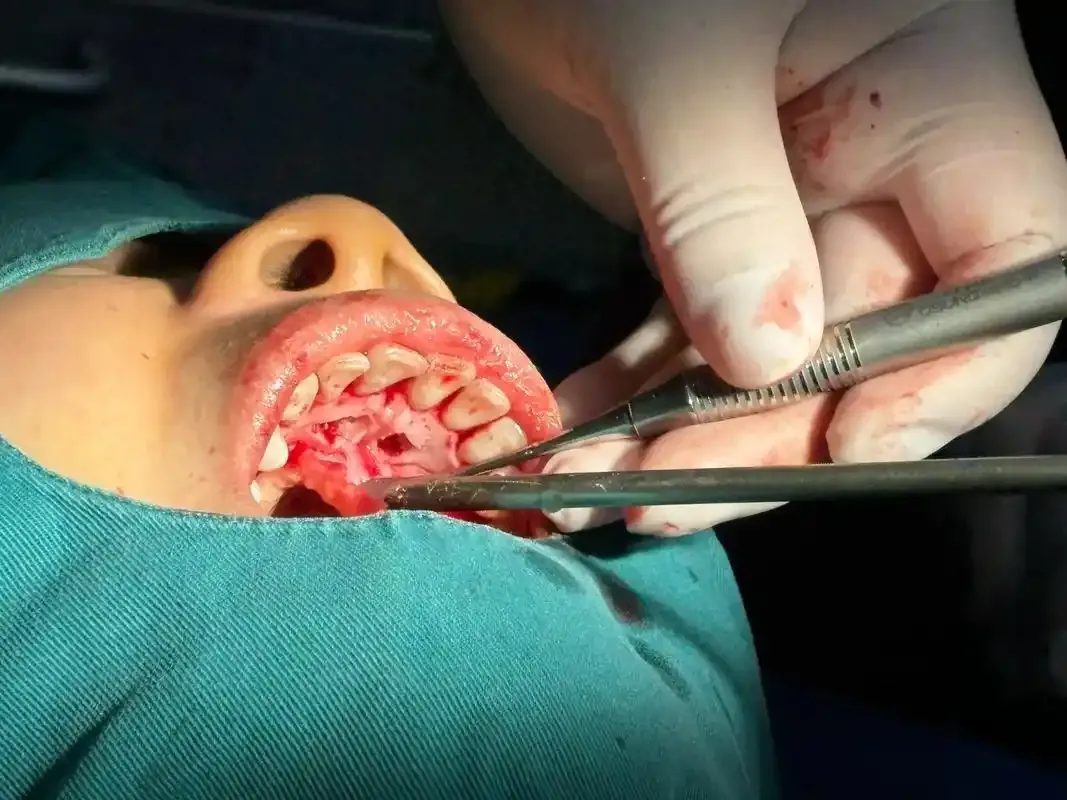
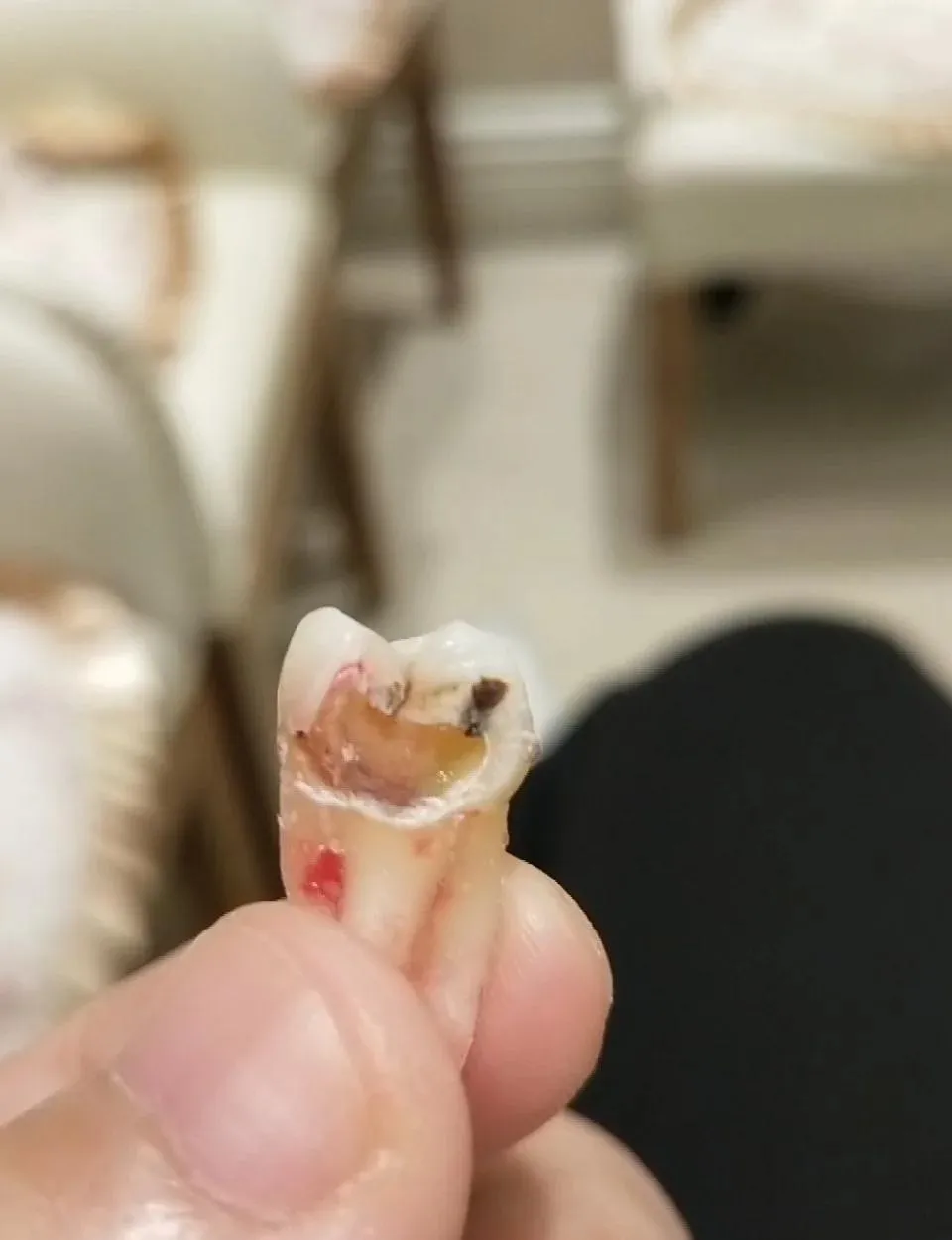
The procedure time varies from 20 minutes for a simple extraction to over an hour for impacted wisdom teeth. A protective gauze will be placed to help a stable blood clot form in the socket—this clot is your body’s natural “bandage,” so the first few hours after the procedure are crucial.
Aftercare in Thailand: your first 48 hours
- Bite down gently on the gauze for the first 45–60 minutes. If bleeding continues, replace with a fresh gauze as instructed by your dentist.
- Do not spit forcefully, rinse vigorously, or use a straw for at least 24 hours. Negative pressure can dislodge the clot and lead to dry socket.
- Avoid smoking and alcohol for at least 72 hours. Both slow healing and increase the ri
sk of complications.
- Manage pain and swelling: Take prescribed medication as directed. Paracetamol (acetaminophen) is widely available, and your dentist may add ibuprofen unless contraindicated. Use an ice pack on the cheek—20 minutes on, 20 minutes off—for the first 24 hours. Swelling usually peaks around 48 hours.
- Eat soft, mild foods: Think Thai rice soup (khao tom), congee (jok), soft tofu, yoghurt, banana, ripe papaya, smooth soups, and scrambled eggs. Keep it lukewarm, not hot. Avoid very spicy, crunchy, or sticky food for a few days. If you fancy a smoothie, use a spoon instead of a straw.
- Rest with your head slightly elevated the first night to reduce swelling. Keep activity light; save the Muay Thai class or long temple walks for later.
From day two onwards
- Begin gentle warm saltwater rinses after 24 hours (half a teaspoon of salt in a cup of warm water), 3–4 times a day, especially after meals. Do not swish aggressively.
- Brush your teeth as normal but avoid the extraction site. If sutures were placed, your dentist will inform you whether they are dissolvable.
- Continue soft foods and slowly reintroduce normal meals as comfort allows. Keep spicy and crunchy dishes to a minimum until tenderness settles.
- If you are planning to fly, ask your dentist for personalised advice. Many patients can fly after 24–48 hours for simple extractions, but upper molars and sinus-related cases may need more time.
Warning signs: when to contact the clinic
- Severe throbbing pain that increases after day two, bad taste or smell, or visible bone could indicate a dry socket.
- Persistent bleeding that doesn’t slow after following your dentist’s instructions.
- Fever, spreading swelling, rash from medication, or difficulty opening your mouth.
In Thailand, you can reach your clinic directly or visit a hospital with a dental department. For emergencies, dial 1669.
Making the most of your trip while you heal
Keep your schedule flexible. Light sightseeing, café hopping, and massages that avoid face pressure are usually fine after the first day or two. Avoid swimming pools, ocean dips, and steam rooms until your dentist gives the green light, especially if you had surgical extraction. Thailand’s heat can intensify swelling, so plan indoor breaks and stay well hydrated with water or electrolyte drinks.
Pharmacies like Boots and Watsons are common in tourist areas, and pharmacists can help you find gauze, antiseptic mouthwash (if your dentist recommends it), and pain relief. Always follow the exact prescription provided by your dentist and avoid self-medicating antibiotics.
Choosing the right clinic in Thailand
- Look for clear communication, transparent quotes, and a written treatment plan.
- Ask about imaging (panoramic X-ray or CBCT for wisdom teeth), sterilisation standards, and sedation availability if needed.
- Read recent reviews and confirm a follow-up appointment before you leave Thailand.
- If you plan multiple dental treatments, discuss the sequence so extraction sites have time to heal.
Final thoughts
A dental holiday in Thailand can combine quality care with a relaxed recovery if you plan ahead. Give yourself a couple of easy days post-extraction, follow your dentist’s aftercare closely, and keep your itinerary chilled—think temple visits at a gentle pace, a calm river cruise, or a sunset view rather than a packed day of adventures. With the right clinic and sensible aftercare, tooth extraction in Thailand is straightforward, comfortable, and surprisingly convenient, letting you return home with a healthier smile and memorable travel stories.