Thailand Tooth Extraction Procedures With Efficient Clinical Workflow
Thailand Tooth Extraction Procedures With Efficient Clinical Workflow
Thailand Tooth Extraction Procedures With Efficient Clinical Workflow
Thinking about having a tooth extracted in Thailand? Whether you are a local resident, an expat in Bangkok, or a traveler who needs urgent care in Phuket or Chiang Mai, you will find that Thai dental clinics run on a smooth, well-organised workflow. The process is designed to be quick, hygienic, and easy to follow, with clear communication in English, fair pricing in baht, and strong “service mind” from the team. Here is a clear guide to what really happens from the moment you book to the moment you recover.
Who needs a tooth extraction in Thailand
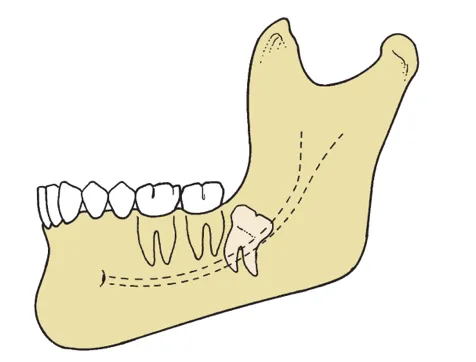
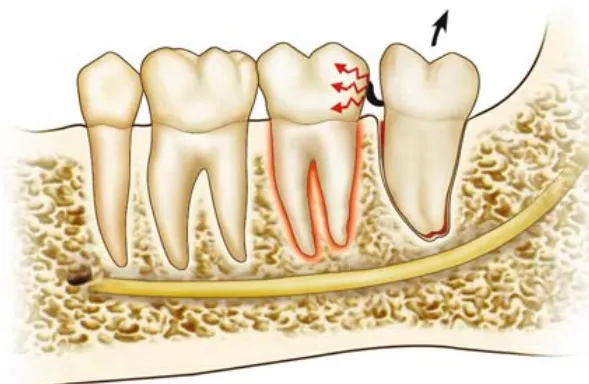
Common reasons include severe decay beyond restoration, cracked or split teeth, advanced gum disease, problematic wisdom teeth, and orthodontic space issues. Infections and pain that do not settle with root canal therapy are also typical indications. In Thailand, dentists tend to be conservative and will discuss alternatives before recommending removal, but when extraction is the best choice, it is handled efficiently.
Step-by-step clinical workflow you can expect
- Booking and registration: Many clinics accept appointments via phone, website, or LINE. Walk-in is possible, but taking a queue number at reception is standard. For first-time patients, you will make an OPD card; bring your Thai ID or passport. Most clinics message you a reminder the day before.
- Check-in and initial screening: A nurse confirms your medical history, allergies, and current medications. Blood pressure may be checked. If you have recent X-rays, you can share them via LINE or email to save time.
- Dental X-ray and diagnosis: A small periapical X-ray or a panoramic film (OPG) is taken to assess root shape, nerve proximity, and bone. The dentist explains the diagnosis in simple English and shows the image on-screen so you understand clearly.
- Treatment plan and fee quote: You receive a transparent quote before any procedure. Pricing is typically separated for simple extraction versus surgical extraction (for impacted wisdom teeth). If antibiotics or painkillers are needed, these will be itemised. Payment can be by cash, card, or QR promptpay.
- Consent and anaesthesia: You sign a consent form. Local anaesthetic is given with a very fine needle; most patients say it is just a small pinch. If you are anxious, some hospitals offer IV sedation for surgical wisdom teeth.
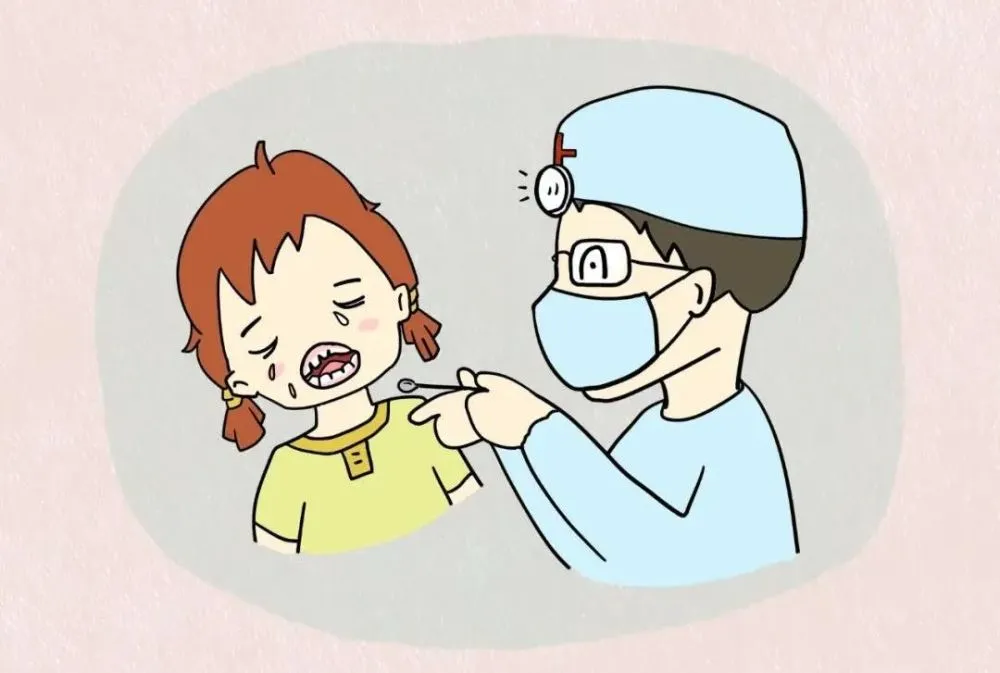
- Extraction procedure: For a simple extraction, the dentist gently loosens the tooth and removes it in a few minutes. For surgical cases, a small incision and bone trimming may be needed; sutures are placed if required. Throughout, instruments are sterile, either single-use or autoclaved, and suction keeps the area clean.
- Haemostasis and instructions: You bite on gauze for 20–30 minutes to form a stable clot. The team gives you clear aftercare instructions in English and Thai. Medications are dispensed on the spot with written labels.
- Payment and scheduling follow-up: After the dentist clears you, you proceed to the cashier. An e-receipt is common. Sutures, if non-resorbable, are usually removed in 5–7 days.
How Thailand keeps the workflow efficient
Thai clinics focus on minimising waiting time and maximising comfort. Digital queue systems, chairside X-ray, and cashless payment keep the p
rocess moving fast. Many clinics open evenings and weekends, and locations near BTS/MRT in Bangkok make access easy. Communication is straightforward; expect friendly greetings, calm explanations, and photos or diagrams to help you decide confidently.
Expected costs in baht (approximate)
- Simple extraction: 1,200–3,000 THB in private clinics; government hospitals can be lower but with longer queues.
- Surgical extraction (non-impacted): 3,000–6,000 THB.
- Impacted wisdom tooth removal: 5,000–12,000+ THB per tooth depending on complexity and location. High-end international hospitals in Bangkok may quote more for deeply impacted cases or IV sedation.
These are typical ranges; location and complexity matter. You will receive a clear estimate before treatment.
Aftercare tips that match Thai daily life
- Bite on the gauze as advised and keep the area rested for a few hours.
- Avoid hot, spicy, and sour food on day one. Skip sticky rice (khao niao), crunchy snacks, and straws for at least 48 hours to protect the clot.
- No smoking or alcohol during the first 48–72 hours; both can delay healing.
- Take paracetamol or ibuprofen as prescribed. Only take antibiotics if the dentist indicates them.
- Use a cold compress on the cheek for 10 minutes on, 10 minutes off, during the first day to reduce swelling.
- Keep your head slightly elevated when sleeping on the first night.
- Start gentle saltwater rinses after 24 hours, 2–3 times per day. Before 24 hours, do not rinse strongly.
- Brush and floss as normal but avoid the socket area; keep the rest of the mouth clean to support healing.
- If you experience persistent bleeding, severe pain after day three, or fever, contact the clinic immediately or return for a quick review.
Timeline for healing
- Day 1–2: Numbness wears off; mild soreness and swelling are normal.
- Day 3–4: Discomfort typically reduces; bruising may appear in surgical cases.
- Day 7: Soft tissue usually closes; sutures may be removed if placed.
- Week 3–4: Most daily activities feel normal; avoid poking the site.
- 2–3 months: Bone fills in fully; this is important if you plan for an implant.
Simple ways to save time on your visit
- Share any medical history and medication list ahead of time via LINE.
- Arrive 10–15 minutes early for the first visit to complete forms.
- If you are nervous, ask for a longer slot so the dentist can go step by step without rushing.
- Choose midweek or morning appointments to avoid peak queues.
- If you plan an implant later, request a discussion about timing and socket preservation on the same day.
Language and patient experience
Most urban clinics have English-speaking dentists and staff. Explanations are direct, options are laid out clearly, and you are encouraged to ask questions. The overall vibe is calm and polite—chai yen yen—so you can relax and feel in control.
Bottom line
Tooth extraction in Thailand is straightforward, safe, and efficiently managed. From quick registration and on-the-spot X-rays to clear fees and practical aftercare, the clinical workflow is built to minimise stress and downtime. Whether it is a simple removal or a surgical wisdom tooth, you can expect international-standard sterilisation, gentle technique, and a friendly, well-coordinated team to guide you from start to smile.