Thailand Tooth Extraction Procedures With Trusted Professional Standards
Thailand Tooth Extraction Procedures With Trusted Professional Standards
Thailand Tooth Extraction Procedures With Trusted Professional Standards
If you’re in Thailand and your doctor (dentist) recommends a tooth extraction, no need to worry. Clinics and hospitals here are known for professional standards, modern equipment, and a very “service mind” approach that keeps patients comfortable from start to finish. Whether you live in Bangkok or you’re visiting Chiang Mai, Phuket, or Pattaya, you can expect care that follows international-level protocols with clear communication and fair pricing.
What “trusted professional standards” really means
- Licensed dentists and specialists: Dentists in Thailand are registered with the Dental Council of Thailand. For complex cases like impacted wisdom teeth, an oral and maxillofacial surgeon often steps in.
- Strict sterilisation and infection control: You’ll see instrument pouches, autoclaved tools, single-use needles and suction tips, and PPE worn correctly. Many clinics document sterilisation cycles and use disposable barriers to prevent cross-infection.
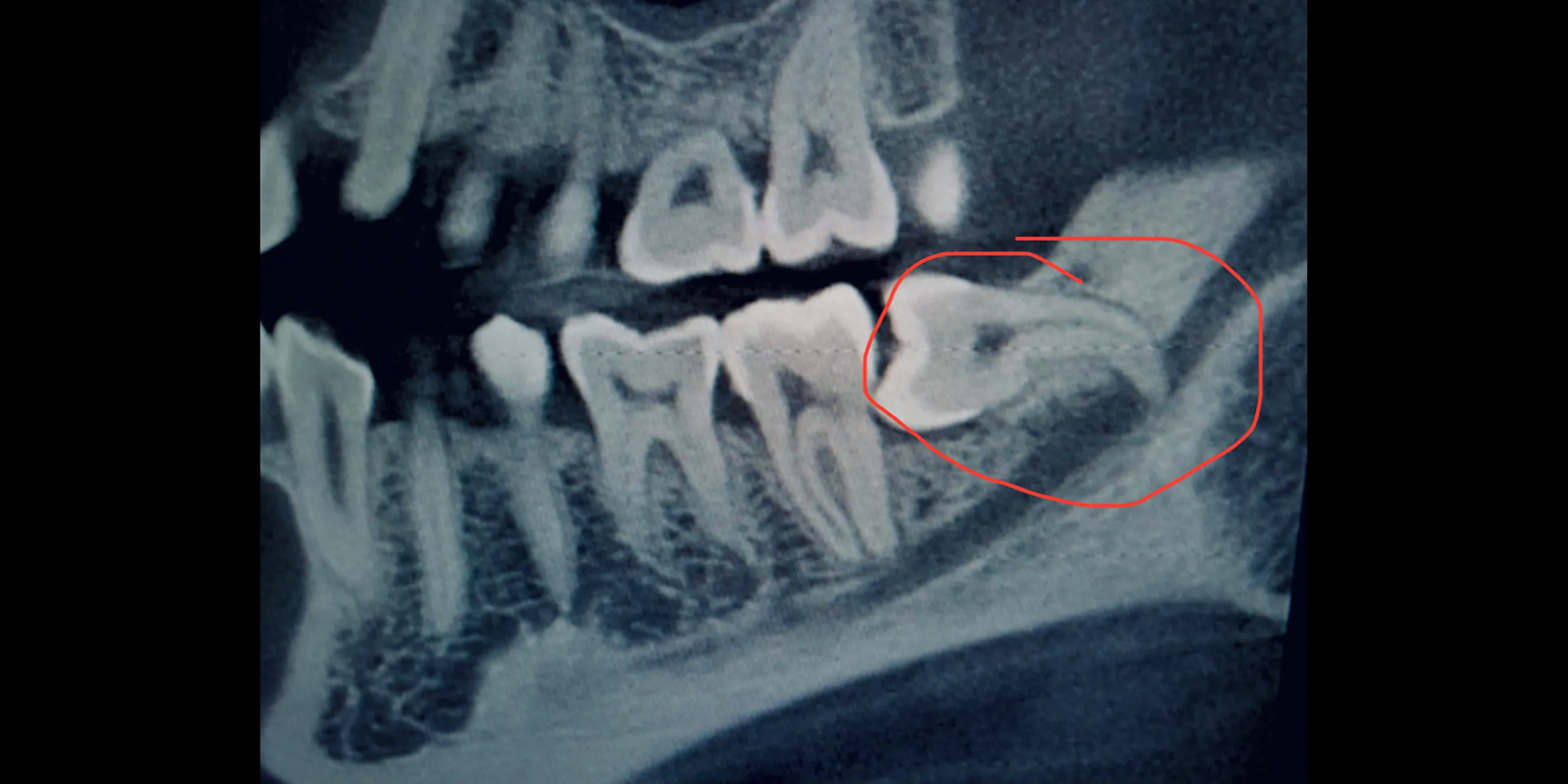
- Safe imaging and planning: Digital X-rays or panoramic films are commonly used to assess roots, bone, and nerves before any extraction. Radiation doses are kept low with modern sensors.
- Informed consent and transparent fees: Before treatment, the doctor explains the plan, risks, alternatives, and fees. Staff usually present a printed treatment plan so you can decide comfortably.
- Pain and anxiety control: Local anaesthetic is standard. Some clinics offer nitrous oxide or IV sedation (usually in hospital settings) if you’re very nervous or the case is complex.
- Post-procedure follow-up: You receive written aftercare instructions and a contact channel (often LINE Official) for quick support. Antibiotics are prescribed only when indicated to reduce antibiotic resistance.
How the extraction process usually flows
1) Check-in and medical history: On arrival, staff ask about allergies, medications, and conditions like hypertension or diabetes. This is important to plan anaesthetic and aftercare safely.
2) X-ray and consultation: A small intraoral X-ray or panoramic film helps the doctor see root shape, impaction, and surrounding bone. You’ll get a clear explanation and a cost estimate.
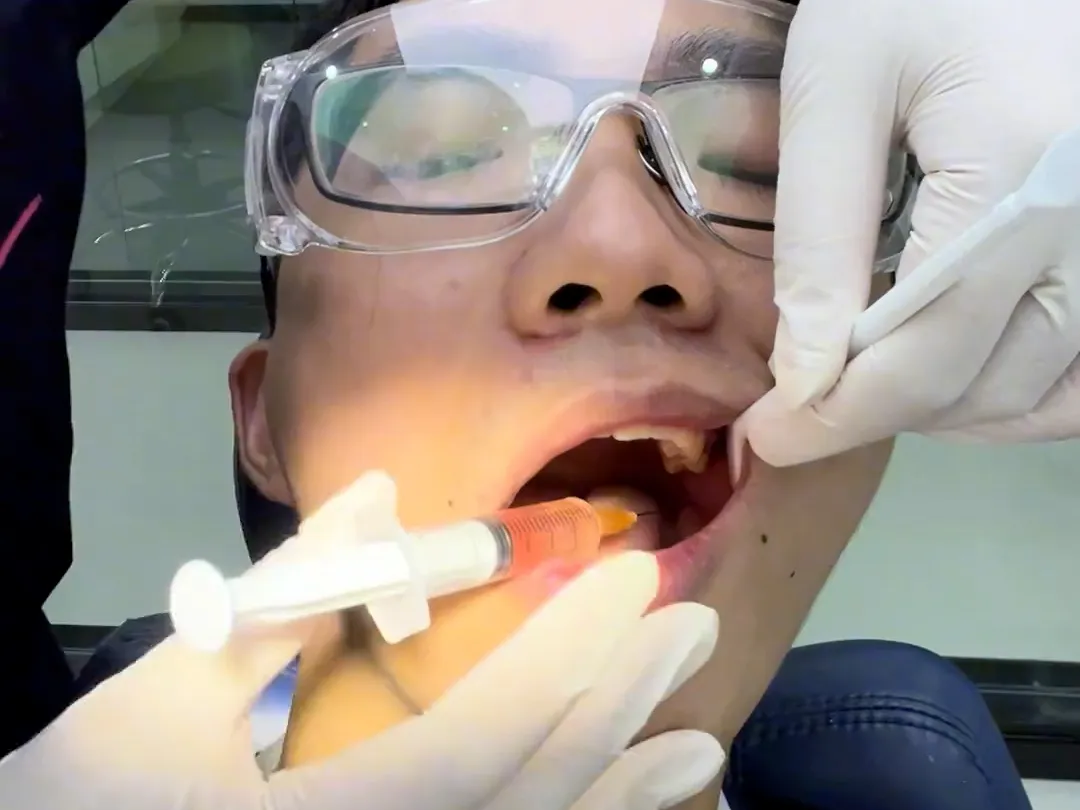
3) Numbing and comfort: The area is numbed with local anaesthetic. You might feel pressure during the procedure but no sharp pain. If you’re anxious, let the team know; they’re used to helping patients relax.
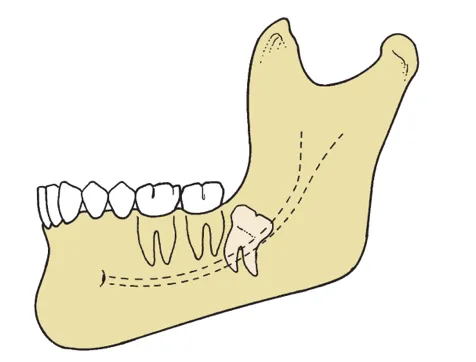
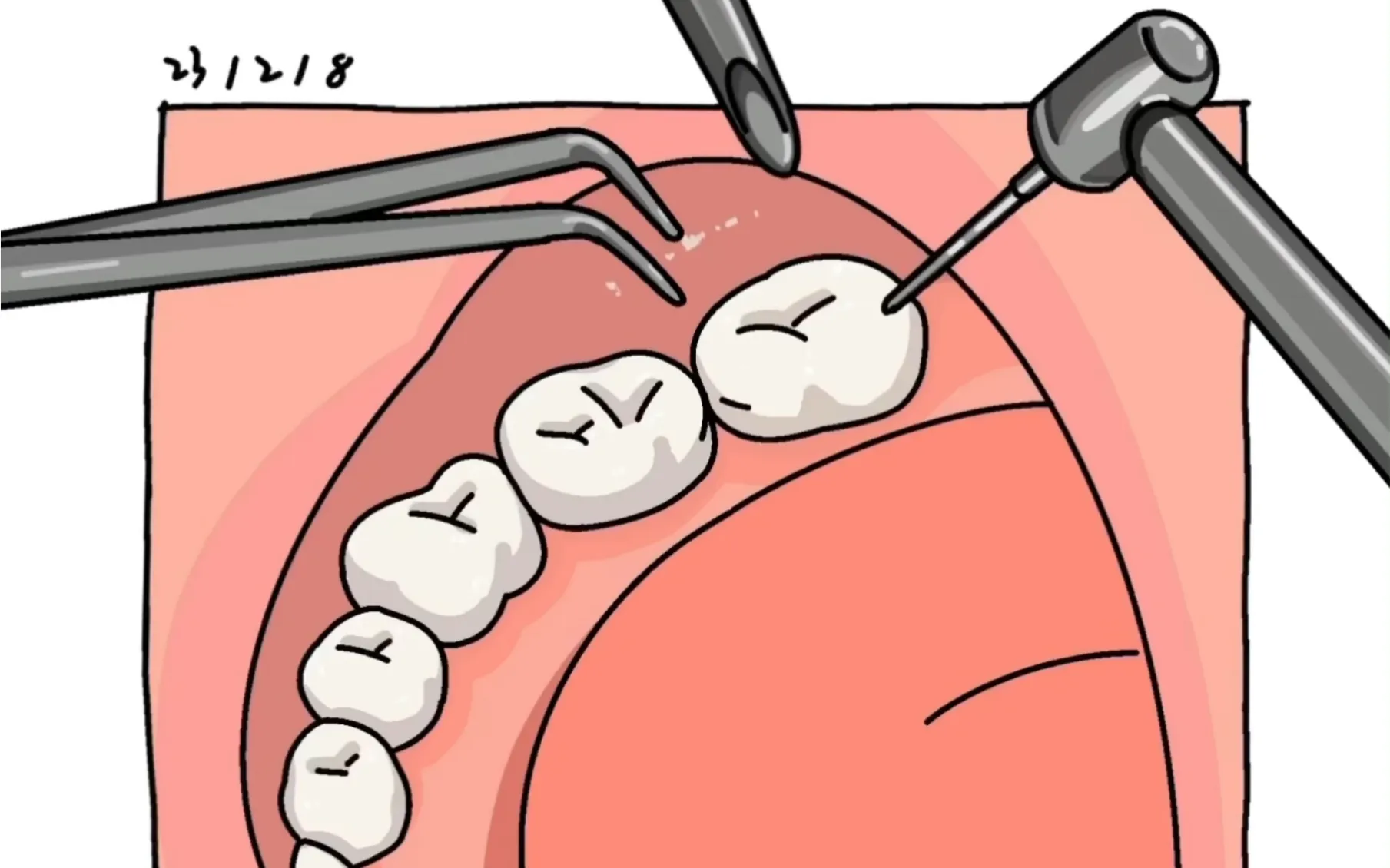
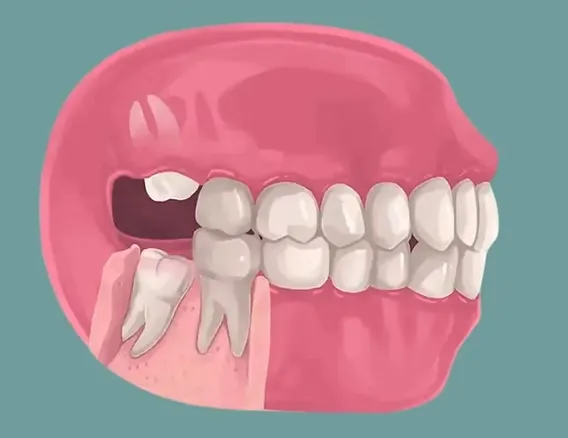
4) Simple vs surgical extraction: A simple extraction is when the tooth is already visible and can be gently loosened and removed. A surgical extraction involves a small incision and sometimes bone trimming, common for impacted wisdom teeth.
5) Hemostasis and instructions: After the tooth is out, you’ll bite on gauze to stop bleeding. The doctor will check the socket, place stitches if needed, and go over aftercare step by step.
6) Payment and next steps: You’ll receive your invoice, receipts (useful for insurance claims), medication, and the clinic’s LINE for easy contact. A review appointment may be scheduled if stitches are placed.
Common questions patients ask in Thailand
- Is it painful? With proper anaesthetic, you should feel only pressure. After, mild soreness is normal and managed with painkillers like ibuprofen or paracetamol. The clinic will advise what’s suitable for you.
- How long does it take? A simple extraction can take 15–30 minutes; a surgical removal may take 30–60 minutes or more depending on complexity.
- How much does it cost? Fees vary by city and case difficulty. As a general guide, simple extractions
may be around THB 1,000–3,000, and surgical or impacted wisdom teeth often range from THB 3,000–12,000+. Panoramic X-rays and sedation (if chosen) are additional. Clinics in Bangkok or resort areas may be higher due to overheads.
- Can I travel after? For routine cases, light travel is usually OK the same or next day. If you had a surgical wisdom tooth removal, it’s best to rest 24–48 hours and avoid diving, heavy workouts, or long-haul flights immediately after due to swelling. Plan your itinerary accordingly.
Aftercare tips Thai dentists commonly recommend
- Bite on the gauze for 30–60 minutes to control bleeding, then remove gently.
- Avoid vigorous rinsing, spitting, or using a straw for the first 24 hours to protect the blood clot.
- Skip smoking and alcohol for at least 48–72 hours to reduce the risk of dry socket.
- Choose soft, lukewarm foods at first—congee, yogurt, eggs, smoothies (spooned, not through a straw). Avoid very hot, very spicy, or crunchy foods on day one.
- Take prescribed painkillers as instructed. If antibiotics are given, finish the course.
- Apply a cold compress on and off for the first 6–8 hours to minimise swelling.
- After 24 hours, gently rinse with warm salt water several times a day.
- Keep your head slightly elevated when resting and avoid strenuous exercise for 48 hours.
- Call the clinic if bleeding persists, pain worsens after day two, you have fever, or there’s a bad taste and odour—these might indicate a dry socket or infection.
Choosing a trusted clinic in Thailand
- Check credentials and experience: Look for doctors with experience in oral surgery if you expect a difficult extraction. Many clinics display profiles on their websites.
- Look for sterilisation transparency: Clinics that show sealed instrument packs and have clean, well-organised treatment rooms are a good sign.
- Ask about imaging and technology: Digital X-ray, panoramic machines, and sometimes CBCT for complex cases demonstrate careful planning.
- Confirm pricing and what’s included: Ask if the fee includes X-rays, medication, and follow-up. Most clinics are happy to provide a written quote.
- Consider language and location: Many clinics have English-speaking staff. Choose a location convenient to BTS/MRT or your accommodation so follow-ups are easy.
- Check reviews and word of mouth: Patient reviews on trusted platforms and recommendations from friends or local expat groups can guide you to a reliable place.
A note for dental tourists
Thailand welcomes many patients who combine care with travel. If you’re scheduling a wisdom tooth extraction, allow downtime in your itinerary—at least 1–2 easy days before island trips, hiking, or big dining plans. Keep your clinic’s contact on LINE or WhatsApp, and ask for a medical certificate or detailed receipt if you need to claim insurance back home.
Why many patients feel comfortable here
Thai dental teams are known for being gentle, clear in communication, and respectful of your comfort level. You’ll often hear staff say “no worry, we take care,” and they mean it. The mix of strong clinical standards, modern sterilisation, fair fees, and convenient aftercare channels makes tooth extraction in Thailand straightforward and safe.
Bottom line
Tooth extraction in Thailand follows trusted professional standards—from thorough assessment and strict sterilisation to proper pain control and attentive aftercare. Choose a reputable clinic, ask questions openly, and plan a little rest time. With the right team, the procedure is quick, comfortable, and helps you move forward to better oral health.