Thailand Tooth Extraction Treatment for Decayed Tooth Removal

Thailand Tooth Extraction Treatment for Decayed Tooth Removal
Thailand Tooth Extraction Treatment for Decayed Tooth Removal
If a decayed tooth is keeping you awake at night or flaring up when you eat, getting it sorted quickly is important. In Thailand, tooth extraction is a routine, safe treatment performed every day in dental clinics and hospitals from Bangkok and Chiang Mai to Phuket and Pattaya. Whether you are a local, an expat, or a visitor planning dental care on your trip, you can expect clear pricing, modern equipment, and dentists who take time to explain what’s happening in simple terms.
When is extraction recommended?
Dentists in Thailand will always try to save a tooth first. If a filling or a root canal can restore the tooth, they’ll let you know. However, removal is advised when:
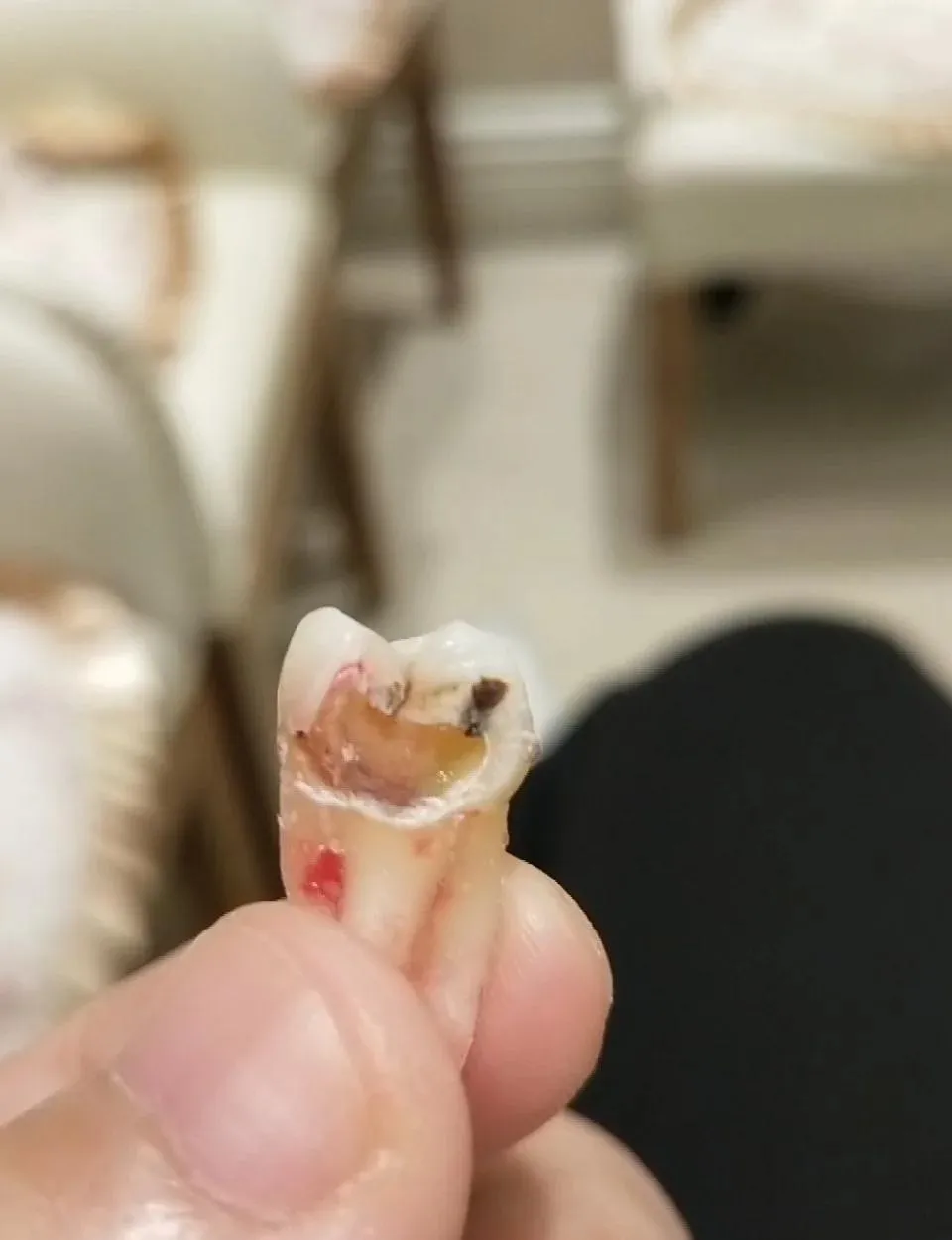
- Decay has destroyed so much structure that the tooth cannot be restored
- A root canal has failed and retreatment is not feasible
- The tooth is cracked below the gum line
- Severe gum disease has left the tooth loose
- A wisdom tooth is impacted, infected, or causing repeated pain
- Space is needed for orthodontic treatment
What to expect at a Thai dental clinic
Most clinics offer same-week appointments and accept bookings via phone, website, or LINE. Walk-in is possible at many places, but it’s better to book to avoid a long queue, especially near public holidays.
Your first visit usually includes:
- Consultation and examination
- X-ray (periapical for one tooth or panoramic if needed)
- Treatment plan and a clear quote before you agree
English is commonly spoken in city clinics, and many providers are used to caring for foreigners. Sterilisation follows international infection-control protocols. If the case is complicated, you may be referred to an oral and maxillofacial surgeon at a dental hospital.
Simple vs surgical extraction
- Simple extraction: For a tooth visible in the mouth. You’ll receive local anaesthetic so the area is numb. You will feel pressure but no sharp pain as the tooth is gently loosened and removed. This is usually quick.
- Surgical extraction: Needed when the tooth is broken under the gum, has long or curved roots, or is an impacted wisdom tooth. A small incision may be made and the tooth removed in sections. Stitches may be placed. Surgical cases take longer but are still done under local anaesthetic. Some clinics offer IV sedation for anxious patients; this must be pre-booked and requires fasting and an escort home.
Antibiotics are prescribed only when there is active infection or swelling, following current dental guidelines. Pain control typically involves ibuprofen or paracetamol, adjusted for your medical history. Always inform your dentist about any allergies, blood thinners, or chronic conditions.
Typical cost in Thailand (approximate)
Fees vary by location and clinic type, but a transparent estimate helps you plan:
- X-ray: 300–1,500 THB
- Simple extraction (per tooth): 1,000–3,000 THB in private clinics; lower in government hospitals
- Surgical extraction/wisdom tooth removal: 4,000–10,000+ THB depending on complexity
- IV sedation (if chosen): additional 5,000–15,000+ THB
Prices are usually per tooth and inclusive of standard anaesthetic and gauze. Medication is often charged separately. Private clinics accept cash, credit card, and PromptPay; some can issue a medical certificate for leave if required. International travel insurance may reimburse extractions caused by acute pain; check your policy.
Preparing for your appointment
-
Eat a light meal 1–2 hours before if you’re having local anaesthetic. If IV sedation is planned, follow fasting instructions.
- Bring a list of your medications and let the dentist know if you take blood thinners.
- Arrange transport home if you will be sedated.
- If you’re a traveller, plan two easy days after the procedure and avoid booking island trips or dives immediately after a surgical extraction.
Step-by-step on the day
1) Check in and confirm your details. Many clinics will reconfirm fees before starting.
2) X-ray and exam to confirm the diagnosis.
3) Numbing. The dentist waits until you are fully numb and tests the area.
4) Extraction. You’ll feel pressure but should not feel sharp pain. Tell the dentist if anything is uncomfortable.
5) Gauze placement to stop bleeding. For surgical cases, stitches may be placed (removal in 5–7 days unless they are dissolving).
6) Post-op instructions and medication. Some clinics will contact you via LINE the next day to check on you.
Aftercare that fits the Thai lifestyle
- Bite firmly on the gauze for 30–60 minutes to help a stable clot form.
- Avoid hot drinks, spicy food, alcohol, and smoking for at least 48 hours. Spicy dishes and very hot soup can trigger bleeding and delay healing.
- Skip straws and avoid vigorous rinsing for 24 hours—this prevents dislodging the clot (dry socket).
- Use a cold compress outside the cheek for 15 minutes on, 15 minutes off, for the first few hours to reduce swelling.
- From the next day, rinse gently with warm salt water after meals.
- Eat soft food: yoghurt, mashed potato, congee, soft tofu, omelette. Sticky rice and chewy meats are better avoided for a couple of days.
- Keep your head slightly elevated when sleeping on the first night.
- Continue brushing other teeth gently; avoid brushing directly on the extraction site for the first day.
When to contact your dentist
- Bleeding that does not slow after two hours with firm pressure
- Pain that worsens on day 3–4 or a bad taste (possible dry socket)
- Fever, persistent swelling, or difficulty opening the mouth
- Broken stitches or sharp edges irritating your cheek
Choosing a clinic in Thailand
- Check the dentist’s registration and clinic licensing (many clinics display credentials at reception).
- Look for clear communication, a written plan, and transparent fees.
- Read recent reviews from locals and expats.
- Consider accessibility (near BTS/MRT for Bangkok), clinic hours, and whether they offer follow-up via LINE.
- For complex cases or significant medical conditions, a dental hospital setting may be the safer choice.
Dental tourism and timing
Many international patients come for decayed tooth removal and combine it with other care like fillings or whitening. If you are scheduling around travel, keep the last 48–72 hours after a surgical extraction relatively free. Flying is generally fine after a simple extraction, but for impacted wisdom teeth or complex surgery, allow a couple of days before a long flight and follow your dentist’s advice.
The bottom line
Tooth extraction in Thailand is straightforward, affordable, and performed to high clinical standards. The key is not to delay—pain and swelling from a decayed tooth usually don’t resolve on their own. Book a consultation, get an X-ray, and discuss all options, including whether the tooth can be saved. With the right preparation and aftercare, most people are back to normal routines quickly, minus the toothache.