Thailand Tooth Extraction Treatment With Gentle Tooth Removal Techniques
Thailand Tooth Extraction Treatment With Gentle Tooth Removal Techniques
Thailand Tooth Extraction Treatment With Gentle Tooth Removal Techniques
If you’re in Thailand and need a tooth removed, you don’t have to worry. Modern dental clinics across Bangkok, Chiang Mai, Phuket, and other cities offer gentle tooth extraction with international standards, friendly service, and very fair pricing. Whether it’s a painful wisdom tooth, a badly decayed molar, or a baby tooth that just won’t let go, dentists here focus on comfort, clear communication, and minimally invasive techniques so you can feel relaxed from start to finish.
When is tooth extraction recommended?
Dentists only suggest removal when it’s the safest, most effective solution. Common reasons include:
- Deep decay or fracture beyond repair
- Severe gum disease making the tooth loose
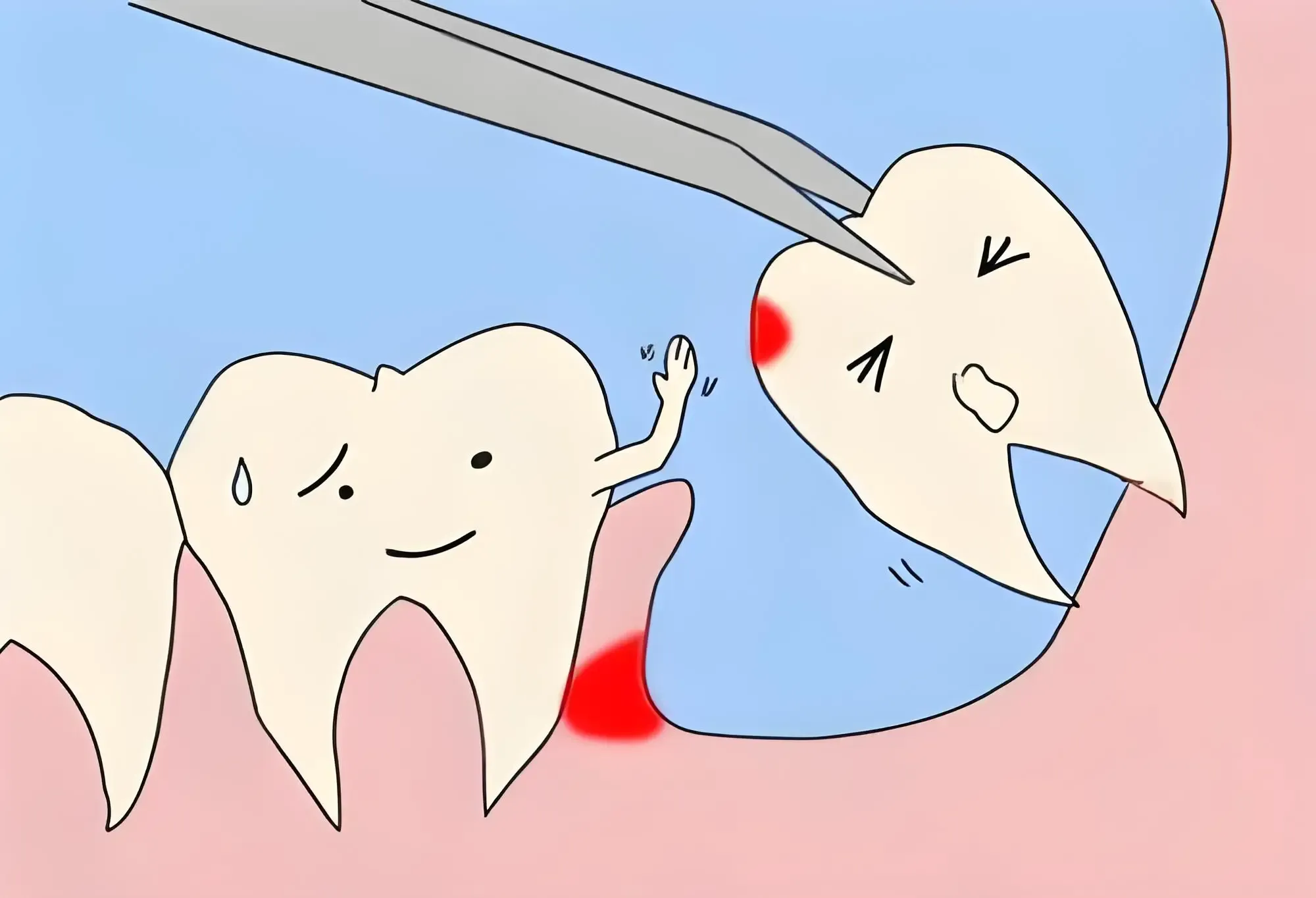
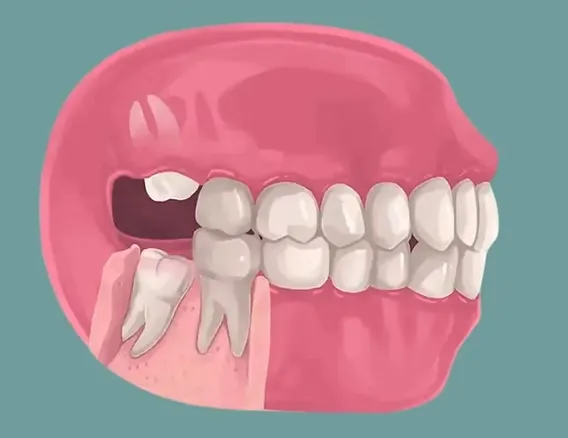
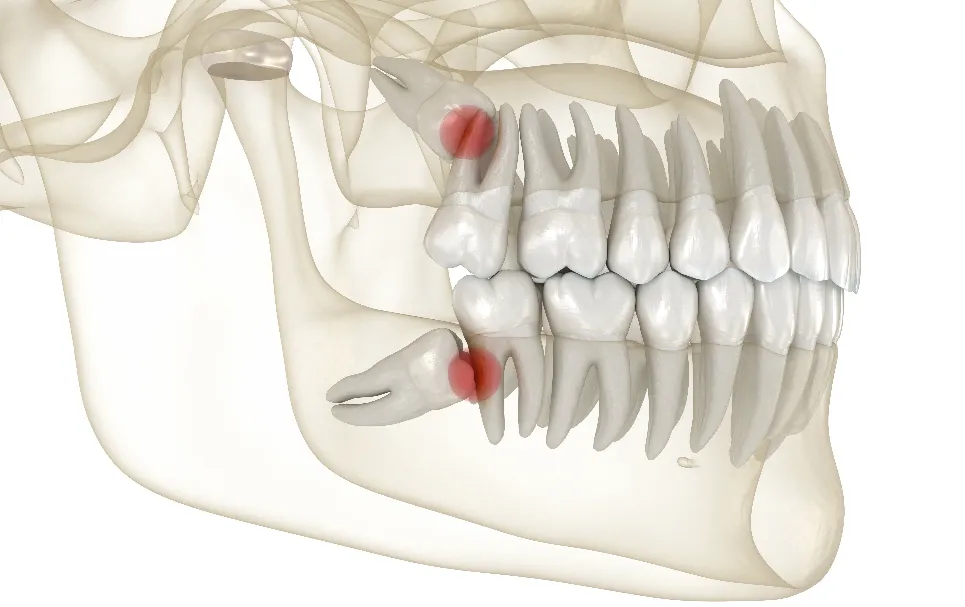
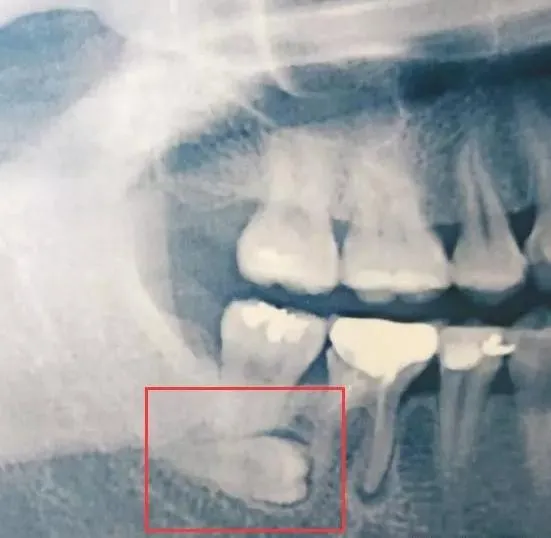
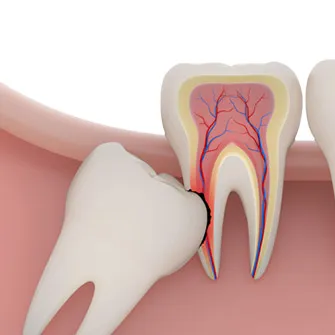
- Impacted or infected wisdom teeth
- Crowding before orthodontic treatment
- Failed root canal or cracked roots
Thai dentists generally try to save teeth when possible, but if extraction is needed, they plan carefully for a smooth, fast procedure and a comfortable recovery.
Gentle techniques you’ll find in Thailand
Local clinics use modern tools and methods aimed at reducing trauma to your gums and bone:
- Atraumatic extraction: Using fine instruments like periotomes and luxators to gently separate the ligament around the tooth, preserving bone for faster healing or future implants.
- Sectioning of multi-rooted teeth: Instead of forcing, the dentist may divide the tooth into small parts, making removal easier and less stressful for surrounding tissue.
- Precise anesthesia: Numbing gel, buffered local anesthetic, and careful technique mean most patients feel only pressure, not pain.
- Digital imaging: Low-dose X-rays and, when needed, 3D CBCT scans to see roots, nerves, and sinuses clearly, especially for wisdom teeth.
- Sterile, safe environment: Autoclaved instruments, disposable barriers, and strict infection control as guided by the Dental Council of Thailand.
Sedation options are also available at many clinics—ranging from nitrous oxide (laughing gas) to IV sedation with an anesthesiologist—useful for patients with dental anxiety or complex surgical wisdom tooth cases.
What to expect at your appointment
- Consultation and X-ray: The dentist reviews your symptoms, checks your oral health, and takes an X-ray to plan the safest approach. You’ll get a clear explanation, treatment choices, and the total cost upfront (no hidden charge).
- Numbing and comfort: Numbing gel first, then local anesthesia. Clinics often use a gentle technique and reassure you step by step so you can feel relaxed.
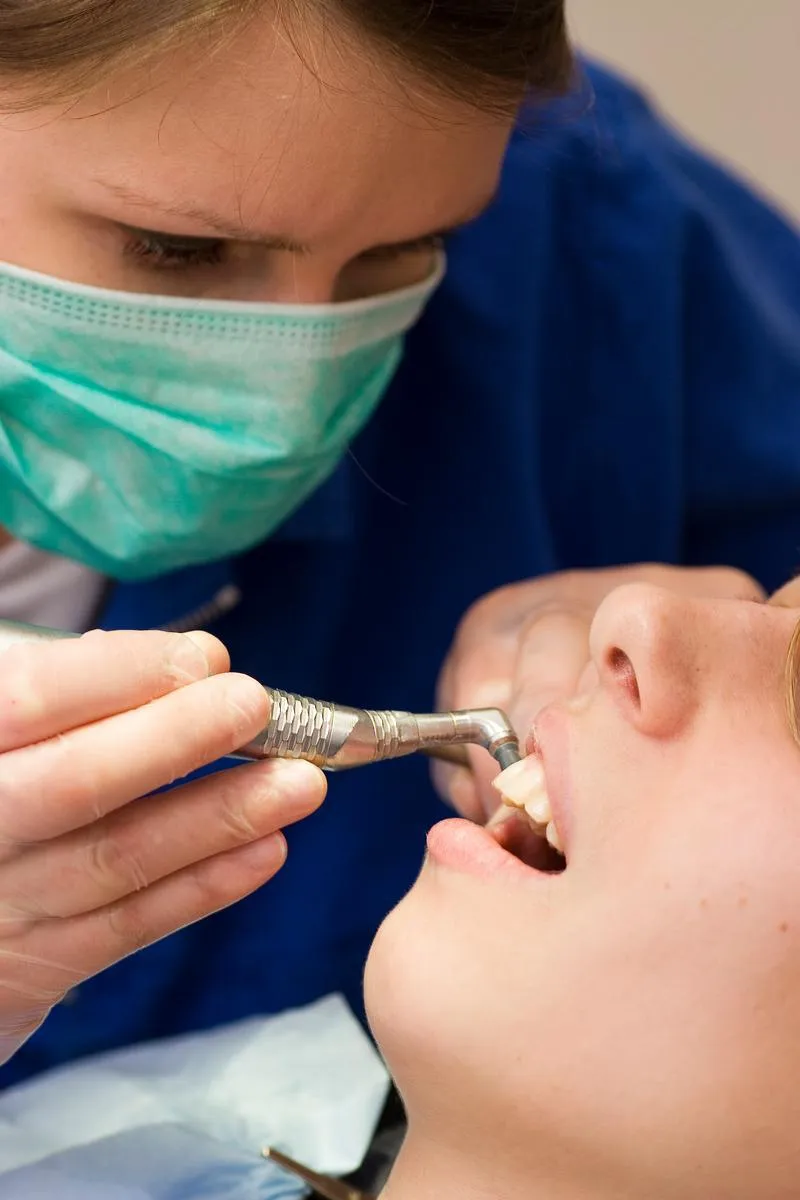
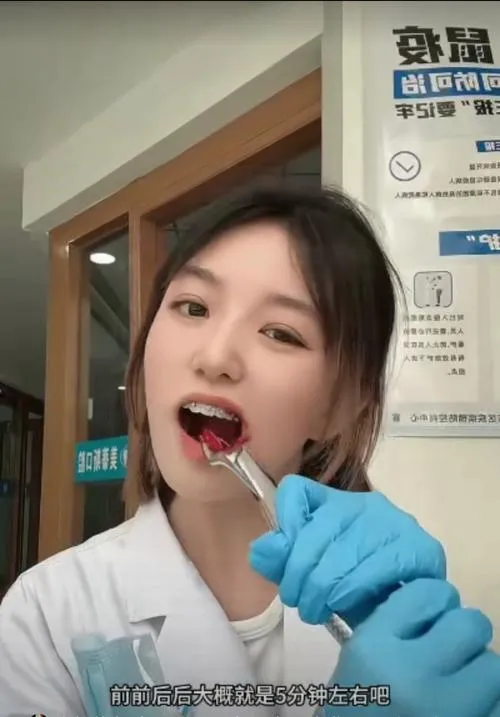
- Gentle removal: Using minimally invasive tools, the dentist loosens the tooth and removes it. You may feel pressure but should not feel sharp pain. If you feel anything, just raise your hand—more anesthetic can be added immediately.
- Cleaning and closure: The socket is cleaned, sometimes grafted if an implant is planned later, and stitched when needed. You’ll bite on sterile gauze for 30–45 minutes to help stop bleeding.
- Aftercare briefing: You’ll receive written and verbal instructions, pain meds, and an emergency contact. Many clinics also follow up via phone or Line app.
Will it be painful?
With today’s techniques, most patients say the procedure is surprisingly comfortable. Afterward, mild swelling or soreness is n
ormal for 1–3 days, especially for wisdom teeth. Dentists typically prescribe ibuprofen or paracetamol and, when indicated, antibiotics. Cold compresses during the first 24 hours help keep swelling down.
Recovery and aftercare tips
- Keep the gauze in place as advised; avoid spitting or using a straw on day one to protect the blood clot.
- Eat soft foods: lukewarm soup, rice porridge (jok), yoghurt, smoothies (no straw), soft eggs, banana. Avoid hot, spicy, or crunchy foods for a few days.
- Rinse gently with warm salt water after 24 hours, 2–3 times per day.
- Do not smoke or vape for at least 72 hours to reduce the risk of dry socket.
- Sleep with head elevated the first night and take meds as prescribed.
- Most people can return to routine work the next day; for surgical wisdom teeth, allow 2–3 days of easy schedule.
How much does tooth extraction cost in Thailand?
Prices vary by city and complexity, but Thailand remains very good value. As a general guide:
- Simple extraction: around 1,000–2,500 THB per tooth
- Surgical or impacted wisdom tooth: around 3,500–8,500 THB per tooth
- Sedation (if used) adds an additional fee depending on method and duration
Many clinics offer promotions or package pricing that include X-rays, consultation, medication, and review appointments. You’ll get a written quotation before treatment.
Is it safe for travelers and expats?
Yes. Thailand is a global hub for dental care. Clinics serving locals, expats, and tourists follow strict sterilization protocols, use FDA- and CE-approved materials, and communicate clearly in English. Locations are usually easy to access by BTS/MRT in Bangkok or central areas upcountry. Same-day appointments are common, and walk-in is okay, but booking is recommended to minimize waiting time.
Preparing for your visit
- Bring your passport or Thai ID, plus any previous dental records if available.
- Inform the dentist about medications, allergies, or medical conditions (e.g., heart issues, diabetes, blood thinners).
- Eat a light meal before your appointment unless you’re having IV sedation (then follow fasting instructions).
- Arrange transport home if you choose sedation.
What about replacing the tooth?
If a visible or functional tooth is removed, your dentist will discuss replacement options such as dental implants, bridges, or partial dentures. Atraumatic extraction can preserve bone and gum shape, which helps future implant placement. Many patients plan an implant 2–3 months after healing, and Thailand offers excellent implant packages at competitive rates.
Choosing the right clinic
Look for:
- Licensed dentists with experience in oral surgery
- Clear treatment plans, photos, and transparent pricing
- Good reviews from local and international patients
- Convenient location and responsive communication (phone, email, Line Official)
- Service-minded staff who make you feel comfortable and safe
The bottom line
Tooth extraction in Thailand is straightforward, gentle, and affordable. With careful planning, modern techniques, and warm, attentive care, most patients are surprised by how quick the process feels and how smoothly they recover. If you’ve been putting it off, a consult with a Thai dentist can give you a clear plan, a fair price, and peace of mind—so you can smile and get back to your day with confidence.