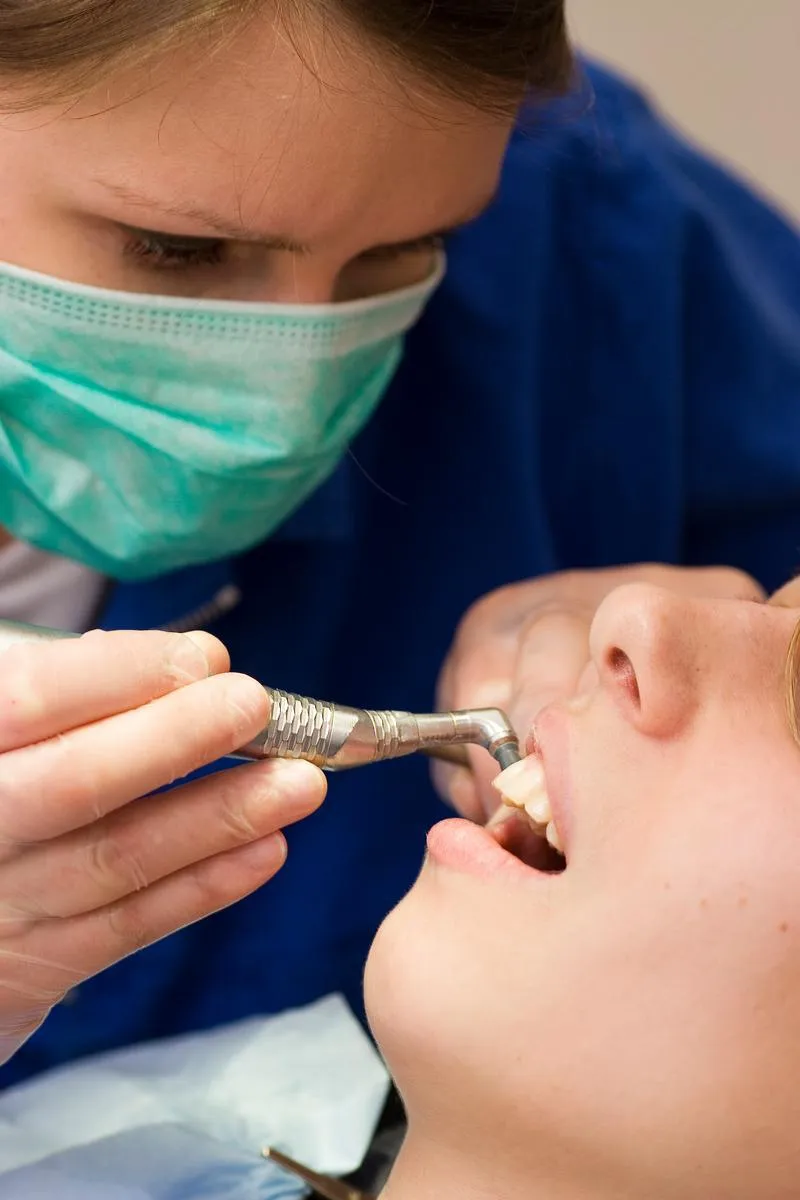
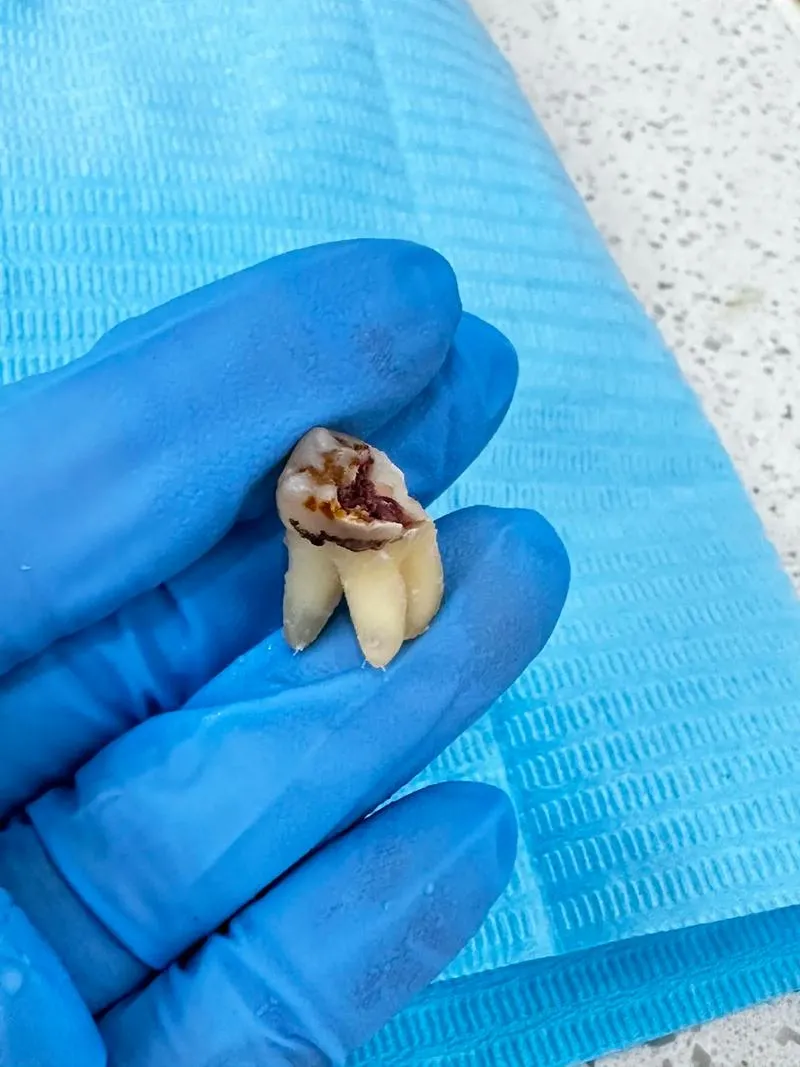
Thailand Tooth Extraction Services Designed for Overseas Dental Tourism
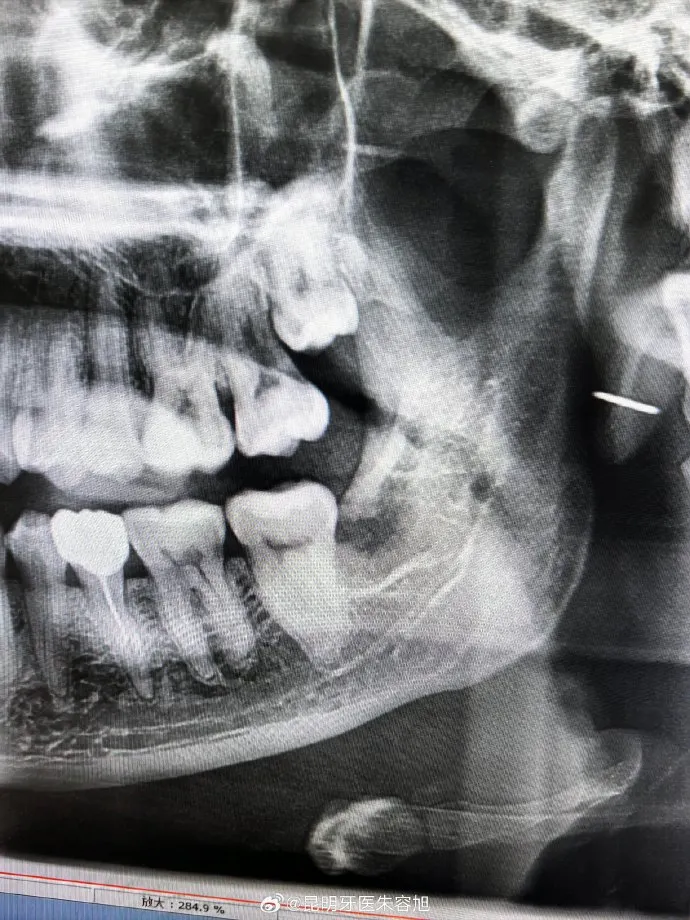
Thailand Tooth Extraction Services Designed for Overseas Dental Tourism
Thailand Tooth Extraction Services Designed for Overseas Dental Tourism
Sawasdee and welcome to Thailand, where world-class dental care meets warm hospitality and great value. If you’re planning a trip and considering tooth extraction—whether a simple removal or surgical wisdom tooth extraction—Thailand’s clinics are well set up for international patients. The country’s combination of highly trained dentists, modern equipment, transparent pricing, and easy travel connections makes it a reliable choice for dental tourism without the stress. Mai pen rai, you’re in good hands.
Why Thailand for tooth extraction?
- Experienced dentists and oral surgeons: Thai dentists train under the Thai Dental Council and many pursue additional international credentials. Oral surgeons commonly handle complex extractions, including impacted wisdom teeth.
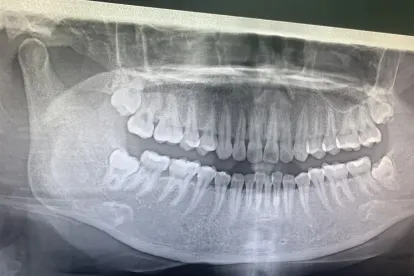
- Modern tech and safety: Clinics in Bangkok, Chiang Mai, Phuket, and Pattaya commonly use panoramic X-rays and CBCT scans for precise planning. Sterilization protocols follow international standards, and many clinics operate in hospital settings for cases needing IV sedation.
- Clear pricing and value: Fees are typically lower than in Western countries while maintaining quality.
- Easy communication: English-speaking dentists and coordinators are common, with booking via email, Line, or WhatsApp.
- Convenient travel: Visa-exempt stays for many nationalities, plenty of flights, and easy city transport via BTS/MRT in Bangkok.
What types of extractions are available?
- Simple extraction: For mobile or non-impacted teeth. Usually done under local anesthesia in under 30 minutes.
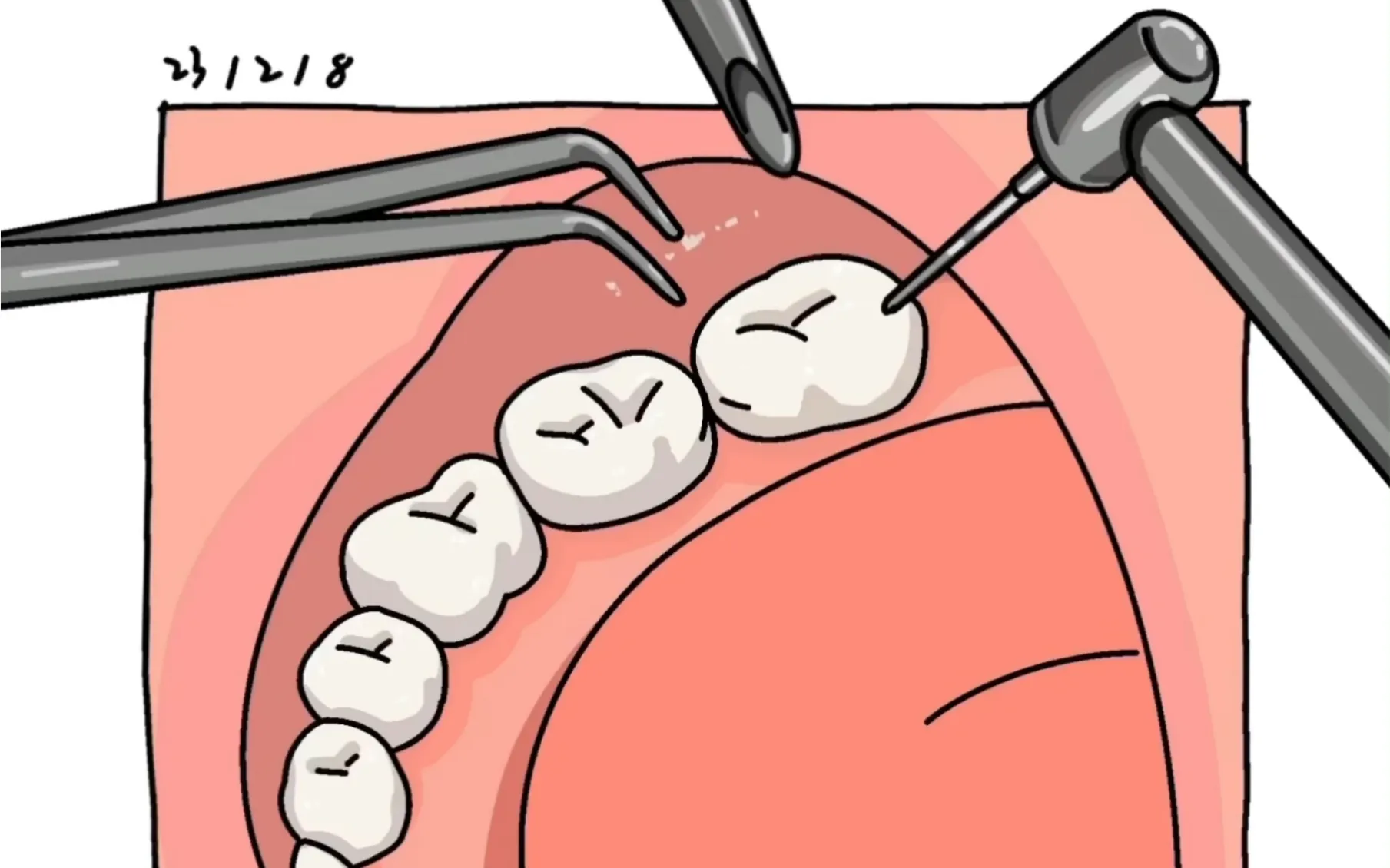
- Surgical extraction: For broken roots, firmly anchored teeth, or those under the gum. May involve a small incision and bone removal.
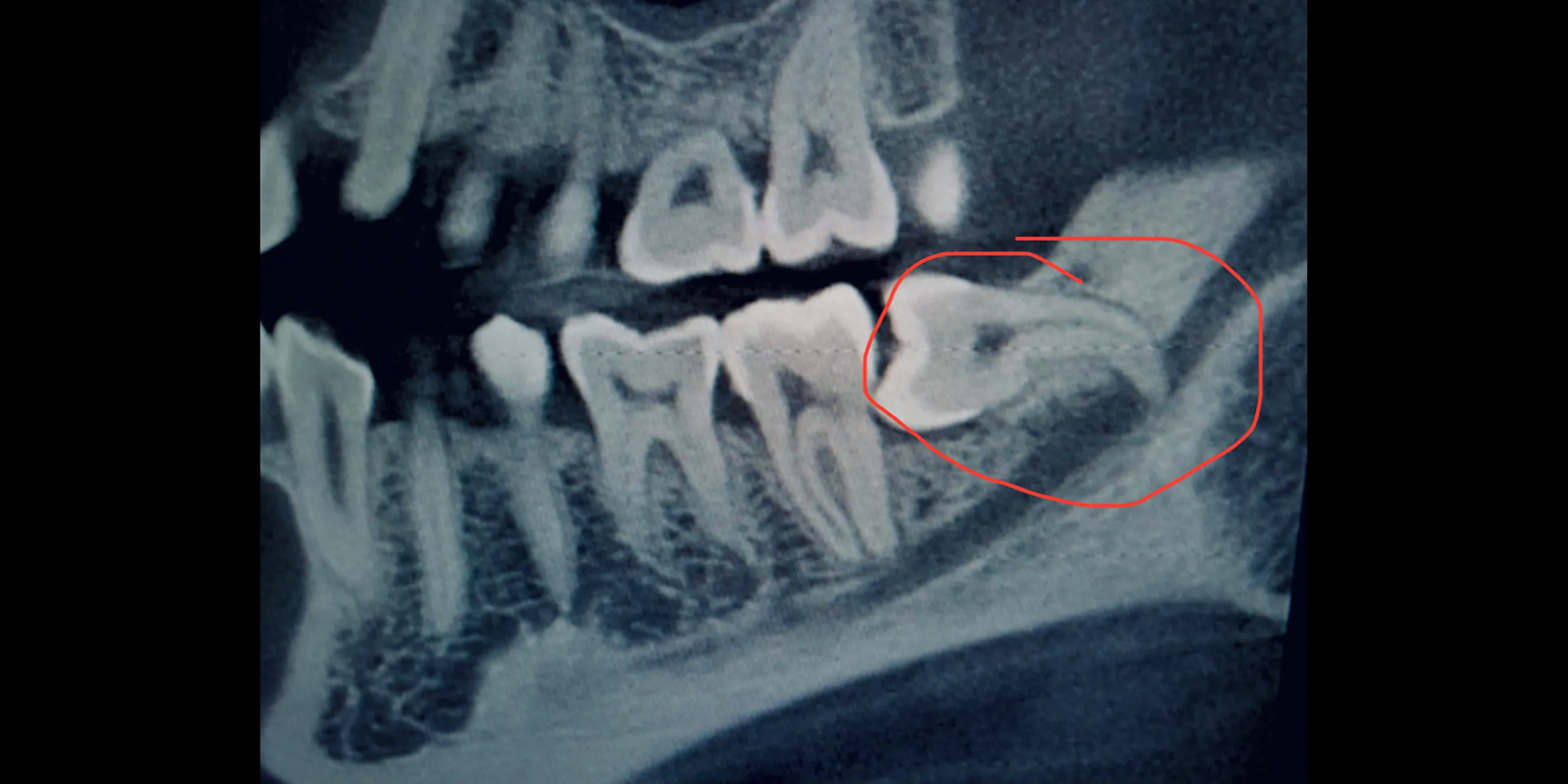
- Wisdom tooth removal: Standard or impacted. Complex cases may be handled by an oral and maxillofacial surgeon, sometimes with sedation.
- Sedation options: Local anesthesia is the norm, but clinics can arrange oral sedation, IV sedation, or general anesthesia in a hospital where needed.
Typical costs and what’s included
Prices vary by city, clinic reputation, and complexity, but these ballpark figures can help you budget:
- Consultation: 200–800 THB
- Panoramic X‑ray/CBCT: 500–3,000 THB (CBCT at the higher end)
- Simple extraction: 1,000–2,500 THB per tooth
- Surgical extraction: 3,000–7,000 THB per tooth
- Impacted wisdom tooth: 4,000–12,000 THB per tooth depending on angle and depth
- Sedation (if required): 8,000–25,000+ THB, usually hospital-based
Many clinics include a post-op check within 3–7 days at no extra fee. Always ask for a detailed cost estimate after imaging and a formal receipt for insurance reimbursement.
How to choose a clinic with confidence
- Check credentials: Look for dentists registered with the Thai Dental Council. For complex cases, confirm the surgeon’s specialty.
- Ask about imaging: Panoramic X‑ray or CBCT helps avoid surprises during extraction.
- Sterilization and safety: Ask about autoclave cycles, single-use disposables, and whether complex cases are done in hospital.
- Reviews and case photos: Patient feedback and before/after images tell you a lot.
- Communication: Ensure the clinic replies clearly in English and can share a written treatment plan with itemized fees.
- Location: In Bangkok, clinics near BTS/MRT (Asok, Phrom Phong, Siam, Silom) make travel easy. Phuket and Chiang Mai clinics are generally 15–30 minutes from central areas.
Your step-by-step treatment journey
1) Pre‑trip consult: Send your denta
l history and any existing X‑rays for a preliminary opinion and time estimate. Clinics can hold a tentative slot for you.
2) Arrival and exam: You’ll receive a clinical exam plus imaging. The dentist will explain options, risks, and aftercare in simple English.
3) Extraction day: Local anesthesia for most. The dentist will remove the tooth, clean the socket, and place sutures if needed. Gauze and post-op instructions are provided before you leave.
4) Recovery and follow‑up: Expect mild swelling for 24–72 hours. A follow‑up check (and suture removal if non‑dissolving) is typically scheduled within a week.
5) Documentation: You’ll receive a stamped invoice and treatment notes on request, handy for insurance claims back home.
Travel timing and recovery tips
- Stay length: For simple extractions, plan 1–2 days in town after treatment. For surgical or impacted wisdom tooth removal, 4–7 days is safer for reviews and healing.
- Flying: After simple extraction, flying after 24–48 hours is usually fine. For surgical or impacted cases, aim for 48–72 hours before flying, more if swelling is significant.
- Activities: Keep it chill for the first 2–3 days. Skip Muay Thai, diving, and sauna. Light sightseeing and café time are okay if you feel comfortable.
- Food in Thailand: Choose soft, non‑spicy meals for the first days—think jok (rice porridge), khao tom (rice soup), steamed egg, tofu, soft fish, and yogurt. Avoid sticky rice, crispy snacks, and piping‑hot or spicy dishes like som tam until your dentist gives the okay.
- Hydration: Coconut water is a gentle way to rehydrate. Avoid straws for at least 48–72 hours to protect the blood clot.
Comfort and pain management
Thai clinics are known for gentle care. Local anesthetics ensure a pain‑free procedure, and you’ll be given clear guidance on medication. If you’re anxious, ask about mild oral sedation or nitrous oxide where available. For complex cases or medical conditions, IV sedation in a hospital setting provides extra safety.
Booking and payment
- Appointments: Many clinics accept bookings via Line, WhatsApp, email, or online forms. Walk‑ins are possible, but pre‑booking is best.
- Opening hours: “Open daily” is common in tourist areas, with last appointments in early evening.
- Payment: Cash and major credit cards are widely accepted. If you have travel or dental insurance, check whether you need to pay first and claim later. Request a detailed receipt with dentist’s name, license number, and procedure codes.
A few local touches
Thailand’s service culture is friendly and efficient. You’ll often hear “mai pen rai” (no worries) and feel that relaxed, can‑do attitude—while still receiving meticulous clinical care. If you need anything, just say, “khun doctor, can you explain again?” and you’ll get a clear, step‑by‑step reply.
When to consider a hospital setting
If you have complex impactions, active infections, bleeding disorders, or medical conditions such as uncontrolled diabetes, ask for evaluation in a hospital-based dental unit. Thailand’s private hospitals offer JCI-accredited environments with anesthesiology support when needed.
Putting it all together
With proper planning, tooth extraction in Thailand is straightforward, safe, and good value. Choose a reputable clinic, give yourself a few calm days post‑procedure, stick to gentle Thai comfort foods, and enjoy the rest of your trip. From Bangkok’s skyline to Chiang Mai’s temples and Phuket’s beaches, you can pair quality dental care with a memorable holiday—same same, but better.