Thailand Tooth Extraction Services With Experienced Clinical Teams
Thailand Tooth Extraction Services With Experienced Clinical Teams
Thailand Tooth Extraction Services With Experienced Clinical Teams
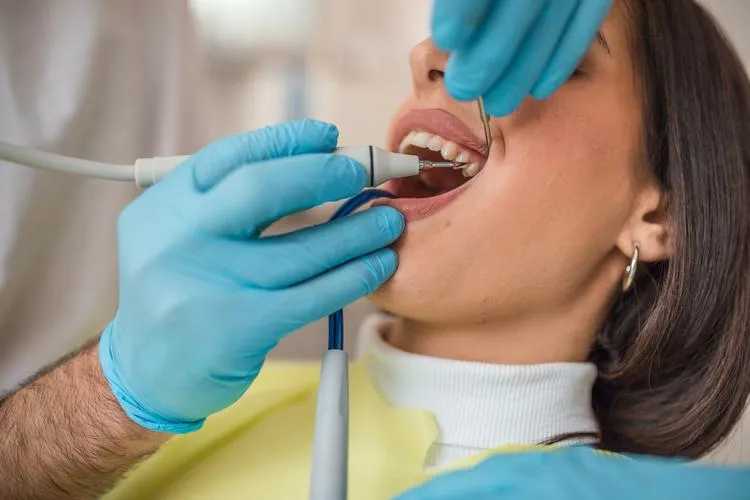
Looking for safe, affordable, and smooth tooth extraction in Thailand? You’re in good hands here. Across Bangkok, Chiang Mai, Phuket, and other major cities, dental clinics and dental hospitals are staffed by experienced clinical teams who handle everything from simple extractions to complex wisdom tooth removal every day. With English‑speaking dentists, modern equipment, and a warm “service mind,” getting your tooth taken out in Thailand is straightforward and stress‑free.
Why choose Thailand for tooth extraction
- Experienced clinical teams: Thai dentists complete rigorous training and many undertake additional certifications in oral surgery. In busy urban clinics, they see a high volume of cases, which translates into confident hands and efficient procedures.
- International standards: Clinics follow strict infection control protocols, using autoclave sterilization, single‑use disposables, and proper PPE. Many are accredited and equipped with digital X‑ray, panoramic, or CBCT imaging for precise planning.
- Clear communication: You can easily find English‑speaking dentists and staff. They will explain the diagnosis, show you the X‑rays, and discuss options so you can decide comfortably.
- Value for money: Pricing is transparent and competitive, with itemized tax invoices for insurance claims. You get high‑quality care without breaking the bank.
Types of tooth extraction services available
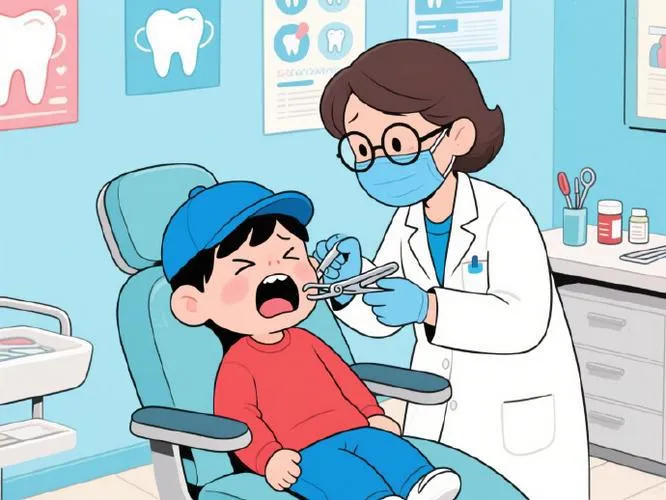
- Simple extraction: For mobile or non‑impacted teeth, done under local anesthesia. Ideal for badly decayed teeth beyond saving or orthodontic needs.
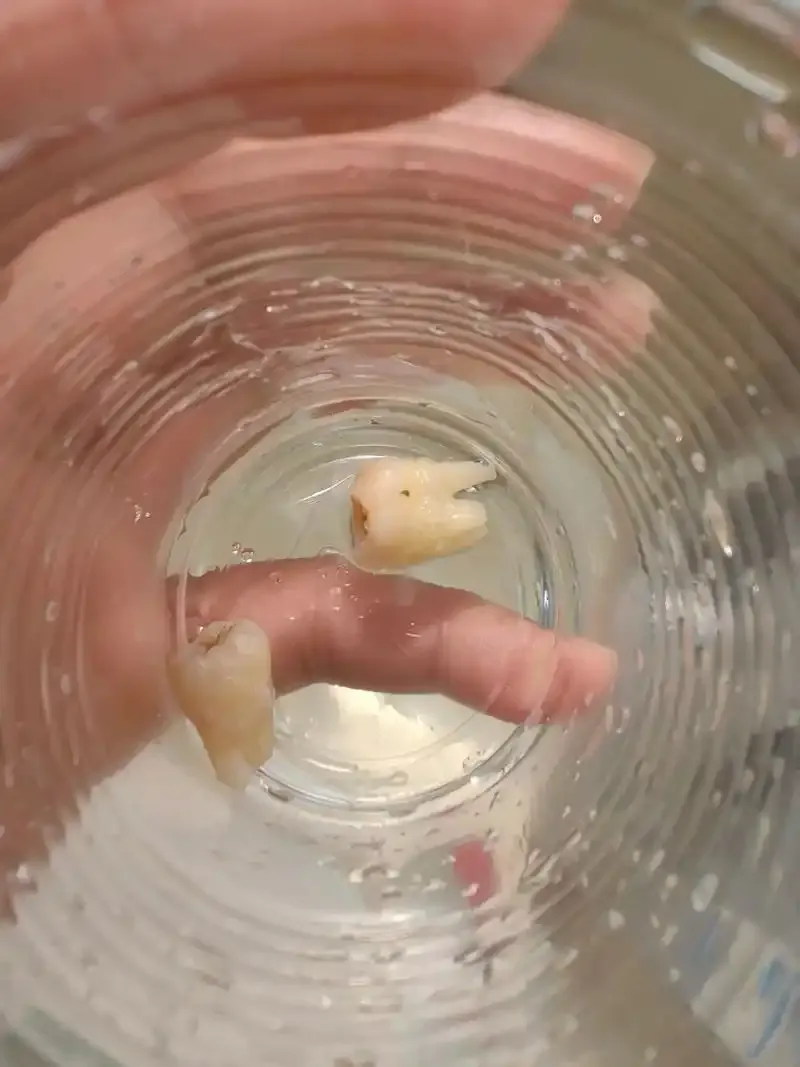
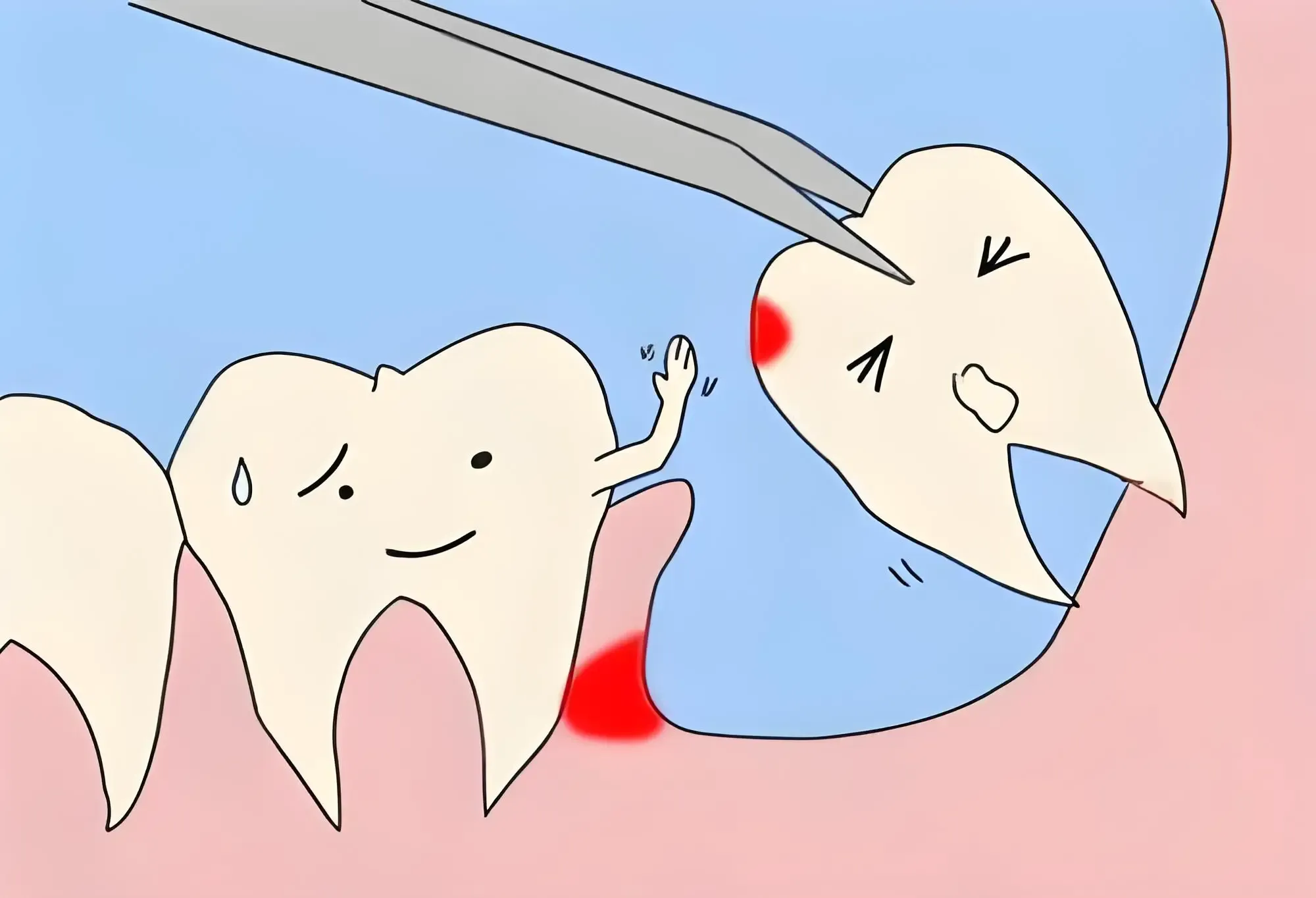
- Surgical extraction: For broken roots, curved roots, or impacted teeth, involving a small incision and sometimes bone removal. Typically handled by an oral surgeon.
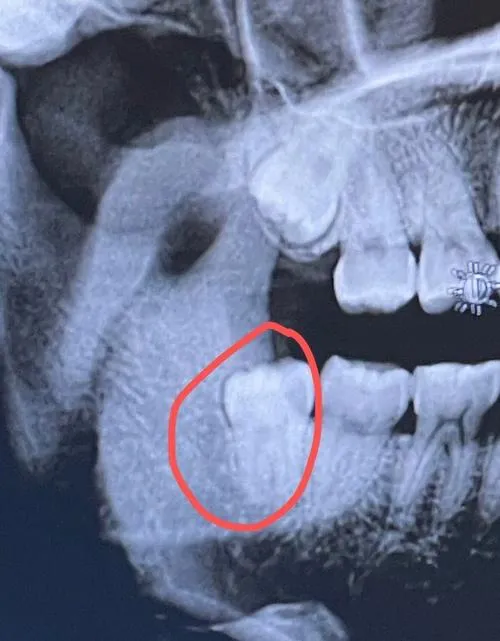
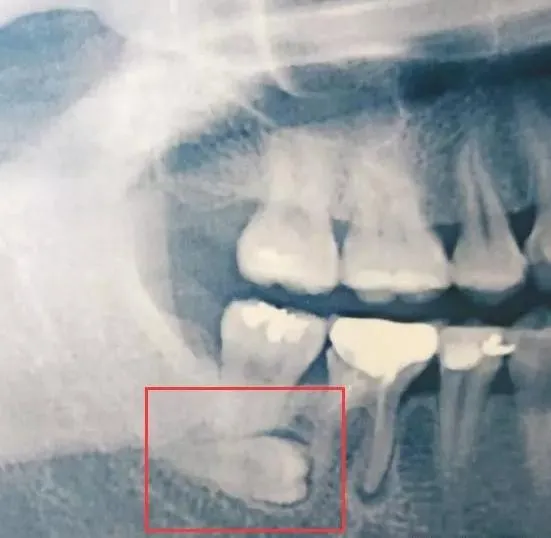
- Wisdom tooth removal: Both partial and full impactions are common. Clinics will use panoramic X‑ray or CBCT to assess nerve proximity and plan safely.
- Emergency tooth extraction: If you’re in severe pain, swollen, or have an infection, many clinics accept walk‑ins and provide same‑day care, even on weekends or public holidays.
What to expect during your visit
1) Check‑in and consultation: When you arrive, the receptionist will register you (they might address you as “Khun” + your name as a polite Thai custom). You’ll be asked about medical history and any allergies. Please arrive a bit early to fill in forms.
2) Imaging and assessment: The dentist will perform an exam and take a digital X‑ray (panoramic for wisdom teeth). They will explain the findings, options, risks, and fees before proceeding.
3) Anesthesia options: Most extractions are done with local anesthesia—quick and effective. For anxious patients or complex cases, some clinics can arrange IV sedation with an anesthetist or nitrous oxide, subject to availability.
4) The procedure: A simple extraction may take 15–30 minutes. Surgical or wisdom tooth cases can take longer depending on complexity. The team will ensure you are numb and comfortable throughout.
5) Aftercare and medication: You’ll receive gauze, instructions, and, if appropriate, pain relief and antibiotics. The clinic will explain how to manage swelling and when to return for a review.
Safety and hygiene you can trust
Thai clinics put infection control first. Instruments are cleaned and sterilized in sealed pouches, handpieces are disinfected between patients, and surfaces are wiped with hospital‑grade solutions. Many clinics run internal quality checks and maintain maintenance logs for their sterilizers. If you’re curious, don’t hesitate to ask—the staff are happy to show you their protocols.
Pain management and comfort
- Local anesthesia: Fast onset and highly effective. You should feel pressure but no sharp pain.
- Sedation options: Selected clinics offer IV sedation under monitoring for patients who prefer to “sleep” through the procedure. Kindly check availability in advance, as it requires scheduling.
- Gentle techniques: Experienced clinicians use minimally invasi
ve methods to reduce trauma, resulting in less swelling and faster healing. Ice packs and anti‑inflammatory medication are commonly recommended.
Estimated costs in Thailand (subject to assessment)
- Simple extraction: Usually from about 1,000–2,500 THB per tooth, depending on clinic and case.
- Surgical extraction/wisdom tooth removal: Commonly ranges from about 4,000–12,000 THB per tooth, varied by difficulty and imaging required.
- Sedation: Additional fee if IV sedation is arranged.
Clinics typically accept cash, Thai bank transfer, credit/debit cards, and issue official receipts. If you have international or corporate insurance, you can request a detailed invoice for reimbursement.
Booking and accessibility
- Easy appointments: You can book by phone, website, Facebook, or Line Official Account (many clinics will ask you to “scan QR” to add Line). Walk‑in is usually okay for emergencies, but booking is recommended to avoid a queue.
- Convenient locations: Many clinics are near BTS/MRT stations or located in popular sois with parking. Look out for places around Sukhumvit, Silom/Sathorn, Ari, Nimmanhaemin (Chiang Mai), or Patong (Phuket).
- Long opening hours: Urban clinics often open late and on weekends. Some operate on public holidays for urgent cases—no worries, just call ahead to confirm.
How to prepare before your extraction
- Eat a light meal 1–2 hours before if you’re having local anesthesia. If IV sedation is planned, follow fasting instructions strictly.
- Take regular medications as advised. If you’re on blood thinners, inform the clinic well in advance so the dentist can coordinate safely.
- Arrange transport if sedation is used. For local anesthesia only, you can usually take BTS/MRT or drive yourself.
Aftercare tips that fit daily life in Thailand
- Bite on gauze: Keep firm pressure for 30–60 minutes to control bleeding. Some oozing is normal.
- Avoid hot soup or spicy food for the first day: Thailand loves spice, but your socket doesn’t. Choose soft, lukewarm foods like congee or soft noodles at first.
- No straw, no smoking: Suction and smoke can dislodge the clot and cause dry socket.
- Cold compress: 10 minutes on, 10 minutes off during the first 24 hours helps with swelling.
- Gentle cleaning: Brush other teeth as normal but avoid the socket. After 24 hours, rinse lightly with warm salt water.
- Follow‑up: If stitches were placed, the clinic may schedule removal in 5–7 days. Contact the clinic immediately if you have severe pain, heavy bleeding, or fever.
Who will treat you
In Thailand, uncomplicated extractions are often performed by general dentists with strong experience, while complex or deeply impacted wisdom teeth are handled by oral and maxillofacial surgeons. Teams work together—dentists, surgical assistants, and, when needed, anesthetists—to keep your visit safe and smooth.
Frequently asked questions
- How long should I take off work? Many people return to light work the next day after a simple extraction. For surgical or wisdom teeth, consider 1–2 days of rest.
- Can I remove multiple wisdom teeth in one visit? Yes, if clinically suitable and you’re comfortable. Discuss recovery planning with your dentist.
- Is English support available? In major cities, yes. Many teams are experienced with expats and travelers.
- Can I fly after extraction? For simple cases, short flights after 24 hours are usually fine. For surgical cases, follow your dentist’s advice—waiting 48–72 hours is common.
- Do clinics accept walk‑in emergency cases? Most do. If possible, call first so the team can prepare.
If you’re staying in Thailand and need tooth extraction, choosing a reputable clinic with an experienced clinical team makes all the difference. With clear explanations, careful technique, fair pricing, and the famous Thai service mind, your visit can be quick, comfortable, and hassle‑free. Whether it’s a sudden toothache or planned wisdom tooth removal, just book an appointment, show up a bit early, and let the professionals take care of the rest.