Thailand Tooth Extraction Clinics With Excellent Hygiene Standards
Thailand Tooth Extraction Clinics With Excellent Hygiene Standards
Thailand Tooth Extraction Clinics With Excellent Hygiene Standards
If you’re planning a tooth extraction in Thailand, you’ll be happy to know the country is home to many clinics that take hygiene and infection control very seriously. From Bangkok to Chiang Mai, Phuket to Pattaya, Thailand’s dental clinics combine modern equipment, well-trained dentists, and strict sterilization routines. Whether you’re a resident or flying in for oral surgery, choosing a clinic with excellent hygiene standards ensures a safe, smooth, and stress-free experience.
What “excellent hygiene standards” really means
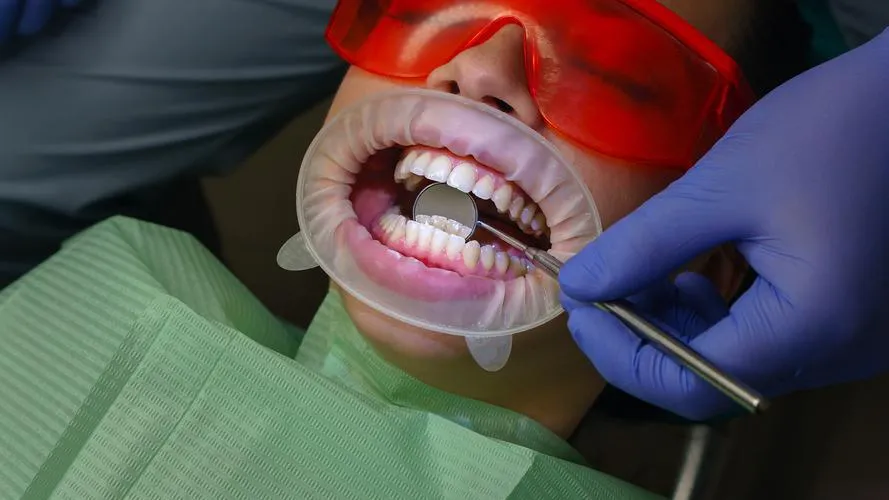
In Thailand, reputable dental clinics follow universal precautions and Ministry of Public Health guidelines to prevent cross-infection. Instruments are cleaned in an ultrasonic bath, sealed in sterilization pouches with color-change indicators, and processed in Class B autoclaves. Many clinics run weekly spore tests and keep a sterilization logbook you can ask to see—no problem, staff are usually happy to explain. Surfaces in the treatment room are wiped with hospital-grade disinfectant between patients, and high-touch areas like door handles, chair controls, and light handles are barrier protected. Dentists and assistants wear proper PPE: gloves, masks, face shields or goggles, and disposable caps. You’ll often be given a pre-procedure mouth rinse, and all syringes, needles, suction tips, gauze, and drapes are single-use.
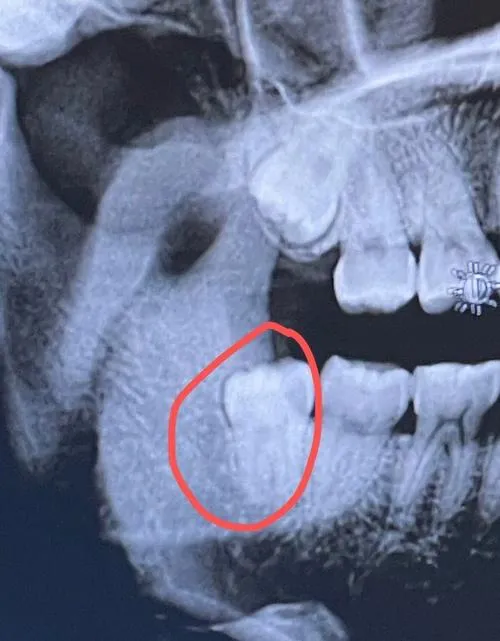
Digital X-rays are standard in urban clinics, minimizing radiation while improving diagnostic accuracy. Biohazard waste is segregated and collected by licensed providers. In top-tier hospitals and flagship clinics, you may also see air filtration (HEPA), separate clean/dirty instrument zones, and strict hand hygiene stations at the entrance.
How to spot a clean clinic at a glance
- Look for sealed instrument pouches with visible indicator strips that have changed color.
- Check for a posted Dental Council of Thailand license and the dentist’s DDS and license number at reception.
- Notice PPE use and whether staff change gloves and dispose of barriers between patients.
- Ask about autoclave type and spore testing; a professional clinic will answer confidently.
- See if the treatment area feels orderly, air-con is clean, and surfaces are regularly wiped down.
Credentials and accreditation
Dentists in Thailand complete a DDS and must be licensed by the Dental Council of Thailand. Many have international training in oral surgery or implantology. Clinics attached to large private hospitals in Bangkok often hold international accreditations like JCI or local HA (Healthcare Accreditation Institute) certification, which include robust infection-control criteria. If you’re considering IV sedation or general anesthesia for wisdom tooth removal, confirm the procedure will be supervised by an anesthetist and performed in a facility equipped for advanced monitoring.
Your tooth extraction journey, step by step
Most clinics offer booking via the Line app, phone, or website. Walk-in is sometimes okay, but booking ahead avoids a queue number during peak hours. On arrival, you’ll fill a medical history form—be honest about medications, allergies, and any past surgeries. The dentist will examine your mouth and take a digital X-ray or panoramic sc
an to check tooth roots, sinus proximity, and nerve position.
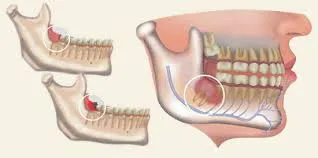
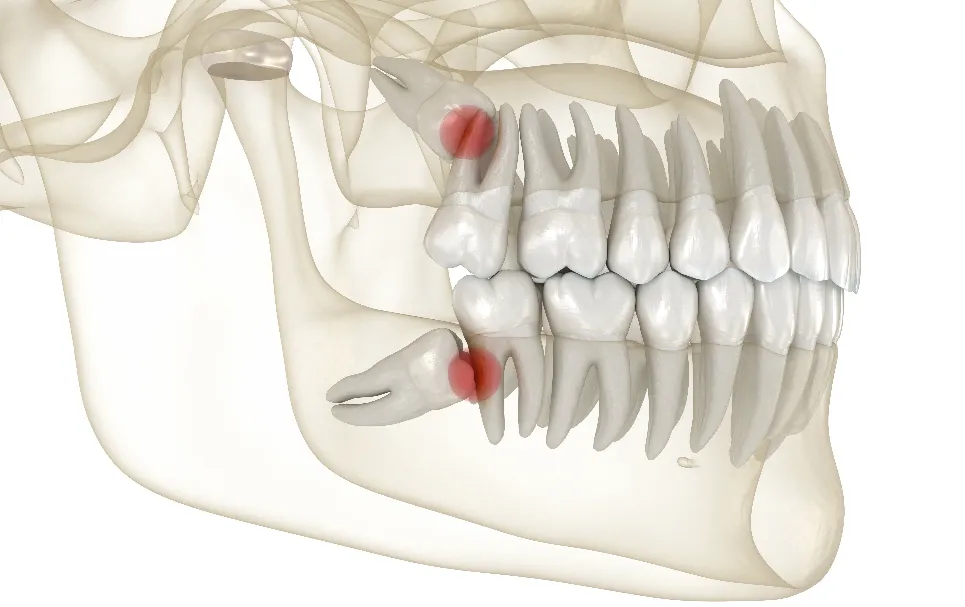
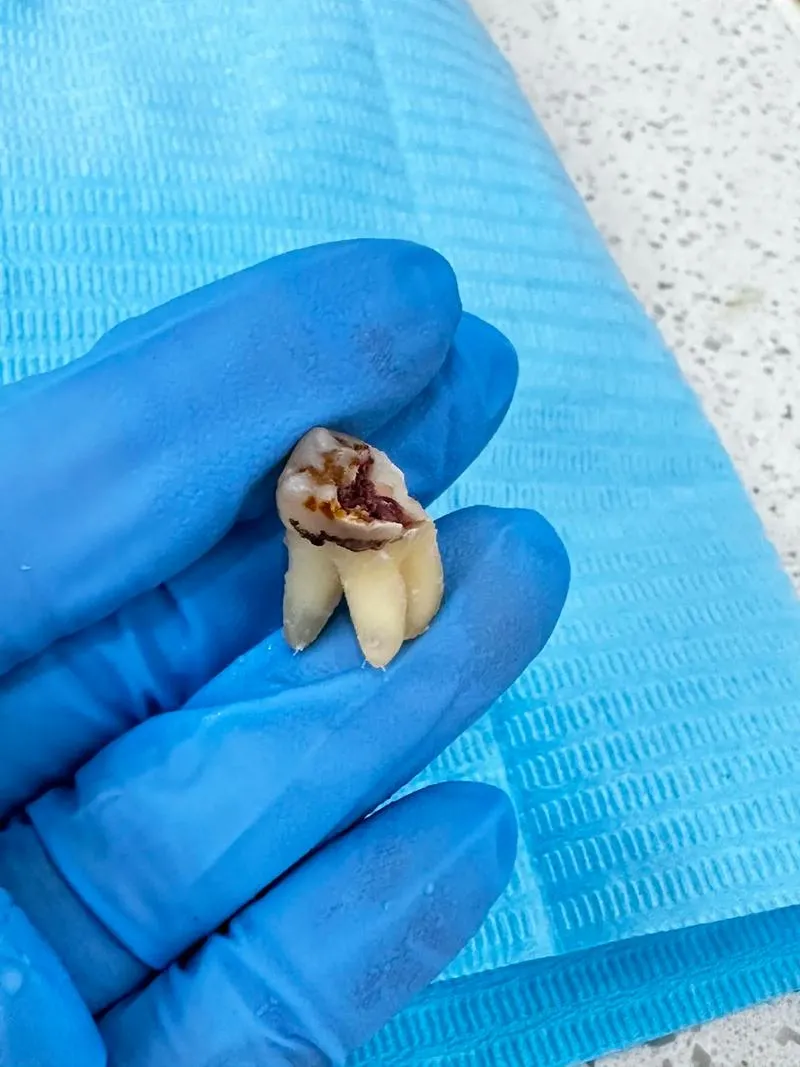
Local anesthesia (lidocaine or articaine) is standard; you’ll feel pressure but no sharp pain. For anxious patients, some clinics provide nitrous oxide (laughing gas), oral sedation, or IV sedation in a hospital setting. Simple extractions can take 10–20 minutes; surgical extractions, such as impacted wisdom teeth, might require a small flap and bone removal and take longer. The team will maintain a sterile field with disposable drapes, sterile saline irrigation, and single-use suction tips. After removal, the dentist will place sutures if needed and give you a gauze pack to bite on to control bleeding.
Clear aftercare is part of good hygiene practice. Expect written instructions and a small take-home kit. Avoid vigorous rinsing for 24 hours, don’t use a straw, and skip smoking to prevent dry socket. In Thailand’s hot climate, it’s wise to avoid very hot and spicy foods for a couple of days; cool, soft options are best. Saltwater rinses from day two keep the site clean. If antibiotics or painkillers are prescribed, follow the dosage and don’t self-medicate. Should swelling or fever appear, contact the clinic straight away—many offer same-day reviews.
Cost, transparency, and payment
Pricing is usually posted on a clear price list. As a general guide:
- Simple extraction: around THB 800–2,500 at community clinics; more in premium locations.
- Surgical wisdom tooth removal: THB 5,000–15,000 per tooth at well-known clinics; higher in top private hospitals, especially with sedation.
Ask for an itemized receipt; it helps with travel insurance claims. Most clinics accept cash, major credit cards, and QR PromptPay. If you need a formal tax invoice, mention it at the counter—Thai clinics are used to this and have a good service mind.
Access and convenience
In Bangkok, many clean, reputable clinics sit along BTS and MRT lines—Sukhumvit, Silom, and Sathorn are popular. In Chiang Mai, look around Nimman and the Old City; in Phuket, Patong and Phuket Town; in Pattaya, Central and Jomtien. Opening hours are often extended into the evening and weekends, which is handy if you’re working or traveling. If you’re on a tight itinerary, tell the clinic in advance; they can plan your visit efficiently and advise how many days you should rest after extraction.
Travel tips specific to Thailand
- Schedule your extraction at least 48–72 hours before a flight; longer for surgical wisdom teeth.
- If you plan island hopping or diving, allow extra recovery time—pressure changes don’t mix well with fresh surgical sites.
- Bring a list of current meds; Thai pharmacists are helpful, but your dentist needs the details to avoid interactions.
- If you’re sensitive to spice, mention it when getting aftercare advice—staff can recommend tooth-friendly local foods.
Why Thailand is a solid choice
Thailand’s dental sector blends affordability with international-standard hygiene. The combination of modern sterilization, trained teams, and transparent pricing means you can focus on healing, not worrying. Choose a clinic that ticks the boxes—clear sterilization protocol, licensed dentists, proper PPE, and straightforward aftercare—and your tooth extraction in Thailand will be safe, clean, and surprisingly comfortable.