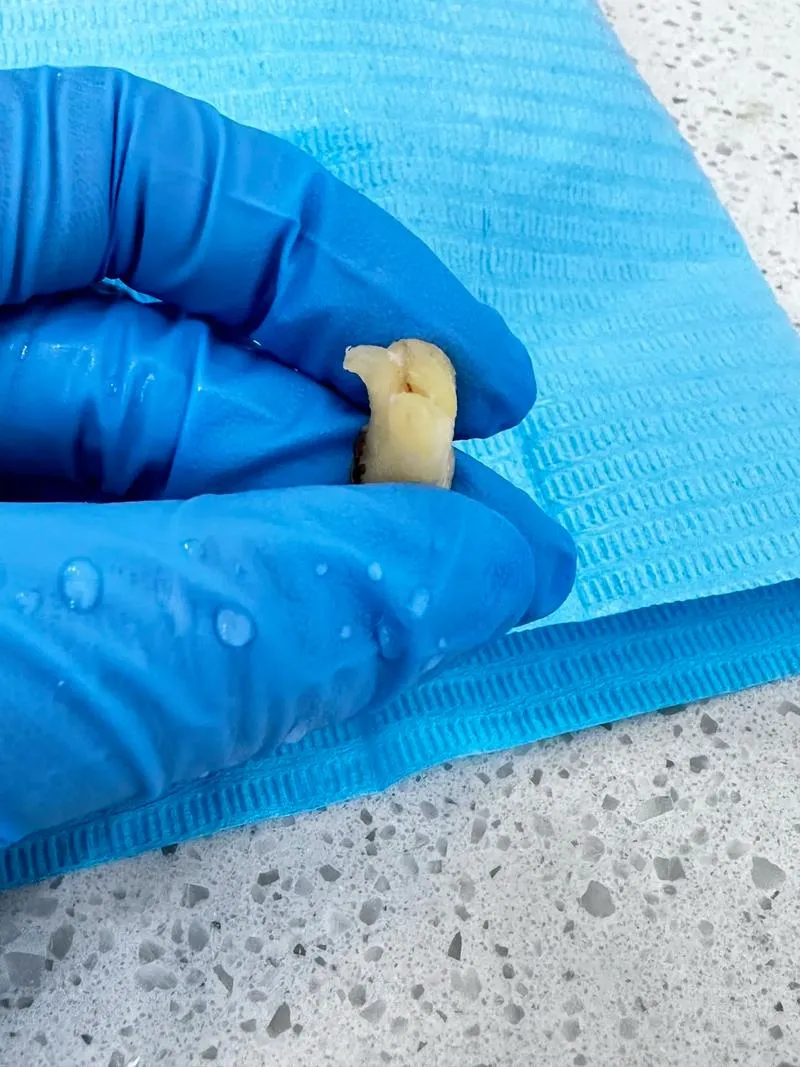
Thailand Tooth Extraction Clinics Offering Advanced Diagnostic Equipment
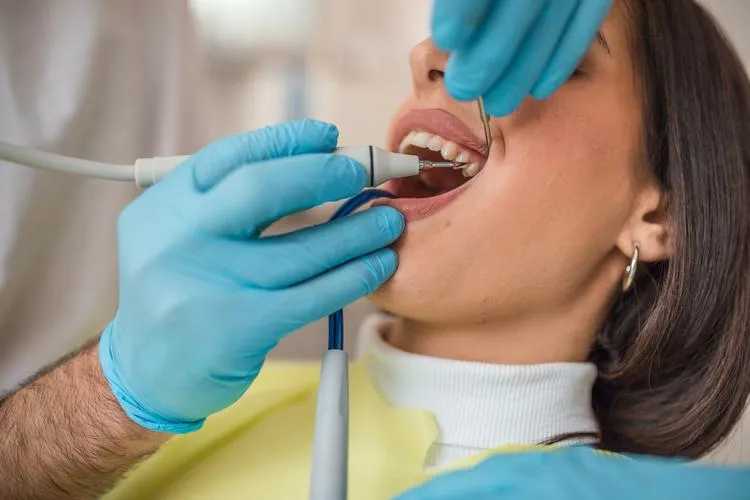
Thailand Tooth Extraction Clinics Offering Advanced Diagnostic Equipment
Thailand Tooth Extraction Clinics Offering Advanced Diagnostic Equipment
If you’re considering tooth extraction in Thailand, you’ll find that many clinics are now equipped with advanced diagnostic technology that helps make treatment faster, safer, and more comfortable. From Bangkok to Chiang Mai and Phuket, modern dental centres combine skilled dentists with high-tech imaging and planning tools. That combination can be a game-changer, especially for wisdom tooth removal or tricky extractions where accuracy matters.
Why diagnostics matter for tooth removal
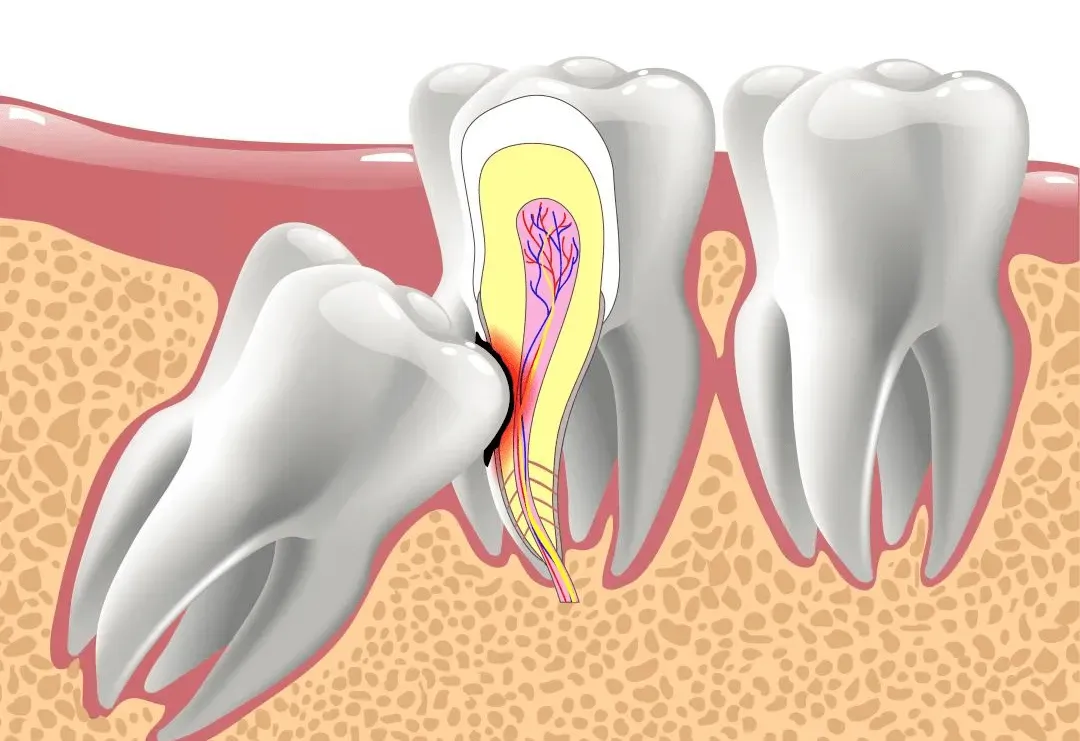
Tooth extraction isn’t just about pulling a tooth. Good planning starts with a clear picture of your roots, nerves, bone density, and any infection around the area. With the right diagnostics, the dentist can choose a minimally invasive approach, avoid the nerve canal, and anticipate complications before they happen. That means less chair time, fewer surprises, and a smoother recovery.
Advanced equipment you should look for
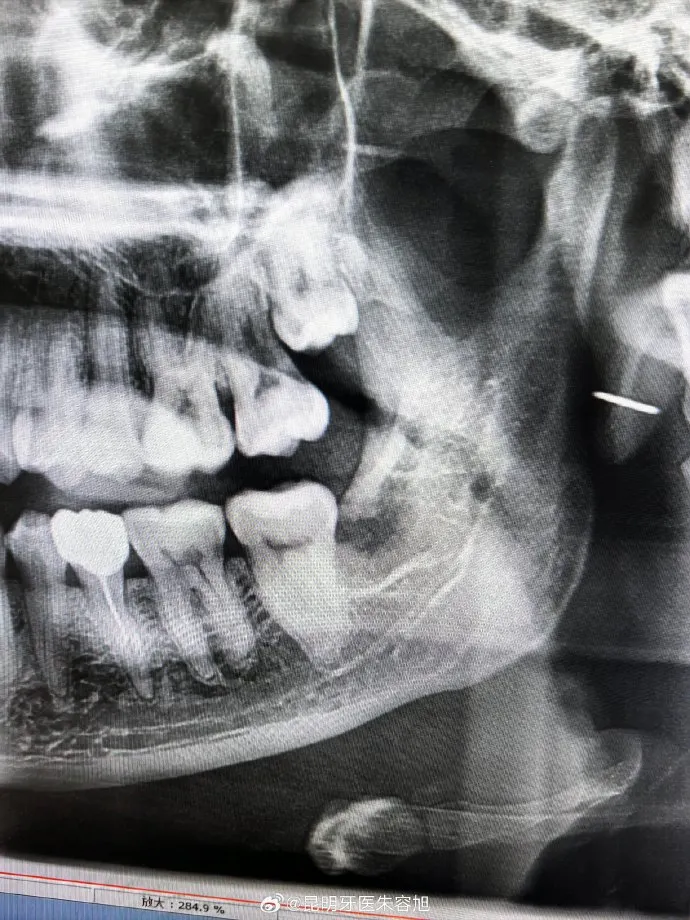
- Digital panoramic X-ray (OPG): A quick, low-radiation scan that shows your full jaw and all teeth at once. Perfect for first-line screening.
- Cone Beam CT (CBCT): A 3D scan that maps roots, sinus, and nerve canal in detail. Essential for impacted wisdom teeth or complex cases.
- Digital periapical sensors: Close-up images with sharper detail and lower radiation compared to traditional films.
- Intraoral scanners: Useful for treatment planning and, if needed, prosthetics after extraction.
- Ultrasonic or piezo surgical units: These devices allow gentler bone cutting, which can reduce trauma and swelling.
- Chairside monitors and patient tracking: The dentist can show you your scans on-screen, explain findings clearly, and document progress.
- Sterilisation systems with autoclave tracking: Many clinics have digital tracking for instrument sterilisation, adding an extra layer of safety.
What this technology means for you
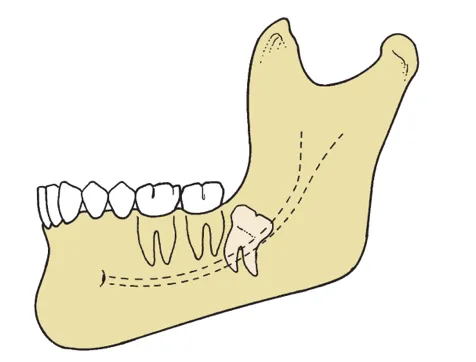
When a clinic has on-site CBCT and digital X-ray, you usually get your scans done immediately. No need to go outside for imaging, no long waiting. The dentist can zoom in on your scan, mark the exact position of roots, and measure distances from nerves and sinuses. For wisdom teeth close to the inferior alveolar nerve, this level of detail helps the dentist choose a safer path. The result is often a smaller incision, less bone removal, and a quicker recovery.
If you’re worried about radiation, ask about dose protocols. Modern digital systems use significantly lower radiation than older machines, and clinics in Thailand commonly follow ALARA (as low as reasonably achievable) principles.
A typical visit, step by step
Most clinics accept bookings via phone, website, or LINE. Many are along BTS or MRT lines in Bangkok—Sukhumvit, Silom, and Sathorn areas are popular—so it’s easy to get there even during traffic. When you arrive, the nurse will register you and take a brief medical history. If you haven’t had a recent X-ray, they’ll do a panoramic X-ray first. For impacted teeth or root fractures, the dentist may recommend a CBCT scan.
After reviewing your imaging, the dentist explains the plan: whether it’s a simple extraction under local anaesthetic or a surgical extraction for impacted wisdom teeth. You’ll be informed about risks, costs, and recovery time before giving consent. Clinics with advanced equipment tend to show your images on-screen so you know exactly what’s going on.
On the day of extraction, local anaesthetic is standard. Some clinics also offer nitrous oxide or IV sedation, usually wit
h an anaesthetist in attendance and appropriate monitoring. If you prefer sedation, ask whether the clinic provides it in-house or refers to a hospital setting.
Comfort, infection control, and recovery
Clinics that invest in technology typically invest in comfort and hygiene too. Expect clean, aircon waiting areas, single-use disposables where appropriate, and sterilised instruments sealed in pouches. If you’re sensitive to noise or worried about pain, ultrasonic surgery tools can make the procedure feel gentler.
After extraction, you’ll receive clear instructions and a small aftercare kit. Common recommendations include biting on gauze for initial bleeding, using ice packs to reduce swelling, delaying hot or spicy food for the first day, and rinsing gently with warm salt water after 24 hours. Avoid using a straw or smoking, as suction can dislodge the blood clot. Many clinics continue follow-up via LINE, so you can message a photo if you’re unsure about swelling or healing.
Costs and payment options
Prices vary by city and complexity, but a rough guide helps:
- Simple extraction: around THB 1,000–3,000 per tooth
- Surgical or impacted extraction: around THB 3,000–8,000+ depending on difficulty
- Digital panoramic X-ray: around THB 500–1,200
- CBCT scan: around THB 2,000–4,000
Ask for a full quote before treatment, including imaging. Most clinics accept cash, credit card, and QR PromptPay. If you need a tax invoice for insurance, request it at the counter. Some international plans offer reimbursement; bring your card and check the claim procedure.
How to choose a clinic with the right tech
- Check if CBCT is available on-site. It saves time and improves planning for complex cases.
- Ask about the brand or generation of imaging equipment and whether images are shared digitally with you.
- Confirm sterilisation protocols and whether the clinic tracks autoclave cycles.
- Look for English-speaking staff and dentists who can explain your scan clearly.
- Read recent Google Maps reviews that mention imaging and wisdom tooth treatments.
- If you want sedation, confirm the setting, monitoring equipment, and who administers it.
Where to find these clinics
Bangkok leads for choice and accessibility, with many clinics near BTS stations like Asok, Phrom Phong, Thonglor, and Sala Daeng. Chiang Mai’s Nimman area has modern practices popular with expats and students. In Phuket and Pattaya, clinics serving medical tourists often have multilingual staff and comprehensive imaging. While walk-ins are possible, booking an appointment—especially for CBCT and surgical extraction—helps the clinic prepare and keeps your visit efficient.
Small cultural tips for a smoother visit
In Thailand, staff may address you as Khun followed by your name—it’s a polite form of address. Arrive a little early to complete forms, bring your passport or Thai ID, and have a list of medications ready. If you have a tight schedule, mention it when booking; many clinics can arrange imaging and extraction in one visit if clinically appropriate.
Final thoughts
Tooth extraction doesn’t have to be stressful. Thailand’s tooth extraction clinics that offer advanced diagnostic equipment deliver clear benefits: more accurate planning, safer procedures, shorter chair time, and better recovery. When you compare clinics, prioritise those with on-site digital imaging, transparent protocols, and clear communication. With the right team and technology, you can walk out feeling confident that your treatment was planned and performed with precision.